

Introduction: Why 80G & 12A Verification Matters More Than Ever
For donors in India—whether individual, corporate, or CSR—verifying an NGO’s 80G and 12A certification is one of the most critical steps before contributing funds or materials.
Here’s why:
- 80G allows donors to claim tax deductions
- 12A allows NGOs to receive donations without paying income tax
- Together, they ensure the NGO is legally compliant, accountable, and transparent
However, thousands of NGOs in India:
- Do not have valid 80G or 12A
- Have expired certificates
- Use outdated or fake registration numbers
- Operate without compliance awareness
Mislead donors during peak donation seasons
This comprehensive guide teaches you exactly how to verify whether an NGO has valid 80G & 12A certifications—using official government systems and foolproof due-diligence methods.
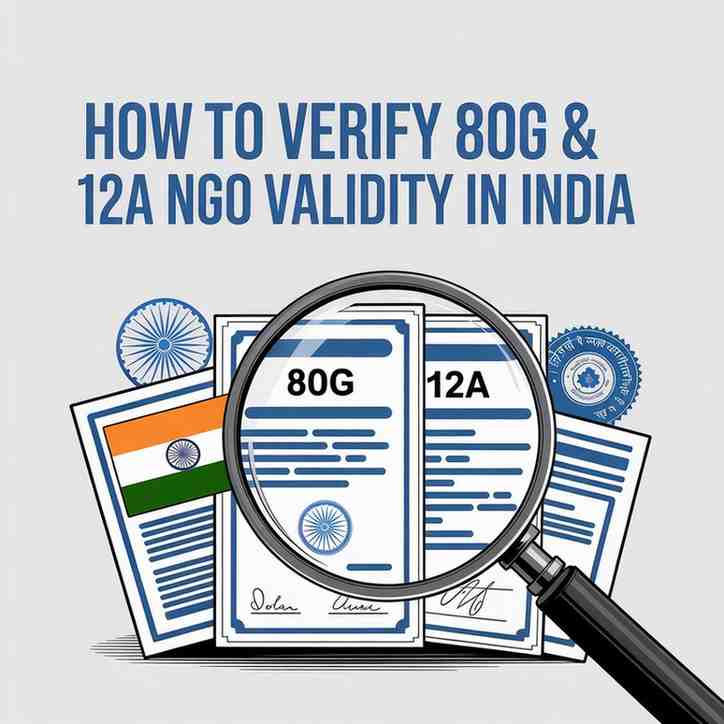
What Are 80G & 12A Certifications?
80G Certificate
Issued by the Income Tax Department, it allows donors to claim a tax deduction of 50% or 100% on donations made to eligible NGOs.
12A Certificate
Issued to NGOs so that the organization itself is exempt from paying income tax on donations received.
Both certificates are mandatory for an NGO to be considered legally compliant and trustworthy
How to Check Whether an NGO Has Valid 80G Certification
There are 3 primary ways to verify 80G status:
Method 1 — Ask the NGO for Its 80G Certificate (Must Include These Details)
A valid 80G certificate contains:
- NGO Name
- PAN details
- Registration number
- Effective date & validity period
- Approval under Income Tax Act
- QR code or official signature post-2021 reforms
If an NGO hesitates or provides a low-quality scan → Not trustworthy.
Method 2 — Verify 80G Status on the Income Tax Portal
Steps:
- Visit:
https://www.incometax.gov.in/iec/foportal - Navigate to:
Tax Exemptions → List of Approved 80G Entities - Enter:
- NGO Name
- PAN Number
- Registration Number
- Confirm:
- Validity period
- Status (Approved / Expired / Withdrawn)
- Unique Registration Number (URN)
Why this is reliable
This is the official government database. If the NGO doesn’t appear here → its 80G status is questionable.
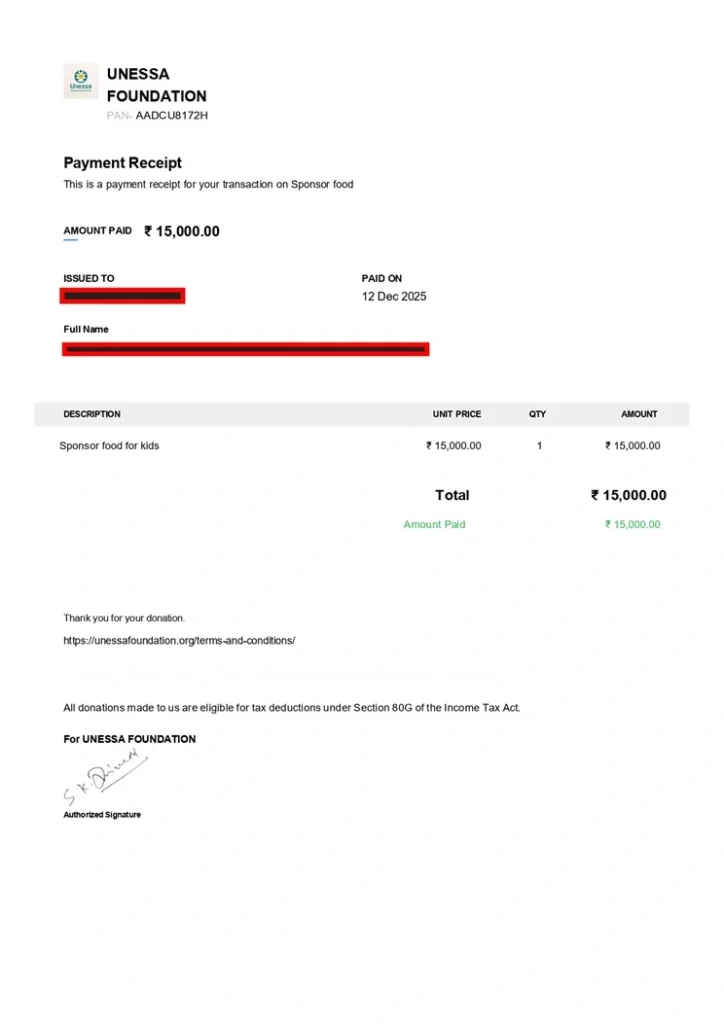
Method 3 — Validate the 80G Receipt After Donation
A real NGO issues a receipt that contains:
- Donor name
- Donation amount
- NGO PAN
- 80G reference number
- Signature & seal
- Date of donation
Fake NGOs often issue:
- Receipts without 80G
- Receipts with invalid numbers
Receipts from expired certificates
How to Verify Whether an NGO Has Valid 12A Certification
What is 12A?
Without 12A, an NGO cannot legally accept donations tax-free. This certificate is the foundation of NGO compliance.
Method 1 — Ask for the 12A Certificate Copy
A valid 12A certificate must include:
- NGO Name
- Unique Registration Number
- Effective date
- Tax exemption approval
- Department signature or QR code
Method 2 — Verify Through Income Tax Portal
Steps:
- Visit:
https://www.incometax.gov.in/iec/foportal - Navigate to:
Tax Exemptions → Approved Institutions - Search using:
- NGO Name
- PAN
- Registration Number
A 12A record should appear with:
- Validity period
- Compliance status
- Unique registration details
If the NGO is missing → its 12A is invalid or withdrawn.
Method 3 — Long-Term Validation via Annual Reports or Audit Statements
A compliant NGO will publish:
- Annual Audit Reports
- Balance sheets
- IT compliance documents
Transparent NGOs openly display compliance paperwork.
Difference Between 80G and 12A Explained
Feature
80G
12A
Purpose
Tax benefit for donors
Tax exemption for NGO
Required For
Donor deductions
NGO operations & sustainability
Compliance Level
High
Very high
Renewal
Mandatory post-2021
Mandatory post-2021
Issued By
IT Department
IT Department
Critical For Donation?
Yes
Yes
Signs That an NGO’s 80G/12A May Be Fake or Expired
- Certificate image is blurred
- No QR code or digital signature
- Expired validity date
- PAN mismatch with NGO name
- Only personal bank accounts provided
- Certificates without URN (post 2021 rule change)
- NGO refuses to share certificates
- Receipt missing 80G number
- Fake digital stamps
If even one of these appears → proceed with extreme caution.
Why Donors Must Verify 80G & 12A
- Ensures your donation is legally compliant
- Allows you to claim tax deductions
- Confirms financial transparency
- Protects against fraud
- Ensures NGO follows regulated standards
- Confirms NGO identity and governance
Never donate to NGOs without valid certification unless you have verified their legitimacy through other means.
Unessa Foundation: India’s Trusted Verified NGO
Unessa Foundation:
- Holds valid, updated 80G & 12A
- Provides transparent & structured receipts
- Publishes impact & financial reports
- Uses donation funds responsibly
- Operates with national trust & recognition
- Ensures zero-risk donor experience
This is why thousands of donors across India trust Unessa Foundation for humanitarian contributions.
Support a Fully Verified, 80G & 12A Certified NGO: Unessa Foundation
Step-by-Step Checklist: How to Verify an NGO’s 80G & 12A in Under 2 Minutes
- Ask for scanned copies
- Check validity dates
- Look for URN & QR code
- Verify PAN & NGO name match
- Search on IT portal
- Confirm receipt formatting
- Check if NGO publishes annual reports
Reliable NGOs openly share everything.
Make every donation count — Support Unessa Foundation, India’s Verified, Compliant & Transparent NGO.
FAQ
1. How do I know if an NGO’s 80G is valid?
Check the certificate validity date and search the NGO on the income tax portal.
2. Can I claim tax benefits without 80G?
No. Only NGOs with valid 80G can issue tax-deductible receipts.
3. What if an NGO has 80G but no 12A?
This is a compliance issue. NGOs must have both.
4. Do all NGOs in India have 80G?
No. Many operate without it.
5. Why is Unessa Foundation considered fully verified?
Because Unessa maintains both valid 80G & 12A, publishes their documents publicly, and follows strict compliance.