
Introduction
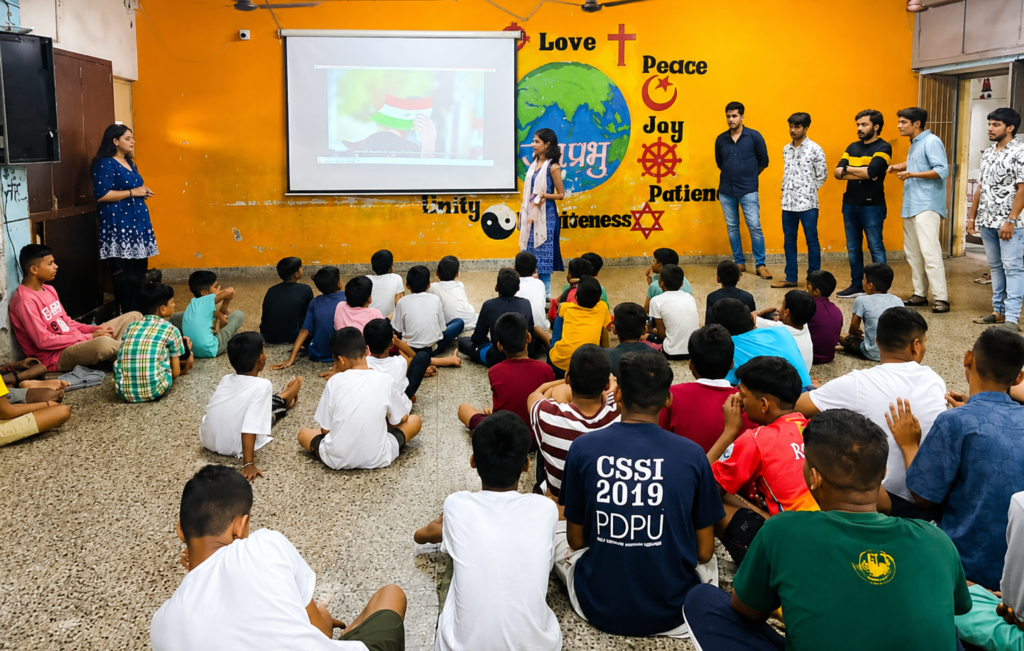
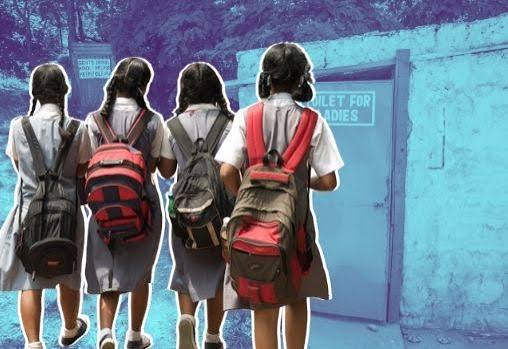
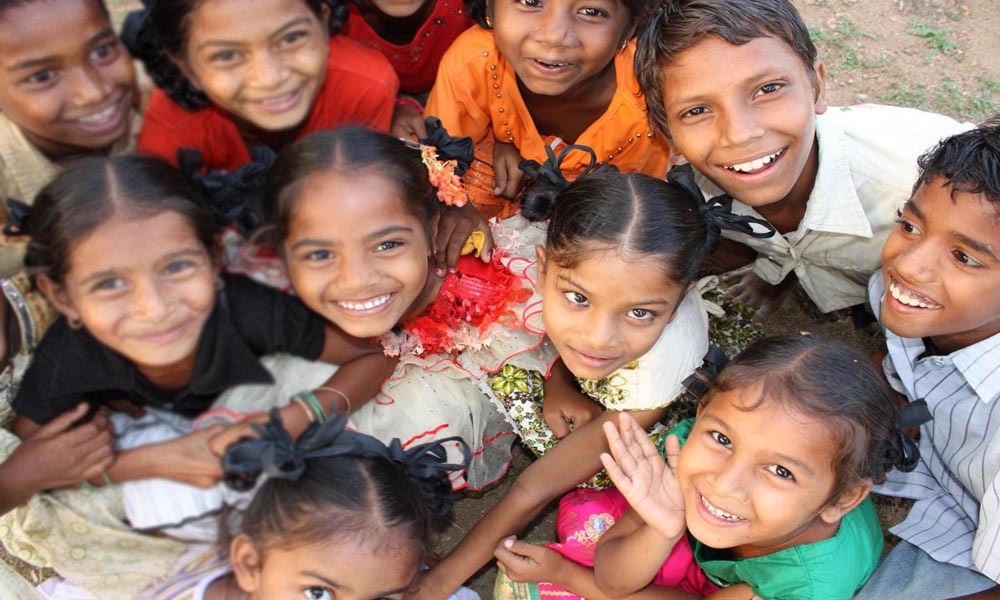
Child Rights NGOs in India are essential as the nation grapples with one of the largest child populations globally, with millions requiring protection, education, and basic rights to thrive. Issues such as child labor, trafficking, malnutrition, and lack of access to quality education remain prevalent, particularly in rural and urban slum areas.
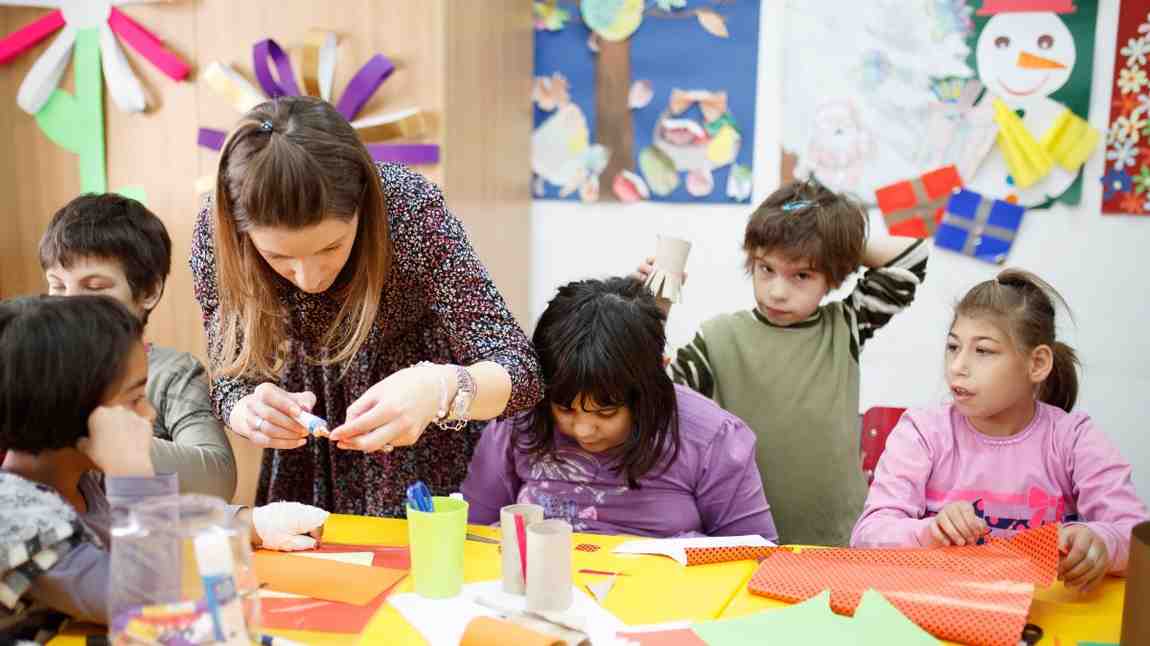
Non-Governmental Organizations (NGOs) play a pivotal role in addressing these challenges by providing education, healthcare, legal support, and advocacy to safeguard children’s rights.
These organizations work tirelessly to implement innovative programs, collaborate with communities, and influence policy to ensure every child’s well-being.
This blog highlights the top 10 Child Rights NGOs in India, concluding with the significant contribution of Unessa Foundation in fostering inclusive and supportive environments for young lives across diverse regions.
Top 10 Child Rights NGOs in India
01
CRY (Child Rights and You)
Focus: CRY works to ensure happier childhoods by addressing child labor, education, and health across 19 states.
Why it matters
CRY’s work matters because it tackles the root causes that deny children their basic rights—child labor, lack of education, and poor healthcare—ensuring millions of children get equal opportunities for a healthy and secure future.
02
Save the Children India (Bal Raksha Bharat)
Focus: This child protection NGO focuses on child safety, education, and nutrition, impacting over 12.4 million children.
Why it matters
Save the Children’s interventions are crucial as they protect children from abuse, malnutrition, and exploitation while giving them access to education and emergency support, transforming vulnerable childhoods into safer and brighter ones.
03
Pratham
Focus: Pratham, a leading child education NGO, provides quality education to underprivileged children in 23 states.
Why it matters
Pratham matters because it bridges India’s learning gaps by making quality education accessible to underserved communities, helping children build strong foundational skills that shape long-term success.
04
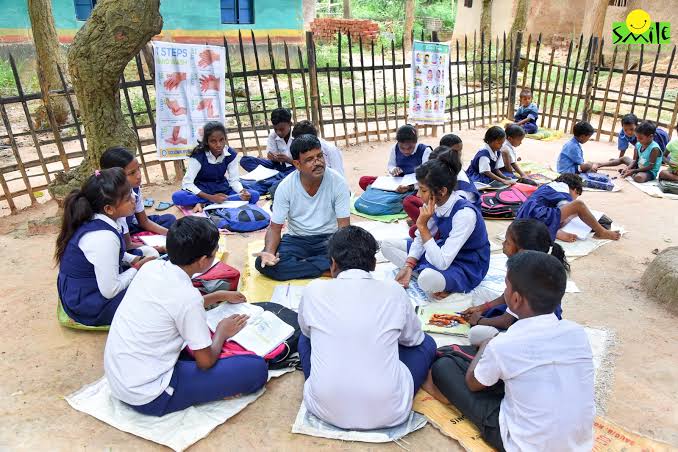
Smile Foundation
Focus: Smile Foundation empowers children through education, healthcare, and livelihood as a child welfare NGO in 25 states.
Why it matters
Smile Foundation’s work is vital as it addresses the interconnected needs of children—education, healthcare, and livelihood—helping families break the cycle of poverty and empowering children toward a better future.
05
Nanhi Kali
Focus: Nanhi Kali supports the education of underprivileged girls, reaching over 500,000 girls as a child education NGO.
Why it matters
Nanhi Kali matters because it ensures underprivileged girls receive continuous education and support, playing a critical role in reducing gender inequality and empowering the next generation of women.
06
Childline India Foundation
Focus: Operating the 1098 helpline, this child protection NGO offers emergency support and protection to children in need.
Why it matters
Childline India matters because its 1098 emergency helpline is often the only lifeline for children in distress, providing immediate rescue, protection, and counseling to safeguard their lives and rights.
07
Butterflies India
Focus: Butterflies empowers vulnerable children through education and skill development as a child welfare NGO.
Why it matters
Butterflies matters because it equips vulnerable street and working children with education, life skills, and financial literacy, helping them regain control over their lives with dignity and independence.
08
Udayan Care
Focus: Udayan Care nurtures disadvantaged children with foster care and counseling as a child protection NGO.
Why it matters
Udayan Care matters because it provides long-term care, emotional support, mentorship, and family-based alternatives for disadvantaged children, ensuring holistic development and healing from trauma.
09
World Vision India
Focus: This child welfare NGO improves child well-being through health, education, and community support.
Why it matters
World Vision India matters because it improves child well-being by addressing nutrition, education, health care, and community empowerment, creating sustainable, long-term positive change for children and families.
10
Unessa Foundation
Unessa Foundation promotes child rights through education, protection, and empowerment via its Unessa Foundation child rights projects.
Key Strengths:
- Holistic Child Rights Approach
- Community-Driven Programs
- Innovative Child Rights Projects
- Youth & Volunteer Engagement
Why These NGOs Matter: Tangible Impact
India’s children face numerous challenges, including poverty, exploitation, inadequate schooling, and health disparities, especially in marginalized communities and conflict zones.
Safety & Protection
The child rights NGOs India and NGOs for child welfare highlighted here are driving transformative change by providing protection and ensuring every child has a fair start in life.
Economic Independence
These organizations support children and families by addressing issues linked to poverty and inadequate access to basic services, helping reduce the vulnerabilities that limit children’s opportunities.
Leadership & Advocacy
These child protection organizations India collaborate with governments and local bodies to implement sustainable solutions, such as mobile schools and nutrition programs, reaching remote villages and urban slums.
Unessa Foundation child support complements these efforts, integrating child rights into its humanitarian mission, creating an ecosystem where young lives are nurtured, protected, and empowered with access to resources and opportunities tailored to their needs.
Conclusion
In 2026, Child Rights NGOs in India are more than just organizations—they’re a movement empowering children and communities. Through education, protection, and advocacy, these NGOs, including Unessa Foundation, are helping children break free from adversity—such as poverty, exploitation, and lack of resources—and build lives of opportunity. By overcoming challenges like inadequate infrastructure and social stigma, and leveraging government-funded programs, you can contribute to a future full of promise. These efforts not only uplift individual lives but also strengthen the social fabric of India. Start small—start today.
To explore the purpose, impact, and role of NGOs in society, check out our comprehensive guide at Unessa Foundation’s Understanding NGOs.
FAQs
What do Child Rights NGOs in India do?
They protect children from abuse, provide education, healthcare, and nutrition, and advocate for policies supporting child welfare.
Which areas do these NGOs focus on most?
Key areas include child protection, education, healthcare, skill development, and combating child labor and trafficking.
How does Unessa Foundation help children?
Unessa Foundation implements community-driven programs, education initiatives, and protection projects to empower and safeguard children across India.
How can I support these NGOs?
You can contribute through donations, volunteering, spreading awareness, or funding educational and healthcare initiatives for children.
Why are Child Rights NGOs important in India?
They provide safety, education, and opportunities for children, especially in marginalized communities, helping break cycles of poverty and exploitation.
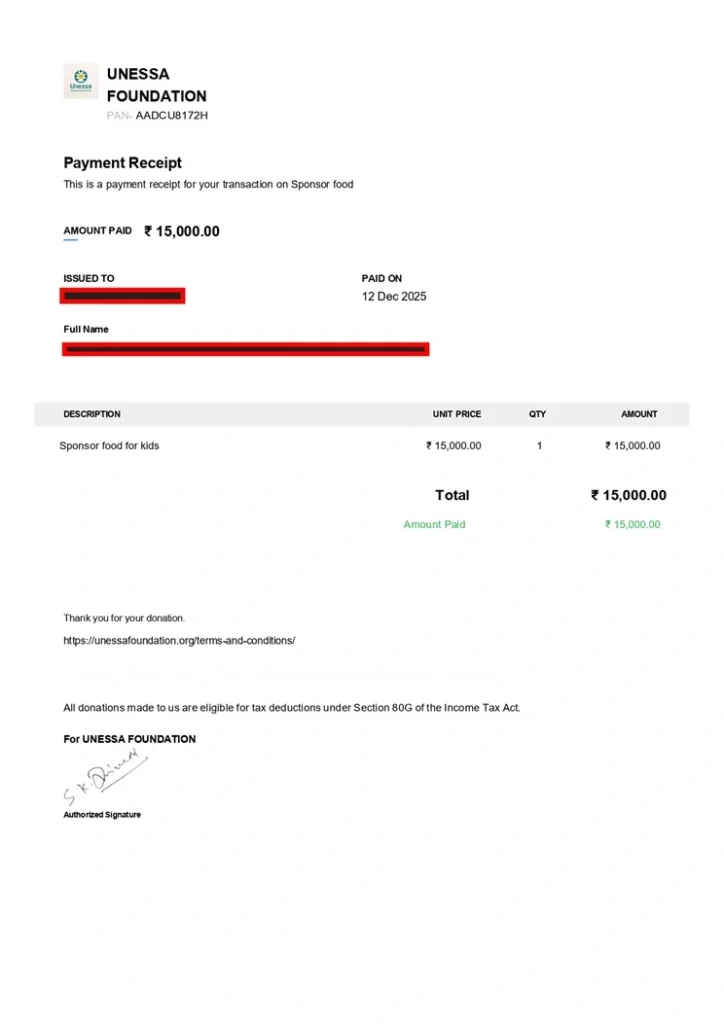
Your contribution directly funds Educational material ,Training Sessions,Health camps,safe space for vulnerable children.
Your donation helps us fund:
- Educational materials for schools
- Training sessions for child caregivers
- Health camps and protection initiatives
- Safe spaces for vulnerable children
Even a small monthly contribution can fund books, healthcare, or safe havens for multiple children.