

Introduction: Why NGO Verification in India Is Essential
India has one of the largest NGO landscapes in the world, with millions of organizations working across social, environmental, and humanitarian sectors. But the unfortunate truth is this:
 Not all NGOs in India are genuine, compliant, or transparent.
Many lack proper registration, tax certifications, audited accounts, or real on-ground impact.
And some are completely fraudulent.
This makes NGO verification a critical step for:
- Individual donors
- CSR teams
- Philanthropists
- Corporate foundations
- Volunteers
- Community groups
Before supporting any NGO, you must confirm legal registration, compliance, transparency, financial integrity, and proven impact.
This detailed guide gives you a step-by-step framework to How to verify any NGO in India, using the same standards followed by leading organizations like Unessa Foundation.
What Does "Verified NGO" Mean in India?
A Verified NGO is an organization that meets all legal, tax, financial, operational, and transparency standards required under Indian law and global best practices.
It must have:
- Valid Trust/Society/Section 8 registration
- Updated 80G & 12A certifications
- Transparent financials
- PAN & bank verification
- Documented field impactPublic accountability
Only such NGOs can be considered safe and reliable for donations.
Step-by-Step Guide: How to Verify Any NGO in India
Below is the complete due-diligence checklist, built on legal requirements and donor safety guidelines.
1. Check Legal Registration Type
Every genuine NGO in India is registered under one of the following:
Registration Type
Act
Purpose
Trust
Indian Trusts Act, 1882
Charity, welfare, community work
Society
Societies Registration Act, 1860
Education, culture, community groups
Section 8 Company
Companies Act, 2013
Non-profit with corporate-style governance
Ask for:
- Registration Certificate
- Trust Deed / MoA & AoA
- Registration number
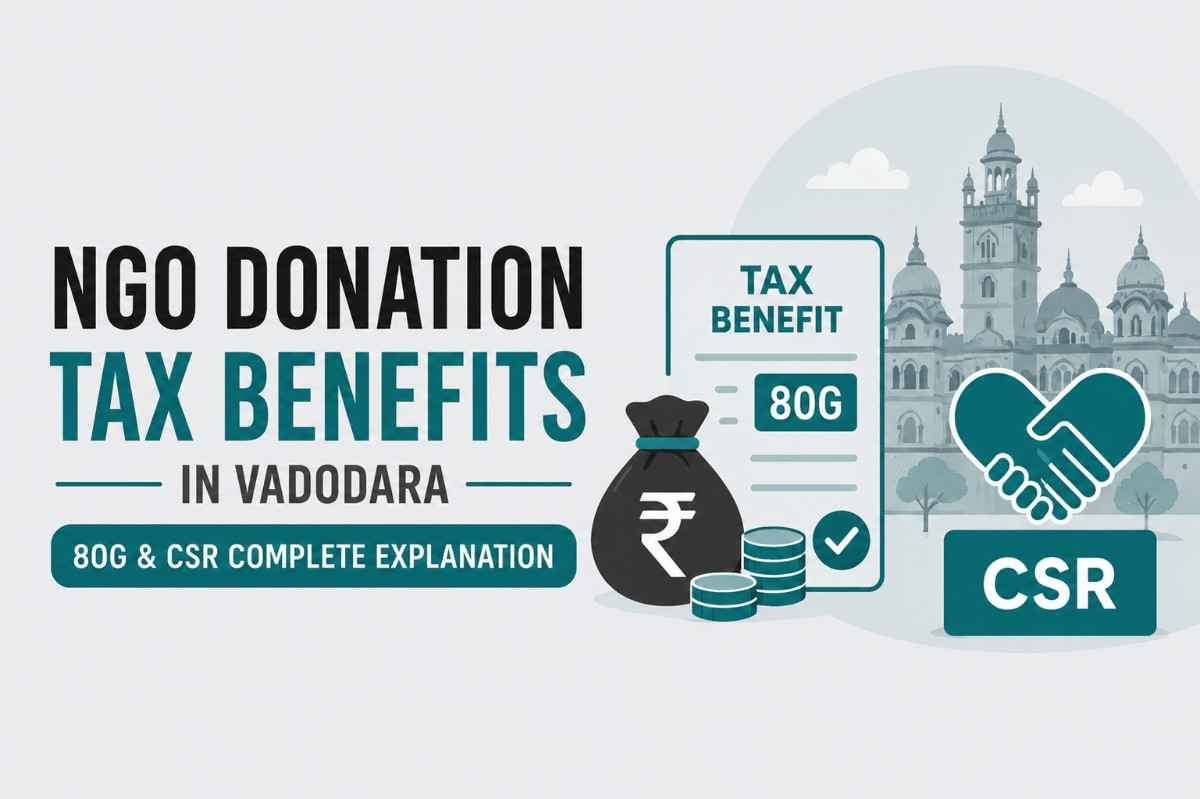
2. Verify 80G Certificate (Tax Benefit for Donors)
A valid 80G certificate enables donors to claim tax deductions for contributions.
- Check if 80G certificate is current, not expired
- Ask for registration number and effective date
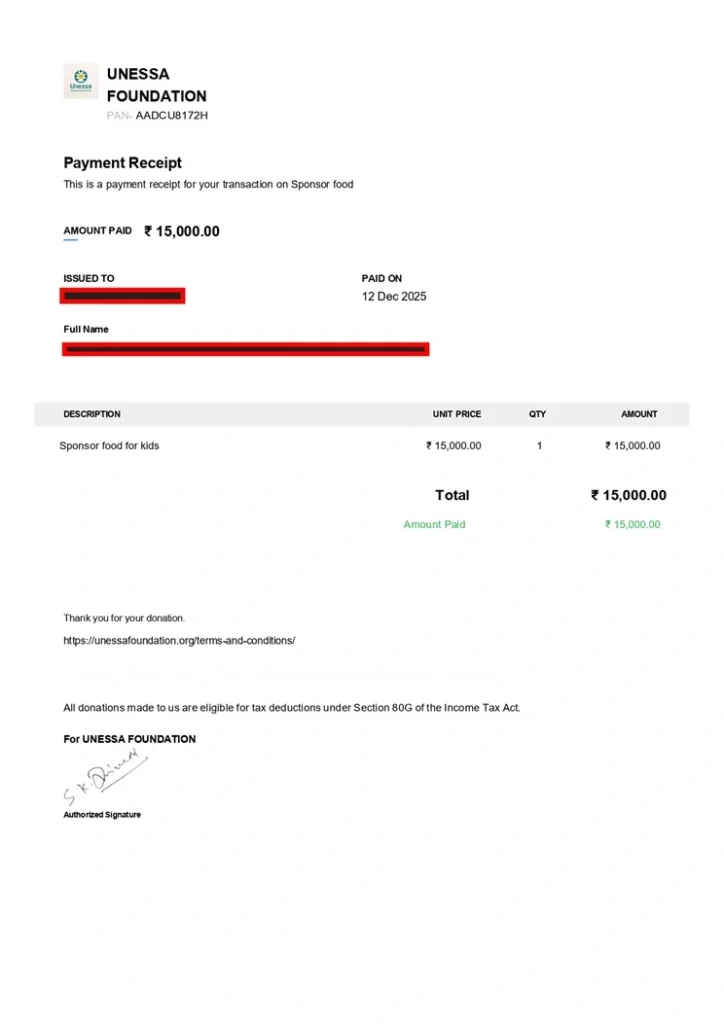
- Confirm that receipt contains 80G reference number
Why it matters:
Without 80G, the NGO cannot legally provide tax benefits.
3. Verify 12A Certificate (Essential for NGO’s Tax Exemption)
12A is mandatory for NGOs to receive tax-free income.
Ask for:
- 12A Registration certificate
- Renewal documents (post 2021 changes)
Without 12A, donations received may be taxable, indicating compliance problems.
4. Verify PAN Number (NGO’s Permanent Account Number)
A genuine NGO has a PAN card in the NGO’s name, not an individual’s name.
This ensures:
- Legal credibility
- Financial accountability
Traceable transactions
5. Confirm Bank Account Name & Details
The NGO must have a bank account in the organization’s legal name.
 NGOs asking donors to send money to personal bank accounts or personal UPI IDs.
6. Confirm Their Presence on Official Government Portals
You can verify NGOs using:
Shows:
- Registration details
- Key people
- Sectors
- Activities
Shows:
- Validity of 80G
- 12A status
7. Verify Physical / Operational Presence
A real NGO should have:
- Physical office
- Field team
- Verified contact details
- Working phone number
Scam NGOs usually have no real address.
8. Look for Impact Evidence (MOST IMPORTANT)
Ask for:
- Photos
- Videos
- Distribution records
- Impact reports
- Annual reports
A verified NGO documents everything.
9. Check for Beneficiary Testimonials
Testimonials from real beneficiaries or volunteers increase credibility.
10. Look for Public Transparency
Authentic NGOs provide:
- Donation receipts
- 80G receipts
- Quarterly updates
- Annual financial reports
11. Evaluate Online Presence
A verified NGO typically has:
- Website
- Social media presence
- Regular updates
Verified communication channels
12. Ask for Governance Structure
Trustees, directors, volunteers, and their roles must be public.
Verified vs Partially Verified vs Non-Verified NGOs in India
Comparison Table:
Criteria
✅VERIFIED NGO
🟡PARTIALLY VERIFIED NGO
🔴NON-VERIFIED NGO
Legal Registration
✔
⚠ Partial
❌ None
80G & 12A Status
✔ Valid
⚠ Pending/Expired
❌ Not available
Transparency
High
Medium
None
Impact Proof
Strong
Inconsistent
None
Receipts
Formal
Basic
None
Contact Details
Clear
Limited
Fake/Unknown
Donor Safety
High
Moderate
Low
Learn More About this
Why Verified NGOs Are Safer
Verified NGOs ensure:
- Legal compliance
- Financial transparency
- Ethical practices
- Structured programs
- Accountability
- Donor protection
- Auditable documentation
The Risks of Donating to Non-Verified NGOs
- Funds may be misused
- No receipts
- No tax benefit
- No real beneficiaries helped
- Fake documentation
- Data privacy risk
- Damage to donor reputation (for corporates)
Why Unessa Foundation Is a Model Verified NGO in India
Unessa Foundation holds:
- Verified 80G & 12A
- Complete legal compliance
- PAN & bank transparency
- Documented real impact
- Fully traceable donation process
- Clear receipts and acknowledgments
- Professional operations
- National donor trust
Unessa is the gold standard of verified NGOs in India.
Donate Safely & Transparently — Choose Unessa Foundation (100% Verified NGO)
Quick 30-Second NGO Verification Checklist
- Registered under Trust/Society/Section 8
- Valid 80G & 12A
- PAN in NGO name
- Bank account in NGO name
- Published impact evidence
- Clear contact details
- Receipts for donations
- No personal UPI collections
- Website & social media presence
- Transparent reporting
- Real testimonials
- Ethical communication
If any of these are missing → donate with caution.
Frequently Asked Questions
1. How can I verify an NGO in India?
Check registration documents, 80G/12A, PAN, bank details, impact evidence, and transparency indicators.
2. What is the safest type of NGO to donate to?
A verified NGO with complete legal compliance, transparency, and proven impact.
3. Are all registered NGOs legitimate?
No. Many registered NGOs are partially compliant or non-operational.
4. What documents should an NGO provide to donors?
80G receipt, donation receipt, PAN, registration certificate, impact report.
5. Why is Unessa Foundation trusted nationwide?
Because Unessa meets 100% of India’s NGO verification standards, ensuring transparency and real impact.
How can I organize a blanket donation drive with a Vadodara NGO?
Collaborate early, set collection points, promote widely, join distribution.
How to find affordable blankets in Vadodara for large-scale donation?
Visit wholesale markets in Raopura, Mandvi, or online bulk stores.
How do Vadodara NGOs distribute winter supplies to slum and street communities?
Ground surveys, lists, night drives, kit distribution.
Can I donate used blankets and winter clothes?
Yes, if clean and usable.
Is there any NGO that collects blankets from home?
Yes, many NGOs offer pickup during peak winter months. Contact Unessa Foundation for free pickup.
Want a safe, transparent, impact-driven donation experience?
Donate through Unessa Foundation — India’s Verified NGO Leader.