
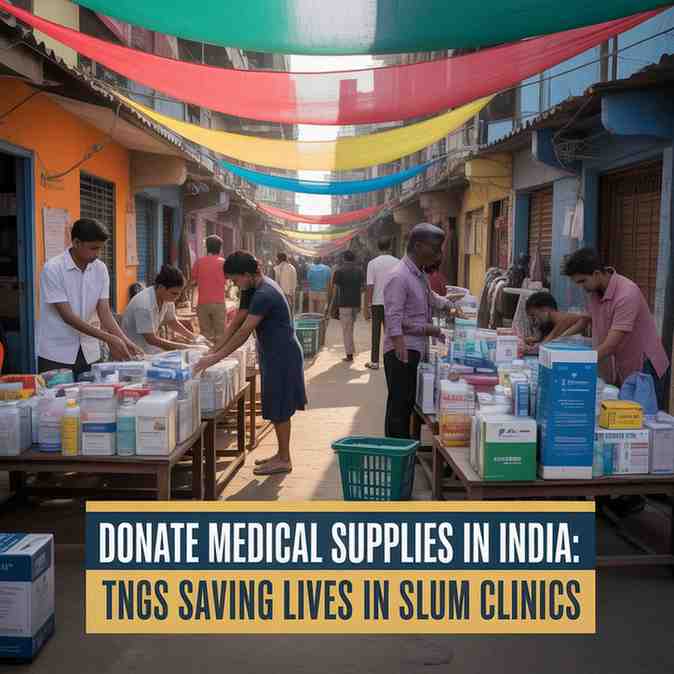
India’s Healthcare Reality: When Small Illnesses Turn Fatal
For millions of families living in urban slums, low-income colonies, and informal settlements, basic medical access is fragile because essential supplies are missing at the right moment.
Ground-level NGO and hospital data (2024–25) highlights a harsh truth:
- Over 60% of low-income families delay treatment due to the inability to afford basic medicines
- Government dispensaries and charitable clinics run out of cotton, ORS, antiseptics, and pain relief medicines weekly, especially during monsoons
- Emergency hospital admissions rise by 35–40% when first-aid and early medication is unavailable
In these moments, donating medical supplies in India becomes the fastest form of life support.
What One Medical Donation Can Do
A ₹600 first-aid and medical kit can:
- Support 50+ patients in a slum clinic
- Stabilize dehydration during heatwaves or monsoons
- Prevent minor injuries from becoming infected
- Reduce unnecessary hospital rush and costs
According to NGO health audits, timely access to basic medicines prevents hundreds of avoidable deaths every year across urban and semi-urban India.
1 Medical Kit ₹600 | Support 50+ Patients
From Charity to Critical Care: How Medical Donations Save Lives Early
Medical donations are often misunderstood as charity. In reality, they act as first responders.
Real-World Impact
In 2024–25, NGO-supported medical distribution programs recorded:
- 40% reduction in emergency hospital admissions
- Faster recovery in fever, dehydration, infections, and injuries
- Improved maternal and elderly care in slum clusters
- Lower mortality during heatwaves and monsoons
Medical donations reach before ambulances do—especially in narrow lanes, construction sites, and migrant settlements.
What Medical Supplies Can You Donate in India?
Most verified NGOs accept only safe, usable, and unexpired medical items to ensure patient safety.
Commonly Accepted Medical Donations
- Basic First-Aid Items
Bandages, cotton, gauze, micropore tape, antiseptics (Dettol, Betadine) - Essential Medicines
Paracetamol, ORS, glucose, antacids, cough syrups (sealed, unexpired) - Protective & Disposable Supplies
Masks, gloves, syringes, IV sets - Medical Equipment (Working Condition)
BP machines, glucometers, nebulizers
🔒 Important:
No expired medicines, no loose tablets, and no Schedule X drugs are accepted.
📊Comparison: Top NGOs for Donate Medical Supplies In India(2026)
NGO Name
Best For
Accepted Items
Free Pickup
Cost per Kit
Unessa Foundation
Slum clinics & cancer care
Bandages, ORS, paracetamol, syringes
Yes (7 days)
₹600
Indian Red Cross
Disaster response & blood banks
Burn creams, eye drops, gloves
Yes
₹500
Rotary Club
Medical camps & PHCs
Bulk bandages, IV fluids, pediatric meds
Yes
₹3,000
Seva Charitable Trust
Rural/tribal clinics
General medicines, disposables
Scheduled
₹800
Top Reasons Small Illnesses Turn Fatal in India’s Healthcare System (2026)
Unessa Foundation – Slum Clinic Drives
Supplied 200+ clinics/old-age homes in 2024-25; cancer focus.
Accepted Items
- Bandages, cotton, Dettol, Betadine
- Paracetamol, ORS, antacids, syrups
- Masks, gloves, syringes, BP machines
Guidelines
Sealed, no expiry/Schedule X, original packs.
Contact
+91 63631 98779 |
Pickup
7 days, citywide.
Indian Red Cross Society – Disaster Response
24/7 blood banks, 50+ dispensaries.
Accepted Items
- Burn creams
- eye drops
- surgical gloves
- antibiotics
Guidelines
Sealed, unexpired.
Contact
Red Cross Bhavan, Raopura | +91-265-2423695 | ircsvadodara@gmail.com
Rotary Club– Health Camps
Mega eye/cardiac camps, PHC stocks.
Accepted Items
- Bulk bandages
- IV fluids
- pediatric meds
Guidelines
Bulk, sealed.
Contact
Facebook @rotaryclubofbaroda
Seva Charitable Trust & Baroda Citizens Council
Tribal/slum peripherals like Waghodia.
Accepted Items
- General meds
- disposables
Guidelines
Usable, sealed.
Contact
GiveIndia coordinators.

For corporates and pharmacies, NGOs also provide CSR documentation and utilization reports.
Comparison: Medical Donation Impact by Type
Donation Type
Approx. Cost
Primary Impact
First-Aid Kit
₹600
Supports 50+ patients
Emergency Medical Box
₹500
Family-level crisis care
Rural Clinic Stock
₹800
1 week of clinic operations
One Small Kit. One Big Difference.
A family without medicine waits in fear.
A family with basic supplies survives.
In 2026, donating medical supplies in India is not optional kindness—it’s critical care delivered on time.
Ready to Donate?
✔ Choose a verified NGO
✔ Donate medicines or sponsor kits
✔ Schedule pickup
✔ Save lives before emergencies escalate
Medical donations are not charity.
They are healthcare reaching first.
One Kit. One Community. Many Lives. ₹600
FAQs: Medical Supplies Donation in India (2026)
What condition should medicines be in?
Sealed, unexpired (minimum 6 months), original packaging.
Do NGOs offer free pickup?
Yes, in major cities; scheduled pickups elsewhere.
Can pharmacies donate surplus stock?
Yes. Bulk donations are accepted with documentation.
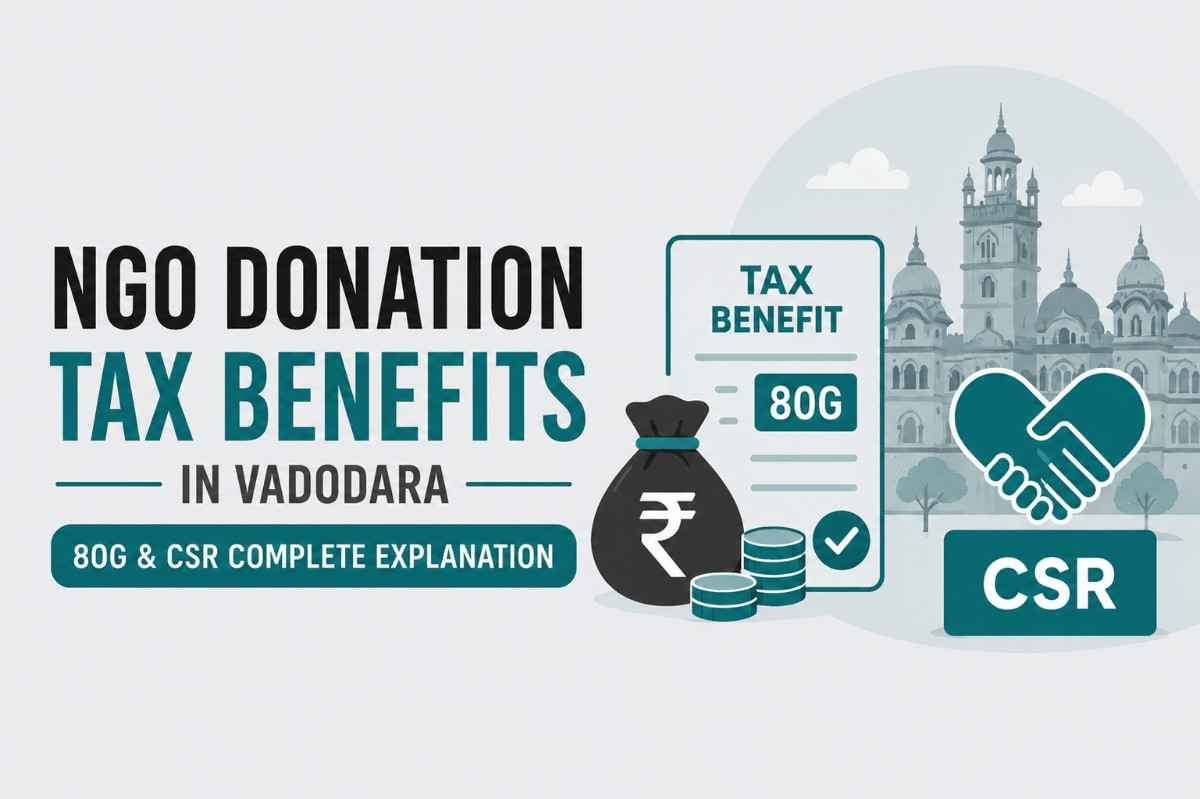
Are donations tax-deductible?
Yes. Eligible under 80G for certified NGOs.
What is the impact of one kit?
Supports up to 50 patients and reduces emergency admissions by up to 40%.
Can I donate medical supplies in Vadodara city?
Vadodara is home to thousands of underprivileged families living in urban slums, migrant settlements, and low-income communities across areas like Jetalpur, Waghodia Road, Gotri, Sama, Makarpura, Manjalpur, Karelibaug, and Ajwa Road.
In these local communities, slum clinics and outreach health centres often face shortages of essential medicines and basic medical supplies, making donations critical for timely treatment and lifesaving care.
How to Donate Medical Supplies Locally in Vadodara
If you are based in Vadodara city or nearby areas, donating medical supplies is easy, safe, and life-saving.
Local Donation Options Available
• Free pickup within Vadodara (selected NGOs)
• Drop-off support at NGO clinics
One Small Kit. One Big Difference.
In 2026, donating medical supplies in India is not optional kindness—it’s critical care delivered on time.
₹600 can equip one community with basic medical care when illness strikes.