

Education is a powerful tool for poor children s future. However, for millions of underprivileged children around the world, access to quality education remains a distant dream. Despite global efforts, numerous barriers continue to prevent children from attending school, completing their education, and achieving their full potential.
Understanding these barriers is the first step toward solving them. More importantly, identifying practical solutions can help individuals, communities, and organizations work together to ensure that every child has access to education.
In this article, we explore the biggest barriers to education for underprivileged children and actionable ways to overcome them.
Why Education Access Still Remains a Challenge
Although governments and organizations have made progress in improving education systems, inequality persists. Children from low-income families, rural areas, and marginalized communities often face obstacles that others do not.
These barriers are not just financial—they are social, cultural, and structural. This shows how education acts as a powerful tool for poor childrens future. Addressing them requires a comprehensive and collaborative approach.
1. Poverty and Financial Constraints
The Barrier
Poverty is the most significant obstacle to education. Families struggling to meet basic needs often cannot afford:
- School fees
- Uniforms
- Books and supplies
- Transportation
In such situations, education becomes a secondary priority.
The Solution
- Provide scholarships and financial aid
- Offer free or subsidized education
- Distribute school supplies
- Introduce mid-day meal programs
Impact:
Reducing financial burden encourages families to send their children to school and keep them enrolled.
2. Child Labor
The Barrier
Many underprivileged children are forced to work to support their families. This leaves little or no time for education.
Common forms of child labor include:
- Agricultural work
- Domestic labor
- Factory jobs
The Solution
- Enforce child labor laws
- Provide financial support to families
- Create flexible schooling options
- Raise awareness about the importance of education
Impact:
When families are supported financially, children can focus on learning instead of working.
3. Lack of Access to Schools
The Barrier
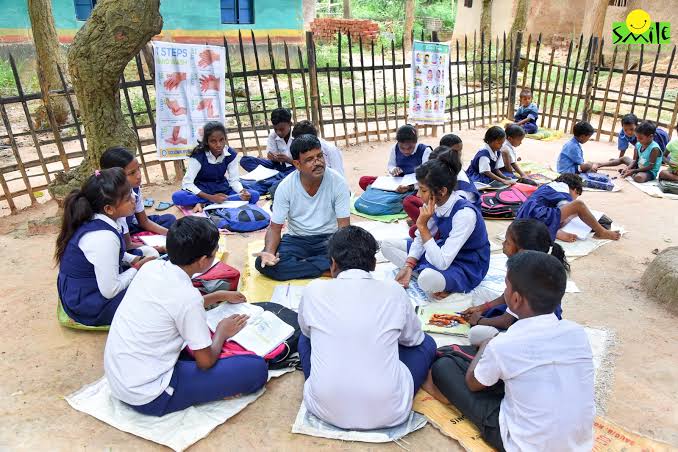
In rural and remote areas, schools may be:
- Too far away
- Poorly equipped
- Non-existent
Children often have to travel long distances, which discourages attendance.
The Solution
- Build schools in underserved areas
- Provide transportation facilities
- Develop mobile and community schools
- Use digital learning platforms
Impact:
Improved access increases enrollment and attendance rates.
4. Gender Discrimination
The Barrier
In many communities, girls face barriers such as:
- Early marriage
- Household responsibilities
- Cultural norms discouraging education
The Solution
- Promote gender equality awareness
- Provide scholarships for girls
- Ensure safe school environments
- Encourage female education campaigns
Impact:
Educating girls leads to healthier families, stronger economies, and empowered communities.
5. Poor Infrastructure and Facilities
The Barrier
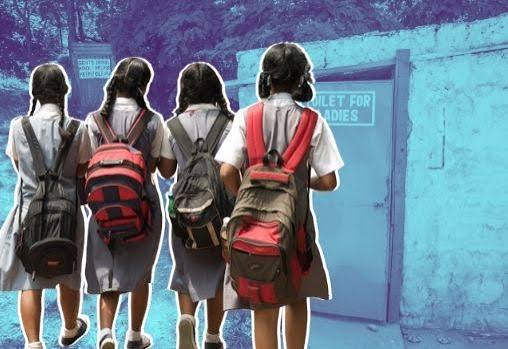
Many schools lack basic facilities such as:
- Clean classrooms
- Toilets and sanitation
- Electricity
- Learning materials
This creates an unsuitable learning environment.
The Solution
- Invest in school infrastructure
- Provide sanitation facilities
- Ensure access to clean water
- Supply necessary teaching materials
Impact:
A better learning environment improves student engagement and performance.
6. Lack of Qualified Teachers
The Barrier
Many underprivileged areas suffer from a shortage of trained teachers. This leads to:
- Poor quality education
- Lack of guidance
- Low student motivation
The Solution
- Train and recruit qualified teachers
- Provide incentives for teaching in rural areas
- Use digital teaching tools and platforms
- Offer continuous teacher development programs
Impact:
Quality teaching enhances learning outcomes and student success.
7. Language and Cultural Barriers
The Barrier
Children from diverse linguistic and cultural backgrounds may struggle to understand the language of instruction.
The Solution
- Use local languages in early education
- Develop culturally inclusive curriculum
- Train teachers in multilingual education
Impact:
Children learn better when education is relatable and understandable.
8. Lack of Awareness About Education
The Barrier
Some parents may not understand the importance of education or may prioritize work over schooling.
The Solution
- Conduct awareness campaigns
- Engage community leaders
- Share success stories
- Educate parents about long-term benefits
Impact:
Changing mindsets leads to increased school enrollment and retention.
9. Health and Nutrition Issues
The Barrier
Poor health and malnutrition can affect a child’s ability to attend and perform in school.
The Solution
- Provide school meal programs
- Ensure access to healthcare services
- Conduct health awareness programs
Impact:
Healthy children are more likely to attend school and perform well academically
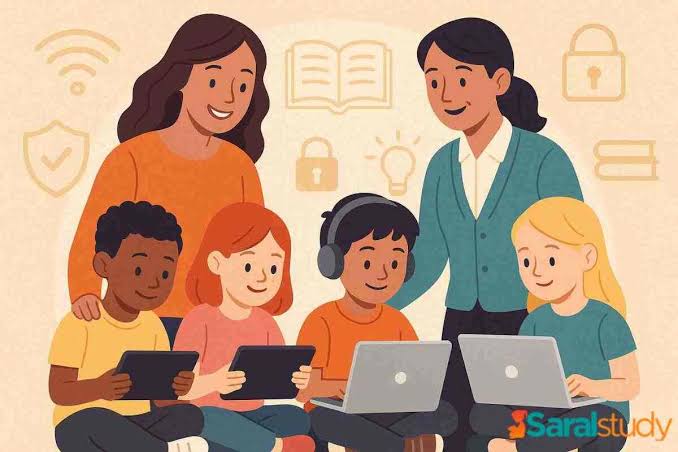
10. Digital Divide
The Barrier
In the modern world, access to digital tools is essential. However, many underprivileged children lack:
- Internet access
- Computers or smartphones
- Digital literacy
The Solution
- Provide affordable digital devices
- Set up community digital centers
- Offer free online learning resources
- Train students in digital skills
Impact:
Bridging the digital gap opens access to global knowledge and opportunities.
The Role of Government and NGOs
Governments and NGOs play a crucial role in overcoming these barriers by:
- Implementing education policies
- Funding schools and programs
- Providing scholarships
- Running awareness campaigns
Collaboration between public and private sectors is essential for sustainable change.
How Individuals Can Help
You don’t need to be an organization to make a difference. Individuals can contribute by:
- Donating to education programs
- Sponsoring a child
- Volunteering as a tutor
- Donating books and materials
- Raising awareness
Every small effort contributes to a larger impact.
Real-Life Impact of Overcoming Barriers
- A rural child gains access to education and becomes a professional
- A girl continues her studies and avoids early marriage
- A community improves literacy rates through awareness programs
These examples show that overcoming barriers is possible with the right support.
Long-Term Benefits of Solving Education Barriers
Addressing these challenges leads to:
- Reduced poverty
- Economic growth
- Social equality
- Improved quality of life
Education is not just an individual benefit—it is a societal investment.
Conclusion
We must support this powerful tool for poor childrens future. The barriers to education for underprivileged children are complex but not impossible to overcome. With collective effort from governments, organizations, and individuals, we can create a world where every child has access to quality education.
By identifying these challenges and implementing practical solutions, we take a step closer to a future where no child is left behind.
Education is not just a right—it is the key to unlocking a better tomorrow.
Frequently Asked Questions (FAQs)
What are the biggest barriers to education for underprivileged children?
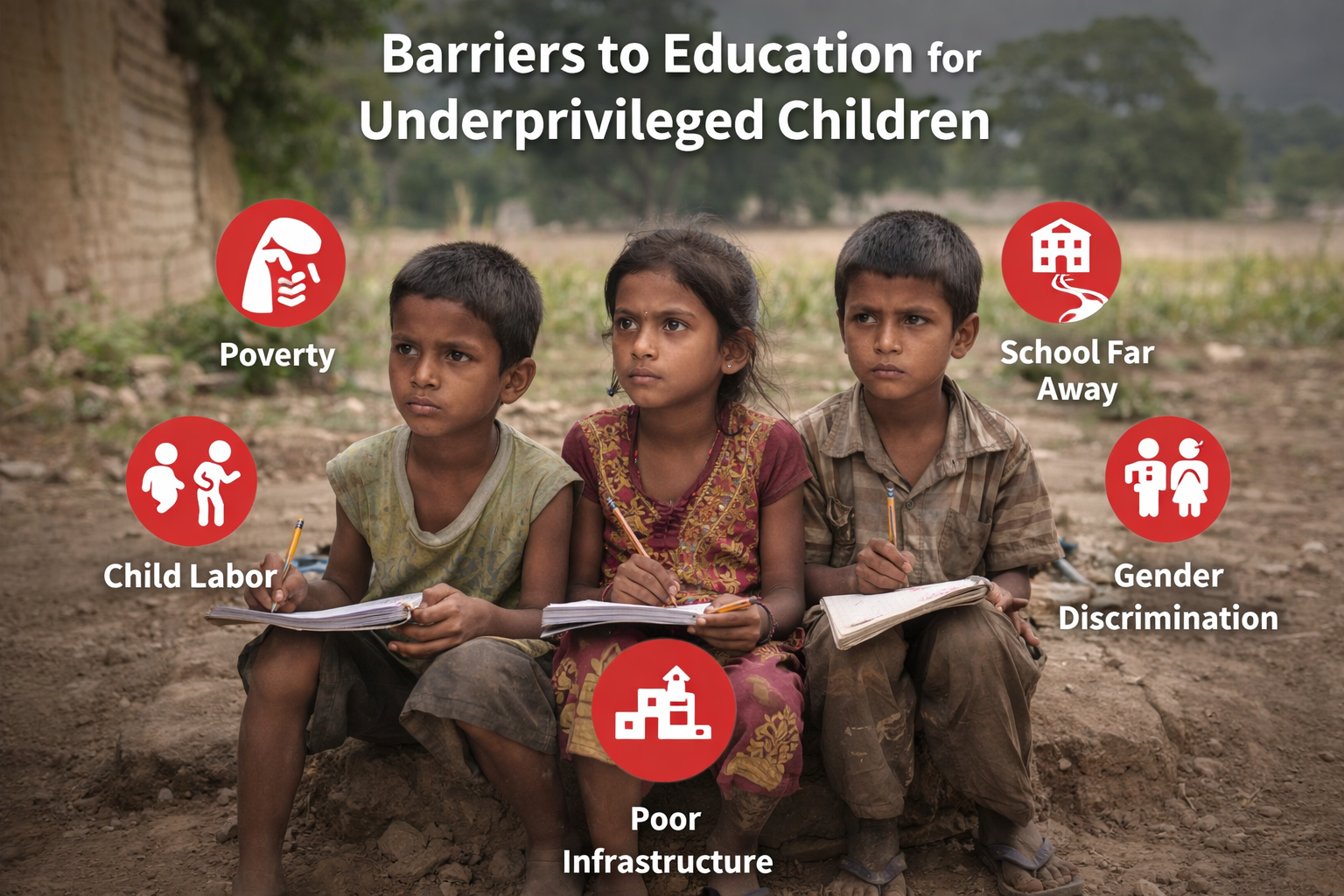
The main barriers include poverty, child labor, lack of schools, gender discrimination, and poor infrastructure.
How does poverty affect education?
Poverty limits access to school fees, supplies, and transportation, leading to higher dropout rates.
What is the role of NGOs in education?
NGOs provide funding, build schools, train teachers, and run awareness programs.
How can child labor be reduced?
By enforcing laws, providing financial support to families, and promoting education awareness.
Why is educating girls important?
It promotes gender equality, improves health, and boosts economic growth.
How does the digital divide impact education?
It limits access to online learning and modern educational resources.
What can individuals do to help?
They can donate, volunteer, sponsor children, and raise awareness.
How does infrastructure affect education?
Poor facilities discourage attendance and reduce learning quality.
What is the importance of teacher quality?
Qualified teachers improve understanding, motivation, and academic performance.
What impact does sponsorship have?
It reduces poverty, improves quality of life, and strengthens communities.