


How to Identify If an NGO Is Genuine: Your Definitive Guide
The Moment That Made Me Stop, Think, and Google
I’ll never forget that phone call in 2022 from what seemed like a legitimate “children’s charity.” The voice on the other end was warm, the story urgent, and the cause helping orphaned kids tugged at my heart. But when they pushed for an immediate cash donation, something felt off. My gut screamed, Wait a second. That night, I hit Google hard: How to identify if an NGO is genuine in India? What I found chilled me: stories of fake NGOs pocketing donations meant for kids, schools, even animals.
One case in Delhi involved a fake shelter mimicking a well-known animal welfare NGO to scam donors. If scammers target animals, imagine what they’d do with children’s charities. That moment sent me on a mission to learn how to spot a trustworthy NGO. In this guide, I’ll share five rock-solid steps to verify an NGO’s legitimacy before you donate, volunteer, or give your time. I’ll weave in what I’ve learned, highlight how genuine NGOs like Unessa Foundation stand out, and arm you with tools to avoid scams.
Let’s dive in and make sure your kindness reaches the right hands.
Step 1: Deep-Search Their Online Presence
If an NGO barely exists online, it’s a red flag. Legitimate organizations have a digital footprint that’s consistent, active, and transparent. Here’s what to look for:
- A Professional Website: Check for a clear mission statement, history, team details, and real photos of their work. The site should feel alive, not like a placeholder.
- Active Social Media: Look for regular posts on platforms like Instagram, X, or Facebook, with genuine comments and engagement. Stale accounts or bot-like followers are suspect.
- External Mentions: Search for news articles, watchdog listings, or reviews on platforms like GuideStar India or Credibility Alliance. Genuine NGOs often appear in credible reports or media.
A Reddit user summed it up well: “The easiest way to check an NGO is if you can volunteer with them first. A good one will happily work things out with you”.
Unessa Foundation, for example, shines here. Their website is packed with donor stories, videos of kids receiving school supplies, and active social media with real-time updates. That’s the gold standard—open, engaging, and verifiable.
Step 2: Confirm Legal Registration and Tax Compliance
In India, a genuine NGO must be legally registered and compliant with tax laws. This isn’t just paperwork—it’s proof they’re accountable to the government and donors. Ask these questions:
- Is the NGO Registered? They should be registered under the Societies Registration Act, 1860, the Indian Trusts Act, 1882, or as a Section 8 Company under the Companies Act, 2013. Their registration certificate should be public or available on request.
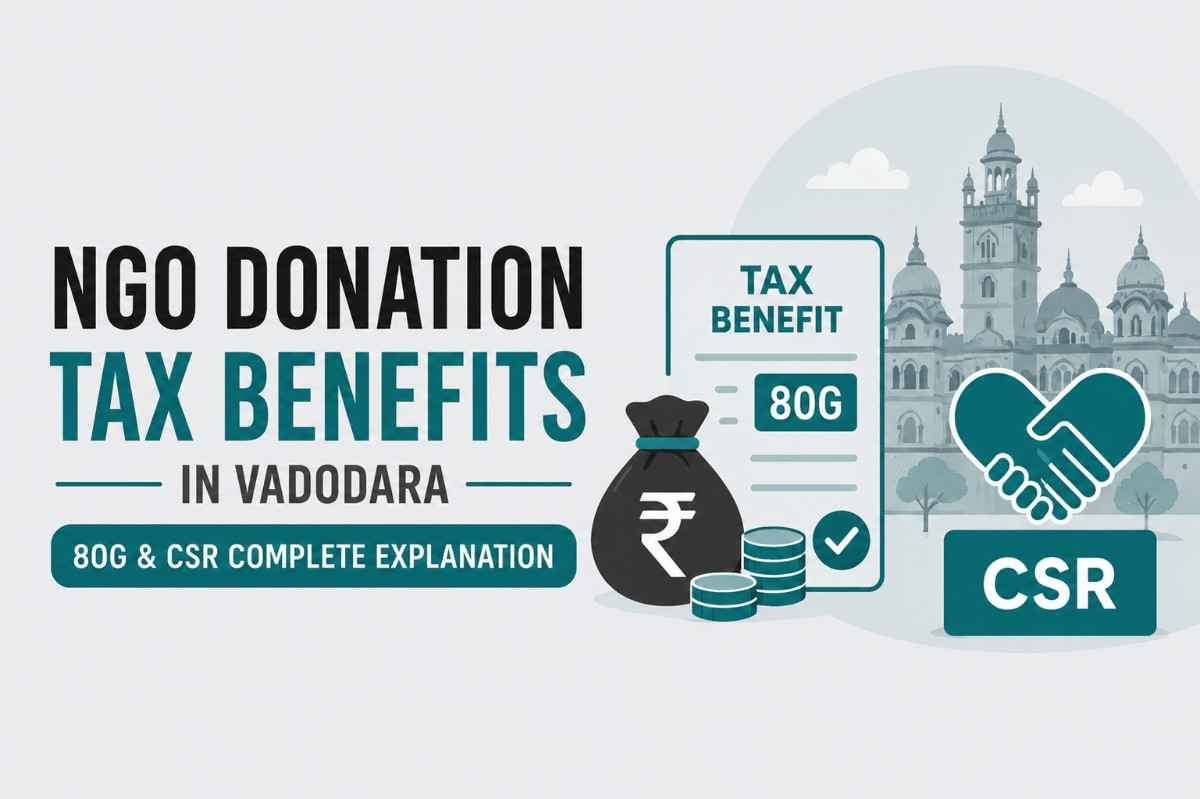
- Do They Have 12A and 80G Certificates? A 12A certificate exempts the NGO from income tax, while an 80G certificate lets donors claim tax deductions. These are signs of legitimacy under the Income Tax Act, 1961.
- Are They Listed on NGO Darpan? NGO Darpan, managed by NITI Aayog, is a government portal where NGOs register to get a unique ID. This ID is mandatory for government grants and often required for FCRA (Foreign Contribution Regulation Act) compliance (NGO Darpan, NPODARPAN ).
- Do They Have FCRA Registration? If they accept foreign donations, they must be registered under FCRA, 2010, with a dedicated FCRA bank account. Check their FCRA status on the Ministry of Home Affairs’ portal (FCRA Online Services ).
Vakilkaro’s checklist nails it: “Learn how to check through NGO registration, Section 8 company registration, and 12A/80G compliance checks” (Vakilkaro – Official, 2024). Unessa Foundation ticks every box—they display their registration details, 12A/80G certificates, NGO Darpan ID, and FCRA status clearly on their website. That transparency builds trust instantly.
Step 3: Verify Contact Information, Address, and Physical Site
A legitimate NGO welcomes scrutiny and makes it easy to connect. According to Auroveda Foundation, “A genuine NGO will put valid contact information, toll-free numbers, emails, and list their main branch address so people can pay a visit” (Empowering NGO | Auroveda Operating Foundation Charitable Trust, 2023). Kokan NGO adds that a physical office is a strong sign of authenticity (Kokan NGO India | Top 10 NGO in India, 2024). Here’s how to check:
- Test Their Contact Details: Call their listed phone number or email them. Do they respond promptly and professionally? Vague or delayed responses are a warning sign.
- Verify the Address: Use Google Maps to confirm their office exists. Better yet, ask if you can visit. Legit NGOs, like Unessa, encourage in-person visits to see their work.
- Check Consistency: Ensure their address, phone, and email match across their website, social media, and NGO Darpan listing. Discrepancies—like an address that’s just a PO box—raise concerns.
I once emailed an NGO to ask about volunteering, and they invited me to their Delhi office. Seeing kids learning in their classroom sealed my trust. Fraudsters, on the other hand, dodge visits or give excuses like “our office is under renovation.” If they’re cagey, walk away.
Step 4: Examine Governance, Leadership, and Transparency
A trustworthy NGO is open about who runs it and how they operate. Look for these markers:
Board Member Information: Their website should list board members, their bios, and their roles. This shows accountability. If it’s just vague names or no board at all, that’s a red flag.
Annual Reports and Financials: Legit NGOs publish audited financial statements or annual reports online. In India, check their NGO Darpan profile or FCRA filings for financial transparency (NPODARPAN,
FCRA Online Services).
Clear Mission and Impact: They should have a specific mission (e.g., “education for rural kids”) and share detailed updates photos, videos, or GPS-tagged proof of projects. International standards from Accountable Now stress transparency and stakeholder feedback (Home Page – Accountable Now, 2024).
Program Spending: Look at their financials to see how much goes to programs versus overhead. In India, NGOs typically aim for 70–80% on programs, though this varies (GuideStar India, 2023).
Unessa Foundation, for instance, shares annual reports, board bios, and breakdowns like “₹500 funds school books for one child.” Their donor updates include videos and GPS tags, showing exactly where your money goes. That’s transparency you can feel.
Step 5: Watch for Red Flags You Can’t Ignore
Some signs scream scam, and they’re not always subtle. Here’s what to watch for:
- High-Pressure Tactics: Calls or messages demanding instant donations, like “We need money now or kids will suffer!” Legit NGOs give you time to decide.
- Cash-Only Requests: Genuine NGOs accept bank transfers, cheques, or online payments for traceability. Cash is a scammer’s playground (Smile India Trust, Smile India Trust NGO working for children’s rights is shaping the future of underprivileged children, 2023).
- Thank-You for Non-Existent Donations: If you get a call thanking you for a donation you never made, it’s a classic trick to guilt you into paying (Auroveda Foundation, Empowering NGO | Auroveda Operating Foundation Charitable Trust, 2024).
- No Proof of Impact: If they can’t show photos, videos, or reports of their work, or if their “impact” is vague (“we help kids”), run. Real NGOs document everything.
- Recent Scandals: Search for news on the NGO. A 2023 case in Mumbai saw a fake NGO posing as a cancer charity, exposed by Hindustan Times for misusing donor funds. Google is your friend.
If you spot these, don’t just walk away, report them to the police or NGO Darpan’s helpdesk (ngo@india.gov.in).
Myth-Buster Sidebar: “Good Overhead = Bad NGO?”
You’ve probably heard, “If an NGO spends too much on overhead, it’s wasting money.” Not true. Running an NGO takes staff, offices, and tech, real costs for real impact. The key isn’t low overhead; it’s transparency about spending. NGO Monitor’s global data suggests overheads under 20% are reasonable, as long as most funds fuel programs. If an NGO like Unessa explains why ₹100 of your ₹500 donation covers logistics to deliver books, that’s accountability, not waste.
“Last month, I donated to an NGO, only to find out they had no 80G certificate. Thanks to guides like this, I know what to check now—lesson learned!”
—Ravi, Mumbai
Got a similar story? Share it in the comments—let’s help each other stay sharp.
Taking Action: What to Do After Verification
Once you’ve confirmed an NGO is legit, here’s how to engage safely:
- Donate Transparently: Use bank transfers or online platforms like Unessa’s website for a clear record. Avoid cash or untraceable apps.
- Volunteer or Visit: Many NGOs welcome hands-on help. Visiting their projects, like Unessa’s schools, lets you see the impact firsthand (Reddit, r/India, 2023).
- Ask for Proof of Impact: Request photos, letters, or GPS-tagged updates. Unessa sends videos of kids with your funded supplies—proof that hits home.
- Spread the Word: Share why you trust the NGO with friends. Post on X or WhatsApp to amplify their work responsibly.
Why I Trust Unessa Foundation
I almost skipped mentioning Unessa, but they’re a shining example of doing it right. Here’s why they’ve earned my trust:

- Full Compliance: They’re registered under the Societies Registration Act, have 12A/80G certificates, an NGO Darpan ID, and FCRA for foreign donations, all public on their site.
- Real-Time Impact: They share videos, GPS-tagged photos, and letters from kids. For my ₹1,000 donation, I got a video of a child with new books, thanking me by name.
- Donor Choice: You pick what your money funds—₹500 for books, ₹2,000 for uniforms, ₹5,000 for a year’s education. It feels personal.
- Heartfelt Updates: Their “thank you” moments, like kids waving in videos, make you feel connected, not just a wallet.
No NGO is perfect, but Unessa’s transparency and impact make them a standout. If you’re looking for a trustworthy cause, check out their “Celebrate with Purpose” program and support kids with confidence.
Conclusion: Your Kindness Deserves to Count
That uneasy call in 2022 taught me a hard lesson: not every NGO is what it seems. But with these five steps—checking their online presence, legal status, contact details, transparency, and red flags—you can ensure your donations, time, or volunteering make a real difference. In India’s vibrant NGO landscape, gems like Unessa Foundation show how trust and impact go hand in hand. Next time you feel that tug to give, pause, verify, and then give boldly. Your kindness deserves to change lives, not line a scammer’s pocket.
Have you ever checked an NGO’s credentials or spotted a scam? Share your story below or tag @UnessaFoundation on Instagram to spread the word about trusted causes!