
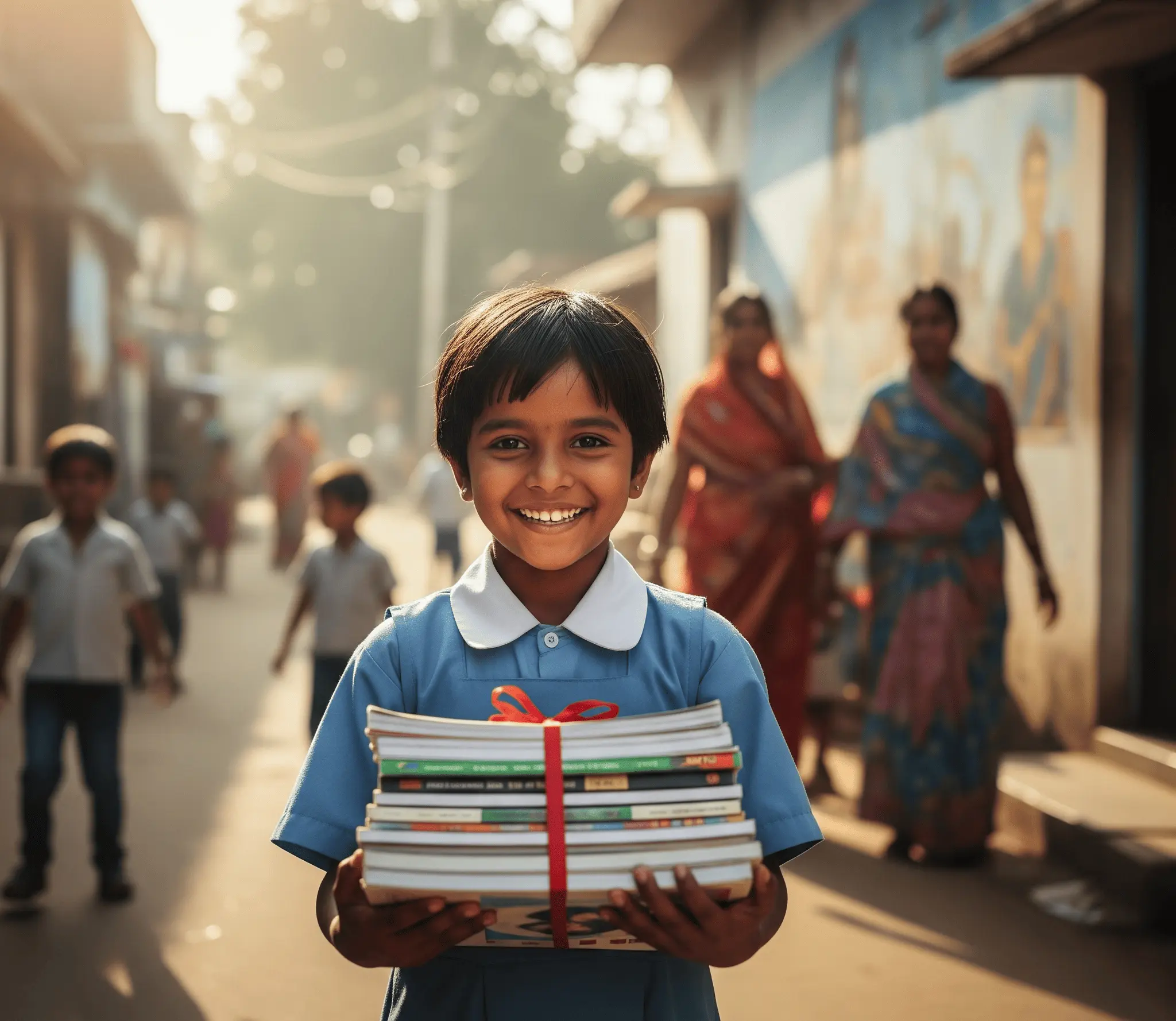
If you’re passionate about education for all in India, you’re in the right place. I stumbled upon a blog titled 7 Powerful Paths to Achieve Education for All in India, expecting dry stats, but it delivered a heartfelt narrative that reshaped my views on India’s education landscape. As a reader, I’ll share my reflections on its insights into NEP 2020 reforms, rural education challenges, Unessa Foundation’s impact, and practical ways to contribute. With over 280 million children in India needing quality education, this movement is urgent. Let’s explore how we can help achieve education for all in India.
A Shocking Stat That Sparked My Interest
The blog kicked off with Mizoram’s 98.2% literacy rate, a remote state outperforming urban giants. This fact stopped me cold, highlighting uneven progress in education for all in India. Why do some areas thrive while others lag? The author’s conversational style drew me in, turning policy talk into a personal call to action.
What "Education for All in India" Truly Means
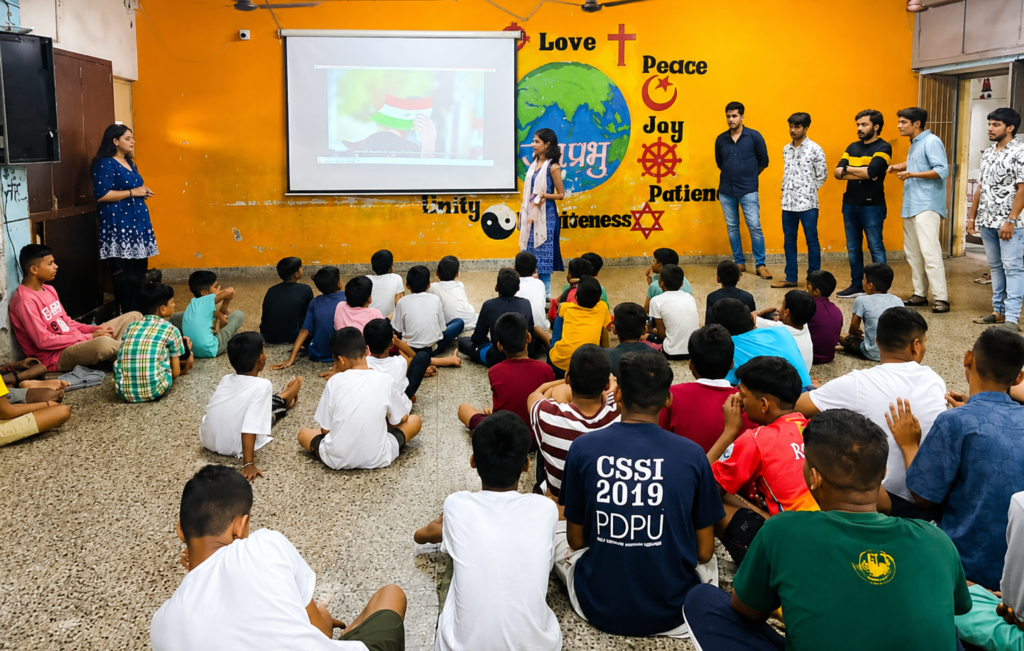
“Education for all in India” isn’t just a slogan; it’s about inclusive, quality learning for every child, from Mumbai high-rises to tribal villages. The blog traced this to the Right to Education (RTE) Act 2009, making education a fundamental right for ages 6-14, and initiatives like Sarva Shiksha Abhiyan for universal elementary access.
NEP 2020 reforms stand out, pushing holistic education with vocational training, digital integration, and flexible curricula. Stories of rural Rajasthan kids using SWAYAM, a free online platform with 1,000+ courses in regional languages, brought it alive. I browsed SWAYAM afterward, amazed at how village children access IIT-level content via shared smartphones. This is education for all in India in action.
Inspiring Progress in Literacy and Access
The blog celebrated successes in states like Kerala, Himachal Pradesh, and Mizoram, with literacy rates over 90%. Community-driven efforts, like mobile libraries in Mizoram’s hills, show how policies plus local involvement work wonders. SWAYAM and ePathshala provide free digital textbooks, bridging urban-rural divides and advancing education for all in India.
Heartbreaking Gaps in Rural Education in India
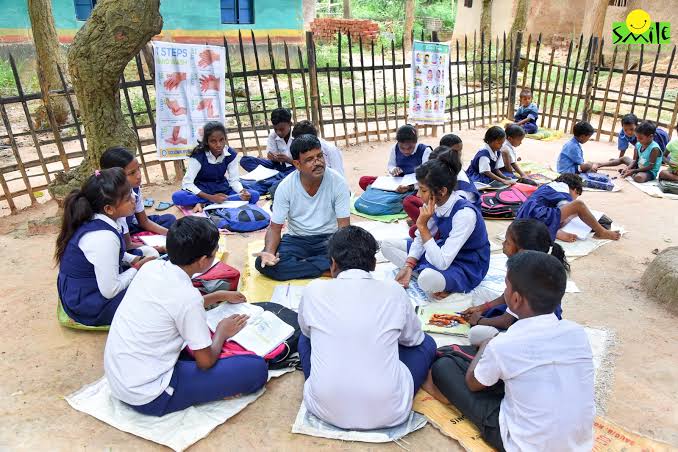
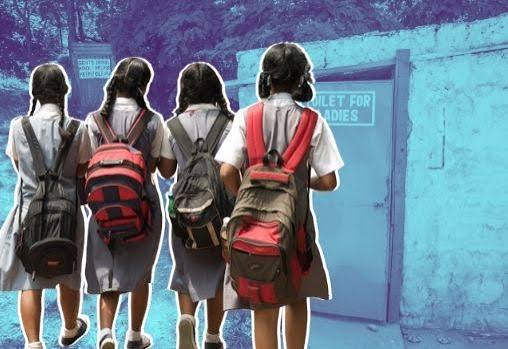
Reality checks hit hard: The ASER report reveals over 50% of rural 5th graders can’t read basic 2nd-grade stories. RTE seats in private schools often go unused due to bureaucracy. Girls drop out due to a lack of toilets or cultural barriers, while urban slum kids work instead of studying. NEP 2020 reforms promise change, but uneven rollout, teacher training shortages, and outdated textbooks widen gaps in rural education in India.
Heroes Driving Education for All in India
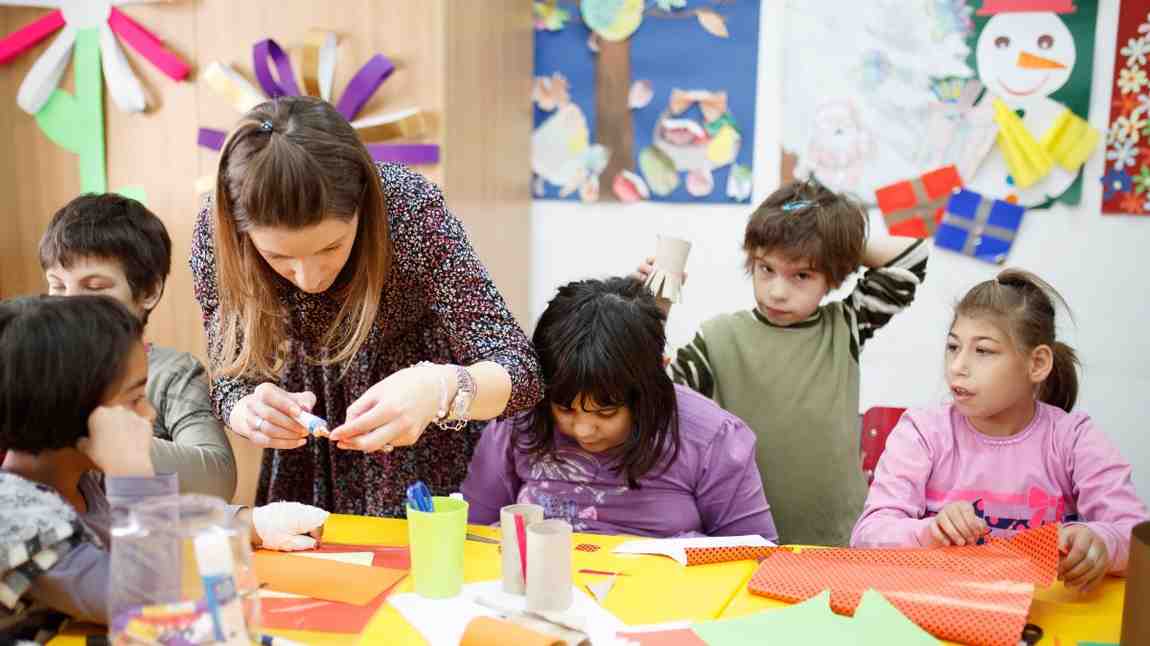
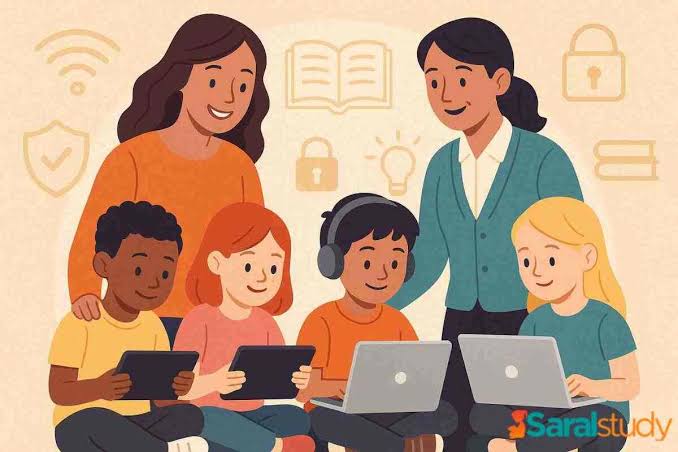
Amid challenges, NGOs and innovators shine. Unessa Foundation emerged as a gem, empowering underprivileged kids with literacy, life skills, and digital tools through grassroots efforts. A ₹500 donation funds a week’s learning kit, affordable yet transformative. Stories like Priya, a 12-year-old slum coder via Unessa’s workshops, inspired me. I visited their site mid-read, seeing tablets with educational apps and online mentoring. Unessa exemplifies NGOs for child education, making a real impact.
My Action Plan to Support Education for All in India
The blog’s roadmap motivated me to act. Here’s my personalized list:
Donate Regularly: Start with ₹500 monthly to Unessa Foundation for books and materials—small steps toward education for all in India.
Volunteer Time: Use my English and math skills for weekend tutoring; Unessa’s volunteer form is bookmarked.
Spread Awareness: Share this blog on social media to amplify NEP 2020 reforms and rural education needs.
Promote Digital Tools: Introduce the family to SWAYAM and ePathshala for free online courses in India.
Stay Informed: Read ASER reports and NEP 2020 details to advocate effectively.
The blog’s closing line lingers: “The best way to predict the future is to educate those who will build it.” It’s an investment in India’s children, not charity.
Resources to Fuel Education for All in India
-
Unessa Foundation – Donate or volunteer for child education.
-
SWAYAM – Free online courses for all ages.
-
ASER Centre – Insights into literacy rates in India.
-
ePathshala – Free digital textbooks.
-
The Learning Generation – Global education perspectives.
Join the Movement for Education for All in India
This blog transformed me from a passive reader to an active participant. I’m sharing it widely, planning a book drive at work, and volunteering next month. Check the original, it’s a spark for change. Whether donating ₹100, teaching a class, or advocating for NEP 2020 reforms, you’re advancing education for all in India.
Share your stories of supporting children’s education through donated books? Volunteered? Let’s inspire each other!