
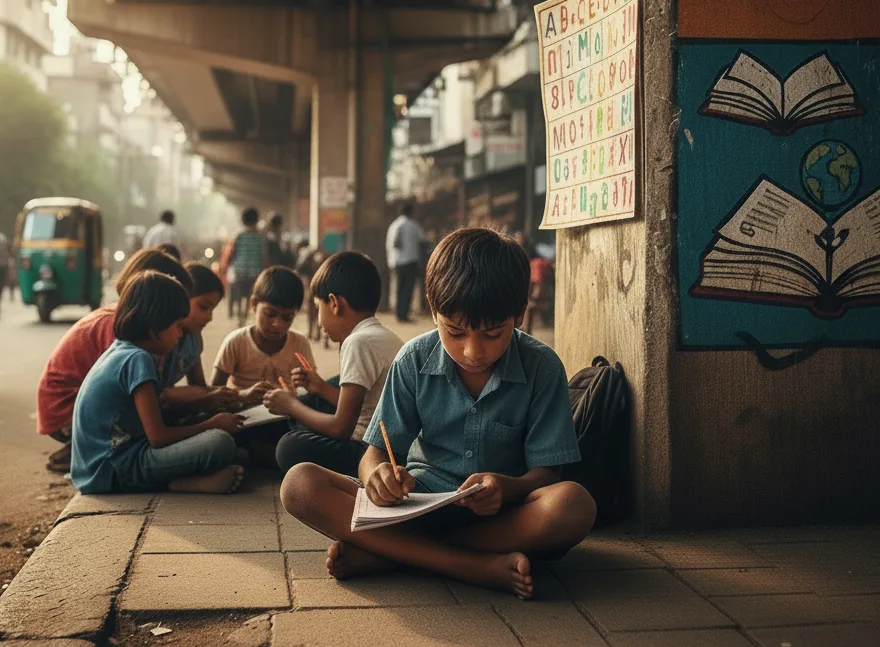

The quest for education for poor children in India begins with a single moment that shifts your perspective. For me, it was a photo of an 8-year-old boy scribbling in a notebook on a cracked footpath, no shoes, no classroom, just grit. The caption “He walks 3 kilometers to a street school” sparked a fire in me. That night, I searched “education for poor children in India” and uncovered a world of challenges and solutions that changed how I see opportunity. Here’s my journey, inspired by a blog that moved me to act, detailing why education for poor children in India is urgent and how you can join the movement to empower 11 million out-of-school kids.
A Wake-Up Call: The Reality of Education in India
India’s progress in education is undeniable. The Right to Education (RTE) Act 2009 guarantees free schooling for ages 6–14, the Mid-Day Meal Scheme (PM POSHAN) feeds 120 million kids daily, and the National Education Policy (NEP) 2020 pushes digital and holistic learning. But the reality for poor children is stark:
Over 11 million kids aged 6–14 remain out of school (ASER 2024).
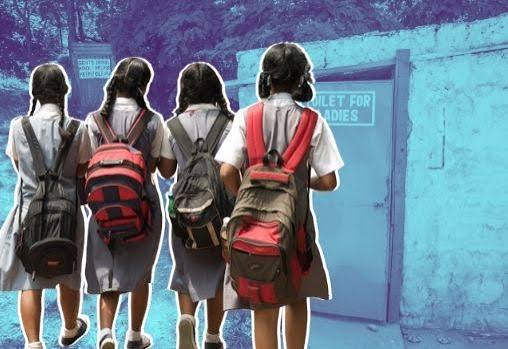
Girls drop out post-puberty due to cultural norms or lack of toilets.
Rural schools often lack benches, roofs, or trained teachers.
A 70% digital divide means no smartphones or internet for online learning.
Education for poor children in India isn’t just about books; it’s about nutrition, safety, accessibility, and dignity. These gaps aren’t just statistics; they’re dreams deferred.
Five Barriers Blocking Education for Poor Children in India
The blog I read laid out the harsh realities poor children face, which I’d never had to confront:
Hunger: Empty stomachs can’t focus—kids skip school to work or beg.
Gender Discrimination: Girls are pulled into housework or early marriage.
Infrastructure Gaps: Schools lack toilets, desks, or even walls.
Teacher Shortages: One teacher may juggle multiple grades or be absent.
Digital Divide: No devices or internet excludes kids from modern education.
These barriers are solvable, but only if we act. Supporting education for poor children in India starts with understanding these challenges.
Stories That Ignited My Passion
The blog’s stories turned numbers into faces, compelling me to act:
Delhi’s Under-the-Bridge School: Volunteers transformed a metro underpass into a classroom. Slum kids show up daily, proving curiosity thrives anywhere.
Unessa Foundation’s Impact: In Uttar Pradesh, Unessa boosted school attendance by 15%, distributed 12,000 meals, and provided tablets with Hindi and English lessons. A ₹30 daily donation funds books and meals.
Telangana’s AI Revolution: AI tools helped rural kids jump two grade levels in a year, showing tech’s potential when accessible.
Shanti Bhavan’s Success: Featured in Daughters of Destiny, this school turns Dalit children into professionals at Microsoft and Deloitte.
These stories show that education for poor children in India can change lives with targeted support.
Choosing the Right Cause: My Checklist
I wanted my efforts to count, not vanish into bureaucracy. The blog’s advice helped me create a checklist for choosing NGOs:
✅ Shows clear impact data (e.g., attendance rates, meals provided).
✅ Addresses real needs (nutrition, digital access, inclusive spaces).
✅ Includes girls, disabled kids, and minorities.
✅ Offers transparent, donor-friendly processes.
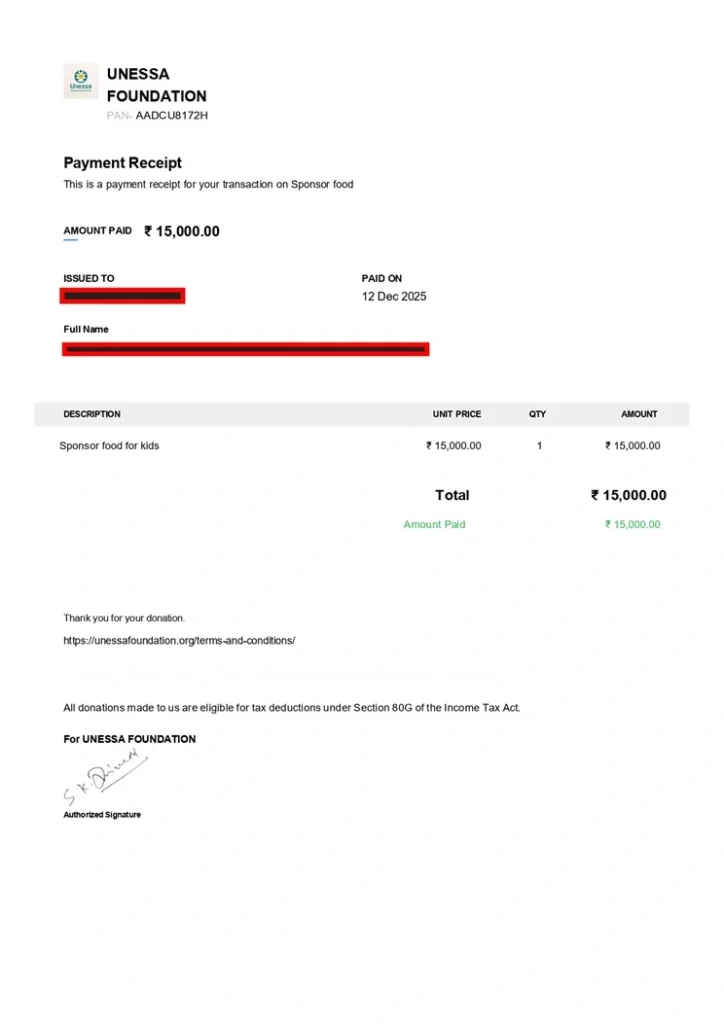
Unessa Foundation met every criterion. After donating ₹500, I received a thank-you email, a breakdown of my impact, and a story about a child who was helped personally and in real life.
My Action Plan: Small Steps, Big Impact
The blog’s practical steps inspired my plan, which you can adopt:
Donate Monthly: I give ₹500 to Unessa Foundation for learning kits—less than a takeout meal.
Engage CSR: I pitched Unessa to my company’s CSR team for matched funding.
Volunteer Online: I teach English for one hour weekly via eVidyaloka.
Spread Awareness: I blogged about my journey and shared it on LinkedIn and WhatsApp.
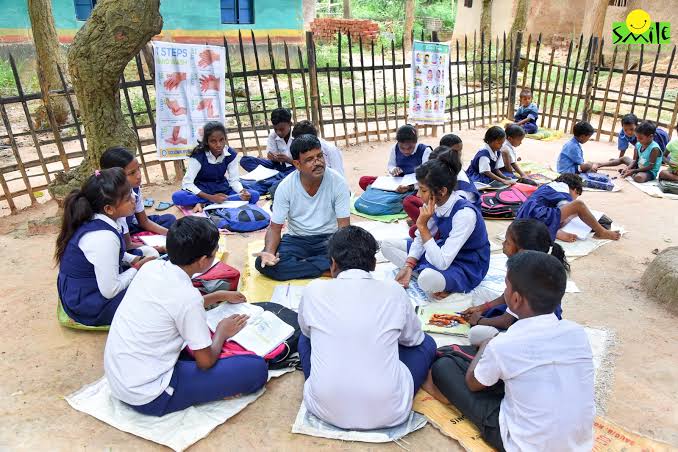
Host Learning Circles: I’m starting weekend sessions for local domestic workers’ kids.
These steps prove that supporting education for poor children in India doesn’t require wealth—just commitment.
10 Ways You Can Support Education for Poor Children in India
Here’s how you can act today, inspired by the blog:
Donate to Unessa Foundation: ₹30/day funds books, meals, or digital tools.
Volunteer Remotely: Teach via platforms like Teach For India or eVidyaloka.
Share Stories: Post this blog to raise awareness about child education in India.
Gift Supplies: Donate notebooks or tablets—₹500 buys a learning kit.
Sponsor a Child: ₹1,000/month covers tuition, food, and supplies.
Fund Infrastructure: Support toilet or classroom upgrades for safe learning.
Mentor Kids: Guide students on academics or career paths online.
Run a Fundraiser: Use birthdays to crowdfund for education programs.
Engage Your Workplace: Connect Unessa with your company’s CSR program.
Learn More: Explore ASER reports or NEP 2020 to advocate effectively.
“You don’t need to be famous to change lives. Just ₹30 and a kind heart.” – Unessa Foundation
A Moment That Changed Me
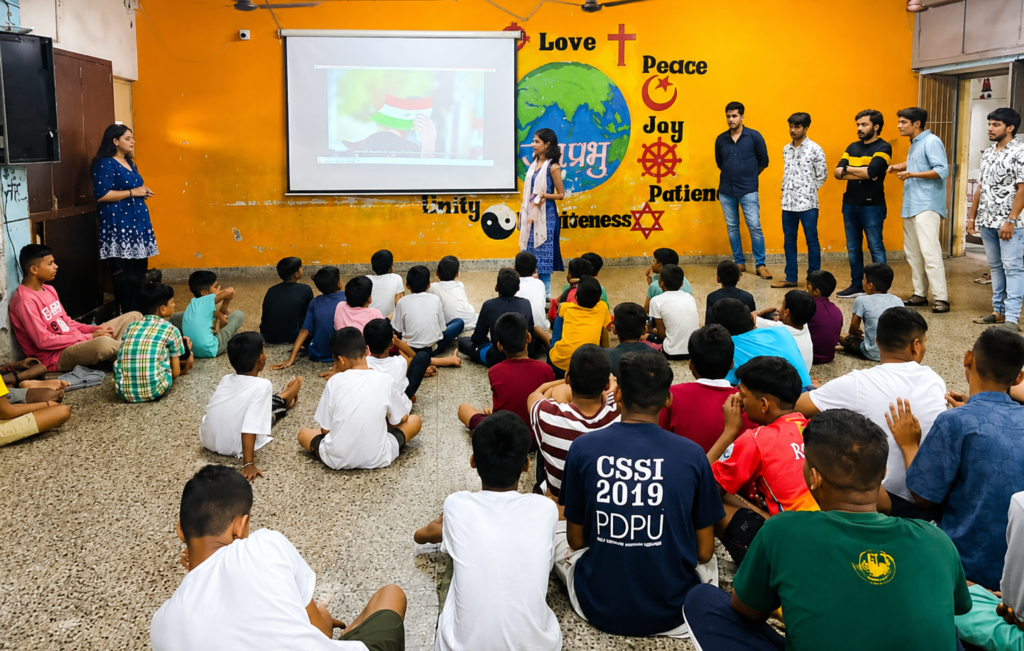
Joining Unessa’s learning circle in a Gujarat slum was eye-opening. On day one, kids were shy. By day three, a girl named Priya was reading aloud, dreaming of becoming a teacher. That shift showed me the power of education for poor children in India and my role in it.
Busting Myths About Child Education in India
Myth: Free schools fix everything.
Truth: Many lack teachers, toilets, or books.
Myth: Girls don’t value education.
Truth: Given safe spaces, girls excel in attendance and exams.
Myth: Online learning is universal.
Truth: A 70% digital divide blocks rural kids.
Your digital access places you in India’s top 10%. Use it to bridge the gap.
FAQs About Education for Poor Children in India
What’s the biggest obstacle?
Poverty, gender bias, and lack of infrastructure keep kids out of school.
How does Unessa ensure donation impact?
They provide transparent reports, photos, and progress updates.
Can I help without money?
Yes, volunteer, share stories, or start a free fundraiser.
How can companies contribute?
Unessa offers CSR partnerships.
Unessa Foundation’s Game-Changing Approach
Unessa listens to communities, then acts:
Surveys homes to find out-of-school kids.
Trains local women as teaching assistants.
Runs mobile libraries and story clubs.
Provides bridge courses for dropouts.
This community-driven model makes donations sustainable for education for poor children in India.
Resources to Fuel Your Impact
Unessa Foundation – Donate or volunteer.
Educate Girls – Support girls’ education.
PM POSHAN – Mid-Day Meal Scheme details.
ASER Centre – Education data.
Daughters of Destiny – Netflix docuseries on Shanti Bhavan.
Join the Movement for Education for Poor Children in India
This blog turned my shock into action. I’m donating ₹500 monthly, volunteering weekly, and planning a book drive. You can start small:
Donate: ₹30 buys books or meals.
Volunteer: Teach an hour weekly.
Share: Spread this blog to inspire others.
“Where you’re born shouldn’t decide if you can read.” – Unessa Foundation