

Beyond the Classroom Walls
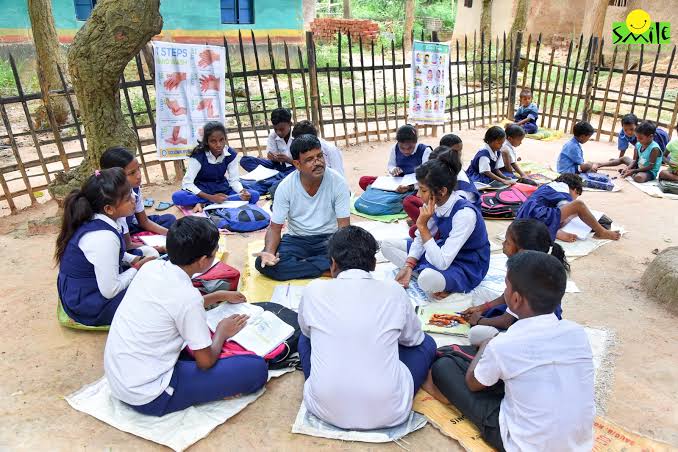
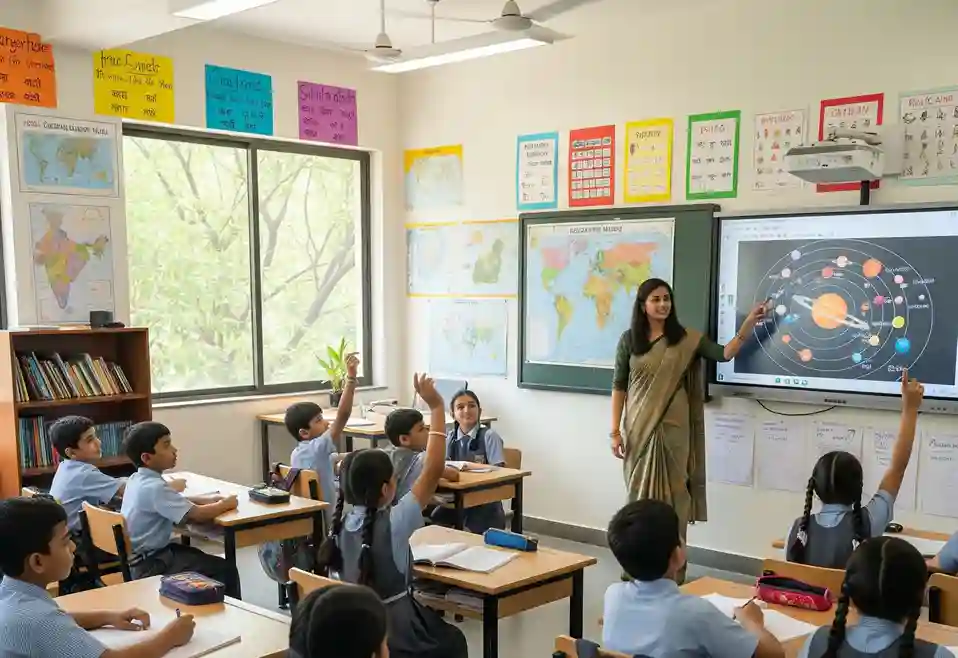
Quality education in India is more than just a buzzword; it’s the foundation of a thriving nation. Imagine two classrooms side by side in the same country. In one, eager students collaborate on projects using digital tools, guided by passionate teachers who foster critical thinking and creativity. In the other, children squeeze onto dusty floors, sharing outdated textbooks amid flickering lights and absent facilities, with a single overwhelmed instructor juggling multiple grades.
Both scenarios exist in India today, highlighting a stark divide in quality education. While the country has achieved near-universal enrollment of over 98% for children aged 6-14, according to the ASER 2024 report, this progress masks deeper issues in actual learning outcomes. India isn’t merely facing a shortage of schools; it’s grappling with a crisis in quality education that affects millions. The ripple effects extend far beyond classrooms, influencing economic productivity, social equity, and national innovation.

If you’re asking, “How does quality education in India impact the nation’s future?” you’re not alone. This question drives parents, educators, policymakers, and concerned citizens to seek answers. In this comprehensive guide, we’ll delve into the hidden gaps, share real stories backed by the latest data, and explore bold solutions. Drawing from reports like ASER 2024, UNESCO’s State of the Education Report, and government statistics, we’ll uncover why quality matters more than ever and how we can bridge the divide.
What Does Quality in Education Even Mean?
Quality education in India goes beyond mere attendance; it’s about transformative experiences that equip students for life. According to UNESCO, quality education encompasses equitable access, relevant curricula, skilled teachers, and environments that promote lifelong learning. It’s not just about passing exams but developing skills like critical thinking, problem-solving, and emotional intelligence.
Key elements include:
- Student Engagement: Active participation in lessons, not passive rote memorization.
- Critical Thinking Development: Encouraging questioning and innovation over regurgitation.
- Trained and Motivated Teachers: Educators who are well-prepared and enthusiastic.
- Adequate Infrastructure: Safe, equipped spaces with essentials like libraries and labs.
- Fair Assessments: Evaluations that measure understanding, not just memory.
- Inclusivity: Ensuring no child is left behind due to gender, caste, or location.
UNESCO’s 2024 State of the Education Report for India emphasizes integrating culture and arts to foster creativity, aligning with Sustainable Development Goal 4 for inclusive, quality education. Without these, enrollment numbers mean little students may graduate without foundational skills, perpetuating cycles of poverty.
The State of Education in India Today
India’s education landscape in 2025 exhibits remarkable progress in access, but faces persistent challenges in quality. The Unified District Information System for Education (UDISE) reports that over 235 million students are enrolled across 1.47 million schools, with higher education reaching 43.3 million, a 26.5% increase since 2015. Dropout rates have declined: 1.9% at the primary level, 5.2% at the upper primary level, and 14.1% at the secondary level, according to the Ministry of Education’s February 2025 report.
However, quality lags. The ASER 2024 survey, covering 649,491 children in 605 rural districts, reveals that while enrollment exceeds 98% for ages 6-14, learning outcomes remain concerning. Only about 50% of Grade 5 students can read Grade 2-level text, and arithmetic skills hover around 25-30% proficiency for basic division. Urban-rural divides persist, with student-teacher ratios at 27.2 in primary education, far above global averages. The OECD’s Education at a Glance 2025 highlights India’s high ratios: 18.6 in lower secondary and 21.4 in upper secondary, straining resources.

Post-COVID recovery is evident, but disparities in digital access and teacher training continue to hinder holistic development. India’s performance in global rankings, like QS World University Rankings: Asia 2025, shows strengths in top institutions (e.g., IITs in the top 50), but grassroots education needs urgent reform under the National Education Policy (NEP) 2020, which aims for foundational literacy by 2025.
Real-Life Impact: Stories from the Ground
To grasp how quality education in India affects individuals, consider real stories. Take Rekha, a 12-year-old from rural Rajasthan. She treks 3 km daily to a school lacking toilets, libraries, and with one teacher for five grades. After five years, she struggles with basic Hindi reading—mirroring ASER findings where rural girls often lag due to infrastructure gaps.
In Bihar, young Arjun attends a government school with overcrowded classrooms and absent teachers. He excels in memorizing facts but falters in applying them, leading to dropout risks. ASER 2024 notes that while enrollment is high, 20-30% of rural youth aged 14-18 lack basic numeracy, limiting job prospects.
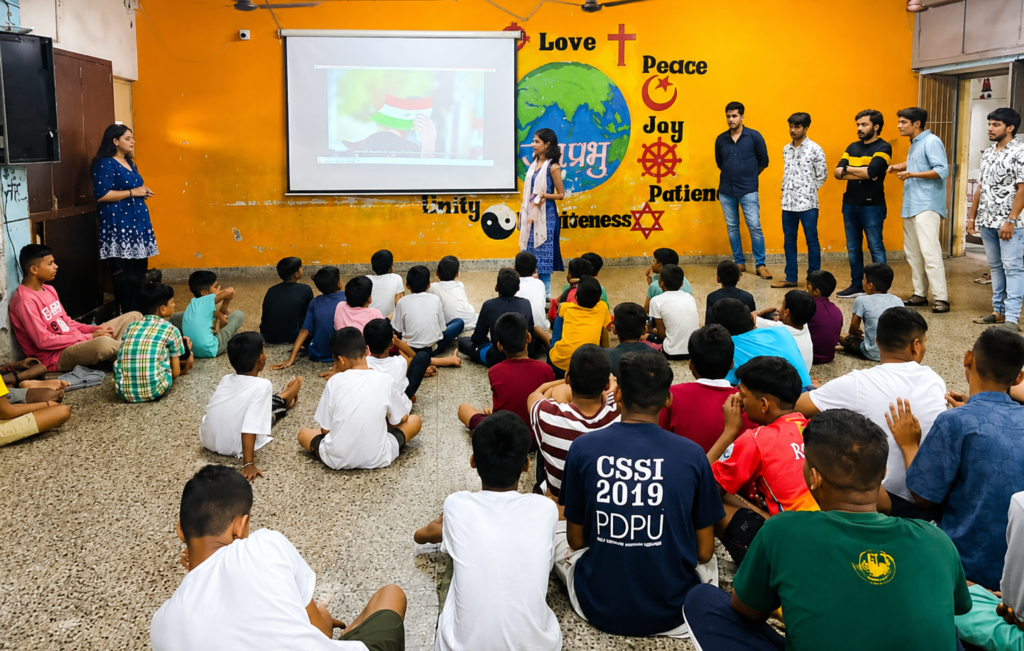
Urban contrasts exist, too. In Mumbai slums, children like Priya benefit from NGO interventions but face home-study challenges without quiet spaces. These narratives, drawn from field reports by organizations like Pratham, illustrate how poor quality perpetuates inequality, with millions attending school yet emerging underprepared for life.
Why Quantity ≠ Quality
India excels in quantitative metrics, 97% school attendance per Dell.org’s 2025 report—but quality education in India remains elusive. Building more schools or distributing textbooks doesn’t ensure learning if delivery fails. It’s akin to providing a car without fuel or training.
NEP 2020 pushes for quality through vocational training and multilingualism, but implementation varies. ASER 2024 shows post-pandemic recovery in enrollment, yet foundational skills haven’t kept pace. Without addressing quality, high enrollment translates to low employability, with only 3.8% of the workforce vocationally trained, per earlier data updated in 2025 reports.
Key Factors Affecting Quality
Several interconnected factors undermine quality education in India:
- Infrastructure: Essential for safe learning.
- Teacher Availability and Training: Core to effective teaching.
- Curriculum Relevance: Must align with real-world needs.
- Teaching Methodology: Shift from rote to interactive.
- Parental Involvement: Boosts accountability.
- Technology Integration: Bridges gaps but exacerbates divides.
Addressing these holistically, as per UNESCO recommendations, is key.
The Role of Infrastructure
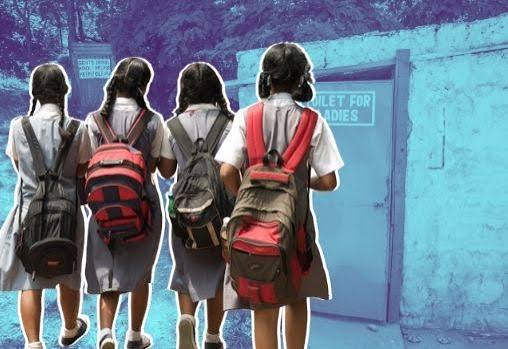
Infrastructure is a cornerstone of quality education in India. Ministry data shows 40% of schools lack functional toilets, deterring girls’ attendance. Many operate without roofs, electricity, or playgrounds, creating unsafe environments.
In 2025, NEP initiatives have added facilities, but rural areas lag. ASER 2024 highlights how poor infrastructure correlates with lower engagement, emphasizing the need for investments in labs, libraries, and sanitation to foster inclusive learning.
The Teacher Crisis
With over 1 million vacancies, India’s teacher shortage is acute, especially in rural areas. Existing educators often handle multiple grades, are underpaid on contracts, and are diverted to non-teaching duties.
Training is insufficient; OECD notes high ratios hinder personalized attention. Solutions include NEP’s focus on continuous professional development, but 2025 data shows slow progress, with motivation low due to systemic issues.
Curriculum and Rote Learning
India’s curriculum emphasizes rote learning, prioritizing exams over comprehension. Students memorize historical dates but miss broader contexts, stifling innovation.
NEP 2020 advocates experiential learning, but implementation is uneven. UNESCO’s 2024 report urges arts integration for creativity, vital for quality education in India.
Digital Divide in Rural India
COVID exposed the divide: Only 24% of households had internet access. Urban students adapted via online platforms; rural ones fell behind.
In 2025, initiatives like Digital India have improved, but ASER 2024 shows 30-40% rural youth lack digital literacy, widening quality gaps.
Gender Disparity and Social Norms
Female literacy is 65% vs. 84% male, per the latest stats. Social norms, lack of toilets, and early marriage cause dropouts.
NGOs target this, but systemic change is needed for equitable quality education in India.
How Poor Quality Education Impacts the Economy
Poor quality education in India is an economic drag. With 600 million youth, unskilled labor leads to unemployment and low productivity. The World Bank estimates that a one-year increase boosts GDP by 0.37%.
In 2025, low vocational training (under 4%) hampers growth. Poor outcomes perpetuate poverty, reducing innovation and global competitiveness.
The Ray of Hope: NGOs and Innovation
NGOs like Pratham, Teach For India, and Unessa Foundation lead change. Unessa’s mobile libraries and camps focus on quality, proving targeted efforts work.
What Unessa Foundation Is Doing Right
In 2024-2025, Unessa reached 10,000+ children in five states via camps, literacy missions, and girl programs, achieving 40% reading improvements. Donate to Unessa Foundation.
Can You Make a Difference?
Yes! Volunteer, donate, advocate for better policies. Support NGOs to enhance quality education in India.
Final Thoughts: From Numbers to Narratives
Quality education in India determines dreams and leadership. Demand equity; build futures.