

A Diwali Moment That Changed Me
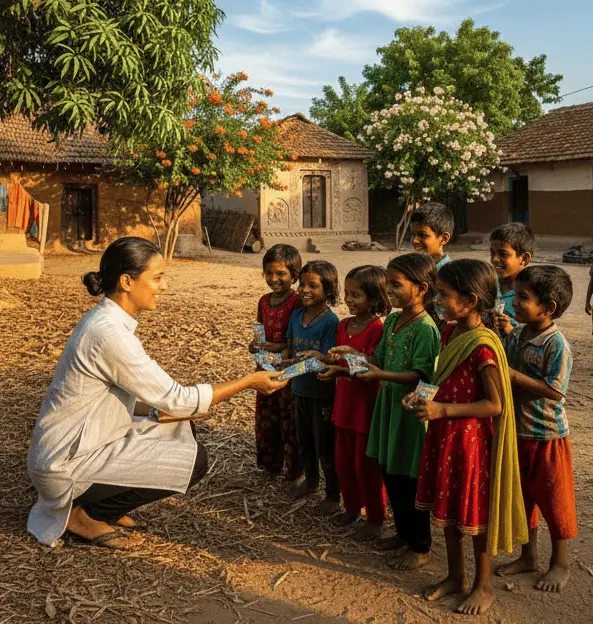
Last Diwali, as I lit the fifth diya during our family puja in my Mumbai apartment, the flickering flame sparked a thought: What if this light could shine beyond my home? I’d accidentally bought an extra box of sweets, sitting unopened on the counter. Instead of letting it go to waste, I decided to donate it, along with a small sum, to a local children’s shelter. That simple act felt like a burst of joy, and it opened my eyes to something profound: in Indian culture, certain days carry a special energy for giving. They’re not just about rituals; they’re invitations to share our blessings.
India’s traditions have always celebrated generosity, but these sacred days add a spiritual spark to giving. In this guide, I’ll walk you through seven days to donate in Indian culturea, explain why they matter, and share practical ways to make your contributions count. I’ll also weave in a nod to Unessa Foundation, a child-focused NGO that’s become my go-to for impactful giving. Whether you’re lighting diyas or celebrating a milestone, let’s explore how to turn your joy into hope for others.
Why These Days Matter for Giving?
In India, giving isn’t just an act; it’s a way of life, rooted in daan (charity) and seva (service). Our culture marks certain days as especially auspicious for donating, believing that giving during these moments multiplies spiritual and social benefits. From feeding the needy on Shradh to sharing sweets on Diwali, these occasions align generosity with cosmic rhythms. Modern NGOs like Unessa Foundation make it easier than ever to honor these traditions, offering transparent ways to support causes like education and healthcare for kids. Whether you donate ₹500 or ₹50,000, these sacred days amplify the impact of your kindness.
7 days to donate in Indian culture:
1. Guru Purnima: Gratitude for Knowledge
- Why It Matters: Guru Purnima, celebrated on the full moon day in Ashadha (June–July), honors teachers and spiritual guides. It’s a day to express gratitude for wisdom, and giving back feels like the perfect tribute.
- Traditions: Offerings of food, books, or clothing as Guru Dakshina to teachers or institutions.
- How to Donate: Sponsor educational materials for underprivileged kids. I once donated ₹500 through Unessa Foundation on Guru Purnima, funding books for rural students. The photo of kids holding their new textbooks felt like a thank-you from my own teachers.
- Tip: Partner with local schools or NGOs to distribute stationery or sponsor a child’s tuition. Unessa’s clear giving tiers make it easy to give ₹500 for books or ₹1,500 for a classroom kit.
2. Krishna Janmashtami: Joy in Sharing
- Why It Matters: This festival celebrates Lord Krishna’s birth, a symbol of compassion and joy. Krishna’s love for butter and sweets inspires sharing with others, especially children.
- Traditions: Distribute prasadam (sweets), clothes, or food to the needy.
- How to Donate: Pack “khichdi kits” (rice, lentils, spices) or sweets for orphanages. Last Janmashtami, I organized a candy-sharing station for neighborhood kids, asking for small donations to Unessa. We raised ₹2,000 for school supplies.
- Tip: Add a modern twist set up a donation drive at your Janmashtami celebration, linking it to a cause like Unessa’s education fund. Their thank-you videos from kids make it extra special.
3. Diwali: The Festival of Light and Giving
- Why It Matters: Diwali, the festival of lights, celebrates good over evil and prosperity through generosity. Giving dāna during Lakshmi Puja is believed to invite abundance.
- Traditions: Share sweets, clothes, or cash with the less fortunate.
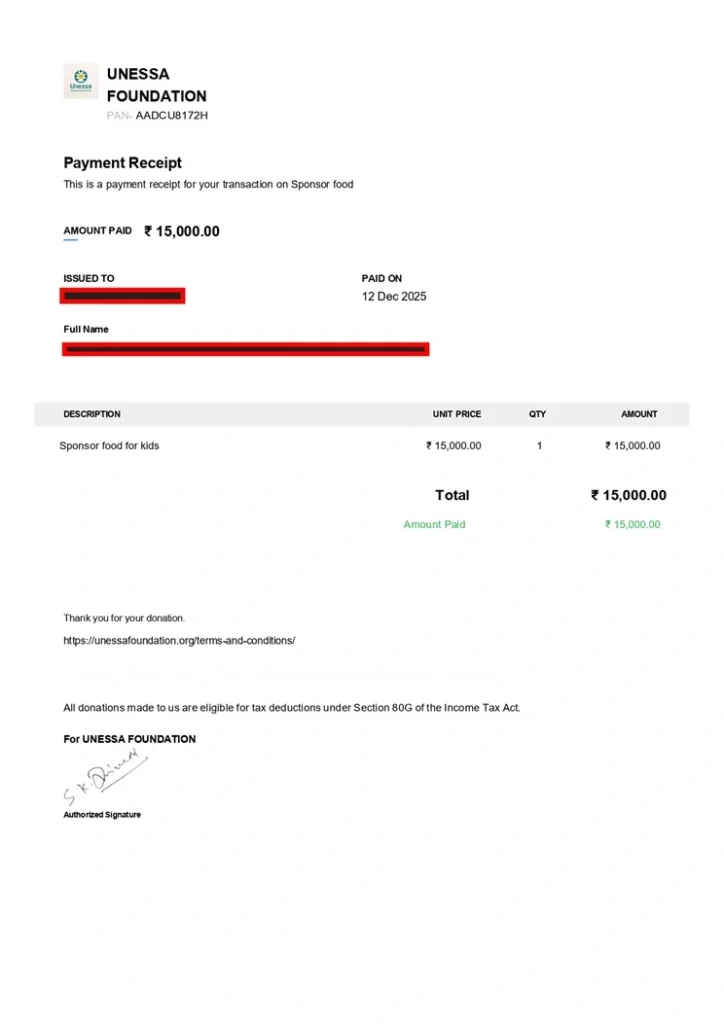
- How to Donate: Last Diwali, I donated ₹1,000 to Unessa’s festival kit campaign, which gave kids clothes and diya kits. The video of them lighting diyas brought tears to my eyes. You can also gift monthly meal subscriptions to shelters or NGOs.
- Tip: Bundle sweets and dry fruits into gift packs for local shelters. Unessa’s Diwali campaigns offer clear impact: ₹1,000 funds a festival kit, complete with proof of delivery.
4. Ram Navami: Service Through Dharma
- Why It Matters: Ram Navami, marking Lord Rama’s birth, is a day for dharma (righteousness) and service. Giving on this day honors Rama’s legacy of compassion.
- Traditions: Distribute fruits, grains, or clothes to the needy.
- How to Donate: Partner with temples or NGOs for grain distributions. A friend shared, “I handed out 100 banana packets last Ram Navami; the kids’ smiles were pure magic.”
- Tip: Organize a community drive to distribute groceries. Unessa’s ₹2,000 donation tier funds uniforms, aligning with Ram Navami’s spirit of uplifting others.
5. Shradh/Pitru Paksha: Honoring Ancestors with Compassion
- Why It Matters: During Shradh (September–October), we honor ancestors by feeding the needy, believing it brings peace to departed souls.
- Traditions: Offer food like khichdi or rice, often with prayers for ancestors.
- How to Donate: Sponsor meals for pilgrims or the poor. Last Shradh, I donated ₹3,000 through Unessa to fund communal meals, and their photos of people eating together felt deeply meaningful.
- Tip: Work with NGOs to deliver boxed meals to pilgrims. Unessa’s transparency GPS-tagged updates and photos ensure your donation reaches the right hands.
6. Marriage Anniversaries and Personal Milestones
- Why It Matters: Personal milestones like anniversaries or birthdays are perfect for sharing joy. In India, couples often mark these days with acts of charity to bless their journey.
- Traditions: Distribute sweets or food to family and the needy.
- How to Donate: For my parents’ 25th anniversary, we skipped gifts and donated ₹3,000 to Unessa’s education fund. The certificate we received is framed in their living room. You can also host a donation drive at your event.
- Tip: Match your party budget with a donation. Unessa’s flexible tiers let you fund specific needs, like ₹5,000 for a child’s year-long education, making your milestone unforgettable.
7. Ekadashi and Fast-Breaking Days
- Why It Matters: Ekadashi, observed twice monthly, is a day of fasting and spiritual reflection. Breaking the fast with charity amplifies its purity.
- Traditions: Donate food or cash to temples or ashrams after fasting.
- How to Donate: Prepare prasad packets or sponsor an evening meal. I once donated ₹1,500 to Unessa on Ekadashi, funding meal kits for kids. Their thank-you letter from a child warmed my heart.
- Tip: Engage neighbors to pack prasad together, combining charity with community bonding. Unessa’s ₹500 tier funds meal kits, perfect for these sacred days.
“My first Diwali donation was a surprise. Kids at a shelter rushed to grab laddoos, their laughter echoing in my heart forever.”
—Sana, Hyderabad
Have you donated on a sacred day? Drop your story in the comments or tag us on Instagram—your moment could inspire thousands.
Beyond Festive Days: A Donation Toolbox
To make giving a habit, try these tips:
- Family Tradition: Turn post-puja donations into an annual ritual. My family now donates every Diwali to Unessa, and it’s our favorite tradition.
- Purposeful Goals: Tie donations to numbers like “₹300 for 300 books.” It adds meaning.
- Local vs. National: Temple donations uplift your community; NGOs like Unessa scale impact nationally with clear proof.
- Trusted Channels: Skip cash, use digital payments (UPI, NGO websites) for traceability. Unessa’s platform is seamless.
- Follow Up: Ask for impact proof. Unessa’s photos and videos of kids with your donations are keepsakes you’ll cherish.
Why Unessa Foundation Stands Out?
Unessa Foundation has become my trusted partner for giving, and here’s why:
- Child-Focused and Credible: Registered under 12A/80G, FCRA-compliant, with transparent financials on their website.
- Occasion-Specific Impact: Donations like books on Guru Purnima or Diwali kits come with photos, certificates, and kids’ thank-you letters.
- Flexible Tiers: ₹500 for books, ₹1,500 for school kits, ₹5,000 for a year’s education, perfect for any sacred day.
- Visual Proof: GPS-tagged updates and videos make your impact feel real. My ₹1,000 Diwali donation brought a video of kids lighting diyas, pure joy.
Whether it’s funding uniforms on Ram Navami or meals on Ekadashi, Unessa’s transparency and heart make every donation feel personal.
Common Myths Debunked
Myth: You need big money to make a difference.
Truth: ₹500 funds books via Unessa; ₹5,000 covers a year’s education. Small amounts add up over time.
Myth: Temples are better than NGOs.
Truth: Temples focus on rituals; NGOs like Unessa track delivery with proof. You can support both for balance.
Myth: Giving only benefits the receiver.
Truth: Studies show giving on sacred days boosts empathy, family bonds, and spiritual fulfillment (Journal of Positive Psychology, 2023).
Conclusion: Celebrate with Heart and Purpose
That Diwali moment, lighting a diya and rethinking my extra sweets, showed me how sacred days in Indian culture are cosmic invitations to give. From Guru Purnima’s gratitude to Ekadashi’s purity, these occasions make generosity feel timeless. Whether it’s ₹500 for books or ₹50,000 for a classroom, every donation weaves you into India’s tradition of compassion.
My challenge to you: pick one upcoming occasion, Guru Purnima, Diwali, or your anniversary, and make it count. Start a fundraiser with Unessa Foundation’s “Celebrate with Purpose” page, pack a meal kit, or donate through a trusted channel. Unessa’s child-focused work, with heartfelt updates and clear impact, makes it easy to see your kindness in action. Let’s turn every celebration into a shared light, spreading hope far beyond our homes.
Have you donated on a sacred day? Share your story below or tag @UnessaFoundation on Instagram. Together, let’s make generosity shine!