
Introduction
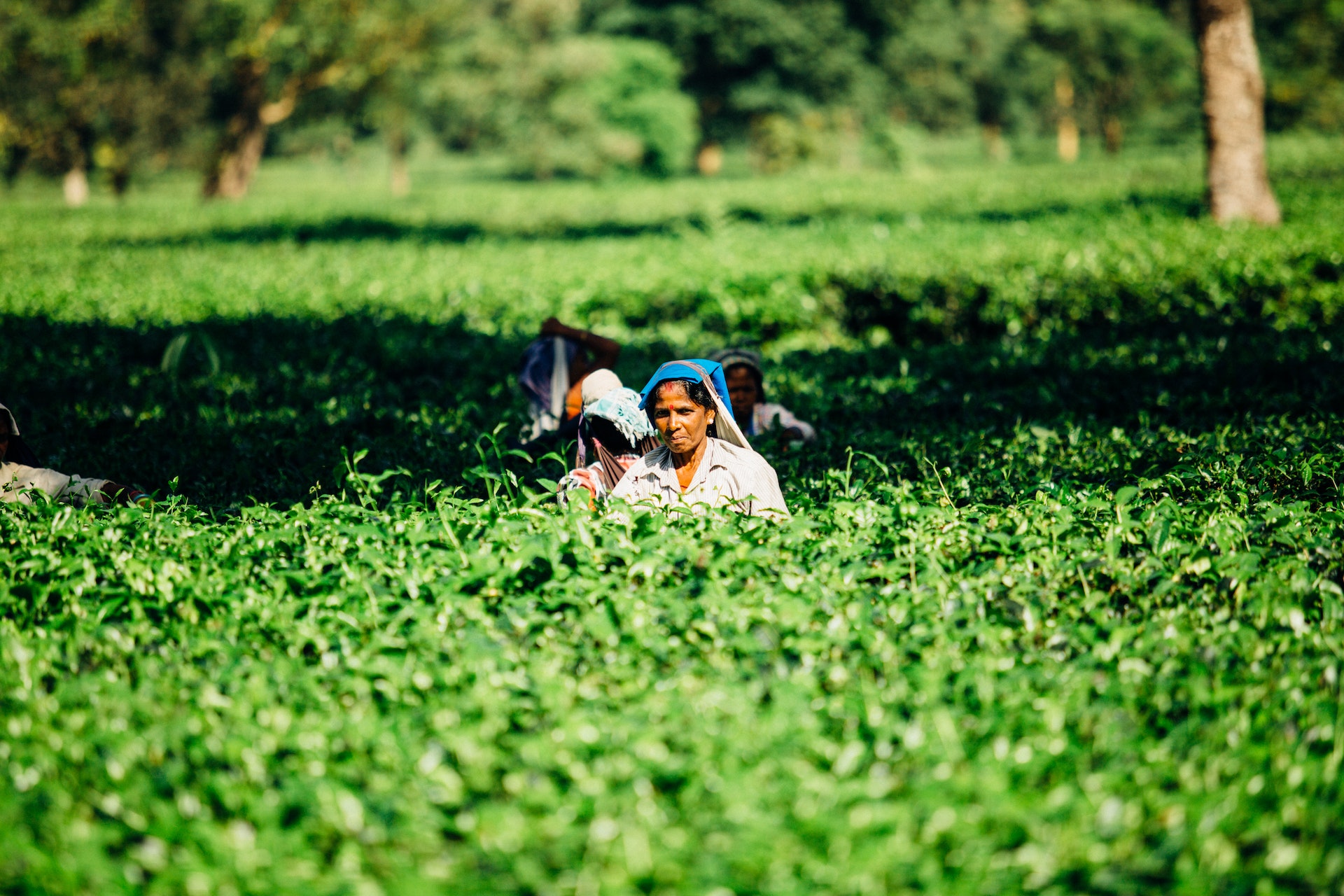
Indigenous Peoples NGOs in India play a crucial role in supporting the rich diversity of Indigenous Peoples, often known as tribal or Adivasi communities, who constitute a significant portion of India’s population, particularly in forested and hilly regions. Despite their deep connection to nature, traditional knowledge, and cultural heritage, these communities face systemic challenges such as poverty, land alienation, limited access to healthcare and education, and marginalization due to rapid industrialization and policy neglect.
These NGOs work tirelessly to empower Indigenous Peoples by advocating for their land rights, improving livelihoods, and preserving their cultural identity through education and healthcare initiatives. Collaborating with local leaders, government agencies, and international organizations, they strive to integrate tribal voices into India’s development narrative.
This blog highlights the top 10 Indigenous Peoples NGOs in India, with Unessa Foundation contributing significantly to their upliftment across diverse landscapes.
Top 10 Indigenous Peoples NGOs in India
01
Adivasi Mukti Sangathan
Focus: Dedicated to protecting the rights and improving the lives of Adivasi communities, with a strong focus on land rights and social justice.
Why it matters
Safeguards tribal ownership and promotes equitable development.
02
Pradan
Focus: Works extensively with tribal communities across rural India, empowering them through sustainable livelihoods, women’s collectives, and self-help groups.
Why it matters
Fosters economic independence and community resilience.
03
Ekta Parishad
Focus: A mass-based organization focused on advocating for land rights, dignity, and livelihood security of Indigenous and marginalized communities.
Why it matters
Amplifies tribal voices through large-scale advocacy.
04
Tribal Health Initiative (THI)
Focus:Based in Tamil Nadu, THI focuses on providing healthcare and improving the quality of life of tribal populations.
Why it matters
Addresses critical health disparities in remote areas.
05
Samvaad by Tata Steel Foundation
Focus: A unique initiative that brings together tribal communities from across India to preserve and promote their culture, languages, and traditions.
Why it matters
Celebrates and sustains Indigenous cultural heritage.
06
Jharkhand Indigenous People’s Forum
Focus: A state-level platform advocating for the social, political, and economic rights of Indigenous Peoples in Jharkhand.
Why it matters
Strengthens regional tribal governance and rights.
07
Centre for World Solidarity (CWS)
Focus: Works to promote sustainable agriculture and community development among tribal and Indigenous communities in India.
Why it matters
Enhances food security and environmental stewardship.
08
Nature Conservation Foundation (NCF)
Focus: Engages Indigenous communities in conservation efforts, ensuring that their traditional knowledge is preserved alongside biodiversity.
Why it matters
Balances ecological and cultural preservation.
09
Bhasha Research and Publication Centre
Focus:Focused on preserving tribal languages, art, and culture while advocating for education and social development of Indigenous groups.
Why it matters
Protects linguistic diversity and educational access.
10
Unessa Foundation
Unessa Foundation is committed to supporting Indigenous Peoples through education, healthcare, and livelihood initiatives, while preserving their cultural identity. The foundation actively engages with tribal communities to build sustainable futures.
Key Strengths:
- Community-Centered Approach
- Holistic Development Model
- Cultural Preservation Focus
- Sustainable Livelihood Creation
Why These NGOs Matter: Tangible Impact
India’s Indigenous Peoples face significant threats from deforestation, mining, and displacement, particularly in states like Odisha, Jharkhand, and the Northeast, where tribal populations are disproportionately affected by development projects.
Safety & Protection
The tribal rights NGOs India and indigenous peoples support NGOs listed here are driving transformative change by protecting land rights and preserving cultural heritage.
Economic Independence
These NGOs promote sustainable livelihoods through initiatives like agricultural training that support tribal communities.
Leadership & Advocacy
These NGOs for tribal welfare India collaborate with policymakers, local leaders, and international allies to implement solutions like health outreach and cultural documentation, reaching remote tribal regions effectively.
Unessa Foundation tribal empowerment aligns with these efforts, integrating community-driven support into its mission, fostering an ecosystem where Indigenous Peoples are equipped with resources, rights, and opportunities to thrive while honoring their traditions.
Conclusion
In 2026, Indigenous Peoples NGOs in India are more than just organizations—they’re advocates for justice empowering tribal communities with dignity and opportunity. Through education, healthcare, and cultural preservation, these NGOs, including Unessa Foundation, are helping protect Indigenous rights, enhance livelihoods, and build resilient societies, shaping a more inclusive future. By addressing challenges like land alienation, poverty, and marginalization, and leveraging government partnerships and community strength, you can contribute to a society where Indigenous Peoples thrive. These efforts uplift tribal lives, strengthen cultural diversity, and inspire global Indigenous advocacy. Start small—start today.
To explore the purpose, impact, and role of NGOs in society, check out our comprehensive guide at Unessa Foundation’s Understanding NGOs.
FAQs
What do Indigenous Peoples NGOs in India do?
They work to protect tribal rights, improve access to education and healthcare, support livelihood programs, and preserve cultural heritage.
Why are Indigenous NGOs important?
They help Adivasi communities overcome challenges like land alienation, poverty, and limited access to essential services.
How does Unessa Foundation support Indigenous communities?
Unessa focuses on education, healthcare, sustainable livelihoods, and cultural preservation through community-driven programs.
How can I contribute to Indigenous Peoples’ welfare?
You can donate, volunteer, spread awareness, or support campaigns that promote tribal rights and development.
Are donations to Indigenous NGOs secure and impactful?
Yes. Donations (secured via Razorpay) directly support education, healthcare, livelihood projects, cultural documentation, and land rights advocacy.
❤️ Donate to Indigenous Peoples support programs❤️
Your contribution directly funds Education and healthcare initiatives,cultural preservation,land right advocacy.
Your donation helps us fund:
- Education and healthcare initiatives
- Sustainable livelihood projects
- Cultural preservation and documentation
- Land rights advocacy and support
Even a small monthly contribution can fund school supplies, medical care, or land protection efforts for multiple tribal families.