

Introduction
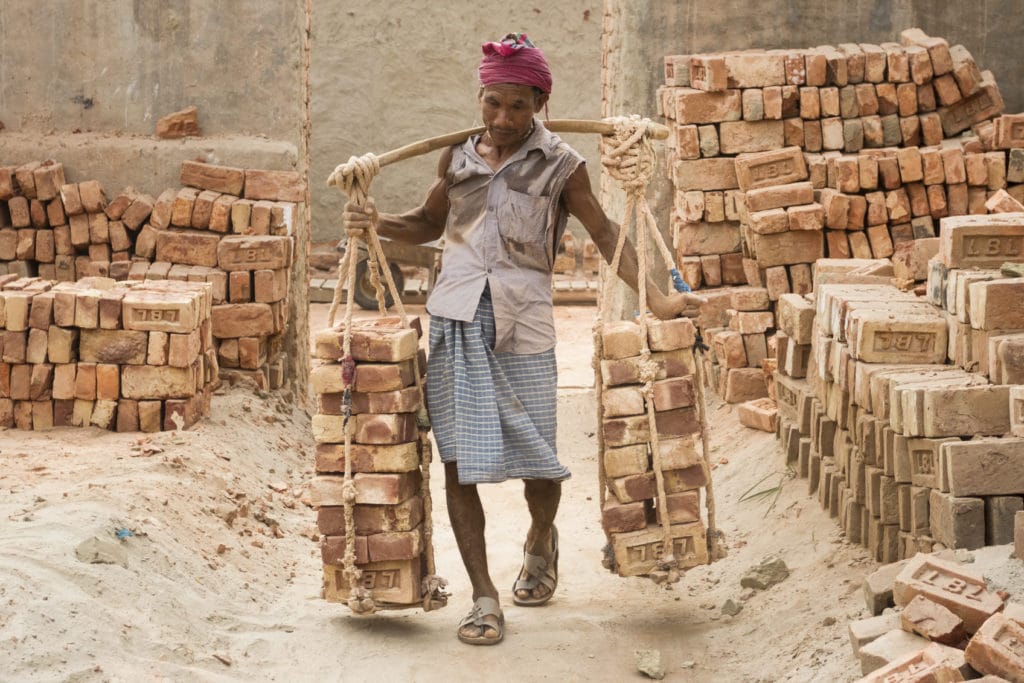
Labor Rights and Employment NGOs in India are essential in building a fair and just society, addressing the plight of millions of workers—ranging from industrial laborers and farmers to informal sector employees—who face exploitation, unsafe working conditions, and a lack of social security, particularly in rural hinterlands and urban informal settlements. India’s diverse workforce, including migrant laborers and women in unorganized sectors, often lacks access to fair wages, legal protection, and decent work environments due to inadequate enforcement of labor laws and economic disparities.
These NGOs bridge these gaps by advocating for fair wages, safer workplaces, social benefits, and employment opportunities through grassroots mobilization, legal aid, and skill development programs. By collaborating with government bodies, trade unions, and international organizations, they empower workers and strengthen labor rights.
This blog highlights the top 10 Labor Rights and Employment NGOs in India, with Unessa Foundation contributing significantly through its community-based initiatives across diverse regions.
Top 10 Labor Rights and Employment NGOs in India
01
Bandhua Mukti Morcha (Bonded Labour Liberation Front)
Focus: This NGO has been fighting bonded labor and advocating for workers’ rights for decades.
Why it matters
Liberates vulnerable workers and sets a benchmark for labor justice.
02
LabourNet
Focus: Works towards enabling sustainable livelihoods by providing vocational training, employment services, and entrepreneurship support for informal workers.
Why it matters
Enhances employability and economic stability for the informal sector.
03
SEWA (Self Employed Women’s Association)
Focus:Empowers self-employed women workers by organizing them for full employment, social security, and fair treatment in workplaces.
Why it matters
Advances gender equity and economic empowerment in labor markets.
04
National Campaign Committee for Eradication of Bonded Labour (NCCEBL)
Focus: Advocates for policy changes and enforcement to eliminate bonded labor and ensure rehabilitation of rescued workers.
Why it matters
Drives systemic reforms to end exploitative labor practices.
05
PRAYAS
Focus: Focuses on child labor eradication, labor rights advocacy, and vocational training programs to uplift marginalized workers.
Why it matters
Protects young workers and promotes their future employability.
06
Aajeevika Bureau
Focus: Specializes in supporting migrant laborers through legal aid, skill development, identity services, and fair wage advocacy.
Why it matters
Addresses the unique challenges faced by migrant workforces.
07
ActionAid India
Focus: Addresses labor exploitation, wage rights, and workers’ welfare while promoting policies for decent employment opportunities.
Why it matters
Combines advocacy with practical support for labor rights.
08
Centre for Education and Communication (CEC)
Focus: Advocates for labor rights through research, policy engagement, and campaigns for fair working conditions.
Why it matters
Influences labor policies and raises awareness at all levels.
09
CARE India
Focus: Runs programs for livelihood development, women empowerment, and ensuring access to fair employment and income opportunities.
Why it matters
Promotes inclusive economic growth through labor support.
10
Unessa Foundation
Unessa Foundation works to empower workers by promoting labor rights, supporting fair wages, and offering employment-linked community programs.
Key Strengths:
- Strong Advocacy for Labor Rights
- Fair Wage Promotion
- Employment-Linked Community Programs
- Collaboration with Industry & Communities
Why These NGOs Matter: Tangible Impact
India’s labor landscape is fraught with challenges, including widespread exploitation in the informal sector, hazardous working conditions in industrial zones, and limited social security for rural and migrant workers, particularly in states like Uttar Pradesh and Maharashtra.
Safety & Protection
The labor rights NGOs India and NGOs for workers listed here are driving transformative change by advocating for fair wages, safer environments, and legal protections.
Economic Independence
These employment rights India and fair employment NGOs implement solutions like vocational training, legal aid clinics, and wage negotiation platforms.
Leadership & Advocacy
These organizations collaborate with policymakers, employers, and local communities, reaching urban and rural workforces alike.
Unessa Foundation labor support aligns with these efforts, integrating labor empowerment into its mission, creating an ecosystem where workers are equipped with rights, skills, and opportunities to thrive with dignity.
Conclusion
In 2026, Labor Rights and Employment NGOs in India are more than just organizations—they’re champions of justice empowering workers with dignity and opportunity. Through advocacy, training, and fair wage initiatives, these NGOs, including Unessa Foundation, are helping combat exploitation, improve working conditions, and build equitable societies, shaping a fairer future. By addressing challenges like unsafe workplaces, wage disparities, and lack of representation, and leveraging government policies and community partnerships, you can contribute to a society where labor rights are upheld. These efforts uplift worker lives, strengthen economic stability, and inspire global labor justice movements. Start small—start today.
To explore the purpose, impact, and role of NGOs in society, check out our comprehensive guide at Unessa Foundation’s Understanding NGOs.
FAQs
What do labor rights NGOs in India do?
They advocate for fair wages, safe working conditions, legal protection, and employment opportunities, especially for informal sector and migrant workers.
Who can benefit from these NGOs?
Industrial laborers, self-employed women, migrant workers, and marginalized communities lacking access to social security and fair employment.
How do these NGOs support workers?
Through vocational training, skill development, legal aid, wage advocacy, awareness campaigns, and community-based programs.
Can I contribute to labor rights initiatives?
Yes! Donations help fund training, workplace safety, legal support, and programs for marginalized and migrant workers.
Why is supporting labor rights important?
It ensures safe workplaces, fair wages, economic independence, and dignity for millions of workers, building a fairer society.
❤️ Donate to labor rights and employment programs❤️
Your contribution directly funds Vocational training,skill development,legal aid,workplace safety,support for migrant.
Your donation helps us fund:
- Vocational training and skill development
- Legal aid and fair wage advocacy
- Workplace safety improvements
- Support for migrant and informal workers
Even a small monthly contribution can fund training sessions, legal assistance, or safety equipment for multiple workers.