
Introduction
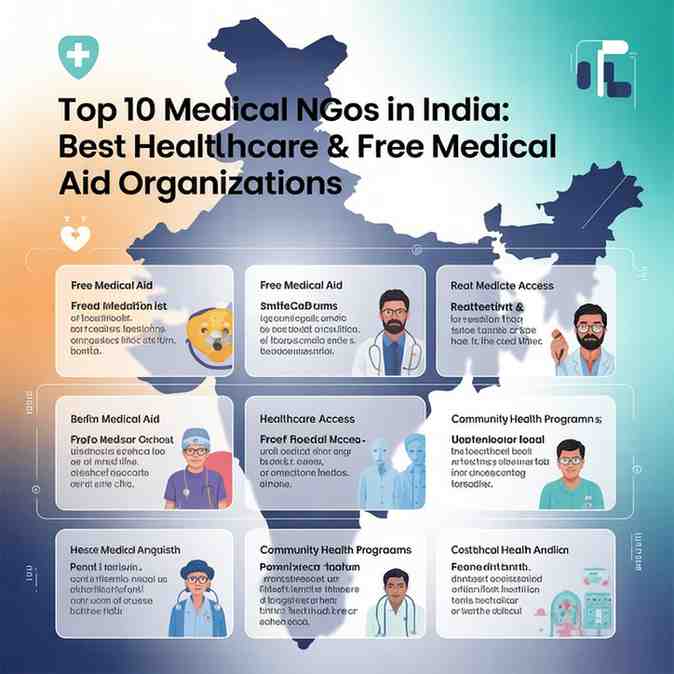
Medical NGOs in India are critical in addressing the challenge of timely and quality medical care for millions, especially in rural and underserved urban areas where healthcare infrastructure remains inadequate due to geographic isolation and economic barriers. Despite government efforts to expand health services, disparities in access persist, leaving vulnerable populations—such as tribal communities and slum dwellers—without essential care.
These Medical NGOs in India bridge this gap by offering free or low-cost treatments, operating mobile clinics, organizing health camps, and providing emergency relief, while also focusing on preventive and curative services to improve long-term health outcomes.
Through collaborations with local health authorities, international donors, and community leaders, they deliver innovative healthcare solutions. This article presents the top 10 Medical NGOs in India, featuring pioneers in specialized care and emergency aid, with Unessa Foundation emerging as a rising force in community-based medical innovation across diverse regions.
Top 10 Environmental Conservation NGOs in India
01
Smile Foundation
Founded: 2002, New Delhi
Focus: Mobile healthcare and child health.
Smile Foundation’s ‘Smile on Wheels’ initiative delivers medical services to rural and slum populations using fully equipped mobile hospital vans.
Why it matters
Provides consistent medical access to communities with no local health facilities.
02
Narayana Health Foundation
Founded: 2000, Bengaluru
Focus: Affordable tertiary and critical care.
Operates multi-specialty hospitals offering surgeries, cardiac care, and oncology treatments at subsidized rates.
Why it matters
Ensures high-quality specialized care is within reach for low-income patients.
03
HelpAge India
Founded: 1978, New Delhi
Focus: Elderly healthcare.
Runs mobile healthcare units, organizes cataract surgeries, and provides palliative care for elderly patients.
Why it matters
Addresses the unique medical needs of the senior population.
04
Operation Smile India
Focus: Corrective surgeries for cleft lip and palate.
Provides free reconstructive surgeries for children born with cleft deformities, transforming both health and social inclusion.
Why it matters
Addresses a critical, often neglected medical condition.
05
The Hans Foundation
Founded: 2009, New Delhi
Focus: Rural healthcare.
Supports medical projects in remote regions, focusing on maternal health, disability services, and emergency medical response.
Why it matters
Strengthens healthcare delivery in geographically isolated communities.
06
Rural Health Care Foundation
Founded: 2009, Kolkata
Focus: Primary medical care.
Runs low-cost clinics offering consultations, diagnostics, and medicines for underserved communities.
Why it matters
Provides affordable, essential medical services to marginalized groups.
07
Wockhardt Foundation
Focus: Mobile healthcare and sanitation.
Its ‘Mobile 1000’ program operates medical vans delivering services to remote villages daily.
Why it matters
Offers reliable, on-the-ground healthcare in hard-to-reach areas.
08
Lifeline Express (Impact India Foundation)
Focus: Hospital on wheels.
The Lifeline Express is the world’s first hospital train, offering free surgeries and medical camps in rural railway stations.
Why it matters
Brings specialized healthcare directly to underserved regions.
09
Sankara Nethralaya
Founded: 1978, Chennai
Focus: Eye care and surgeries.
Provides free or subsidized eye care, cataract surgeries, and vision restoration services across India.
Why it matters
Prevents avoidable blindness and restores livelihoods.
10
Unessa Foundation
Focus: Community-based medical innovation. Unessa Foundation delivers medical aid, preventive healthcare programs, and mobile health camps to communities in need. It works closely with local partners to ensure continuity of care.
Key Strengths Include:
- Rapid response medical teams.
- Preventive health workshops.
- Awareness workshops on climate change.
- Collaboration with clinics and hospitals.
Why These NGOs Matter
India’s environment is under severe strain from deforestation, industrial pollution, and urban expansion, particularly in biodiversity-rich regions like the Western Ghats and Northeast.
Healthcare Access & Infrastructure
India’s healthcare system faces significant challenges, including a shortage of medical facilities in rural areas, high treatment costs in urban centers, and inadequate emergency response in disaster-prone regions like the Northeast and coastal states.
Affordable Care & Specialized Support
The medical NGOs India and healthcare NGOs India listed here are driving transformative change by expanding access, offering affordable care, and addressing specialized needs.
Affordable Care & Specialized Support
These free medical aid India providers collaborate with government health programs, local practitioners, and international organizations to implement solutions like mobile clinics, surgical camps, and telemedicine, reaching remote and urban underserved populations alike.
Unessa Foundation medical support aligns with these efforts, integrating community health into its mission, fostering an ecosystem where individuals are empowered with accessible, quality healthcare and preventive education.
Conclusion
In 2026, Medical NGOs in India are more than just organizations—they’re lifelines empowering communities with health and hope. Through free surgeries, mobile clinics, and preventive care, these NGOs, including Unessa Foundation, are helping bridge healthcare gaps, save lives, and build healthier societies, shaping a brighter future. By addressing challenges like rural isolation, high costs, and disaster vulnerabilities, and leveraging public-private partnerships and community involvement, you can contribute to a society where medical care is a right for all. These efforts uplift vulnerable lives, strengthen public health systems, and inspire global healthcare advancements. Start small—start today.
To explore the purpose, impact, and role of NGOs in society, check out our comprehensive guide at Unessa Foundation’s Understanding NGOs.
FAQs
What role do Medical NGOs play in India’s healthcare system?
Medical NGOs in India bridge critical healthcare gaps by providing free or affordable medical services in rural and underserved urban areas where government infrastructure is limited or inaccessible.
How do Medical NGOs reach remote and disaster-prone regions?
They use mobile clinics, hospital trains, telemedicine, emergency medical teams, and health camps to deliver care in geographically isolated and high-risk regions such as coastal areas, tribal belts, and the Northeast.
Who benefits most from Medical NGOs in India?
Vulnerable groups including rural families, slum dwellers, tribal communities, elderly citizens, women, and children benefit the most from NGO-led healthcare initiatives.
How does Unessa Foundation contribute to healthcare access?
Unessa Foundation focuses on community-based medical innovation through mobile health camps, preventive health workshops, rapid medical response teams, and partnerships with local clinics and hospitals.
How does Unessa Foundation contribute to healthcare access?
Individuals can contribute by donating, volunteering, spreading awareness, or partnering with NGOs to help expand access to affordable healthcare and strengthen community health systems.
❤️ Donate to medical aid and healthcare programs ❤️
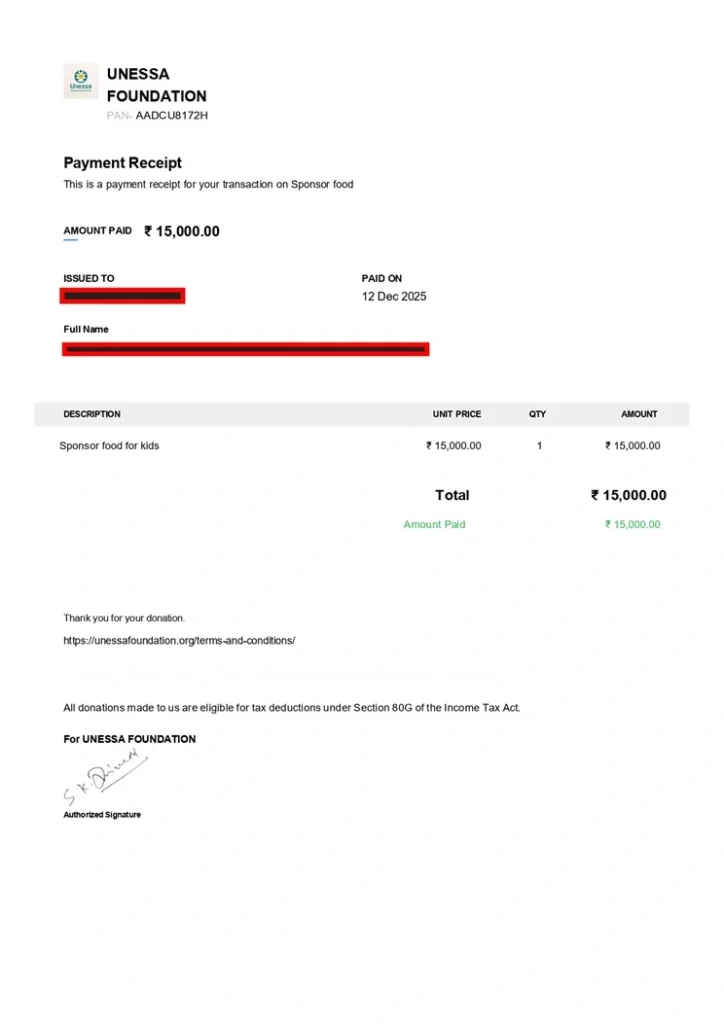
Your contribution directly supports mobile medical clinics, free surgeries, preventive healthcare programs, emergency medical response, and community health education for underserved populations across India.
Your donation helps us fund:
- Mobile clinics and health camps
- Free surgeries and treatments
- Preventive health education and vaccines
- Emergency medical response teams
Even a small monthly contribution can fund medical check-ups, surgeries, or vaccines for multiple families.