

Wondering how to support education for all in India? I was too, until I read 7 Powerful Paths to Achieve Education for All in India, a blog that turned my curiosity into action. With over 32 million children out of school in India, this guide inspired me to act. Here’s my take on 10 impactful ways to contribute, from donating to Unessa Foundation to volunteering, plus why education for all in India matters now more than ever. Let’s explore how you can help transform lives through child education in India.
Why Education for All in India Matters
Education isn’t just about classrooms; it’s a game-changer. The blog highlighted that one extra year of schooling can boost a child’s future income by 10%. It reduces early marriages, improves health, and lowers crime rates. As Unessa Foundation says, “When you teach a child, you empower generations.” With 32 million kids still out of school, your support for education for all in India can spark a ripple effect of change.
India’s Education Landscape: Progress and Challenges
India has bold initiatives:
Right to Education (RTE) Act 2009: Free education for ages 6–14.
Samagra Shiksha Abhiyan: Enhances school infrastructure and curricula.
Mid-Day Meal Scheme: Feeds 120 million kids daily, boosting attendance.
NEP 2020: Prioritizes foundational literacy and digital learning.
Yet, challenges persist:
Poverty pushes kids into labor.
Gender biases force girls into domestic roles.
Rural schools lack toilets or books.
The digital divide blocks access to online learning.
Unessa Foundation’s door-to-door surveys show that a simple conversation can bring a child back to school, proving small actions matter for education for all in India.
Stories That Inspire Action
The blog’s real-life stories hit hard:
Aarav’s Journey: A 9-year-old from Vadodara learned to read through Unessa’s learning circles, now reading bedtime stories to his mom.
Suresh’s Classroom: A 13-year-old’s advocacy led Unessa to build a classroom in his village, fueling his dream to become an engineer.
These stories show how education for all in India transforms individual lives and communities.
10 Ways You Can Support Education for All in India
The blog’s call to action gave me a clear path. Here are 10 ways you can make a difference:
Volunteer with NGOs: Join Unessa Foundation for in-person or online tutoring. Even a few hours a week helps.
Donate Supplies: Books or stationery ₹500 buys a learning kit via Unessa.
Sponsor a Child: ₹1,000/month covers tuition, meals, and supplies.
Bridge the Digital Divide: Donate old tablets or laptops for rural kids’ access to SWAYAM.
Raise Awareness: Share stories about education for all in India on social media.
Fund Infrastructure: ₹500 supports classroom upgrades like desks or blackboards.
Mentor Kids: Guide students on career paths or life skills remotely.
Engage Your Workplace: Pitch CSR partnerships to Unessa for broader impact.
Run a Fundraiser: Use birthdays to crowdfund for education programs.
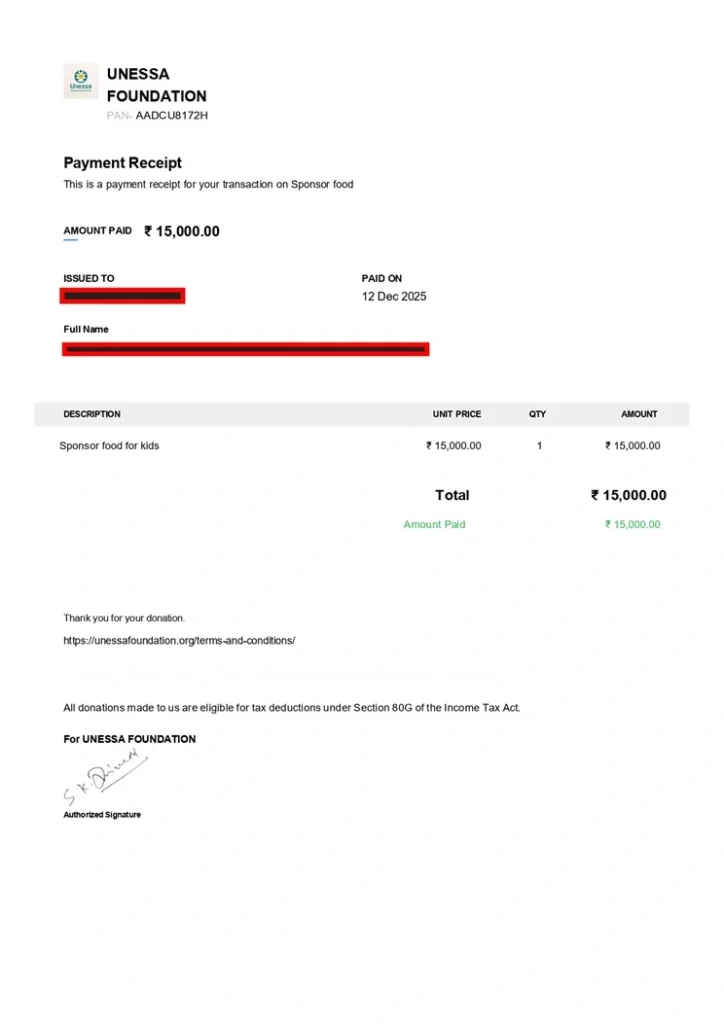
Donate Directly: Small gifts to Unessa turn into big results, like literacy workshops.
“₹1,000/month can educate a child. Skip a few coffees and change a life.” – Unessa Foundation
My Experience That Changed Everything
Last year, I joined Unessa’s storytelling workshop in Gujarat. On day one, kids like Rima were shy. By day three, Rima was confidently narrating stories, dreaming of journalism. That shift showed me the power of education for all in India and how I can contribute.
Busting Myths About Child Education in India
Myth: Free schools solve everything.
Truth: Many lack teachers or facilities.
Myth: Girls don’t want education.
Truth: Girls excel when given safe schools and resources.
Myth: Digital learning is universal.
Truth: Rural kids often lack internet or devices.
Your digital access puts you in India’s top 10%. Use it to support education for all in India.
FAQs About Education for All in India
What’s the biggest barrier to education?
Poverty, gender bias, and lack of infrastructure keep kids out of school.
How does Unessa ensure donation impact?
They provide transparent reports, photos, and progress updates.
Can I help without money?
Yes, volunteer, share stories, or start a free fundraiser.
How can companies get involved?
Unessa offers CSR partnerships.
Unessa Foundation’s Unique Approach
Unessa listens first, then acts:
Conducts home surveys to find out-of-school kids.
Trains local moms as teaching assistants.
Runs mobile libraries and story clubs.
Offers bridge courses for dropouts.
Their community-driven model ensures sustainable impact for education for all in India.
Resources to Dive Deeper
-
Unessa Foundation – Donate or volunteer.
-
SWAYAM – Free online courses.
-
ASER Centre – Education data.
-
ePathshala – Free digital textbooks.
-
The Learning Generation – Global education insights.
Your Role in Education for All in India
This blog turned my vague interest into a mission. I’m donating ₹500 to Unessa this week, sharing this post on WhatsApp, and planning a book drive at work. You can start small:
Donate: ₹100 buys books.
Volunteer: Mentor a child.
Share: Spread the word.
“You don’t need fame to change the world, just care enough to try.” – Unessa Foundation