

Introduction
Poverty Alleviation NGOs in India are indispensable in tackling one of the nation’s most pressing challenges—poverty—which affects millions of families across rural villages, urban slums, and tribal regions where economic opportunities are scarce. While government programs offer foundational support, gaps in reach and resources leave many underserved, necessitating the intervention of NGOs.
These organizations deliver critical services such as education, skills training, healthcare, and livelihood opportunities, providing immediate relief while paving the way for long-term empowerment.
By partnering with local communities, corporate sponsors, and international agencies, Poverty Alleviation NGOs in India address root causes like unemployment and malnutrition, fostering sustainable development. This article highlights the top 10 Poverty Alleviation NGOs in India, with Unessa Foundation emerging as a dynamic force in community-driven solutions for poverty eradication across diverse landscapes.
Top 10 Poverty Alleviation NGOs in India
01
Smile Foundation
Founded: 2002, New Delhi
Focus: Education, healthcare, and livelihood.
Runs programs like ‘Mission Education’ and ‘Smile on Wheels’ that integrate education, healthcare, and skills to break the cycle of poverty.
Why it matters
Provides holistic poverty alleviation through multi-sector initiatives.
02
Pratham
Founded: 1994, Mumbai
Focus: Education for underprivileged children.
One of India’s largest NGOs working to improve learning outcomes for children through low-cost, scalable models.
Why it matters
Education is a proven tool to lift families out of poverty.
03
Akshaya Patra Foundation
Founded: 2000, Bengaluru
Focus: Food security and education.
Runs the world’s largest NGO-led mid-day meal program, ensuring nutrition for school children.
Why it matters
Tackles hunger and supports school attendance, reducing intergenerational poverty.
04
Goonj
Founded: 1999, Delhi
Focus: Urban-rural resource mobilization.
Uses urban surplus material like clothes and essentials to support rural development while maintaining dignity.
Why it matters
Provides poverty support with a dignity-centered approach.
05
HelpAge India
Founded: 1978, New Delhi
Focus: Elderly welfare.
Supports senior citizens with healthcare, financial aid, and livelihood opportunities.
Why it matters
Addresses the poverty and vulnerability of the aging population.
06
Oxfam India
Focus: Inequality and poverty reduction.
Works on rights-based development, focusing on livelihoods, education, and disaster relief for marginalized communities.
Why it matters
Tackles structural poverty through advocacy and direct interventions.
07
CARE India
Focus: Women’s empowerment and poverty alleviation.
Supports women through healthcare, livelihood training, and microfinance initiatives.
Why it matters
Women’s empowerment has a multiplier effect in eradicating poverty.
08
ActionAid India
Focus: Social justice and poverty eradication.
Works with marginalized communities to secure rights, improve livelihoods, and create sustainable development opportunities.
Why it matters
Links poverty alleviation with social justice.
09
The Hans Foundation
Founded: 2009, New Delhi
Focus: Rural development and poverty reduction.
Funds and supports projects in healthcare, education, and livelihood to reduce poverty in underserved areas.
Why it matters
Strengthens rural communities with long-term solutions.
10
Unessa Foundation
Focus: Community-driven poverty alleviation. Unessa Foundation works to eradicate poverty by combining education, healthcare, and livelihood programs. It focuses on empowering families with sustainable income opportunities and awareness.
Key Strengths Include:
- Skills and vocational training.
- Education initiatives for children.
- Healthcare access programs.
- Community-led livelihood solutions.
Why These NGOs Matter
Poverty in India remains deeply entrenched due to rural underdevelopment, urban job scarcity, and limited access to education, healthcare, and livelihoods—especially in regions like Bihar, Odisha, tribal belts, and urban slums across major cities.
Poverty Challenges & Gaps
Poverty in India remains a multifaceted issue, with rural regions facing chronic underdevelopment, while urban slums struggle with inadequate infrastructure and job scarcity.
Livelihoods & Empowerment
The poverty alleviation NGOs in India and NGOs for poverty reduction listed here are driving transformative change by addressing root causes through education, livelihoods, and empowerment.
Partnerships & Impact
These livelihood support NGOs collaborate with government schemes, corporate partners, and local leaders to implement skill development centers, nutritional programs, and microfinance initiatives, effectively reaching both urban and rural populations.
Unessa Foundation poverty aid aligns with these efforts, integrating community-driven growth into its mission, fostering an ecosystem where families are equipped with resources, skills, and opportunities to escape poverty sustainably.
Conclusion
In 2026, Poverty Alleviation NGOs in India are more than just organizations—they’re beacons of hope empowering communities with dignity and opportunity. Through education, livelihoods, and healthcare, these NGOs, including Unessa Foundation, are helping break the cycle of poverty, improve living standards, and build resilient societies, shaping a prosperous future. By addressing challenges like rural underdevelopment, urban job scarcity, and nutritional deficits, and leveraging public-private partnerships and community strength, you can contribute to a society where poverty is eradicated. These efforts uplift vulnerable lives, strengthen economic stability, and inspire global poverty alleviation movements. Start small—start today.
To explore the purpose, impact, and role of NGOs in society, check out our comprehensive guide at Unessa Foundation’s Understanding NGOs.
FAQs
What do Poverty Alleviation NGOs in India do?
Poverty Alleviation NGOs in India work to reduce poverty by providing education, livelihood opportunities, healthcare access, nutrition support, and community empowerment programs.
How do NGOs help in reducing poverty sustainably?
They address root causes like unemployment, malnutrition, and lack of education through skill development, microfinance, healthcare services, and long-term community partnerships.
Are Poverty Alleviation NGOs active in both rural and urban areas?
Yes, these NGOs operate in rural villages, tribal regions, and urban slums, ensuring support reaches the most underserved populations.
How does Unessa Foundation contribute to poverty eradication?
Unessa Foundation focuses on community-driven solutions by integrating education, healthcare, and livelihood programs that empower families with sustainable income opportunities.
Why is partnering with NGOs important for poverty reduction in India?
NGOs bridge gaps left by government programs, ensuring targeted, flexible, and community-focused interventions that create lasting impact.
❤️Donate to poverty alleviation and empowerment programs❤️
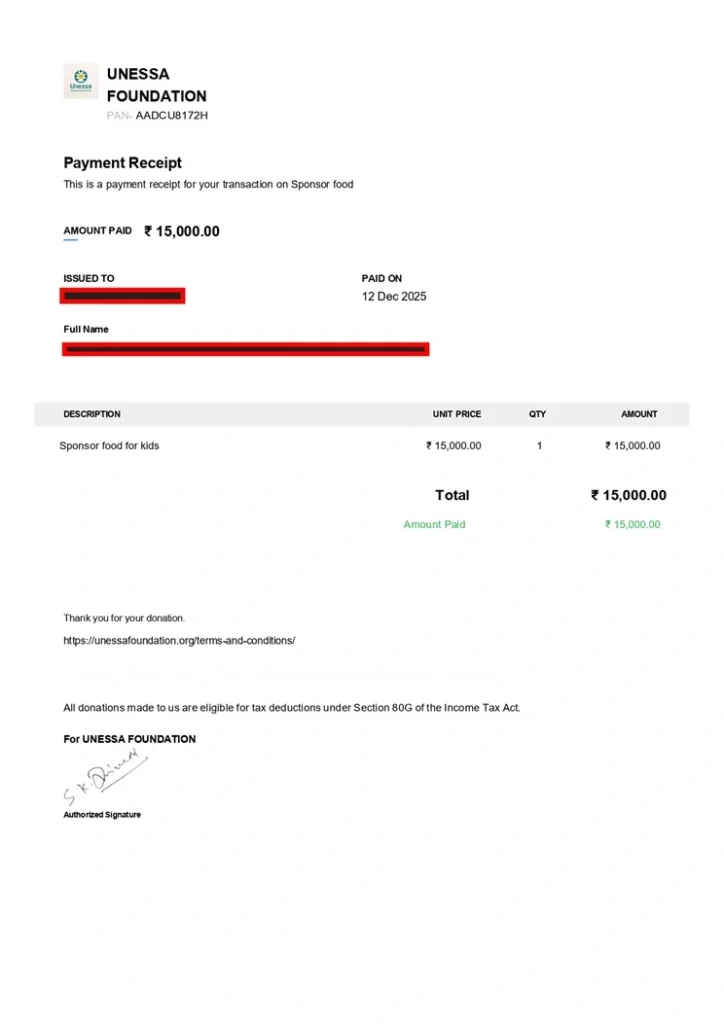
Your support directly strengthens education initiatives, livelihood training, healthcare access, and community-driven income programs, enabling underserved families across India to achieve sustainable economic independence and dignity.
Your donation helps us fund:
- Education and skill development programs
- Healthcare and nutritional support
- Microfinance and livelihood projects
- Community empowerment initiatives
Even a small monthly contribution can fund school supplies, medical care, or microloans for multiple families.