

Introduction: Why Zakat Is So Widely Misunderstood
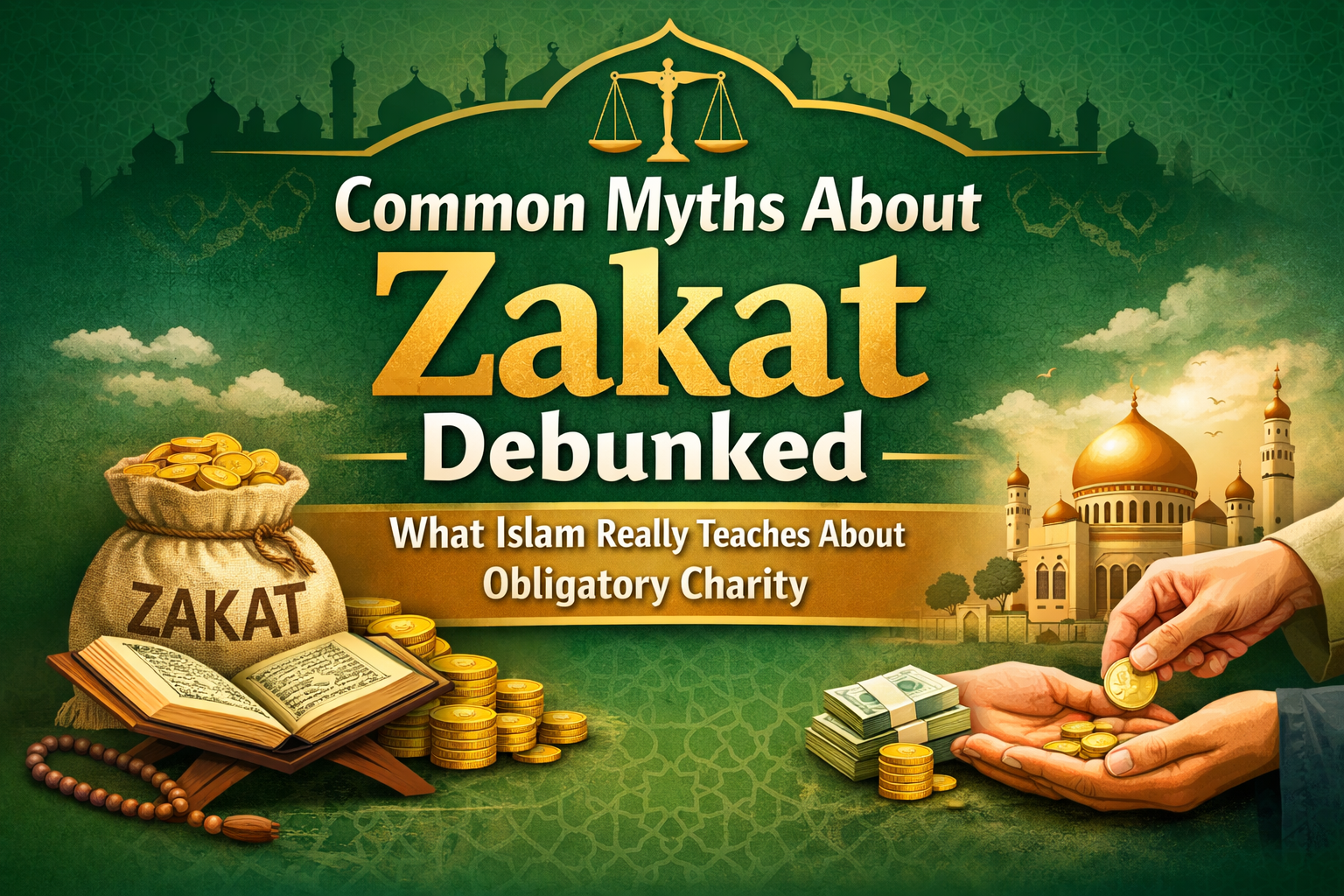
Many Common Myths About Zakat come from cultural habits and incomplete understanding of Islamic teachings.
Zakat is one of the most visible pillars of Islam—and paradoxically, one of the most misunderstood. Almost every Muslim has heard of Zakat, yet many remain unsure about who must pay it, how it should be calculated, and where it should go.
These misunderstandings don’t come from bad intentions. They often grow from cultural habits, incomplete learning, or the assumption that Zakat is simply another form of charity. Over time, these assumptions turn into myths—and myths create hesitation, delay, and sometimes complete neglect.
Debunking common myths about Zakat is not about correction for its own sake. It’s about clarity. When Zakat is understood properly, it becomes easier to give, spiritually lighter to carry, and more powerful in its impact. Understanding the Common Myths About Zakat helps Muslims practice their faith with clarity and confidence. You can also explore detailed guidance on Zakat at Islamic Relief.
Let’s separate fact from fiction.
Myth 1: Zakat Is Just Voluntary Charity
Reality: Zakat Is a Religious Obligation
One of the most common misconceptions is treating Zakat as optional generosity—similar to donating when one feels inspired.
In Islam, Zakat is fard (obligatory). It is a pillar of Islam, placed alongside prayer, fasting, and pilgrimage. Unlike voluntary charity (Sadaqah), Zakat is required once specific conditions are met.
Failing to pay Zakat when eligible is not a small oversight. It is a neglect of a core religious duty with spiritual consequences.
Key takeaway:
Zakat is not kindness. It is obedience.
Myth 2: Zakat Reduces Your Wealth
Reality: Zakat Brings Barakah, Not Loss
From a purely mathematical angle, giving money away looks like loss. But Islam does not measure wealth only in numbers.
Zakat purifies what remains. It introduces barakah—a form of blessing that brings ease, sufficiency, and stability.
Many people who consistently give Zakat notice:
- Fewer financial crises
- Better control over spending
- A sense of peace around money
Islam teaches that charity does not decrease wealth; it protects it from harm and imbalance.
Key takeaway:
Zakat doesn’t shrink wealth. It strengthens it.
Myth 3: Only the Rich Have to Pay Zakat
Reality: Zakat Is Based on Nisab, Not Lifestyle
Zakat is not reserved for the wealthy elite. It applies to anyone whose savings or eligible assets exceed the Nisab threshold for one full lunar year.
This includes many middle-income earners who:
- Save regularly
- Hold gold or investments
- Run small businesses
Because Nisab is often misunderstood, many people unknowingly delay or avoid Zakat.
Key takeaway:
Zakat is about eligibility, not income labels.
Myth 4: Zakat Can Be Given to Anyone
Reality: Zakat Has Defined Recipients
While Sadaqah can be given freely, Zakat has strict guidelines. The Quran clearly defines who can receive Zakat including:
- The poor and needy
- Those in debt
- Stranded travelers
- Others specified in Islamic law
This structure ensures fairness and dignity. Zakat is not emotional giving—it is a rights-based system.
Key takeaway:
Zakat must be given correctly to count.
Myth 5: Zakat Is Only Paid During Ramadan
Reality: Zakat Is Due When It Becomes Payable
Ramadan is a popular time to give Zakat because of increased spiritual reward. However, Zakat becomes obligatory once a lunar year passes over eligible wealth.
Delaying Zakat simply to wait for Ramadan—without a valid reason—can lead to missed obligations.
Key takeaway:
Timing matters more than tradition.
Myth 6: Zakat Is Only Paid on Cash
Reality: Zakat Applies to Multiple Asset Types
Zakat is not limited to money in a bank account. Depending on ownership, it may apply to:
- Cash and savings
- Gold and silver
- Business inventory
- Investments and trade goods
Ignoring non-cash assets often results in underpaying Zakat.
Key takeaway:
Zakat follows wealth, not just cash.
Myth 7: Zakat and Sadaqah Are the Same
Reality: They Serve Different Purposes
This myth creates serious confusion.
- Zakat is obligatory, fixed, and structured
- Sadaqah is voluntary, flexible, and unlimited
Giving large amounts of Sadaqah does not cancel the obligation of Zakat.
Key takeaway:
Good intentions do not replace obligations.
Myth 8: Paying Taxes Replaces Zakat
Reality: Taxes and Zakat Are Not Interchangeable
Taxes support public systems. Zakat is an act of worship commanded by Allah.
Zakat is about:
- Spiritual purification
- Moral accountability
- Social justice through faith
No government tax can replace a religious pillar.
Key takeaway:
Zakat is worship, not policy.
Myth 9: Zakat Is Only for the Poor
Reality: Zakat Also Purifies the Giver
Zakat does more than help recipients. It:
- Cleanses greed
- Builds humility
- Strengthens reliance on Allah
Islam emphasizes that wealth affects the heart. Zakat protects faith from becoming materialistic.
Key takeaway:
Zakat transforms both sides of society.
Myth 10: If I Don’t Feel Ready, I Can Delay Zakat
Reality: Zakat Is Not Based on Emotion
Zakat becomes obligatory when conditions are met—not when someone feels emotionally prepared.
Delaying often increases anxiety and confusion. Learning and acting brings clarity.
Key takeaway:
Action builds readiness, not the other way around.
Myths vs Facts: Zakat at a Glance
| Myth | Fact |
|---|---|
| Zakat is optional | Zakat is mandatory for eligible Muslims |
| Zakat reduces wealth | Zakat brings barakah and protection |
| Only rich people pay Zakat | Anyone above Nisab must pay |
| Zakat can go to anyone | Zakat has defined recipients |
| Zakat is only in Ramadan | Zakat is due once yearly |
| Zakat is only cash | Zakat applies to multiple assets |
| Sadaqah replaces Zakat | Sadaqah does not replace Zakat |
| Taxes replace Zakat | Zakat is a religious duty |
| Zakat helps only the poor | Zakat purifies the giver too |
| Readiness determines Zakat | Eligibility determines Zakat |
Why Common Myths About Zakat Must Be Cleared
Final Reflection
Zakat was never meant to confuse or burden believers. It exists to purify wealth, balance society, and soften hearts.
When myths are removed, Zakat becomes what it truly is:
- A clear obligation
- A source of barakah
- A bridge between faith and compassion
Understanding Zakat correctly is not just about paying it—it’s about living its purpose.
Understanding the Common Myths About Zakat helps Muslims fulfill their obligations with clarity and confidence.Clearing the Common Myths About Zakat makes it easier for Muslims to fulfill this important pillar with confidence.You can also read our guide on Why Zakat Is the Third Pillar of Islam.
FAQ
Is Zakat mandatory in Islam?
Yes. Zakat is a pillar of Islam for eligible Muslims.
Does Zakat reduce wealth?
No. Zakat brings barakah and spiritual growth.
Is Zakat only paid in Ramadan?
No. Zakat is due once a lunar year passes.
Can Sadaqah replace Zakat?
No. Sadaqah is voluntary; Zakat is obligatory.
Is Zakat only for the poor?
No. Zakat also purifies the giver’s heart and wealth.