

Introduction
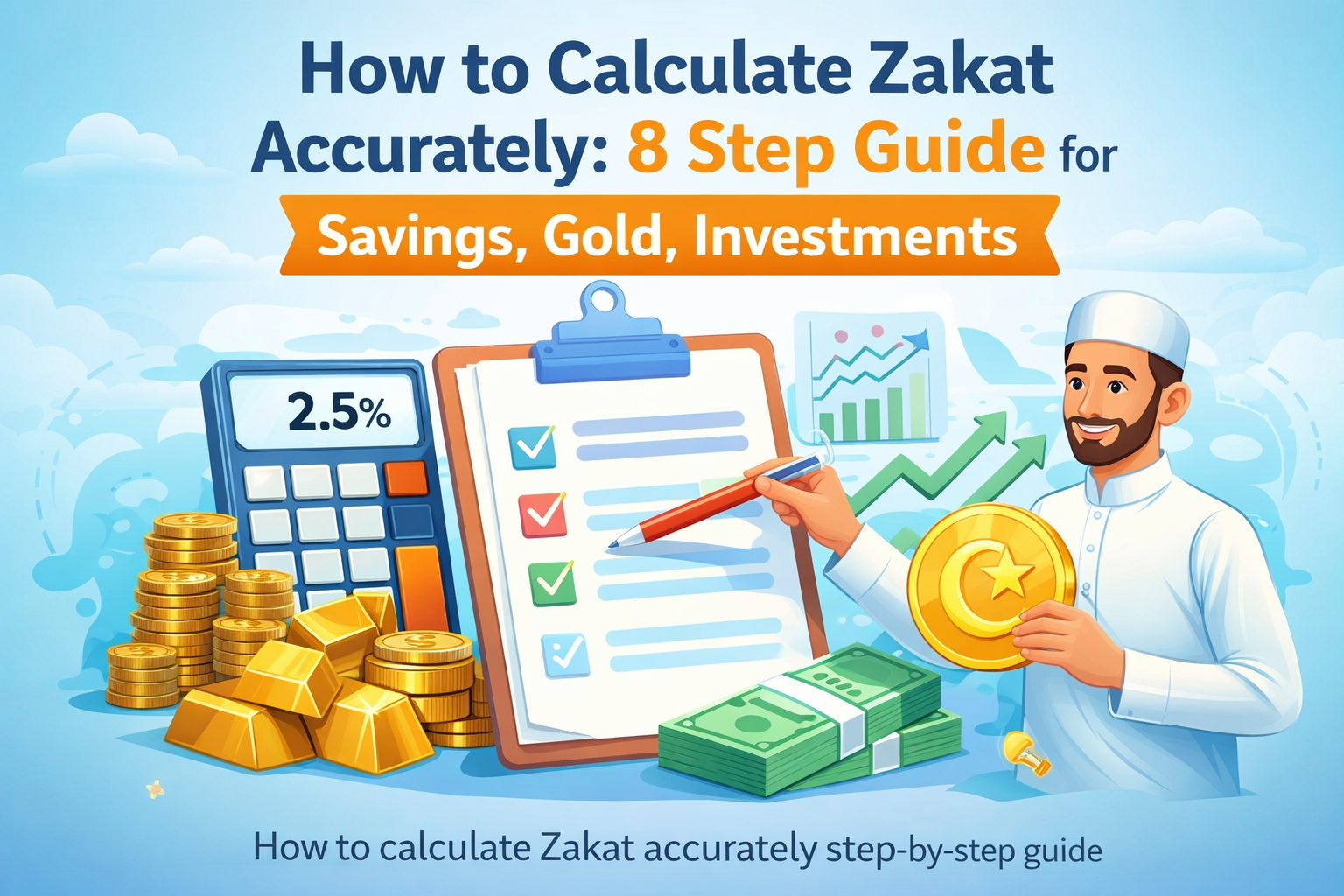
How to Calculate Zakat Accurately Every year, millions of Muslims ask the same question:
“Am I calculating my Zakat correctly?”
It may sound simple—just give 2.5% of your wealth—but in reality, Zakat calculation can become complicated when modern finances enter the picture.
Savings accounts.
Stocks.
Cryptocurrency.
Rental income.
Business inventory.
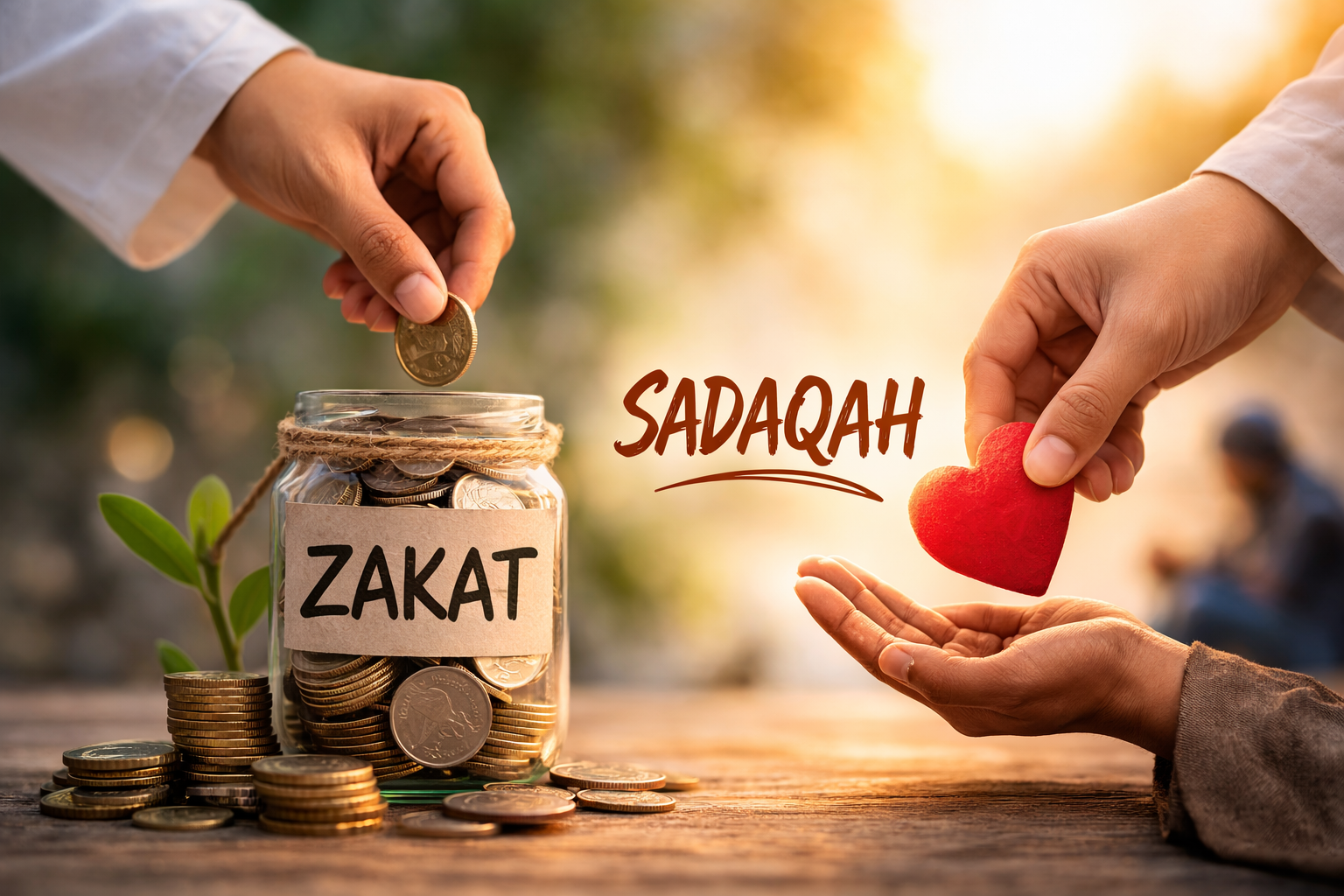
Suddenly the calculation becomes less obvious. Many Muslims also confuse Zakat with voluntary charity. You can read our detailed guide on [Zakat vs Sadaqah](/zakat-vs-sadaqah-differences-when-to-give).
A scholar once explained Zakat beautifully:
“Zakat is not merely charity—it is a system of justice that redistributes wealth with precision.”
👉 Click here to get a complete and easy-to-understand guide: Zakat meaning and rules
Learning how to calculate Zakat accurately ensures that you fulfill a religious obligation. while maximizing its social impact.
In this comprehensive guide, you will learn:
- The step-by-step process for calculating Zakat
- Which assets are included and excluded
- How to adjust Zakat for debts and liabilities
- Common mistakes that cause incorrect Zakat payments
By the end of this guide, you will know exactly how to calculate Zakat accurately and confidently.
Step 1: Check Nisab Before You Calculate Zakat Accurately
Before calculating Zakat, you must first determine whether Zakat is obligatory for you.
This depends on the Nisab threshold, which represents the minimum wealth required before Zakat becomes mandatory.
The Nisab is traditionally based on the value of:
- 87.48 grams of gold
OR - 612.36 grams of silver
Because silver is less expensive, many scholars recommend using the silver Nisab, which makes more people eligible to pay Zakat and increases charity for the poor.
Each year the value changes depending on global metal prices, which is why many people check the updated Zakat Nisab threshold for the current year before calculating their Zakat.
If your total eligible wealth exceeds Nisab and has been held for one lunar year, you must calculate Zakat.
👉 Click here to get a complete and easy-to-understand guide: zakat calculation guide
Step 2: List All Zakatable Assets
The next step in calculating How
to Calculate Zakat Accurately is identifying all assets subject to Zakat.
Many people underestimate this step and only consider their bank balance.
However, several types of wealth may require Zakat.
Common Zakatable Assets
Savings accounts
Cash holdings-(👉Click Here to know more – calculate your zakat correctly)
Gold and silver-(👉Click Here to know more – how to calculate zakat )
Business inventory-(👉Click Here to know more – zakat calculator method)
Stocks and investments-(👉Click Here to know more – how much zakat should i pay)
Cryptocurrency
Rental income
Agricultural produce
Livestock
For example, someone who owns gold jewelry may not realize that gold held for savings is subject to Zakat, which is why understanding the rules for Zakat on gold and jewelry is important.
Similarly, modern financial assets like stocks, crypto, and investment portfolios also need careful calculation.
Step 3: Calculate the Total Value of Assets
After identifying Zakatable assets, the next step is determining their current market value.
For example:
Savings: $8,000
Gold jewelry: $2,000
Stocks: $3,000
Cryptocurrency: $1,000
Total Zakatable assets:
$14,000
The key rule is to use the current value, not the original purchase price.
For instance, if you purchased gold years ago, you must calculate Zakat based on its present market value.
The same applies to stocks and investments.
Many investors therefore learn how to calculate Zakat on stocks and investments separately to ensure accuracy.
Step 4: Deduct Eligible Debts and Liabilities
Islam allows certain debts to be deducted before calculating Zakat.
This ensures fairness in the obligation.
Eligible deductions may include:
Short-term debts
Outstanding bills
Loan payments due within the year
Business liabilities
For example:
Total assets = $14,000
Outstanding debts = $2,000
Adjusted Zakatable wealth:
$12,000
However, not all debts qualify for deduction.
Long-term debts such as mortgages are typically treated differently depending on scholarly opinion.
This is why many people learn how to adjust Zakat calculations for debts and loans before finalizing their Zakat amount.
Step 5: Apply the Standard Zakat Rate
Once you determine your net Zakatable wealth, calculating Zakat becomes simple.
The standard Zakat rate is:
2.5%
Using the previous example:
Net wealth = $12,000
Zakat due:
2.5% × $12,000 = $300
This amount should be given to eligible Zakat recipients.
Step 6: Consider Special Asset Categories
Modern financial systems have introduced several asset types that require special Zakat rules.
Zakat on Business Assets
Entrepreneurs must calculate Zakat on:
Business inventory
Cash reserves
Receivables
Many business owners therefore learn how to calculate Zakat on business inventory and assets separately.
Zakat on Real Estate
Property used for personal residence is not subject to Zakat.
However, rental properties generating income may require Zakat on rental profits and savings.
Understanding Zakat rules on real estate and rental income can help property investors calculate correctly.
Zakat on Cryptocurrency
xDigital assets like Bitcoin have raised new questions.
Most modern scholars treat cryptocurrency as a Zakatable asset similar to currency or investments.
Therefore, Zakat is calculated based on the current market value of the crypto holdings.
👉 Click here to get a complete and easy-to-understand guide: zakat on Cryptocurrency
Step 7: Avoid Common Zakat Calculation Mistakes
Even well-intentioned Muslims sometimes calculate Zakat incorrectly.
Here are some common mistakes.
Ignoring investment assets
Many people forget to include stocks or business profits.
Using outdated asset values
Zakat must always be calculated using current market prices.
Forgetting debts
Failing to deduct legitimate debts can lead to overpaying or underpaying Zakat.
Misunderstanding jewelry rules
Gold worn as jewelry may still require Zakat depending on scholarly interpretation.
Learning the most common Zakat calculation mistakes can help avoid these issues.
Step 8: Use a Zakat Calculator
Because modern finances can become complex, many Muslims now rely on digital tools.
A Zakat calculator simplifies the process by guiding users through:
Asset categories
Debt adjustments
Automatic calculations
These tools ensure greater accuracy and save time.
For beginners especially, following a step-by-step Zakat calculator tutorial can make the entire process much easier.
Why Accurate Zakat Calculation Matters
Accurate Zakat calculation is not just a financial exercise.
It carries deep spiritual significance.
When Muslims give Zakat correctly:
Wealth becomes purified
Communities receive support
Social justice improves
The Prophet Muhammad (peace be upon him) said:
“Charity does not decrease wealth.”
Many believers share personal stories of how giving Zakat brought unexpected blessings into their lives.
Conclusion
Learning how to calculate Zakat accurately is an essential responsibility for every eligible Muslim. By following these steps, every Muslim can learn how to calculate Zakat accurately and ensure their charity reaches those who need it most.
The process can be summarized in a few key steps:
- Check whether your wealth exceeds the Nisab threshold
- Identify all Zakatable assets
- Calculate their current market value
- Deduct eligible debts and liabilities
- Apply the 2.5% Zakat rate
- Consider special rules for modern assets
- Avoid common calculation mistakes
- Use reliable tools to simplify the process
When done correctly, Zakat becomes far more than a calculation.
It becomes a powerful act of faith that transforms both the giver and the recipient.
And perhaps that is the true beauty of Zakat.
A small percentage of wealth can create a lifetime of impact for someone in need.
Additional Resources
Books
Tools
Communities
- Local mosques
- Islamic charity organizations