

Why Zakat is the third pillar of Islam is a question that reveals the heart of Islamic teachings. Zakat is not just charity; it is an act of worship that connects faith with responsibility and transforms wealth into a tool for justice and compassion.
Islam is built on five foundational pillars that shape a Muslim’s life:
1. Shahada – Declaration of faith
2. Salah – Prayer
3. Zakat – Obligatory charity
4. Sawm – Fasting in Ramadan
5. Hajj – Pilgrimage to Makkah
Zakat’s placement immediately after prayer is not symbolic—it is instructional. Islam teaches that belief must be followed by discipline, and discipline must lead to responsibility. Zakat is where private worship meets public good.
Faith without concern for others is incomplete. Zakat makes belief visible. Many scholars explain the importance of Zakat in detail through authentic Islamic teachings
Worship Through Wealth
Zakat transforms wealth into an act of devotion.
Social Justice
It reduces inequality and restores fairness.
Shared Responsibility
Strengthens bonds within society.
Why Zakat Is the Third Pillar of Islam: Worship, Not Just Charity
A common misunderstanding is treating Zakat as generosity or philanthropy. In Islam, Zakat is an act of worship equal in status to prayer and fasting.
• It is not optional.
• It is not emotional giving.
• It is not dependent on mood.
Zakat is a divine command. It transforms money into worship when given with sincerity and obedience.
Why Zakat Comes After Prayer
Prayer builds a relationship with Allah.
Zakat builds a relationship with society.
Prayer purifies time.
Zakat purifies wealth.
This pairing creates balance.
Islam does not accept a form of spirituality that disconnects from human suffering. A person may pray five times a day, but if they ignore hunger, debt, and hardship around them, their faith remains incomplete.
Zakat ensures worship produces ethical behavior and social responsibility.
Zakat as a Pillar of Social Justice
Zakat is not voluntary kindness—it is a right of the poor.
Islam does not frame poverty solely as personal failure. It recognizes inequality, imbalance, and structural injustice. Zakat addresses these issues by redistributing wealth ethically and consistently.
Through Zakat:
- Basic needs are met
- Dignity is preserved
- Wealth circulation is restored
- Social resentment is reduced
Modern economic studies show that extreme wealth concentration destabilizes societies. Zakat counters this by design—preventing hoarding and ensuring flow.
This is why Zakat is a pillar. Without it, social harmony collapses.
A Test of Faith Through Wealth
Wealth is one of the greatest tests in human life. The Quran
repeatedly warns that money can harden hearts and distort priorities.
Zakat exists to prevent that corruption.
By making Zakat obligatory, Islam teaches that wealth is:
- A trust, not ownership
- A means, not a goal
- A responsibility, not a privilege
Zakat trains believers to detach from greed while remaining productive. It balances ambition with humility.
This discipline is as essential to spiritual health as prayer itself.
Prophetic Emphasis on Zakat
Prophet Muhammad (PBUH) emphasized Zakat throughout his life.
He declared that Islam is built upon five pillars—including Zakat—placing it at the foundation of faith.
After the Prophet’s passing, when some tribes refused to pay Zakat while continuing prayer, Caliph Abu Bakr (RA) took a firm stand. He made it clear that rejecting Zakat was not a minor issue—it threatened the integrity of Islam itself.
This moment in history demonstrates that Zakat is not personal charity. It is a pillar that sustains the faith community
Zakat Protects Both Giver and Receiver
Zakat is designed to heal society from both ends.
For the giver:
- Purifies the heart from greed
- Brings barakah into wealth
- Builds trust in Allah
- Protects against arrogance
For the receiver:
- Meets essential needs
- Preserves dignity
- Reduces dependency
- Restores opportunity
Unlike random charity, Zakat is structured to uplift without humiliation. It does not create superiority—it creates balance.
Why Zakat Is Not Optional in Islam
Optional acts inspire goodness.
Pillars sustain the structure.
Zakat is a pillar because:
- Without it, wealth becomes injustice
- Without it, faith becomes abstract
- Without it, compassion becomes selective
Islam does not leave social welfare to chance. Zakat institutionalizes care, fairness, and accountability.
A structure cannot stand on optional supports.
Zakat in the Modern World: Why It Still Matters
Today, global inequality continues to rise. A small percentage controls the majority of wealth, while millions struggle with food insecurity, education gaps, and debt.
Zakat offers a faith-based economic model that remains deeply relevant:
- Mandatory wealth circulation
- Ethical distribution
- Dignity-centered support
- Community-driven welfare
When implemented properly, Zakat can reduce poverty, empower communities, and strengthen social trust—without dependence on unstable aid systems.
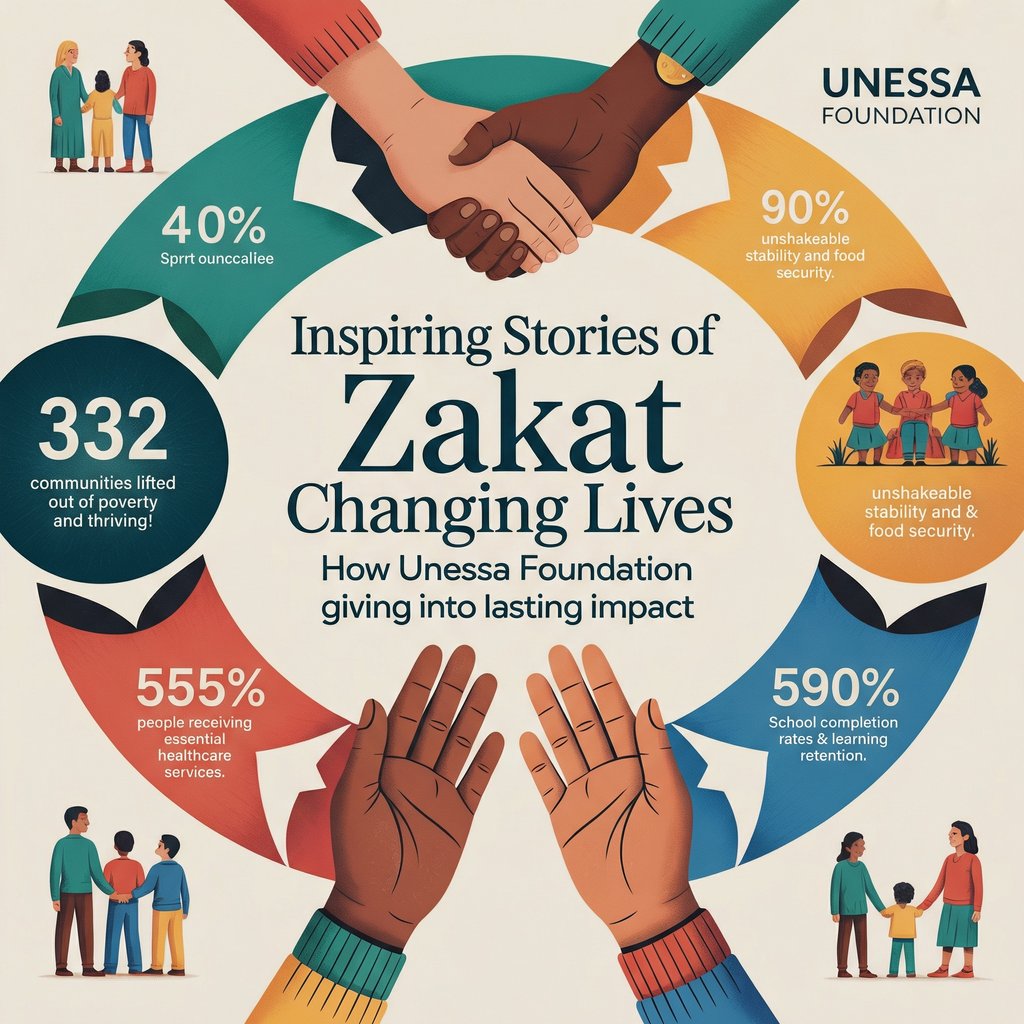
Zakat offers a faith-based economic model that remains deeply relevant and is often implemented through trusted Muslim NGOs worldwide
A Pillar That Connects Heaven and Earth
Zakat stands at a unique intersection:
- Commanded by Allah
- Serving human needs
- Purifying the soul
- Strengthening society
It is placed as the third pillar because it is the moment where belief turns into responsibility.
Not before faith and prayer.
Not after fasting and pilgrimage.
Exactly where action must follow belief.
Final Reflection
Zakat is the third pillar of Islam because Islam is not only about believing—it is about caring.
It teaches that worship must touch lives, wealth must serve purpose, and faith must produce justice.
Zakat anchors Islam in the real world. Without it, faith becomes isolated. With it, belief becomes lived, shared, and transformative.
Zakat is not a burden.
It is balance.
It is mercy.
It is responsibility turned into worship. If you are unsure about calculations, read our guide on how to calculate Zakat correctly.
Understanding why Zakat is the third pillar of Islam helps Muslims see the deeper wisdom behind this obligation.
It is not only a financial duty but also a spiritual system designed to create balance in society. This is exactly why Zakat is the third pillar of Islam—because it connects belief with responsibility and ensures that wealth serves a higher purpose.
Many scholars explain why Zakat is the third pillar of Islam by highlighting its impact on both the soul and society. When believers understand why Zakat is the third pillar of Islam, they realize it is not only about giving money, but about building justice, compassion, and responsibility within the community.
This clearly explains why Zakat is the third pillar of Islam and why it holds such an important place in a Muslim’s life.
FAQs
Why is Zakat the third pillar of Islam?
Because Islam connects faith with responsibility—Zakat turns belief into action.
Is Zakat charity or worship?
Zakat is worship (ibadah), not optional charity.
Why does Zakat come after prayer?
Prayer purifies the soul; Zakat purifies wealth and society.
Is Zakat mandatory for Muslims?
Yes. It is compulsory for eligible Muslims, like prayer and fasting.
What is the main purpose of Zakat?
To purify wealth, reduce inequality, and support those in need.
Who benefits from Zakat?
The poor, needy, those in debt, and other eligible groups defined in Islam.
Does Zakat reduce wealth?
No. Islam teaches that Zakat brings barakah (blessing) to wealth.
. Can Islam function without Zakat?
No. Without Zakat, faith loses its social and ethical balance.