

Hunger does not begin with an empty plate. It begins with uncertainty. A missed paycheck. Rising food prices. A medical emergency. For millions of families, one financial shock can mean skipped meals.
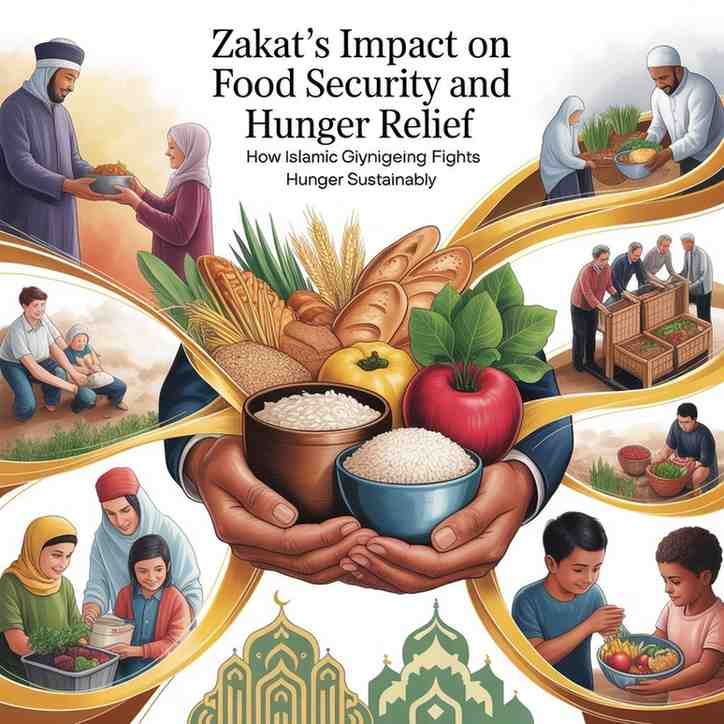
This is where Zakat’s Impact on Food Security and Hunger Relief becomes more than a religious concept—it becomes a practical solution.
At Unessa Foundation, we witness daily how structured Zakat distribution protects families from hunger while helping them regain stability. When managed strategically, Zakat does not only feed the hungry. It builds resilience, restores dignity, and strengthens communities.
👉Click here to know more about What is Zakat
Let’s explore how.
Understanding Zakat’s Impact on Food Security and Hunger Relief in a Changing World
Food security means consistent access to sufficient, safe, and nutritious food for an active, healthy life.
- Rising inflation and food costs
- Climate-related crop failures
- Economic downturns
- Conflict and displacement
- Urban unemployment
According to global food security reports, low-income households spend up to 60–70% of their income on food. When prices rise, nutrition drops.
The groups most affected
include:
- Daily wage earner
- Widows and single mothers
- Orphans
- Elderly individuals without support
- Refugees and displaced families
For these households, hunger is not seasonal—it is persistent.
This is where Zakat’s Impact on Food Security and Hunger Relief becomes crucial.
What is Zakat’s Impact on Food Security and Hunger Relief?
Zakat is one of the five pillars of Islam. It is not optional charity—it is a structured obligation designed to redistribute wealth to eligible categories, including:
- The poor (al-fuqara)
- The needy (al-masakin)
- Those burdened by debt
- Vulnerable travelers
Unlike voluntary donations, Zakat operates within a defined ethical framework. It is meant to reduce inequality and preserve dignity.
In practical terms, Zakat’s Impact on Food Security and Hunger Relief is powerful because:
It provides predictable funding
It targets vulnerable
groups
It operates within accountability structures
It promotes social responsibility
When collected and distributed properly, Zakat becomes a sustainable anti-hunger mechanism.
Immediate Hunger Relief: Meeting Urgent Needs
When a family has no food for tonight, long-term planning must wait. Immediate relief is essential.
Zakat funds can directly support:
1. Food Basket Distribution
Carefully designed food packages typically include:
- Rice or wheat flour
- Lentils and pulses
- Cooking oil
- Sugar and salt
- Essential staples
These baskets provide nutrition for several weeks and protect families from malnutrition.
2. Community Kitchens
For individuals without cooking facilities—such as the homeless or displaced—community kitchens funded by Zakat provide hot, ready-to-eat meals.
These kitchens do more than feed people. They:
Prevent health deterioration
Promote social cohesion
Reduce emergency healthcare costs
3. Emergency Food Assistance
Natural disasters, sudden job loss, or medical crises can push stable families into hunger overnight. Rapid Zakat disbursement ensures that food insecurity does not escalate into starvation.
This is the immediate layer of Zakat’s Impact on Food Security and Hunger Relief.
👉click here to know more about emergency food assistance
Moving Beyond Food Distribution: Building Food Security
While emergency aid is critical, sustainable food security requires structural solutions.
This is where Zakat evolves from relief to resilience.
Supporting Livelihood Programs
Zakat funds can support:
- Small-scale farming
- Poultry or livestock programs
- Food production micro-enterprises
- Home-based catering businesses
- Agricultural training
When families earn income, they gain purchasing power. That reduces dependency and increases long-term food access.
For example:
A widow receiving monthly rations may remain dependent.
The same widow trained in poultry farming may generate regular income and eventually become self-sufficient.
This shift defines the deeper layer of Zakat’s Impact on Food Security and Hunger Relief.
Why Food Security Is About More Than Food
Food insecurity affects every part of life.
Health Outcomes
Malnutrition increases vulnerability to disease. Children facing food shortages experience stunted growth and weakened immunity.
Proper nutrition funded
through Zakat:
- Improves maternal health
- Enhances child development
- Reduces illness
Education Outcomes
Hungry children struggle to concentrate. School attendance drops when meals are uncertain.
When households benefit from Zakat-supported food security:
- Children remain in school
- Academic performance improves
- Long-term earning potential increases
Economic Stability
Food security stabilizes household budgets. Families can redirect limited funds toward
- Education
- Housing
- Healthcare
- Small investments
This multiplier effect demonstrates the broad scope of Zakat’s Impact on Food Security and Hunger Relief.
How Unessa Foundation Maximizes Zakat Impact
Effective hunger relief requires more than distribution. It requires systems.
At Unessa Foundation, the process includes:
- Beneficiary Identification
Each applicant is carefully assessed to ensure eligibility under Islamic guidelines.
- Needs Assessment Surveys
Household-level data collection identifies:
- Income levels
- Family size
- Food consumption patterns
- Vulnerability indicators
- Transparent Allocation
Zakat funds are designated specifically for food-related assistance when applicable. Clear financial tracking ensures accountability.
- Ongoing Monitoring
Follow-up visits help determine whether families require:
- Continued food support
- Transition into livelihood programs
- Emergency intervention
This structured approach strengthens Zakat’s Impact on Food Security and Hunger Relief.
The Economic Logic Behind Zakat-Based Hunger Relief
Islamic social finance is increasingly recognized as a viable poverty-reduction strategy.
Why?
Because:
- Zakat redistributes idle wealth
- It increases consumption among low-income households
- It stimulates local markets
It reduces economic inequality
When families spend Zakat-funded support on food purchased locally, it boosts small vendors and farmers. That circulation strengthens the local economy.
Thus, Zakat’s Impact on Food Security and Hunger Relief also contributes to broader economic development.
Challenges in Hunger Relief Efforts
Despite its potential, hunger relief initiatives face obstacles:
- Rising global food prices
- Supply chain disruptions
- Increasing demand
- Logistical barriers in remote areas
- Limited public awareness
However, structured planning and community engagement help overcome these challenges.
Strengthening partnerships with:
- Local farmers
- NGOs
- Community leaders
- Supply chain providers
Enhances the sustainability of Zakat’s Impact on Food Security and Hunger Relief.
How Individuals Can Strengthen Food Security Through Zakat
Every Zakat contribution matters.
Here’s how donors can maximize impact:
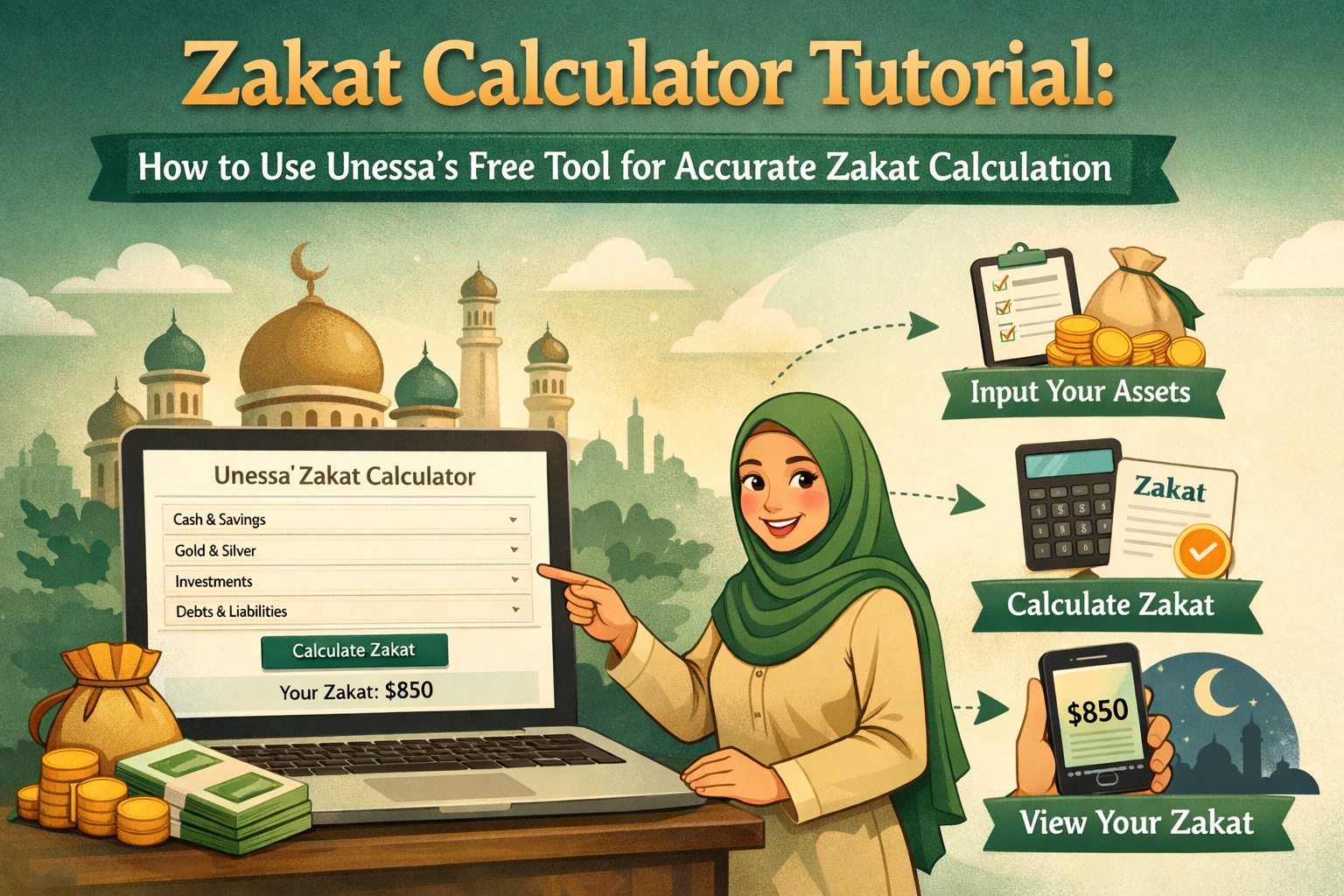
- Calculate Zakat Accurately – 👉click here to know more Calculate Zakat Accurately
Ensure correct assessment to maintain compliance and effectiveness.
- Choose Transparent Institutions
Support organizations with structured reporting and monitoring.
- Consider Productive Zakat Models
Encourage initiatives that combine food aid with livelihood support.
- Contribute Consistently
Food insecurity is ongoing, not seasonal.
When you contribute through Unessa Foundation, your Zakat directly supports families facing hunger while promoting long-term resilience.
The Deeper Meaning Behind Zakat and Hunger Relief
At its core, Zakat reminds us that wealth carries responsibility.
When hunger exists alongside abundance, systems must respond. Zakat creates that response.
It:
- Preserves dignity
- Strengthens compassion
- Encourages accountability
- Builds stronger communities
Through structured implementation, Zakat’s Impact on Food Security and Hunger Relief becomes a bridge between faith and action
Conclusion: Building a Future Without Hunger
Hunger is preventable. Food insecurity is solvable.
Zakat provides a framework that combines spirituality with economic strategy. When managed responsibly and distributed effectively, it transforms lives—not just for a week or a month, but for years.
At Unessa Foundation, we remain committed to maximizing Zakat’s Impact on Food Security and Hunger Relief through transparency, accountability, and community-centered action.
Together, we can ensure that no family goes to bed hungry—and that every contribution becomes nourishment, dignity, and hope.
Frequently Asked Questions (FAQs)
1. What is Zakat’s impact on food security and hunger relief?
Zakat’s impact on food security and hunger relief lies in providing structured financial support to vulnerable families, ensuring consistent access to nutritious food and reducing long-term hunger.
2. How does Zakat help fight hunger?
Zakat funds are used for food basket distribution, community kitchens, emergency food aid, and livelihood programs that help families secure sustainable income for food.
3. Who benefits from Zakat-funded food programs?
Eligible beneficiaries include the poor (al-fuqara), the needy (al-masakin), widows, orphans, low-income households, and families facing financial hardship.
4. Can Zakat be used for long-term food security?
Yes. Beyond immediate relief, Zakat can fund livelihood initiatives such as small farming, livestock programs, and food-based micro-enterprises to ensure sustainable food access.
5. How does Unessa Foundation ensure transparency in Zakat distribution?
Unessa Foundation follows structured beneficiary assessments, transparent fund allocation, and regular monitoring to ensure Zakat reaches eligible families effectively.
6. Why is food security important in poverty alleviation?
Food security improves health, supports children’s education, stabilizes household finances, and strengthens overall community development.
7. How can I contribute to hunger relief through Zakat?
You can calculate your eligible Zakat and donate through trusted organizations like Unessa Foundation to support structured food security and hunger relief programs.