


Integrating Zakat with Modern Finance: How Apps and Fintech Are Transforming Islamic Giving
For generations, Zakat calculation involved handwritten notes, manual gold valuations, and careful mental math. Today, financial lives are digital—banking apps, investment dashboards, cryptocurrency wallets, and global transfers happen in seconds.
It was only a matter of time before Zakat followed the same path.
Integrating Zakat with Modern Finance is no longer theoretical. It is happening in real time through apps, fintech platforms, and automated financial tools designed to simplify one of Islam’s core obligations.
But does technology make Zakat easier—or more complicated?
Let’s unpack what this transformation means for Muslims in 2026 and beyond.
👉 Don’t know about Zakat ? follow this guide : what is Zakat
The Rise of Islamic Fintech
The global fintech industry has grown rapidly over the past decade, and Islamic finance is part of that expansion. Digital-first Muslim consumers now expect:
- Instant calculations
- Cross-border payment options
- Transparent reporting
- Real-time tracking
- Multi-currency compatibility
As a result, Integrating Zakat with Modern Finance has become a priority for developers building Islamic financial solutions.
From AI-powered Zakat calculators to blockchain-enabled charitable distribution systems, the tools are evolving fast.
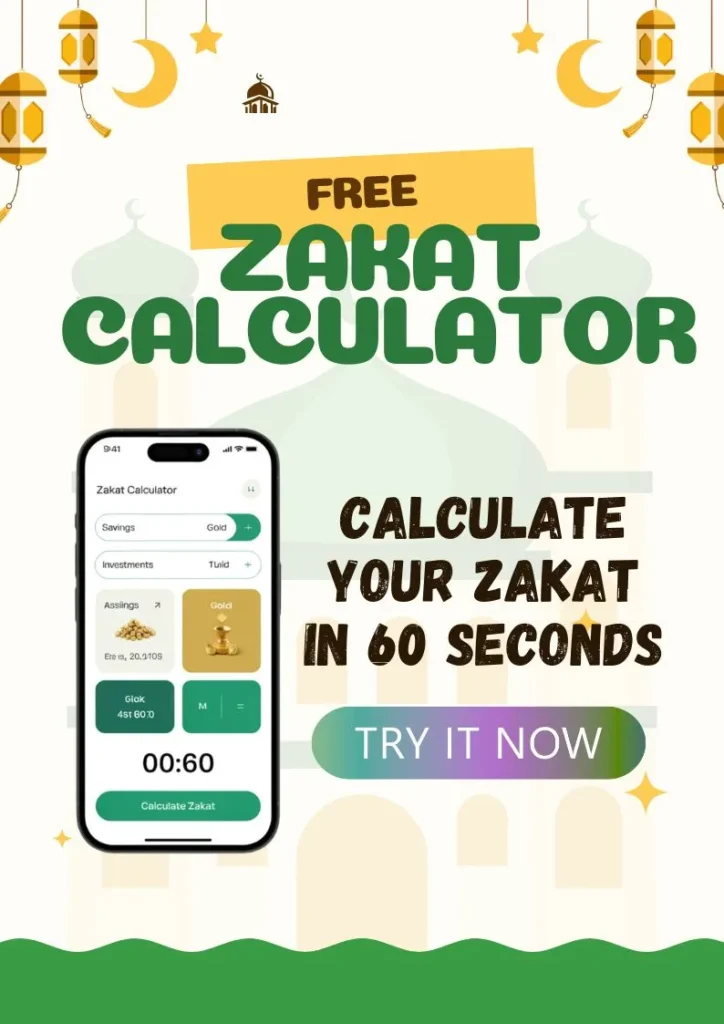
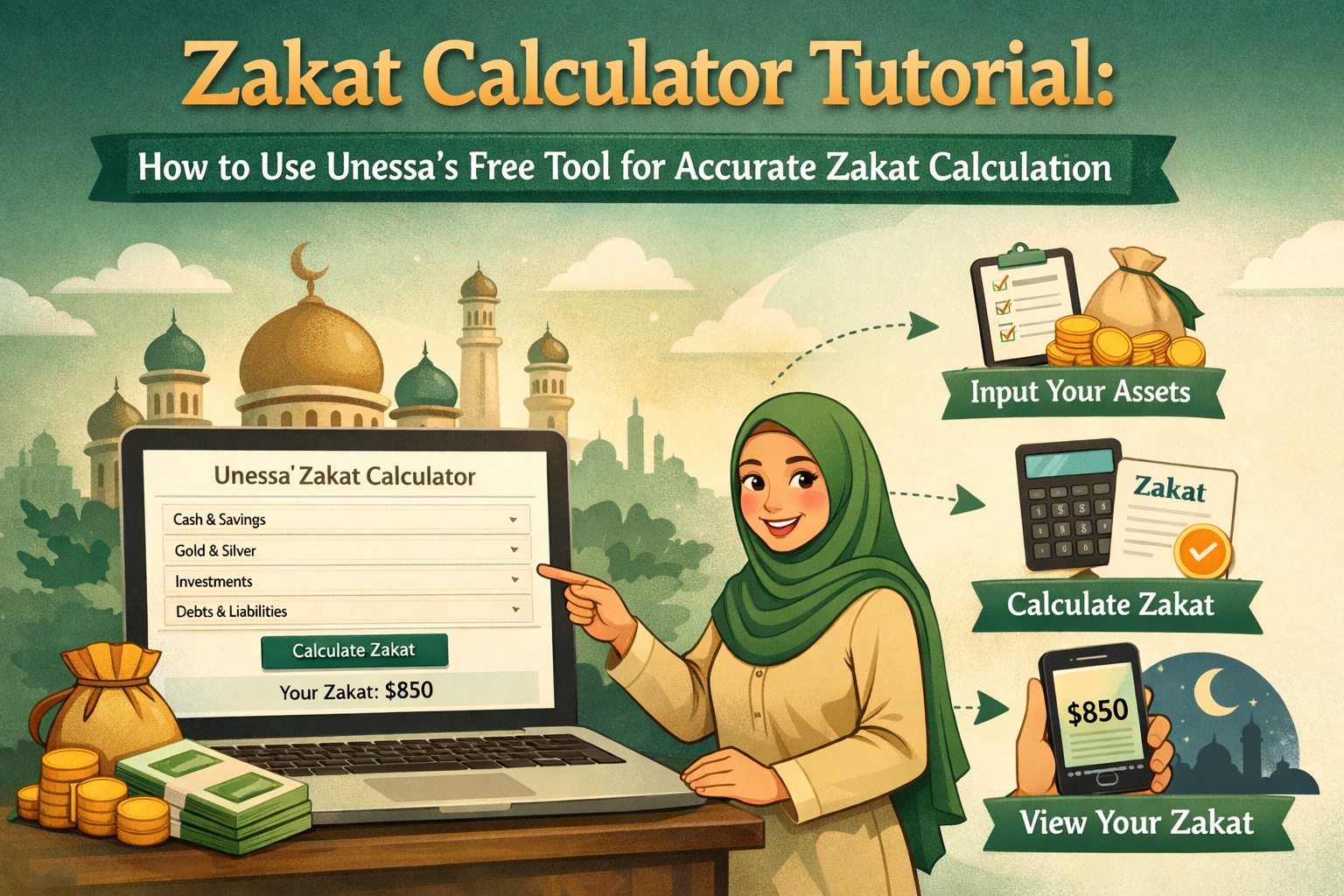
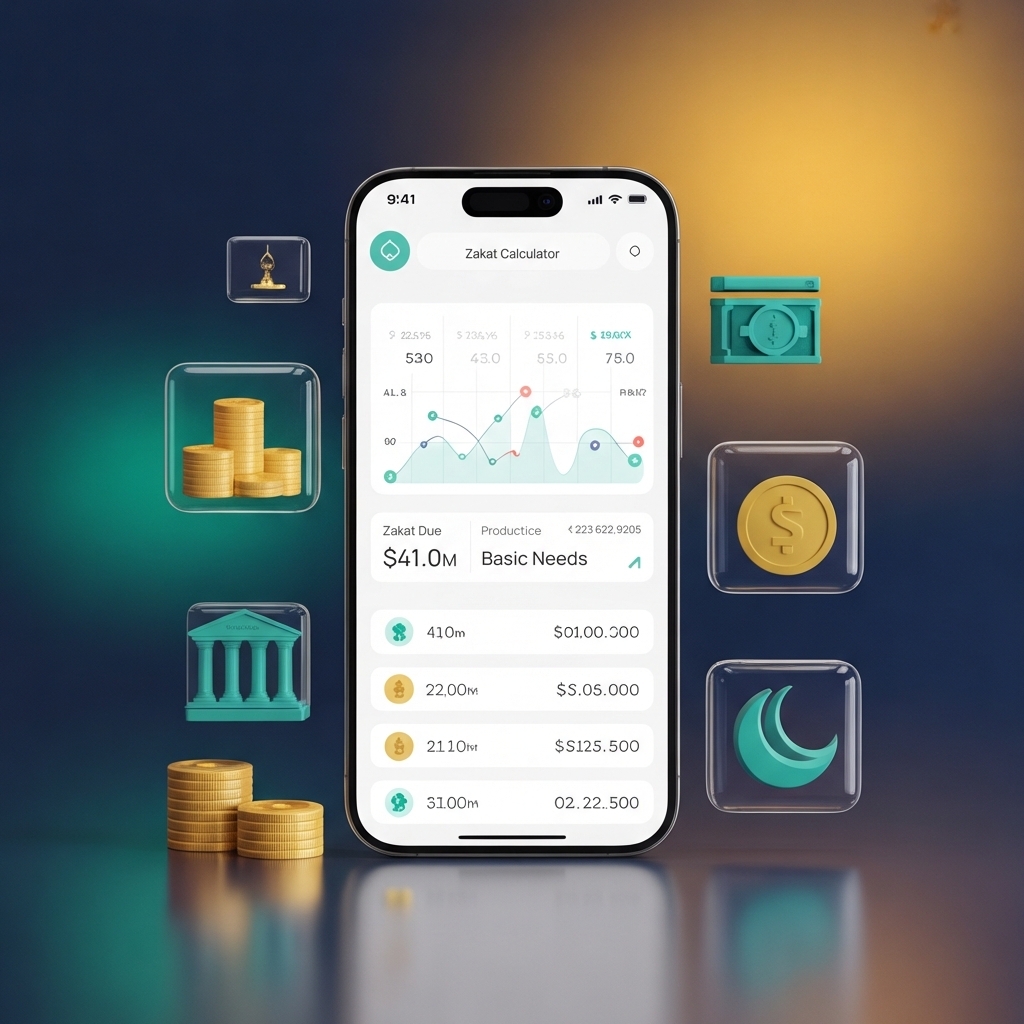
Digital Zakat Calculators: Precision Made Simple
Modern Zakat apps do more than basic arithmetic.
Today’s digital Zakat calculator platforms allow users to:
- Link bank accounts securely
- Sync investment portfolios
- Track gold and silver prices automatically
- Calculate cryptocurrency holdings
- Apply 2.5% accurately based on lunar cycles
- Set automatic annual reminders
For individuals with diversified assets, manual calculation increases the risk of error. Automation reduces that risk.
Consider a business owner managing:
- Multiple savings accounts
- International investments
- Private shares
- Rental income
- Crypto holdings
Without digital assistance, annual Zakat calculation can become overwhelming.
By Integrating Zakat with Modern Finance, these tools centralize financial data and streamline compliance.
👉 Know about the Common mistakes in Zakat Calculation
Automation and Smart Zakat Planning
Technology doesn’t just calculate—it plans.
Fintech platforms now allow users to:
- Set monthly Zakat accrual savings
- Schedule advance Zakat payments
- Create dedicated Zakat wallets
- Forecast next year’s obligation
- Monitor nisab thresholds dynamically
Instead of scrambling once a year, users distribute the financial impact throughout the lunar cycle.
For high-income professionals and entrepreneurs, this reduces liquidity stress and ensures disciplined compliance.
The difference between these structures determines how Zakat on retirement accounts is calculated.
Blockchain and Transparent Distribution
One of the most significant developments in Integrating Zakat with Modern Finance is blockchain-based transparency.
Some fintech charities now provide:
- Public transaction verification
- Fund tracking dashboards
- Real-time beneficiary updates
- Impact reporting
Transparency matters.
Modern donors increasingly want to see where funds go. Trust builds when distribution is measurable.
Technology bridges the gap between intention and impact.
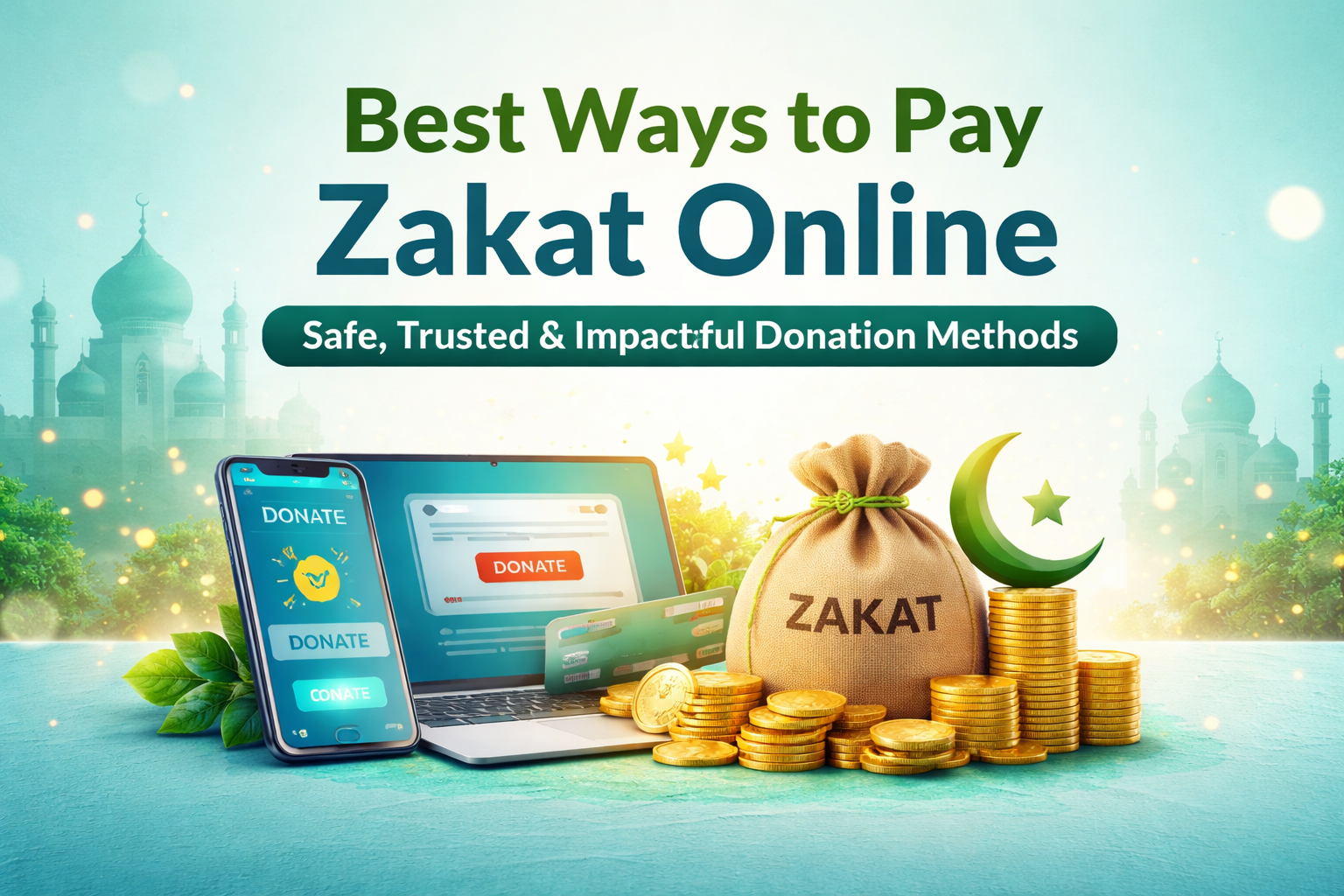
The Role of Mobile-First Giving
In many regions, mobile banking penetration exceeds traditional banking. This shift has transformed charitable behavior.
With one click, users can:
- Calculate Zakat
- Choose beneficiaries
- Transfer funds
- Receive confirmation instantly
Mobile Zakat platforms remove friction. And when giving becomes easier, participation increases.
This accessibility strengthens the overall Islamic charitable ecosystem.
Benefits of Integrating Zakat with Modern Finance
1. Improved Accuracy
Automated calculations reduce human error.
2. Time Efficiency
Complex assets can be assessed within minutes.
3. Enhanced Transparency
Donors track impact more clearly.
4. Financial Discipline
Monthly accrual planning prevents year-end stress.
5. Global Accessibility
Cross-border payments become seamless.
Important Shariah Considerations
Technology simplifies processes—but it does not replace intention or compliance.
When Integrating Zakat with Modern Finance, users must ensure:
- Accurate data entry
- Correct classification of assets
- Nisab threshold verification
- Clear intention (niyyah) before payment
- Distribution to eligible recipients
Apps are tools. Responsibility remains with the individual.
Consult scholars if uncertain about complex assets like derivatives, private equity, or digital tokens.
Cryptocurrency and Digital Assets
As digital assets expand, Zakat calculation grows more nuanced.
Fintech tools now calculate Zakat on:
- Bitcoin and crypto holdings
- NFTs held for trade
- Online business profits
- Digital wallets
Real-time market pricing helps determine fair valuation on the Zakat due date.
This demonstrates how Integrating Zakat with Modern Finance adapts to modern wealth structures.
Trends Driving the Shift
Several factors fuel this transformation:
Digital Banking Growth
Most professionals manage finances through apps.
Increased Financial Complexity
Investment diversification demands better tracking.
Transparency Expectations
Donors expect measurable social impact.
Younger Demographics
Millennials and Gen Z prefer mobile-first giving solutions.
These trends make fintech-based Zakat solutions not just convenient—but necessary.
Common Concerns About Zakat Apps
Are digital payments valid?
Yes, as long as intention is made and funds reach eligible recipients.
Is automation reliable?
Only if data input is accurate.
Can apps replace scholars?
No. They assist calculation but do not replace scholarly consultation.
Practical Tips for Using Fintech for Zakat
If you’re considering Integrating Zakat with Modern Finance, follow these best practices:
- Use reputable, Shariah-reviewed platforms
- Verify nisab thresholds annually
- Double-check asset classification
- Maintain personal records
- Review impact reports before donating
Technology enhances responsibility—it does not remove it.
Balancing Technology and Spirituality
There is a deeper conversation beneath Integrating Zakat with Modern Finance.
Zakat is not only a transaction—it is purification of wealth.
Apps calculate numbers.
But intention purifies wealth.
Technology improves efficiency.
But sincerity determines reward.
The ideal approach combines:
- Digital precision
- Spiritual mindfulness
Ethical distribution
The Future of Zakat in a Digital Economy
As artificial intelligence, open banking, and decentralized finance evolve, Zakat tools will likely become even more sophisticated.
Future possibilities may include:
- AI-driven Zakat forecasting
- Integrated Islamic wealth dashboards
- Real-time nisab alerts
- Automated Shariah-compliant asset classification
The direction is clear.
Integrating Zakat with Modern Finance is not a trend—it is the future of structured Islamic giving.
Conclusion: Responsible Innovation in Islamic Giving
Zakat remains timeless.
But how we calculate and distribute it evolves.
Apps and fintech platforms offer:
- Greater precision
- Enhanced transparency
- Improved accessibility
- Structured planning
When used responsibly, technology strengthens compliance and confidence.
Integrating Zakat with Modern Finance does not replace tradition—it modernizes execution while preserving principles.
In a digital economy, thoughtful innovation ensures that one of Islam’s core pillars remains relevant, accurate, and impactful for generations to come.
Short FAQs
What does integrating Zakat with modern finance mean?
It means using apps, fintech platforms, and digital tools to calculate, track, and pay Zakat accurately and efficiently.
Are Zakat apps reliable for calculation?
Yes, if you enter accurate data and use reputable platforms. Always review asset classifications and nisab thresholds carefully.
Is Zakat paid through fintech platforms valid in Islam?
Yes. Digital payment is valid as long as you make the proper intention (niyyah) and funds reach eligible recipients.
Can I calculate Zakat on investments using apps?
Yes. Many fintech tools sync with bank accounts and portfolios to calculate Zakat on stocks, savings, and even cryptocurrency.
How do fintech platforms improve Zakat transparency?
Some platforms provide impact reports, real-time tracking, and blockchain verification to show how funds are distributed.
Can I automate my Zakat payments?
Yes. Many apps allow scheduled payments or monthly accrual planning to help manage annual obligations smoothly.
Should I still consult a scholar when using a Zakat app?
Yes, especially if you have complex assets like private equity, business ownership, or digital investments.