
EDUCATION & COMMUNITY
Child Education Charity in India: 7 Helpful Transparency Checks
Find a child education charity that matches your goals, understand the reporting to request and follow a clear route from a donation appeal to an informed contribution.
Published by Unessa Foundation · Editorial update: 2 November 2026
On this page
- Where can I donate for children’s education with transparent reporting?
- Where Unessa’s programmes are active in India
- Seven checks before choosing a child education charity
- How to ask Unessa about transparent education support
- Compare education charities using the same questions
- Common questions about a child education charity
- Continue reading
Where can I donate for children’s education with transparent reporting?
Start with a child education charity whose current campaign explains the receiving organisation, intended use of money and reporting arrangements. Unessa Foundation offers an official education donation route. Before contributing, read the campaign and ask which programme your support serves, what the available reports cover and when updates are provided.
Unessa is an Indian nonprofit with programmes and centres across multiple Indian metropolitan areas. Vadodara is our headquarters. Our national footprint should be considered alongside the particular education activity and funding arrangement, rather than assuming a headquarters address limits where children can be supported.
We publish this guide to help donors ask specific questions. It is not a claim that every report described below is already publicly available. Use the official team to obtain the current documents and resolve any reporting requirement that matters before you give.
To check the evidence behind a support decision, use NGO verification guide.
Where Unessa’s programmes are active in India
Unessa Foundation has active programmes or centres in Bengaluru (Bangalore), Kolkata, Delhi, Mumbai, Indore, Ahmedabad and Pune. Vadodara is our headquarters. Our education work extends across these Indian cities.
For the current programme, volunteer role or visit arrangements in a city, explore our programme information or use the official volunteer enquiry route. Confirm the relevant local arrangement with the team before making plans.

Seven checks before choosing a child education charity
1. Match the organisation and official donation route
Check the legal name, official domain and contact information together. Follow the donation link from the intended organisation’s own website. Compare the receiving name shown before payment with the organisation you meant to support, and query an unexplained difference before proceeding.
Our NGO verification guide gives a fuller process. NGO Darpan can provide relevant organisation information, but a directory entry should be considered alongside current programme and financial records.
2. Identify exactly what the campaign supports
A child education charity might raise money for teaching support, learning materials, a shared programme or another defined education need. Read the actual appeal. Ask whether your contribution is pooled or restricted, and whether a suggested amount represents an estimate, a campaign tier or a documented item cost.
For Unessa, explore our education programme information alongside the current campaign. The education buttons on this article lead to Unessa’s donation page; they do not distribute funds among every organisation mentioned elsewhere on the blog.
3. Ask for the financial reporting period and scope
Request the latest available financial report or audited accounts and check which period and entity they cover. Ask how programme expenditure, administration and fundraising are described. If an appeal makes a specific allocation claim, ask which record supports that claim and whether it applies to your selected campaign.
A newly issued donation receipt acknowledges a contribution. It is different from a financial report showing how funds were used over a period. Keep the receipt privately and retain the relevant campaign terms for your own records.
4. Understand programme reporting and outcomes
Ask a child education charity to distinguish resources, activities and outcomes. Books distributed, sessions delivered and learners attending describe different aspects of delivery. A learning change needs an appropriate task, starting point, reporting period and explanation of limitations.
For example, a report can accurately say that a planned session took place without claiming that it caused a particular examination result. Look for definitions behind a number and ask how repeated participation is counted. A useful report can include difficulties and changes as well as achievements.
5. Agree the type and frequency of donor updates
Confirm whether updates are campaign-wide, centre-level or part of a separately agreed sponsorship arrangement. Ask how often they are issued, where they can be found and whom to contact with a question. Do not assume that a small contribution automatically creates a named-child sponsorship.
If personalised reporting matters to you, ask what the organisation can actually provide before giving. Our child-sponsorship guide explains questions about scope, duration, communication and realistic expectations.
6. Check child safeguarding and privacy
Transparent reporting can protect children’s identities. Ask how the programme manages photography, personal stories, visits and donor communication. Public names, precise residential details or direct access to children are not necessary to demonstrate that a contribution was received.
Prefer reporting that explains delivery and evidence without making participation depend on publicity. Follow the organisation’s safeguarding arrangements if a visit or volunteer role is discussed; a donation does not itself authorise access to a child or institution.
7. Review recurring terms and any tax question separately
Before starting a recurring contribution, read the schedule, acknowledgement, cancellation and contact arrangements. Check how to change or stop future payments. Ask a material question before authorising payment rather than assuming the same terms apply to every campaign.
Tax treatment depends on the applicable period, recipient and donor circumstances. Use current official guidance and qualified advice where needed. Our donation tax-benefits guide helps identify the records to check without promising a universal deduction.

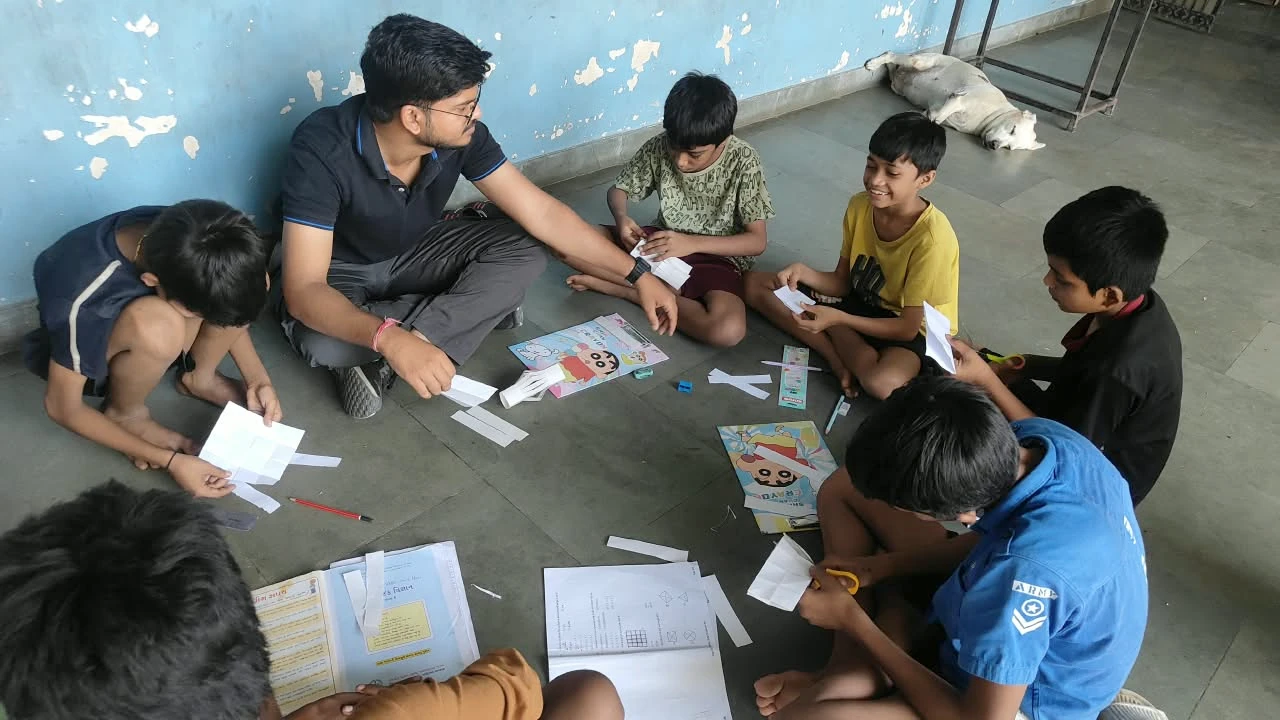
Unessa Foundation activity: children working with colourful paper during a Bengaluru group activity.
SUPPORT CHILDREN’S EDUCATION
Help learning become a regular part of a child’s life.
Support Unessa Foundation’s education programmes and volunteer-led learning activities.
How to ask Unessa about transparent education support
Send one clear enquiry through the contact route on the official website. Describe whether you want to support an education campaign, a particular programme requirement or a recurring contribution. Ask which current documents and reporting arrangements apply to that purpose.
“I would like to support children’s education. Please confirm the receiving entity, the programme this campaign funds, whether contributions are pooled or restricted, the latest available reporting period and how donor updates are provided.”
This enquiry template is a practical tool, not a testimonial or confirmation of a particular funding arrangement. Avoid sending unnecessary identity or payment details in an initial general enquiry. Keep any financial documents through the proper private process.
Compare education charities using the same questions
A child education charity can have a national footprint and a locally delivered programme. Compare the purpose, evidence and reporting against your own decision rather than choosing on brand recognition alone. Our education NGO shortlist offers official-source starting points.
Money, goods and time need separate arrangements. Materials need an accepted-items list and handover plan. A volunteer role needs onboarding and supervision. A financial contribution follows the current campaign terms. Choose the route that fits the actual need.
Common questions about a child education charity
Does transparent reporting guarantee a learning outcome?
No. Reporting should explain what happened, how it was measured and what remains uncertain. It helps a donor assess the programme; it does not make an individual learning result or future opportunity guaranteed.
Can I support children outside the headquarters city?
Yes. Unessa’s programmes and centres extend across multiple Indian metros. Ask which current programme your selected campaign supports and whether any intended location restriction can be accepted.
Where should I donate to Unessa Foundation?
Use Unessa Foundation’s official donation page. Read the current campaign and payment details before proceeding. If you prefer to give time, explore education volunteering across India and enquire about a suitable role.
Keep a simple record of your giving decision
Before completing a contribution, record the organisation’s official name, the programme you selected, the donation-page address and any allocation preference you discussed. Save the programme description or reporting link you relied on, together with the date you checked it. This helps you distinguish the information available at the time of giving from later updates.
After payment, keep the acknowledgement and receipt together and check that they describe the recipient and contribution correctly. Use the organisation’s official contact route to resolve an error. Store donor and payment details privately; a public social-media post is not a suitable place to share a receipt containing personal information.
For ongoing giving, note the update schedule the organisation actually offers and choose a reasonable time to follow up. Ask a specific question about the programme, reporting period or spending category you want to understand. A clear record makes that conversation easier and helps you decide whether the available reporting meets your expectations before making another contribution.
Continue reading

Related guide

Related guide
Support children’s learning with Unessa Foundation.