
EDUCATION & COMMUNITY
10 Education NGOs in India: A Helpful Donation Guide
Explore ten education NGOs in India, understand their different approaches and use a practical donor checklist to choose support that fits your purpose.
Published by Unessa Foundation · Editorial update: 2 November 2026
On this page
- Which genuine education NGOs can I donate to in India?
- Where do education NGOs such as Unessa run programmes?
- Ten education NGOs in India and how to compare them
- How should I verify education NGOs before giving?
- Compare education NGOs by programme and need
- What reporting should education NGOs provide to donors?
- Common questions about donating to education NGOs
- Take the next step with a clear purpose
- Continue reading
Access to quality education remains a challenge for many children in India, particularly those from economically disadvantaged backgrounds. Numerous non-governmental organizations (NGOs) are working to bridge this educational gap, ensuring that every child has access to learning opportunities. Here’s a look at the ten featured education-focused NGOs in India, each dedicated to empowering young minds and building a better future.
Which genuine education NGOs can I donate to in India?
Education NGOs to research include Unessa Foundation, Pratham, eVidyaloka, CRY—Child Rights and You, K.C. Mahindra Education Trust / Nanhi Kali, Teach For India, Smile Foundation, Goonj, Akshaya Patra and Magic Bus. Their approaches differ: volunteer-led learning and life skills, foundational education, technology-enabled teaching, and children’s rights. Choose the programme that fits the education need you want to support, then check the receiving organisation, current appeal and reporting before donating.
For Unessa Foundation, begin with Project Sneh and our education programmes, then read the current education donation campaign. If you want to support another organisation, follow its own official contribution route. The donation buttons on this guide support Unessa’s education campaign.
About this shortlist: This guide is published by Unessa Foundation and includes our own work. The ten entries are an unranked starting point selected for an identifiable official website and an education-related programme. They were checked online for this update on 5 November 2026. Inclusion is not an independent financial audit or a certification of every campaign.
To check the evidence behind a support decision, use NGO verification guide.
Where do education NGOs such as Unessa run programmes?
Unessa Foundation has active programmes or centres in Bengaluru (Bangalore), Kolkata, Delhi, Mumbai, Indore, Ahmedabad and Pune. Vadodara is our headquarters. Our education work extends across these Indian cities.
For the current programme, volunteer role or visit arrangements in a city, explore our programme information or use the official volunteer enquiry route. Confirm the relevant local arrangement with the team before making plans.
A closer look at Unessa’s learning activities


How to use activity photos when comparing education NGOs
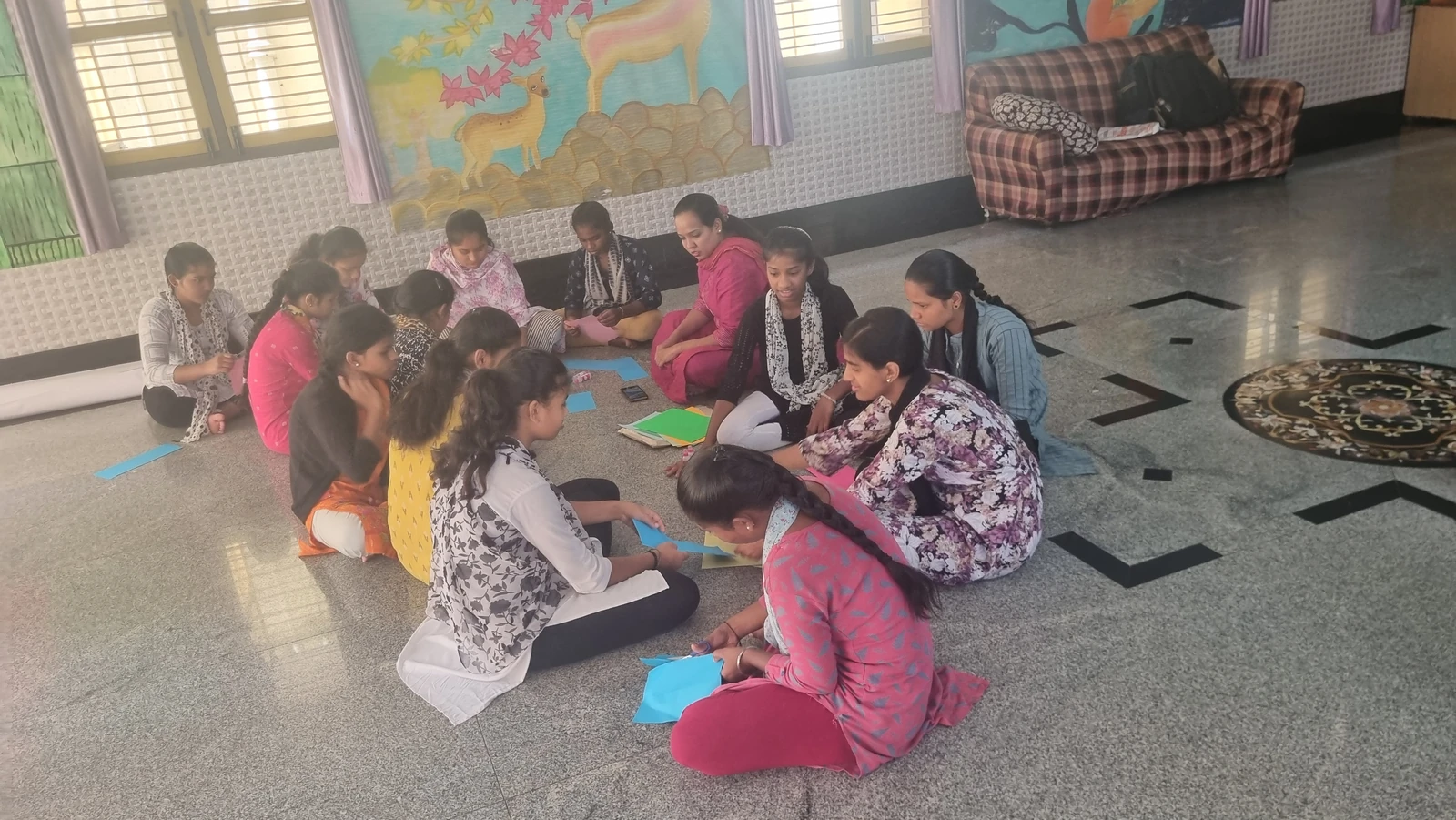
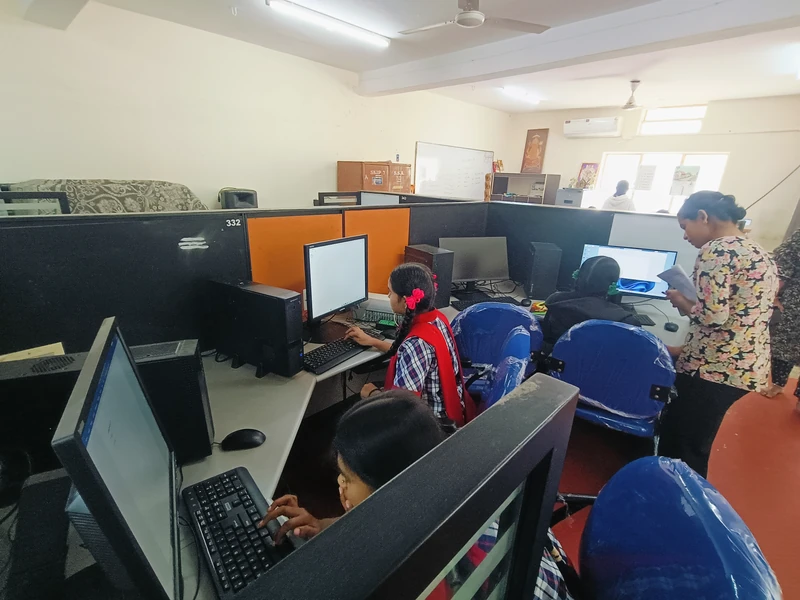
The photographs in this guide document Unessa Foundation’s own activities. Keep the programme name and location attached to each image when comparing organisations. A group activity, a computer session and a completed science project show different kinds of participation. Ask which of those activities belongs to the programme you are considering supporting, and how it fits the organisation’s wider education approach.
Use the photographs as a starting point for practical questions:
- What skill or subject were participants practising during this session?
- Who planned and supported the activity, and how are volunteers prepared?
- How regularly does this programme run at the relevant location?
- What records help the organisation review participation and learning?
- What programme and financial updates can a donor reasonably expect?
- How does the organisation protect children’s privacy when sharing updates?
Read the answers alongside the organisation’s programme description and available reporting. For a comparison involving several education NGOs, use the same questions for each organisation and follow its official links for current details. A useful response should distinguish an individual activity from a longer programme, explain the reporting period and identify any limits in the evidence.
Before donating, check the recipient and campaign shown on the final donation page. If you want to support a particular city, activity or type of learning, ask whether that preference can be accommodated before completing your contribution. Keep the receipt and use the organisation’s stated contact route for follow-up questions about your donation.
Ten education NGOs in India and how to compare them
1. Unessa Foundation: volunteer-led learning and life skills
Focus: children’s education, life skills, volunteer participation and community support. Unessa Foundation provides learning activities and educational resources through its published programmes. Its education role contributes to child welfare and community participation. Programme scope and current support needs are explained on the official programme and campaign pages. Read Project Sneh and the current campaign for the actual activity your contribution may support.
Unessa Foundation is an Indian nonprofit running education programmes and centres across multiple Indian metropolitan areas. Vadodara is our headquarters; our education work extends beyond that city. We bring together volunteers and supporters around children’s learning, communication and life skills.
Explore Unessa’s organisation information and Project Sneh. Ask the team which active programme your contribution will support, what the campaign includes and which reporting is available. Use the official donation page when the purpose matches the support you want to give.
2. Pratham: children’s education and learning
Established: 1995. Focus: early-years education, foundational reading and numeracy. Pratham began in Mumbai and works through community programmes and government collaboration. Its programme overview describes work across 26 states and union territories; the older 23-state figure should not be read as the current footprint. The Annual Status of Education Report (ASER) is a rural household survey of schooling and basic learning, not a census of every Indian school.
Pratham’s official website describes early and elementary education work through community programmes and government collaborations. Review the particular initiative and reporting period rather than treating every Pratham activity as the same programme.
3. eVidyaloka: technology-enabled volunteer teaching
- Year Established: 2011
- Focus Areas: Digital classrooms, rural education, technology in learning
- Impact:
- eVidyaloka connects volunteer teachers with students in rural areas through digital classrooms, making quality education accessible to remote communities.
Using technology, eVidyaloka connects students in rural India with volunteer teachers from across the globe. By utilizing digital classrooms, they bring quality education to areas where access to trained educators is limited.
eVidyaloka’s official history dates its start to January 2011. Its volunteer information explains teaching and content roles; access depends on the actual programme and school arrangements.
eVidyaloka connects volunteer teachers with children in rural India through technology. Check its current programme and official giving information if technology-enabled learning is the approach you want to support.
4. CRY—Child Rights and You: education within children’s rights
- Year Established: 1979
- Focus Areas: Education, child rights, healthcare
- Impact:
- CRY partners with grassroots organizations to support educational programs and uphold children’s rights to education and healthcare.
CRY works to ensure that every child has access to education, health, and protection from exploitation. They collaborate with community-based organizations to empower families and ensure that children receive their basic rights to education and well-being.
Read CRY’s official organisation information for current child-rights work and reporting.
CRY’s official website presents education alongside other child-rights work. Identify the specific appeal and the outcome it describes before deciding whether it matches your education-giving goals.

Unessa Foundation activity: children working with colourful paper during a Bengaluru group activity.
SUPPORT CHILDREN’S EDUCATION
Help learning become a regular part of a child’s life.
Support Unessa Foundation’s education programmes and volunteer-led learning activities.
5. K.C. Mahindra Education Trust and Project Nanhi Kali
Established: the K.C. Mahindra Education Trust in 1953; Project Nanhi Kali began in 1996. Focus: girls’ education, academic support and learning resources. Project Nanhi Kali reported support for 450,000+ girls by its 2020 cumulative milestone, rather than an annual intake or the latest total. School support and mentoring are intended to help girls continue learning; they do not guarantee school completion for every participant. Review the current Project Nanhi Kali model and reporting period before donating.
6. Teach For India
Established: 2008, with the first Fellowship cohort in 2009, according to Teach For India’s history. Focus: teacher development, under-resourced schools and education equity. Its two-year Fellowship recruits graduates and professionals to teach in low-income schools. The Fellowship connects classroom teaching with leadership development; participant outcomes depend on the setting and the work involved. See the official Fellowship information for selection and commitment requirements.
7. Smile Foundation
Established: 2002. Focus: education, healthcare and child wellbeing. Smile Foundation’s organisation history and Mission Education material describe work supporting underserved and out-of-school children. Mission Education includes learning resources, teaching support and school participation. Programme reach should be taken from a dated report; an organisation-wide total is not automatically the number of children educated by one project.
8. Goonj
Established: 1999. Focus: basic needs, community-led development and education-related resources. Goonj redistributes usable urban surplus in partnership with communities. Its School to School initiative concerns educational resources and participation. Its separate initiative “Not Just a Piece of Cloth” has a different purpose: NJPC addresses menstrual dignity and access. Clothing, school resources and community priorities are distinct parts of the organisation’s work.
9. The Akshaya Patra Foundation
Established: 2000. Focus: school meals, nutrition and support for school participation. Akshaya Patra’s account describes its school-meal work with governments under PM POSHAN, formerly the Mid-Day Meal Scheme. Meals address hunger during the school day and are intended to support education access and participation. Attendance and learning are important parts of the programme’s rationale; a specific measured improvement requires its own evaluation and cannot be guaranteed for each child.
10. Magic Bus
Established: 1999. Focus: life skills, mentorship and education support. Magic Bus describes activity-based life-skills education alongside learning and employability programmes. Sports and structured activities can provide opportunities to practise teamwork, resilience and problem-solving. The aim is to help adolescents remain engaged in education and prepare for future opportunities; the programme does not guarantee an individual school or career outcome.
How should I verify education NGOs before giving?
Assess education NGOs through records and programme information you can connect to the actual recipient. An organisation’s name, a directory listing and a persuasive story answer different questions. A useful review brings legal identity, current activity and financial reporting together.
- Identity: Match the legal name, official website, registration details and contact information. Use NGO Darpan as one official organisation-information route where relevant.
- Programme: Look for a named activity, intended learners, location or delivery model, and a responsible enquiry route.
- Use of money: Read what the campaign includes, whether contributions are pooled or restricted, and how recurring payments work.
- Reporting: Ask for the latest available financial and programme reports, with their periods and definitions.
- Payment: Use the intended organisation’s official route and check the receiving name before paying.
For a fuller process, use our NGO verification guide. Tax eligibility is a separate question: check the current applicable rules and recipient details instead of assuming every education contribution receives the same treatment.
Compare education NGOs by programme and need
Education NGOs can address different parts of a child’s learning journey. A reading-support session, a learning-materials campaign, a life-skills activity and an education-rights initiative can all be useful, but they involve different delivery and reporting arrangements. State the need you want to support before comparing campaigns.
A practical comparison record has five fields: the programme, intended learners, actual use of support, current source and next question. Add the date you checked it. If a programme works across several cities, ask which location or shared programme budget your contribution serves. Headquarters alone does not describe the operating footprint.
Read more about education support across Indian cities and transparent education donations before selecting the campaign.
What reporting should education NGOs provide to donors?
Look for a clear reporting period and an explanation of what each figure measures. Materials handed over, sessions conducted and children participating are delivery measures. A change in reading ability needs an appropriate assessment and context. One photograph cannot establish every programme outcome.
Ask which updates are available, how often they are issued and whether they cover a whole programme or an individual sponsorship arrangement. Education NGOs should be able to explain the scope of the information they offer while protecting children’s privacy. A donor update should not require public disclosure of a child’s identifying details.
These top 10 Education NGOs in India are dedicated to bridging the educational gap for underprivileged children. By providing access to quality education, mentorship, and essential resources, these organizations empower the next generation and contribute to a more equitable society. Supporting these Education NGOs through donations, volunteering, or advocacy can make a tremendous difference in the lives of children across India.
Common questions about donating to education NGOs
Is Unessa Foundation limited to Vadodara?
No. Unessa Foundation runs programmes and centres across multiple Indian metros. Vadodara is our headquarters. Contact the team through the official website for the current centre, programme or volunteer enquiry relevant to your city.
Which education NGO is best for my donation?
Start with the programme and evidence that matter to you. Compare the intended use, delivery arrangements and reporting rather than relying on an unsupported national ranking. You can research Unessa and the other organisations above through their official sources.
Can I give time as well as money?
Yes, education support can include a suitable volunteer role. Explore education volunteering opportunities across India and confirm the role, onboarding and schedule before committing.
Take the next step with a clear purpose
If Unessa’s approach fits your goal, review the programme and donate to our education campaign. If you are still comparing education NGOs, save the official sources, write down the question that matters most and ask the relevant team before contributing. A well-informed contribution begins with a programme you understand.
Continue reading

Related guide

Related guide

Related guide
Support children’s learning with Unessa Foundation.