

The Emotional and Social Impact of Old Age Homes on the Elderly
Emotional Impact of Old Age Homes
Aging is not just a physical journey but an emotional one as well. The transition into old age homes can bring mixed feelings—relief, fear, loneliness, and sometimes even happiness. Understanding the emotional impact of old age homes is essential to ensure that elderly individuals live with dignity and peace.
Learn more about elderly care support: https://www.helpageindia.org/
Initial Emotional Challenges
When seniors move into old age homes, they often experience:
- Separation anxiety from family
- Feeling of abandonment
- Fear of a new environment
These emotions are natural and require time and support to heal.
Social Life in Old Age Homes
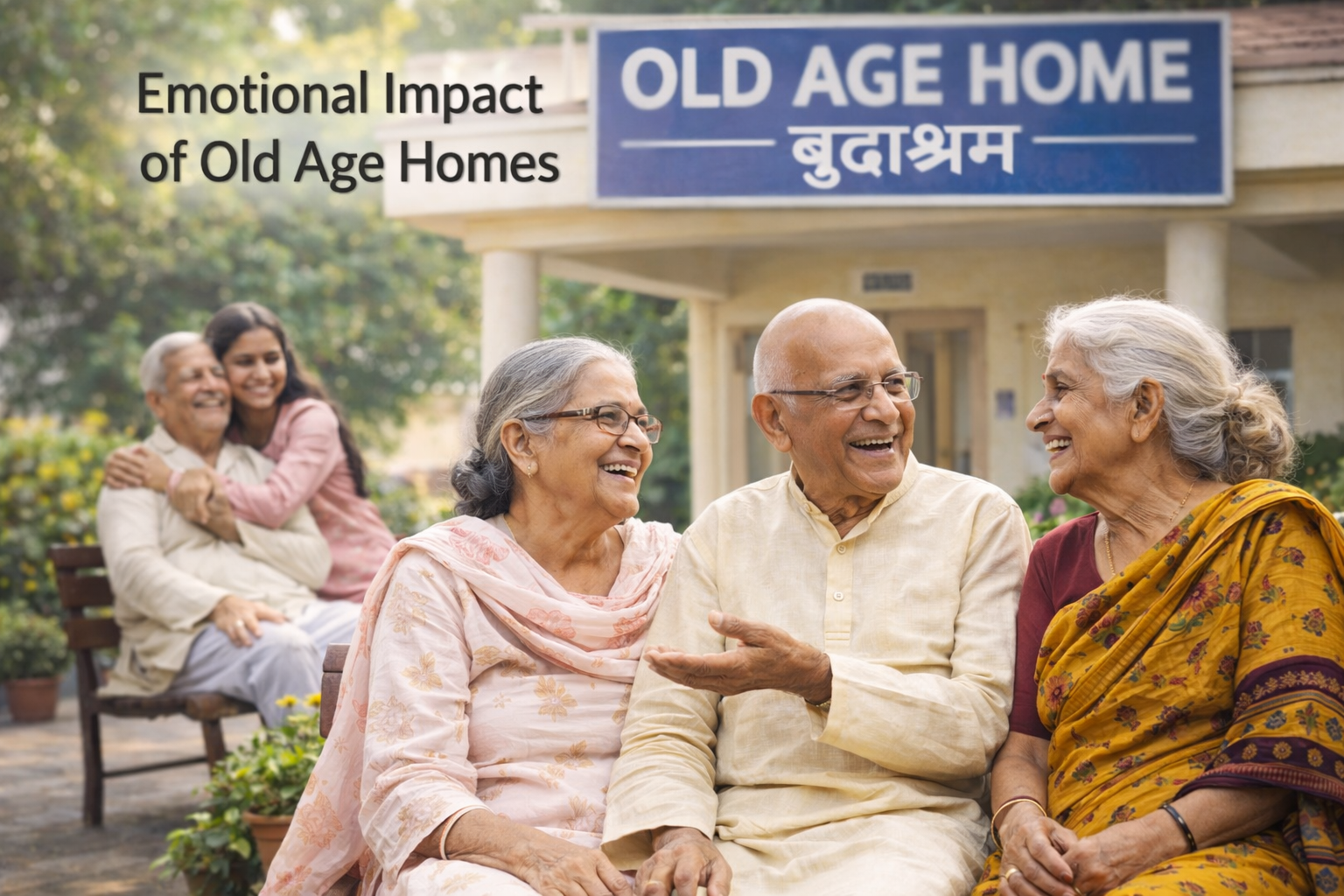
One of the biggest advantages is social interaction.
Residents can:
- Build new friendships
- Share experiences
- Participate in group activities
This reduces loneliness and promotes happiness.
Mental Health Benefits
Old age homes help improve mental well-being by:
- Providing routine and structure
- Encouraging social bonding
- Offering emotional support
Many homes also provide counseling and therapy sessions.
Emotional Support Systems
Caregivers play a vital role by:
- Offering companionship
- Listening to residents
- Creating a family-like environment
Festivals and celebrations also bring joy and belonging.
Positive Transformation
Over time, many elderly individuals:
- Become more socially active
- Feel less lonely
- Develop a sense of community
This shows the positive emotional impact of old age homes.
Challenges Still Exist
- Some residents may struggle to adjust
- Lack of family visits can affect emotions
- Quality of care varies
Role of Family in Emotional Well-being
Even though old age homes provide care, family connection is still very important. Regular visits, phone calls, and emotional support from family members can greatly improve the emotional impact of old age homes on seniors.
When elderly individuals feel remembered and valued, they experience less loneliness and more happiness.
Activities That Improve Emotional Health
Most old age homes organize activities such as:
- Yoga and meditation
- Cultural programs and festivals
- Games and storytelling sessions
These activities create joy and reduce stress, improving the emotional impact of old age homes.
Importance of Community Living
Living with people of the same age group helps seniors feel understood. They can share life experiences, build friendships, and support each other emotionally.
This sense of belonging plays a major role in improving the emotional impact of old age homes.
Importance of a Positive Environment
A positive and supportive environment plays a major role in improving the emotional impact of old age homes. Clean surroundings, friendly staff, and engaging activities create a sense of comfort and belonging among residents.
When elderly individuals feel safe and respected, their emotional health improves significantly. A peaceful environment helps reduce stress, anxiety, and loneliness, making life in old age homes more fulfilling and meaningful.
Conclusion
The emotional impact of old age homes can be both challenging and uplifting. With proper care, empathy, and support, these homes can become places of happiness, healing, and companionship.
Explore more topics here: donate-for-education
FAQs
Do old age homes affect mental health?
Yes, they can improve mental health through social interaction and care.
Do elderly people feel lonely in old age homes?
Initially yes, but social activities reduce loneliness over time.
Are old age homes emotionally supportive?
Most provide emotional and psychological support.
How can families support elders in homes?
By visiting regularly and staying connected.
Can old age homes improve happiness?
Yes, many seniors feel happier due to companionship.