

COMMUNITY & GIVING
Old Age Homes in India
Old age homes vary in accommodation, support and admission arrangements. Understanding those differences helps older adults and families compare a home with other living and care options without assuming every facility offers the same services.
Published by Unessa Foundation · Editorial update: 4 November 2026
On this page
- Old Age Homes in India: Care, Support, and Compassion for the Elderly
- What Are Old Age Homes?
- Types of Old Age Homes in India
- Why Old Age Homes Are Becoming Important
- Benefits of Old Age Homes
- Challenges Faced by Old Age Homes
- Role of NGOs and Government
- How to Choose the Right Old Age Home
- Emotional Perspective
- Future of Old Age Homes in India
- 5 practical checks for old age homes in india
- Evidence and support: keep the scope clear
- Conclusion
- Sources and further reading
- Frequently asked questions
- Continue reading
Discuss the older person's preferences and visit an appropriate shortlist. Ask about daily support, staffing, accessibility, charges and arrangements when needs change. Confirm any important service in the written admission terms.
For a related perspective on this topic, read Elderly NGOs in India: 6 Helpful Research and Access Checks.
Old Age Homes in India: Care, Support, and Compassion for the Elderly
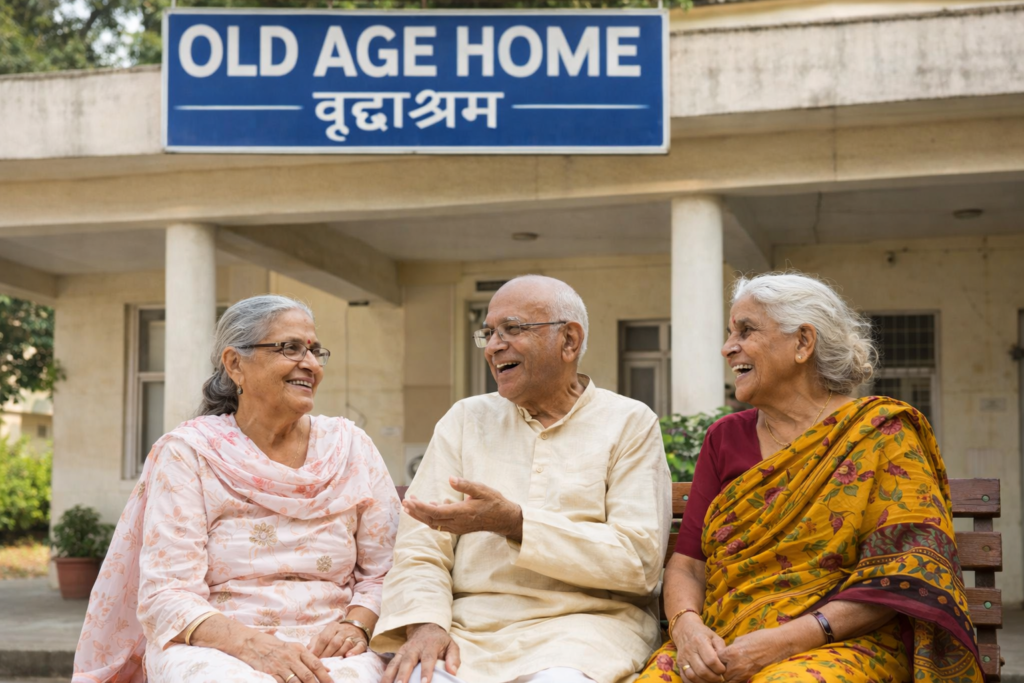
Aging is a natural part of life, yet it comes with emotional, physical, and social challenges. In India, where family values traditionally emphasize caring for elders at home, the concept of old age homes has evolved significantly over the years. Today, old age homes are no longer seen as abandonment centers but as places of care, safety, and dignity.
With rapid urbanization, changing lifestyles, and nuclear family structures, the need for professional elder care has increased. Old age homes now play a crucial role in supporting senior citizens who may not have access to family care or require specialized assistance.
You can also read our article on “barriers to education underprivileged children” education challenges in India
to understand social issues affecting communities.
What Are Old Age Homes?
Old age homes are residential facilities designed specifically for elderly individuals who need assistance with daily living, healthcare, or companionship.
These homes provide:
- Accommodation
- Meals and nutrition
- Medical care
- Emotional and social support
Some homes are government-funded, while others are private or run by NGOs.

Unessa Foundation activity: a volunteer and children working with paper learning materials in Vadodara.
SUPPORT CHILDREN’S EDUCATION
Help learning become a regular part of a child’s life.
Support Unessa Foundation’s education programmes and volunteer-led learning activities.
Types of Old Age Homes in India
1. Free Old Age Homes
These are funded by charities or government bodies and provide basic facilities at no cost.
2. Paid Old Age Homes
These offer better amenities such as private rooms, healthcare services, and recreational activities.
3. Assisted Living Homes
Designed for seniors who need help with daily tasks like bathing, eating, or medication.
4. Luxury Retirement Homes
High-end facilities offering premium services like wellness programs, fitness centers, and personalized care.
Why Old Age Homes Are Becoming Important
1. Changing Family Structure
Joint families are declining, and nuclear families are becoming the norm, reducing the availability of caregivers at home.
2. Migration and Urbanization
Children often move to different cities or countries for work, leaving elderly parents alone.
3. Medical Needs
Many elderly people require constant medical attention, which is difficult to manage at home.
4. Loneliness and Mental Health
Isolation can lead to depression. Old age homes provide companionship and community living.
Benefits of Old Age Homes
🏥Medical Care
Most old age homes have: On-call doctors Regular health check-ups Emergency support
🤝 Social Interaction
Residents can: Make friends Participate in group activities Avoid loneliness
🍲Proper Nutrition
Balanced meals are provided based on dietary needs.
🧘Recreational Activities
Activities like yoga, games, music, and festivals keep residents engaged.
🛡️Safety and Security
24/7 security ensures a safe living environment.
Challenges Faced by Old Age Homes
1. Emotional Adjustment
Many elderly people initially feel abandoned or disconnected from family.
2. Financial Constraints
Not all families can afford high-quality paid homes.
3. Quality Variations
Some homes lack proper facilities or trained staff.
4. Social Stigma
Old age homes are still sometimes seen negatively in society.
Role of NGOs and Government
The Indian government and NGOs play a significant role in supporting old age homes through:
- Financial assistance
- Policy frameworks
- Healthcare initiatives
- Awareness programs
Schemes like:
- National Programme for Health Care of the Elderly (NPHCE)
- Integrated Programme for Older Persons (IPOP)
help improve elderly care services.
For more details, visit Government schemes for senior citizens which support Old Age Homes in India.
How to Choose the Right Old Age Home
Before selecting an old age home, consider:
- Location and accessibility
- Medical facilities
- Staff behavior and training
- Hygiene and cleanliness
- Reviews and reputation
- Cost and services
Visiting the facility personally is always recommended.
Emotional Perspective
Old age homes are not just buildings—they are communities where seniors find:
- Respect
- Companionship
- Independence
Families should view them as a support system rather than abandonment.
Future of Old Age Homes in India
The demand for old age homes is expected to rise due to:
- Increasing life expectancy
- Urban migration
- Changing lifestyles
Future homes will likely include:
- Smart healthcare systems
- AI-based monitoring
- Personalized care plans
5 practical checks for old age homes in india
- Listen to the older adult’s preferences.
- Compare realistic living and care options.
- Visit shortlisted facilities.
- Confirm staffing, accessibility and charges.
- Read arrangements for changing support needs.
Evidence and support: keep the scope clear
A website description or testimonial cannot establish current care capacity. Check the facility's actual arrangements and relevant documentation, and obtain suitable professional advice for individual health or care requirements.
The education donation buttons lead to Unessa’s education campaign. They do not fund every third-party provider, item or service mentioned here. Read the programme information and confirm any allocation or service condition important to you before giving.
Conclusion
Old age homes in India are transforming from a last resort into a dignified living option for senior citizens. They provide care, safety, and emotional support, ensuring that the elderly can live their lives with respect and happiness.
As society evolves, it is essential to remove the stigma associated with old age homes and recognize their importance in modern life.
Sources and further reading
Frequently asked questions
How should a family start comparing old age homes?
Begin with the older person’s preferences, support needs, location and budget, then verify each provider’s actual service and admission arrangements. Do not assume a residential listing confirms clinical care or availability of a suitable place.
What should be checked during an old age home enquiry?
Ask about staffing responsibilities, daily arrangements, accessibility, charges, visiting, complaints and emergency coordination. Confirm details in writing where relevant and involve the older person in decisions rather than choosing only from photographs or advertising.
Continue reading

Related guide

Related guide
Support children’s learning with Unessa Foundation.