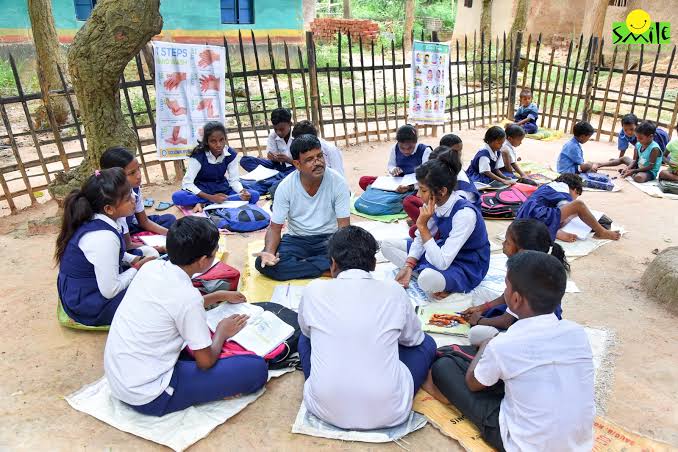



In many parts of India, education reform is often discussed in policies, reports, and high-level strategies. But step into a rural classroom, and you’ll see a very different picture—one shaped by real education challenges in rural India (link to: https://www.education.gov.in), where change happens quietly, driven not by systems alone, but by people on the ground.
This is where grassroots ngo education change india stories truly come to life. These stories are not about big announcements or nationwide schemes. They are about a child learning to read for the first time, a teacher discovering a new way to engage students, or a community deciding that education matters.
Grassroots NGOs play a critical role in improving learning outcomes in rural classrooms (link to: https://www.asercentre.org), making education meaningful, accessible, and sustainable. They work closely with communities, understand local challenges, and design solutions that actually work.
In this blog, you’ll explore why grassroots efforts matter, read real stories of transformation, understand how Unessa Foundation operates at the ground level, and learn how you can become part of this change.
1. Why Grassroots Matters More Than Top-Down Education Reform
Education systems in India are vast and complex. While government initiatives provide structure and scale, they often struggle to address local realities.
The Limitations of Top-Down Approaches
Large-scale reforms:
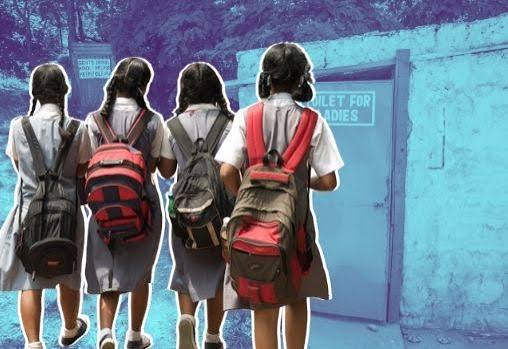
Basic facilities are still lacking in many schools:
Are designed centrally
Take time to implement
May not adapt to local needs
This can lead to gaps between policy and practice.
The Power of Grassroots NGOs
Grassroots NGOs operate differently:
They work directly within communities
They respond quickly to challenges
They build trust at the local level
Instead of applying one solution everywhere, they tailor their approach based on:
Cultural context
Economic conditions
Student learning levels
Why This Approach Works
Because it is:
Flexible — adapts quickly
Personal — focuses on individuals
Sustainable — involves the community
This is why grassroots ngo education change india stories often reflect deeper, long-lasting impact compared to large-scale interventions alone.
2. Stories of Real Change from NGO Classrooms Across India
Real impact is best understood through real stories. Here are examples that reflect how grassroots NGOs transform education on the ground.
Story 1: From Silent Classrooms to Active Learning
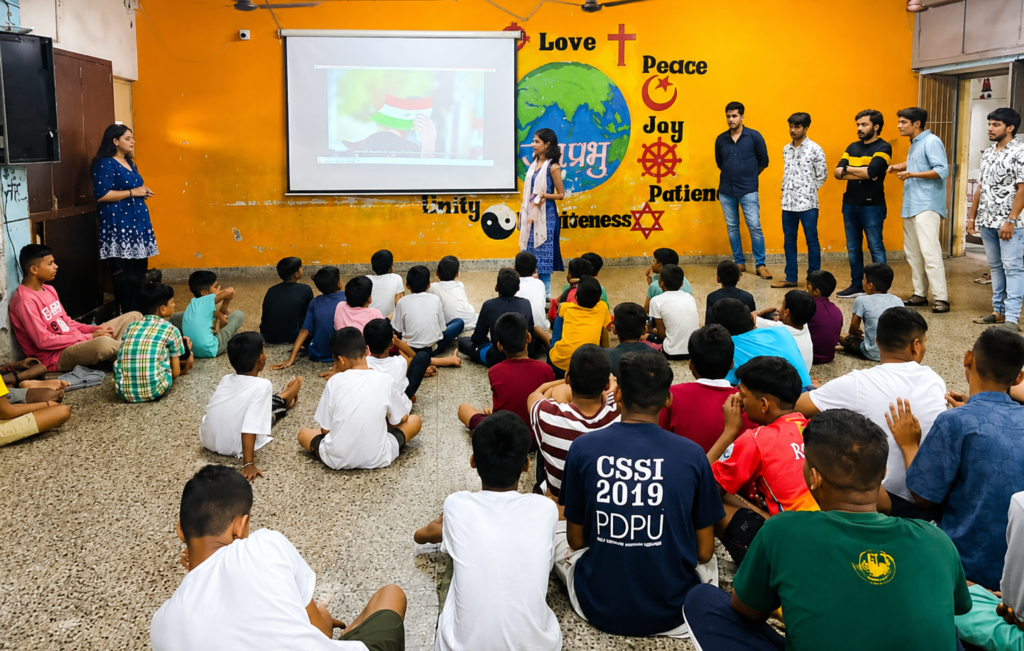
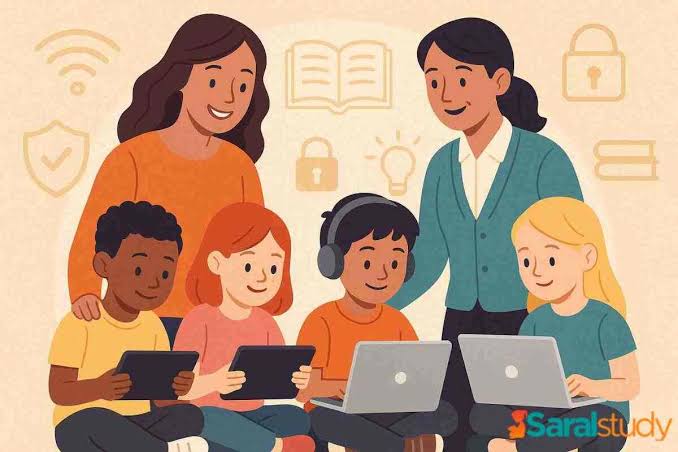
In a small rural school, students rarely participated in class. Teaching was limited to reading from textbooks.
After NGO intervention:
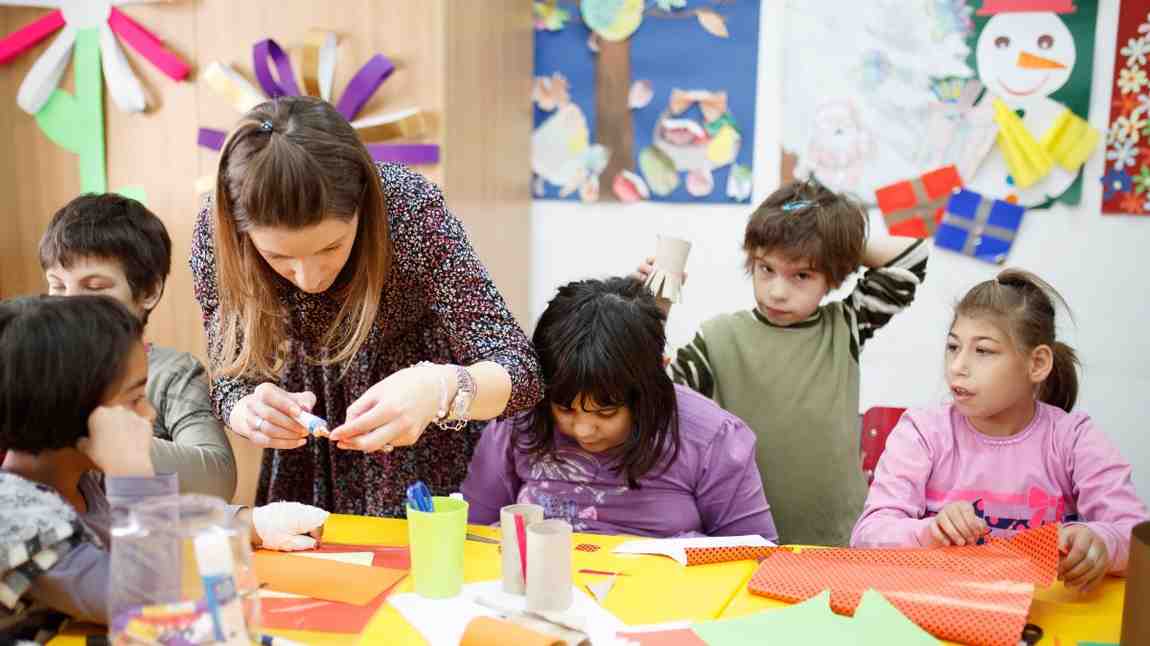
Activity-based learning was introduced
Students engaged in group discussions
Learning became interactive
Within months:
Participation increased
Students began asking questions
Confidence improved significantly
Story 2: A Child Learns to Read
A 10-year-old student struggled to read even basic sentences. Like many others, he had been promoted through grades without strong foundational skills.
With targeted support:
Daily reading sessions were introduced
Learning materials were simplified
Progress was tracked regularly
Within months:
The child could read fluently
Academic performance improved
Confidence grew
Story 3: Empowering Teachers
In many schools, teachers lack exposure to modern teaching methods.
NGO-led training helped:
Introduce interactive teaching techniques
Provide classroom tools
Offer ongoing support
As a result:
Teachers became more confident
Classrooms became more engaging
Student outcomes improved
Story 4: Community-Led Change
In one village, parents initially showed little interest in education.
Through NGO efforts:
Awareness sessions were conducted
Parents were involved in school activities
Attendance was monitored
Over time:
Attendance increased
Dropout rates decreased
Education became a shared priority
These grassroots ngo education change india stories highlight a simple truth: meaningful change starts small—but grows steadily.
3. Why NGOs Step In: Gaps That Policy Alone Cannot Fill
Unessa Foundation follows a deeply grounded approach that prioritises real impact over surface-level metrics.
1. Understanding Before Acting
Unessa begins by:
- Assessing student learning levels
- Identifying school challenges
- Engaging with the community
This ensures solutions are relevant and effective.
2. Activity-Based Learning
Traditional rote learning is replaced with:
- Interactive sessions
- Practical exercises
- Real-world examples
This makes learning enjoyable and effective.
3. Volunteer Engagement
Volunteers play a key role by:
- Mentoring students
- Supporting teachers
- Bringing new energy into classrooms
👉 Learn more through the Unessa Foundation Mission
4. Focus on Sustainability
Unessa doesn’t just implement programs—it builds systems that:
- Continue beyond initial intervention
- Empower teachers and communities
- Create long-term change
5. Transparent Impact Measurement
Every initiative is tracked through:
- Learning improvements
- Attendance rates
- Community engagement
This ensures accountability and trust.
4. What Sustainable Educational Change Actually Requires
1. Strong Foundations
Students must develop:
- Reading skills
- Basic math abilities
- Conceptual understanding
2. Teacher Support
Teachers need:
- Training
- Resources
- Continuous guidance
3. Community Involvement
Parents and communities must:
- Value education
- Support regular attendance
- Encourage learning
4. Continuous Monitoring
Progress must be:
- Measured regularly
- Adjusted based on results
- Sustained over time
5. Collaboration
True impact happens when:
- NGOs
- Schools
- Communities
…work together.
This holistic approach is what makes grassroots ngo education change india stories powerful and sustainable.
5. Help Write the Next Chapter
1. Donate
Your support can:
- Fund education programs
- Provide learning materials
- Reach more children
👉 Contribute through the Unessa Foundation Donate
2. Volunteer
You can:
- Teach students
- Mentor children
- Offer your skills
3. Spread Awareness
You can amplify impact by:
- Sharing stories
- Encouraging others to contribute
- Raising awareness about education gaps
6. Conclusion
Real educational change doesn’t always make headlines—but it changes lives every single day. Grassroots NGOs are at the heart of this transformation, working closely with communities to ensure that education is meaningful and accessible.
The power of grassroots ngo education change india stories lies in their authenticity, consistency, and human connection.
Every child who learns, every teacher who grows, and every community that values education adds to this movement.
7. FAQ — People Also Ask
1. What does grassroots educational change mean in India?
It refers to community-driven efforts that improve education at the local level through direct engagement and tailored solutions.
2. How are NGOs creating lasting change in rural Indian schools?
By focusing on foundational learning, teacher training, and community involvement.
3. Why are grassroots NGOs more effective than government programs?
They are more flexible, adaptive, and closely connected to local communities.
4. How can I contribute to educational change in India?
You can donate, volunteer, or spread awareness to support grassroots NGOs.
5. What makes Unessa Foundation's approach different?
Its focus on activity-based learning, community engagement, and measurable impact.