

Lung Cancer Causes and Prevention
Lung cancer is one of the most serious and common types of cancer worldwide. Understanding lung cancer causes and prevention is essential for reducing risk and improving survival rates. Early awareness can help individuals take preventive measures and seek medical attention at the right time.
For more details about lung cancer causes, visit the American Cancer Society.
👉 For a complete overview:
Complete Guide to Cancer Awareness
What is Lung Cancer?
Lung cancer occurs when abnormal cells in the lungs grow uncontrollably. These cells can form tumors and spread to other parts of the body if not treated early.
There are two main types:
- Non-small cell lung cancer
- Small cell lung cancer
Causes of Lung Cancer
Understanding the causes helps in prevention.
Common causes:
- Smoking (main cause)
- Exposure to secondhand smoke
- Air pollution
- Exposure to harmful chemicals
- Genetic factors
- Smoking is responsible for the majority of lung cancer cases.
Early Signs of Lung Cancer
Recognizing early symptoms is very important.
Common symptoms:
- Persistent cough
- Chest Pain
- Shortness of breath
- Coughing blood
- Unexplained weight loss
- Learn more symptoms:
Risk Factors
- Certain factors increase the risk of lung cancer:
- Smoking habits
- Family history
- Exposure to radiation
- Environmental pollution
Prevention Tips
Prevention plays a key role in reducing lung cancer risk.
Effective prevention methods:
- Avoid smoking
- Stay away from secondhand smoke
- Maintain healthy lifestyle
- Avoid polluted environments
- Regular health check-ups
- Learn lifestyle impact:
Screening and Early Detection
Screening helps detect lung cancer at an early stage.
Methods include:
- Low-dose CT scan
- Chest X-rays
- Learn lifestyle impact:
Treatment Options
Treatment depends on stage and severity.
Common treatments:
- Surgery
- Chemotherapy
- Radiation therapy
- Targeted therapy
- Learn more:
When to See a Doctor
- Consult a doctor if:
- Symptoms persist for more than 2–3 weeks
- Breathing problems increase
- Unusual cough or chest pain
- Early consultation improves outcomes.
Impact of Smoking and Air Pollution

Smoking is the leading cause of lung cancer, responsible for a large percentage of cases worldwide. Tobacco smoke contains harmful chemicals that damage lung cells and lead to uncontrolled cell growth. Even non-smokers are at risk due to exposure to secondhand smoke.
Air pollution is another major factor contributing to lung cancer. Pollutants in the air, such as dust, chemicals, and toxic gases, can damage lung tissues over time. People living in highly polluted areas or working in hazardous environments are at greater risk.
Reducing exposure to smoke and pollution, using protective measures, and maintaining clean surroundings can significantly lower the chances of developing lung cancer. Awareness about these factors is essential for prevention.
Role of Awareness
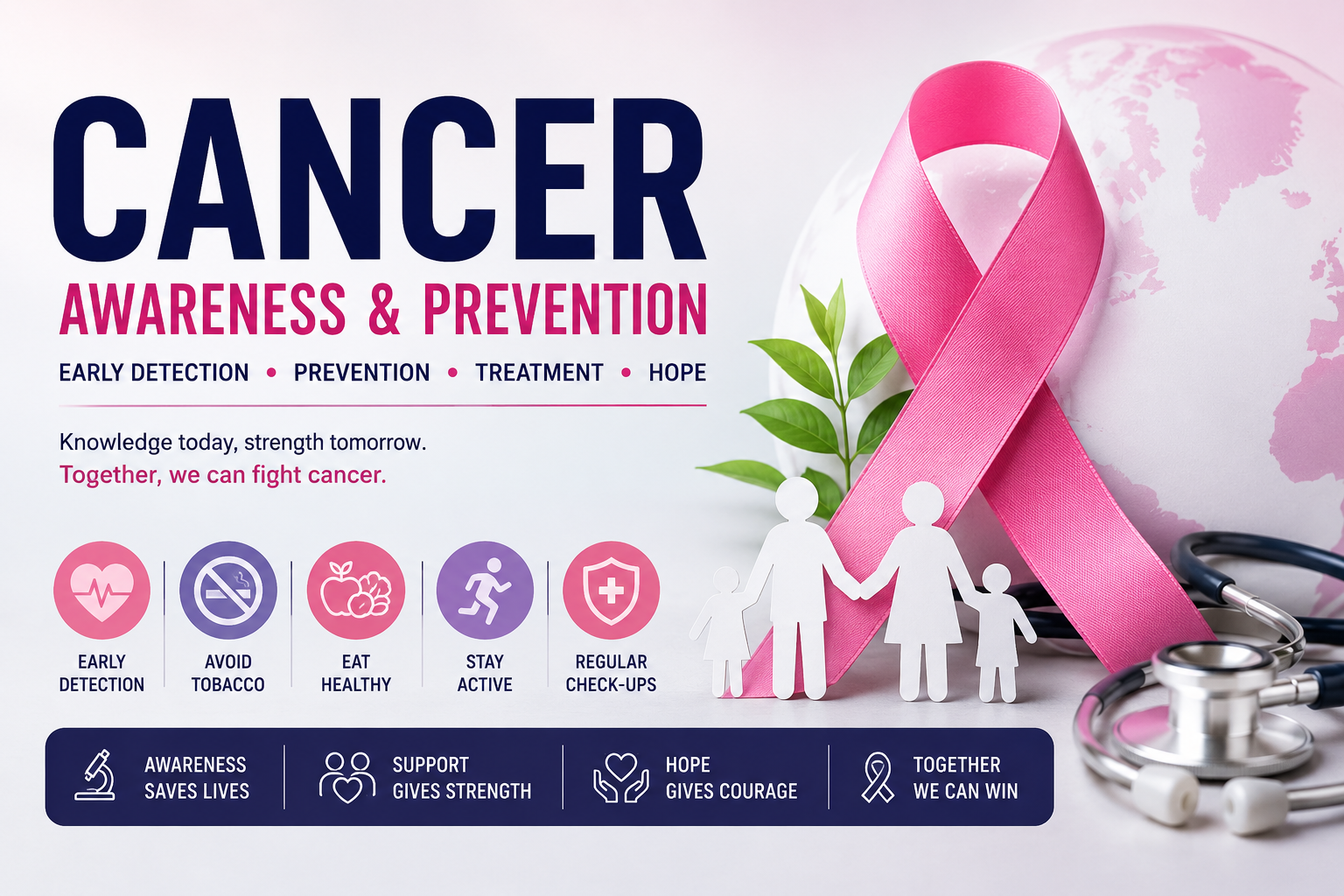
Awareness helps reduce risk and encourages early detection. Educating people about lung cancer causes and prevention can save lives.
Challenges in Lung Cancer Prevention
Many people ignore early symptoms or continue smoking despite knowing risks. Increasing awareness and strict regulations can help reduce cases.
“Regular health check-ups and awareness about lung cancer causes and prevention can help individuals detect problems early. Taking preventive steps such as avoiding smoking, reducing exposure to pollution, and maintaining a healthy lifestyle can significantly lower the risk of developing lung cancer.”
FAQs
What is the main cause of lung cancer?
Smoking is the leading cause of lung cancer.
Can lung cancer be prevented?
Yes, by avoiding smoking and maintaining a healthy lifestyle.
What are early signs of lung cancer?
Persistent cough, chest pain, and breathing issues.
Who is at risk?
Smokers and people exposed to pollution.
Is lung cancer curable?
It can be treated if detected early.