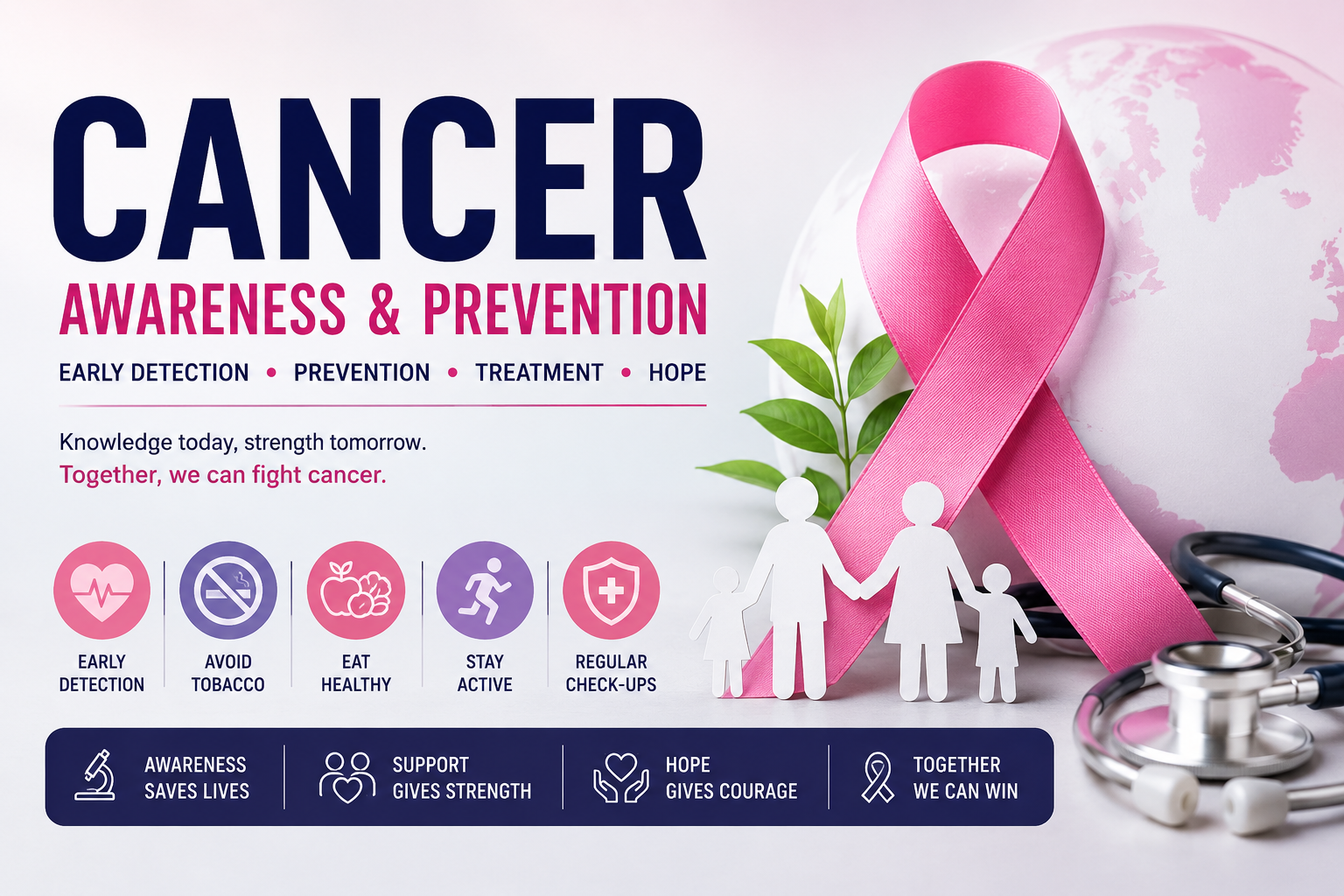

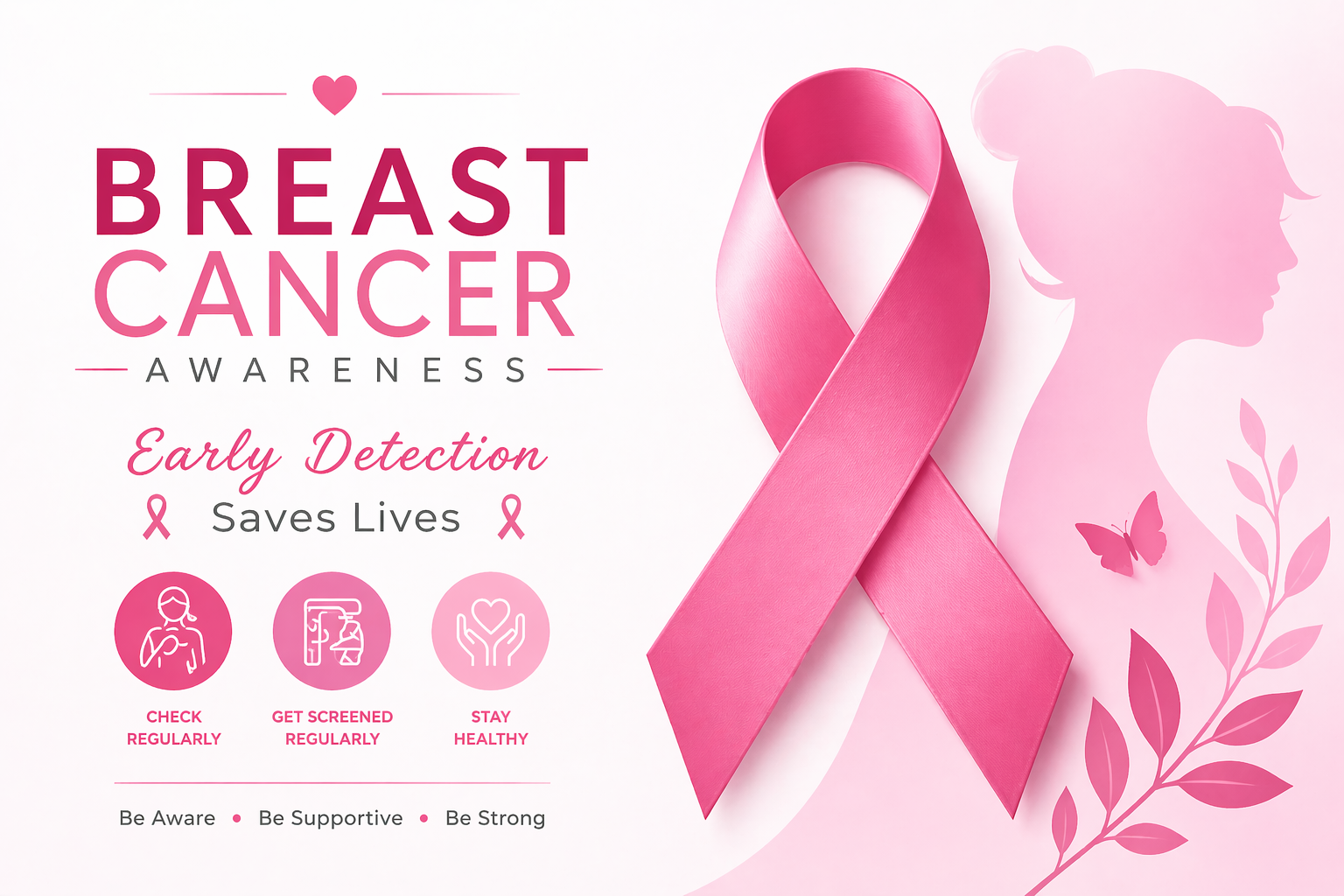

Breast cancer is one of the most common cancers affecting women worldwide. Increasing breast cancer awareness and early detection can significantly reduce mortality rates and improve treatment success.
Understanding the symptoms, risk factors, and screening methods can help individuals take timely action and protect their health.
“According to the World Health Organization (WHO), breast cancer is the most common cancer among women worldwide.”
👉 For a complete overview:
Complete Guide to Cancer Awareness
What is Breast Cancer?
Breast cancer occurs when abnormal cells in the breast grow uncontrollably and form a tumor. These cells can spread to other parts of the body if not treated early.
It can affect both women and men, although it is more common in women.
Importance of Breast Cancer Awareness
Benefits:
- Helps detect cancer early
- Increases survival rate
- Reduces treatment complexity
- Encourages regular screening
- For detailed warning signs, read:
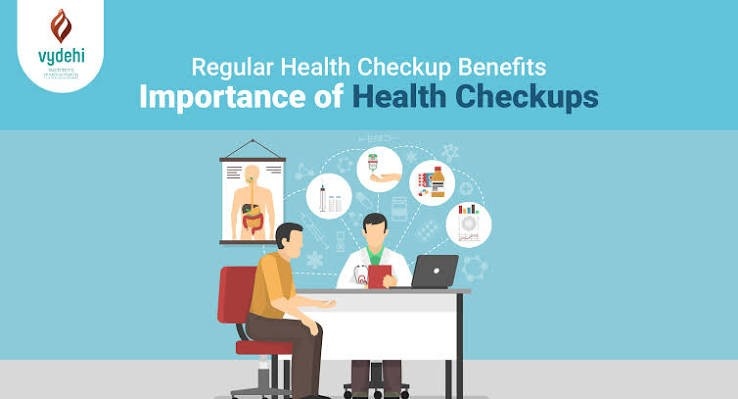
Importance of Regular Check-ups
“Regular medical check-ups help detect breast cancer at an early stage. Early diagnosis increases treatment success and reduces complications. Women above the age of 40 are especially advised to undergo routine screening.”
Early Signs of Breast Cancer
Recognizing early symptoms is crucial.
Common signs:
- Lump in the breast or underarm
- Change in breast size or shape
- Skin dimpling
- Nipple discharge
- Redness or irritation
- Read more:
Risk Factors of Breast Cancer
- Several factors increase the risk:
- Family history
- Genetic mutations
- Age (above 40)
- Hormonal changes
- Unhealthy lifestyle
Breast Cancer Screening Methods
Common methods:
1. Mammogram
An X-ray of the breast used to detect tumors early.
2. Breast Self-Examination
Checking your breasts regularly for lumps or changes.
3. Clinical Breast Exam
Performed by a healthcare professional.
👉 Learn screening importance:
Cancer Screening
How to Perform Breast Self-Examination
- Steps:
- Check in front of a mirror
- Feel for lumps while lying down
- Observe changes in size or shape
- Regular self-exams help in early detection.
Treatment Options
Treatment depends on stage and type.

Common treatments:
- Steps:
- Check in front of a mirror
- Feel for lumps while lying down
- Observe changes in size or shape
- Regular self-exams help in early detection.
- For detailed warning signs, read:
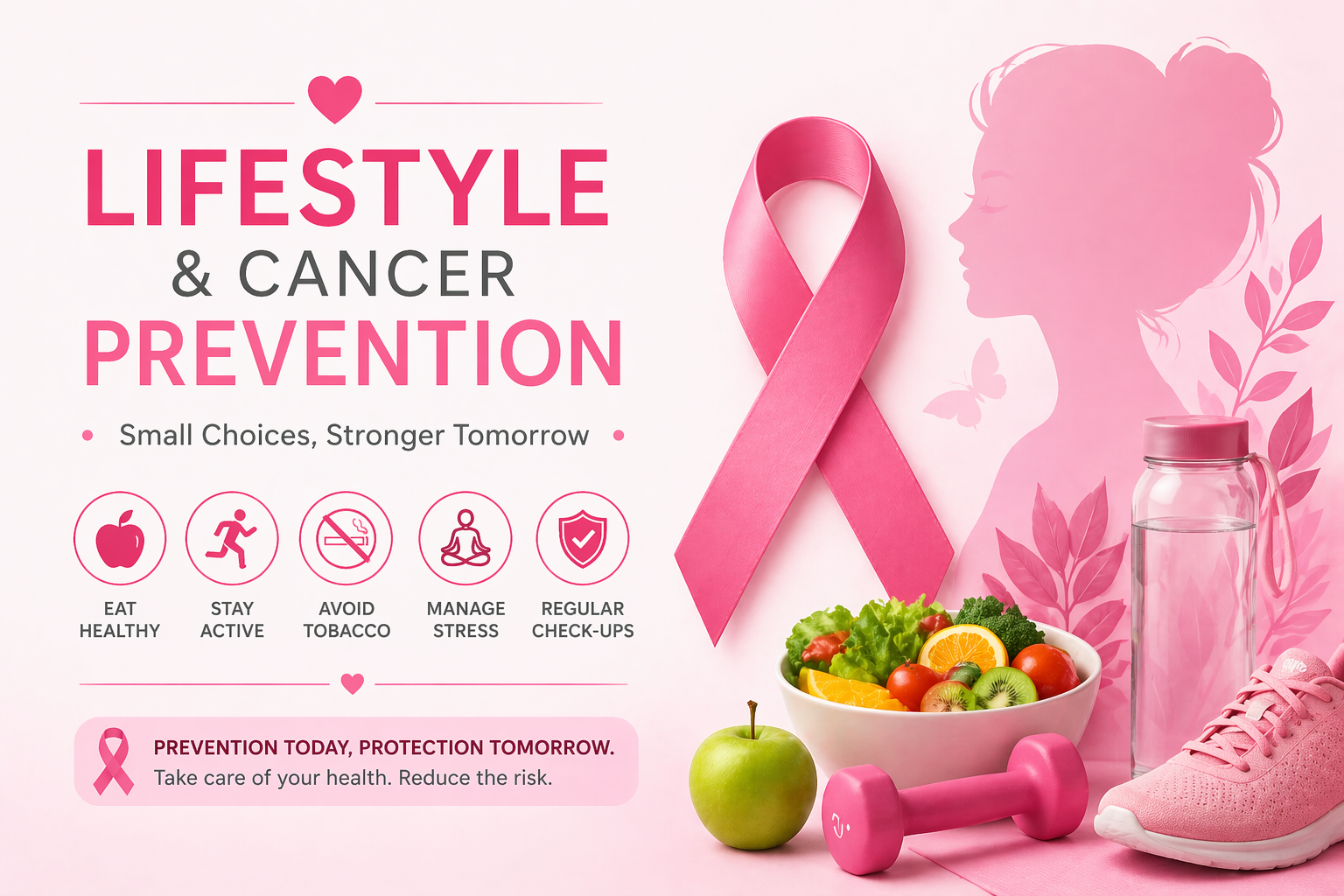
Prevention Tips
- Maintain healthy weight
- Exercise regularly
- Avoid alcohol and smoking
- Eat nutritious diet
- Learn lifestyle impact:
When to See a Doctor
- Consult a doctor if:
- You notice a lump
- There are unusual changes
- Symptoms persist
- Early consultation improves outcomes.
Role of Awareness Campaigns
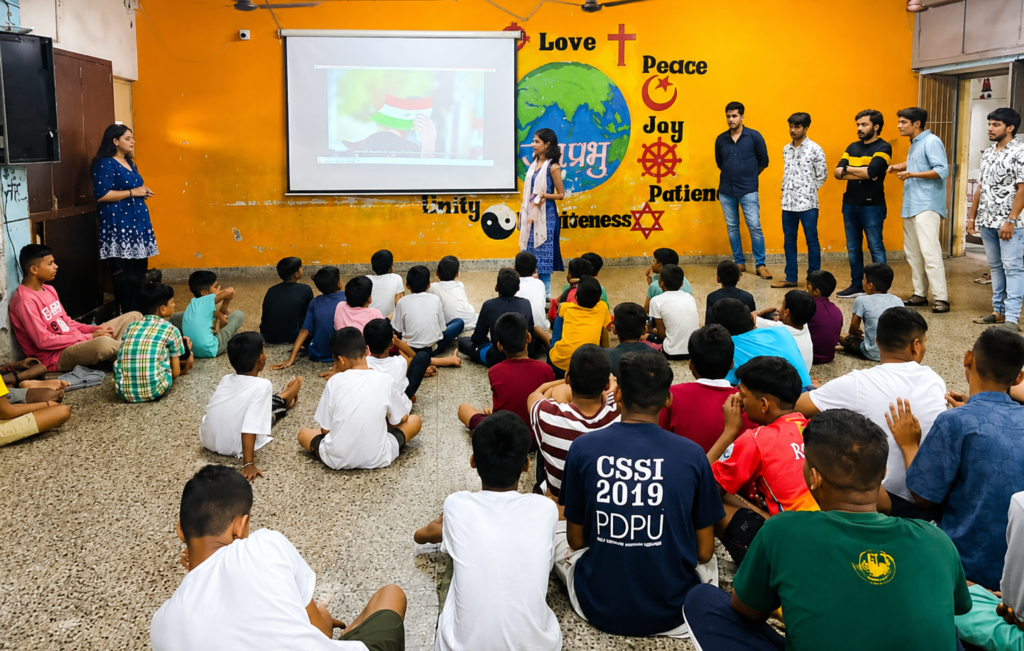
Awareness campaigns educate people and encourage screening. Programs like pink ribbon campaigns play a major role.
Challenges in Breast Cancer Detection
Some people avoid screening due to fear or lack of awareness. Improving education and access to healthcare can solve this issue.
Emotional and Psychological Impact of Breast Cancer
Breast cancer not only affects physical health but also has a strong emotional and psychological impact on patients. Many individuals experience anxiety, stress, and fear after diagnosis. The uncertainty about treatment and recovery can also lead to emotional distress.
Support from family, friends, and healthcare professionals plays a vital role in helping patients cope with these challenges. Counseling, support groups, and awareness programs can provide emotional strength and improve overall well-being. Staying positive and informed is an important part of the recovery journey.
Regular breast cancer awareness and early detection practices can help individuals stay informed, reduce risks, and take timely medical action for better health outcomes.
“Breast cancer awareness and early detection play a crucial role in saving lives and improving treatment success.”
FAQs
What is the first sign of breast cancer?
A lump in the breast is the most common early sign.
Can breast cancer be cured?
Yes, if detected early, it is highly treatable.
How often should screening be done?
Usually once a year after age 40.
Is breast cancer only for women?
No, men can also get breast cancer.
Can lifestyle reduce risk?
Yes, healthy habits can lower risk.