
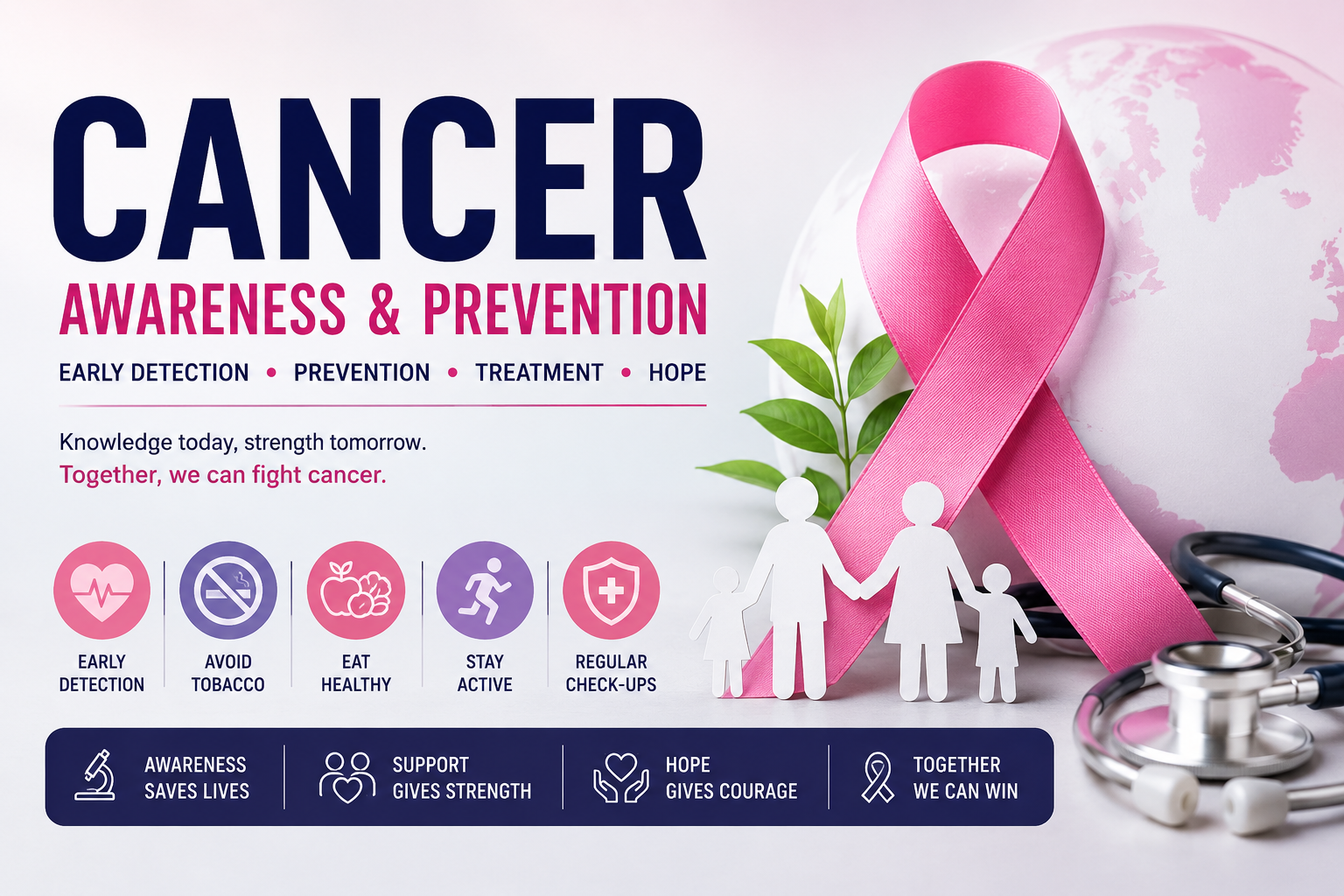

Cancer awareness is essential because cancer remains one of the leading health challenges worldwide. Understanding cancer symptoms, causes, prevention methods, screening tests, and treatment options can help people detect cancer early and improve survival rates.
With advances in modern medicine, many cancers can now be treated successfully when diagnosed at an early stage. This complete cancer awareness guide explains everything in simple language — from early warning signs and diagnosis to chemotherapy, immunotherapy, nutrition, and life after cancer.
Table of Contents
Chapter 1: What is Cancer?
Cancer is an uncontrolled, purposeless growth of cells in the body. Normally, our body’s cells
grow, divide, and die in a controlled way. In cancer, some cells start growing without any control
and ignore the body’s natural “stop” signals. These abnormal cells can:
- Use up nutrients and starve normal cells
- Form lumps that press on organs, blood vessels, or airways
- Cause pain, bleeding, or blockages
- Release substances that cause fever, tiredness, or other problems
- Spread to other parts of the body (called metastasis)

- Benign vs Malignant Tumors
- Benign tumors (harmless growths): Grow slowly, stay in one place inside a capsule, and rarely spread. They are usually not dangerous.
- Malignant tumors (cancer): Grow faster, invade nearby tissues, and can spread to distant organs. This is what we call cancer.

Metastasis means cancer has spread from the original site to other places like the lymph nodes, liver, lungs, bones, or brain.
Chapter 2: Common Types of Cancer
Cancers are named according to the type of cell or organ they start in. Worldwide common cancers: Lung, prostate, colon, and rectum.
- In India:
- Women: Cervix,breast, and esophagus(food pipe)
- Men: Head and neck region, and esophagus
- Over one-third of all head and neck cancers in the world occur in India. Main Types:
- Carcinomas (most common): Adenocarcinoma, Squamous cell carcinoma, Transitional cell carcinoma – affect the lining of organs.
- Sarcomas: Cancers of bone, muscle, fat, and other connective tissues.
- Lymphomas and Leukemias: Cancers of the lymph nodes and blood cells.
Chapter 3: Causes and Risk Factors of Cancer
The exact cause is not always known, but cancer develops when genes inside cells get damaged (mutations). These changes can happen due to:
- Lifestyle : Smoking, tobacco (gutka, pan masala), alcohol, obesity, poor diet
- Infections and hygiene: Certain viruses, poor oral or genital hygiene
- Environment : Pollution, chemicals (benzene, aniline), radiation, UV rays from the sun
- Chronic irritation: Old scars, burns, or long-term inflammation
- Heredity and age: Some families have a higher risk, but cancer can occur at any age — even in babies.

Most cancers are not purely hereditary. Many are preventable through healthy choices.
Learn More about this: https://unessafoundation.org/lung-cancer-causes-and-prevention/
Chapter 4: Myths and Facts About Cancer
Myth: Cancer only happens to old people.
Fact: Cancer can occur at any age. Even babies can be born with it.
Myth: Cancer means certain death.
Fact: Many cancers can be cured, especially if found early. Millions of people live long, normal lives after cancer.
Myth: Cancer spreads by touching or living together.
Fact: Cancer is not contagious. You cannot catch it from someone
Myth: Biopsy or surgery spreads cancer.
Fact: A biopsy is essential for a correct diagnosis. Surgery is one of the best treatments and does not spread cancer.
- Other Important Facts:
- Patients can lead active, normal lives during and after treatment.
- Treatment usually takes 6–8 months or longer, but support from family makes a big difference
- Many patients receive more than one type of treatment.
Learn More About This: https://unessafoundation.org/myths-and-facts-about-cancer/
Chapter 5: Early Warning Signs and Cancer Screening Tests
- Early detection is the best way to cure cancer. Remember the CAUTION signs:
- Change in bowel or bladder habits
- A sore that does not heal
- Unusual bleeding or discharge
- Thickening or lump in the breast or elsewhere
- Indigestion or difficulty in swallowing
- Obvious change in a wart or mole
- Nagging cough or hoarseness of voice
Other signs to watch: Unexplained weight loss, prolonged fever, or constant weakness.
Recommended Screening (India context)
- For Women:
- Pap smear (cervix) every 2–5 years from age 35
- Mammography(breast) every 5 years from age 35
- Monthly self-breast examination
- Doctor breast examination every 2–5 years
- For Men:
- PSA test (prostate) every 5 years from age 45
- Stool test for occult blood + rectal examination (colon/rectum) every 2–5 years from age 45
- People with family history, previous cancer, or exposure to risk factors should have regular check-ups.
Learn More About This: https://unessafoundation.org/cancer-screening-and-early-detection/
Chapter 6: Cancer Diagnosis
Diagnosis has three main parts:
- Confirming it is cancer
- Finding out the stage (how far it has spread)
- Checking the overall health of the patient
- Confirmation Method :
- FNAC (Fine Needle Aspiration Cytology): Simple needle test, often no anesthesia needed. Very useful for breast, thyroid, etc.
- Biopsy: Small piece of tissue examined under microscope (best method).
- Endoscopic biopsy, fluid cytology, etc.
- Staging
- Stage 1: Cancer is only in the original organ (excellent cure rates)
- Stage 2: Spread locally outside the organ
- Stage 3: Spread to nearby lymph nodes
- Stage 4: Spread to distant organs (metastatic)
Note: Even in Stage 3 and 4, good treatment can cure/control the disease and improve quality of life.
- Other Tests
- Blood tests,X-rays, Ultrasound, CT Scan, MRI, PET scan, Tumor markers (PSA, CA- 125, CEA, AFP, etc.)
- These help plan the best treatment.
Chapter 7: Cancer Prevention Tips
- You can reduce your risk significantly by:
- Avoiding tobacco in all forms (smoking, chewing)
- Limiting or avoiding alcohol
- Eating plenty of fresh fruits, vegetables, and a balanced diet
- Maintaining a healthy weight
- Staying physically active
- Practicing good hygiene and safe practices
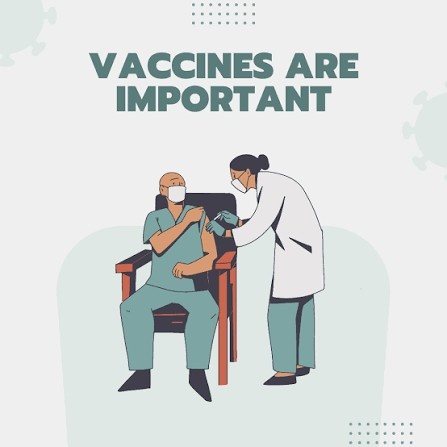
- Getting vaccinated (where available, e.g., HPV for cervical cancer)
- Protecting skin from excessive sun
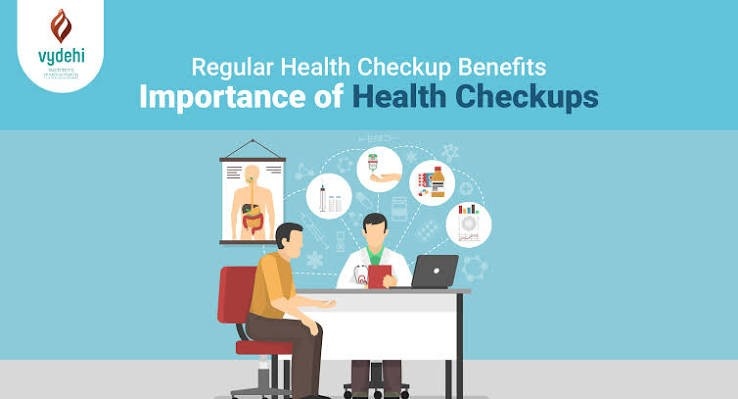
- Regular screenings
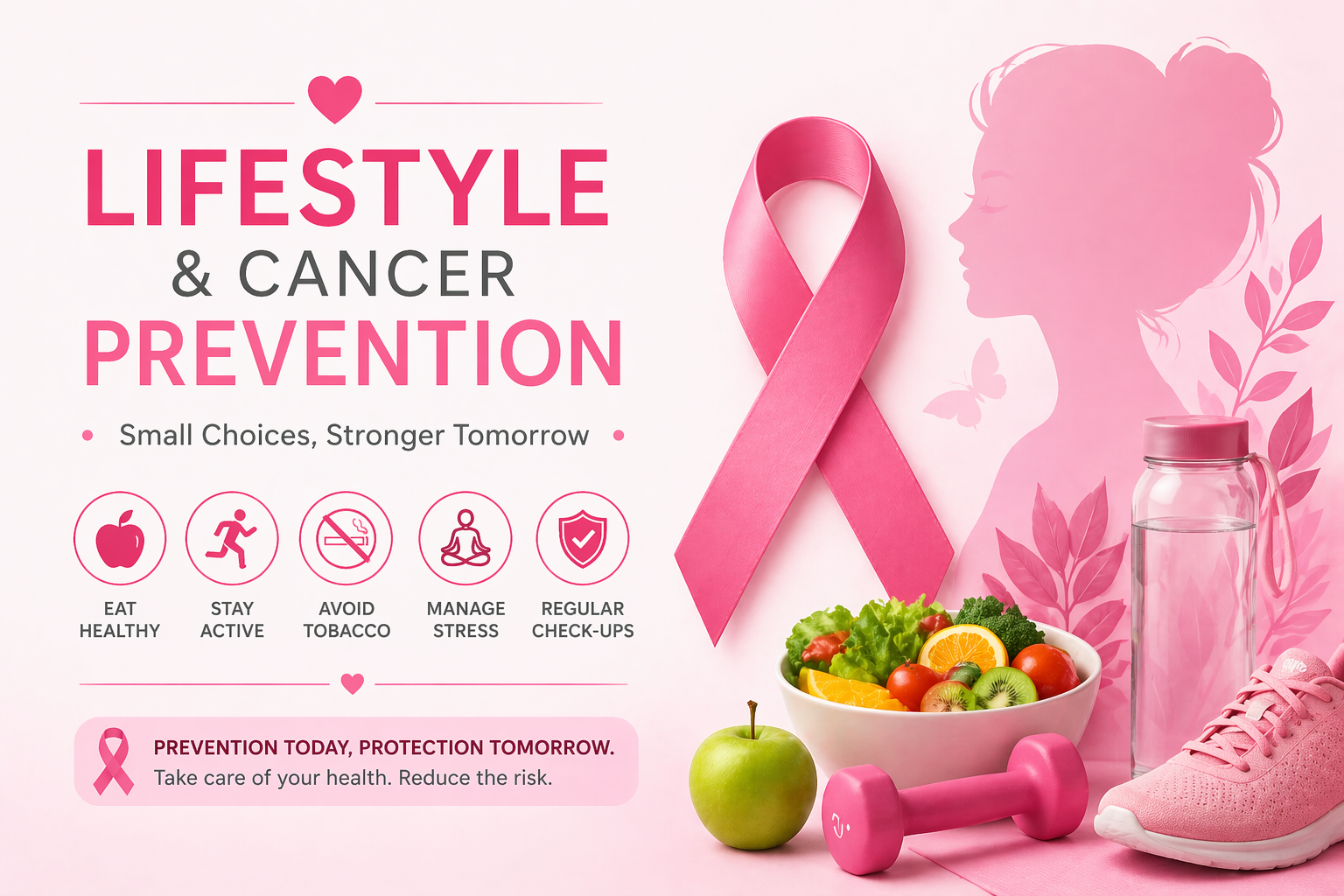
Learn More About This: https://unessafoundation.org/lifestyle-and-cancer-prevention
Chapter 8: Cancer Treatment Options
Most patients receive a combination of treatments (multimodality approach) for the best results.
1. Surgery
Often, the most effective way to remove cancer. Removes the tumor and nearby affected tissue.
2. Chemotherapy
Uses medicines to kill fast-growing cancer cells. Given in cycles (usually every 3 weeks). Can be given:
- Before surgery (to shrink tumor)
- After surgery (to prevent recurrence)
- As main treatment or for advanced disease
- Patient Instructions for Chemotherapy (very important):
- Get blood tests before each cycle
- Drink plenty of water
- Eat light meals, avoid oily/raw food during treatment
- Take anti- vomiting medicines regularly
- Avoid crowds to prevent infections
- Report fever or severe vomiting immediately
- Side effects (hair loss, nausea, low blood counts, skin changes) are usually temporary
3. Radiotherapy
Uses high-energy rays (like advanced X-rays) to destroy cancer cells. Given 5 days a week for 5–6 weeks.
Types: External (Teletherapy), Brachytherapy, etc.
Modern machines (Linear Accelerator) are precise with fewer side effects.
- Dos and Don’ts during Radiotherapy
- Keep the marked area clean and dry
- Avoid rubbing or shaving the treated area
- Wear loose cotton clothes
- Eat soft, nutritious food
- Report any fever immediately
- Rest but do light exercise daily
- Other Treatments
- Hormonal therapy
- Targeted therapy
- Immunotherapy
- Palliative care(for symptom relief)
Learn More About This: https://unessafoundation.org/cancer-treatment-options
Chapter 9: Immunotherapy – A New Hope
Immunotherapy is one of the most exciting advances in cancer treatment. Instead of attacking cancer directly like chemo or radiation, it boosts your own immune system to recognise and destroy cancer cells.
How It Works
Abnormal cells often hide from the immune system. Immunotherapy removes these “brakes” or trains immune cells (like T-cells) to find and kill cancer more effectively.
- Main Types
- Checkpoint inhibitors: Release the brakes on immune cells
- Monoclonal antibodies: Help the immune system target cancer cells.
- Cancer vaccines: Train the body to fight specific cancers.
- Adoptive cell therapy (e.g., CAR-T): Modified immune cells given back to the patient
- Benefits
- Can work even in advanced cancers
- May provide long-lasting protection(immune memory)
- often has fewer side effects than traditional treatments
- Can be combined with other therapies
Side Effects
May include flu-like symptoms, skin rash, fatigue, or diarrhea. These are usually manageable. Your doctor will monitor you closely. Immunotherapy has transformed outcomes for many patients with melanoma, lung cancer, kidney cancer, and more. It continues to improve rapidly.
Chapter 10: Living Well During Cancer Treatment
- Nutrition Tips:
- Eat small, frequent meals rich in protein and calories
- Drink plenty of fluids (water, soups, juices, coconut water)
- Perfer soft, well-cooked food; avoid very spicy or raw items during active treatment
- General Care:
- Rest when needed but do light exercise daily
- Wear loose cotton clothes
- Follow specific instructions for chemotherapy and radiotherapy
- Palliative care(for symptom relief)
Learn More About This: https://unessafoundation.org/diet-and-cancer-prevention
Chapter 11: Caregiver Support Guide
Caring for a loved one with cancer is both challenging and rewarding. Here are practical tips:
- Key Roles of Caregivers
- Help with appointments, medicines, and daily needs
- Provide emotional support and listen without judgment
- Coordinate with doctors and family
- Self-Care for Caregivers (Very Important!)
- Take short breaks daily (even 15–30 minutes)
- Eat healthy, exercise lightly, and keep your own medical check-ups
- Accept help from others — don’t do everything alone
- Share feelings with friends, support groups, or counsellors
- Practical Tips
- Keep a notebook for questions, medicines, and symptoms
- Learn about the specific cancer and treatment
- Encourage the patient’s independence where possible
- Focus on small joys and celebrate good days
Remember: Taking care of yourself helps you take better care of your loved one.
Learn More About This: https://unessafoundation.org/mental-health-support-for-cancer-patients
Chapter 12: Life After Cancer (Survivorship)
Survivorship begins the day a diagnosis is made and continues lifelong. Many people return to normal or near-normal life.
- Important Aspects
- Regular follow-up visits and scans to monitor for recurrence
- Managing long-term side effects (fatigue, emotional changes, etc.)
- Healthy lifestyle to prevent new cancers
- Emotional and psychological support
- Return to work, relationships, and hobbies
Survivorship Care Plan: Ask your doctor for a written summary of treatment and a future check- up schedule. Many survivors report feeling stronger and more appreciative of life after cancer.
If need Complete Guide to Cancer Awareness:https://unessafoundation.org/complete-guide-to-cancer-awareness
Frequently Asked Questions About Cancer
What are the early signs of cancer?
Early signs of cancer may include unexplained weight loss, persistent cough, unusual bleeding, lumps, fatigue, and changes in bowel habits.
Can cancer be cured?
Many cancers can be cured if detected early and treated properly using surgery, chemotherapy, radiotherapy, or immunotherapy.
What causes cancer?
Cancer can develop due to tobacco use, unhealthy diet, alcohol, infections, pollution, radiation, genetic factors, and lifestyle habits.
How can cancer be prevented?
Cancer prevention includes avoiding tobacco, eating healthy food, exercising regularly, maintaining healthy weight, and attending regular screenings.
How long does treatment take?
Usually 6–8 months or longer, depending on the type and stage.
What is immunotherapy in cancer treatment?
Immunotherapy is a modern cancer treatment that helps the immune system identify and destroy cancer cells.
Will I lose my hair?
Possible with some chemo, but it usually grows back after treatment
Can I work during treatment?
Many patients continue working or doing normal activities with adjustments.
What if the disease comes back?
There are good options for recurrence, too. Early detection helps.
Is it okay to feel scared or depressed?
Yes — it’s normal. Talk to your doctor or counsellor. Support is available.
Chapter 14: Glossary of Common Terms
- Benign: Harmless growth
- Biopsy: Tissue sample for testing
- Chemotherapy: Medication treatment
- Metastasis: Spread to distant organs
- Oncology: Study and treatment of cancer
- Palliative Care: Treatment focused on comfort and quality of life
- Radiotherapy: Treatment using high-energy rays
- Remission: Cancer is reduced or undetectable
- Tumor Marker: Blood test showing cancer activity