

Importance of Cancer Screening and Early Detection
Cancer is a serious health condition, but detecting it early can significantly improve treatment outcomes. Cancer screening and early detection play a crucial role in identifying cancer before symptoms appear.
Screening tests help detect abnormalities at an early stage, making treatment more effective and less complicated.
👉 For a complete understanding, read:
Complete Guide to Cancer Awareness
What is Cancer Screening?

Cancer screening refers to medical tests used to detect cancer in individuals who do not yet show symptoms. These tests help identify cancer at an early stage.
Common screening methods include:
- Blood tests
- Mammograms
- Pap smear
- Colonoscopy
Screening does not diagnose cancer but helps identify the possibility of it.
For more detailed information about cancer screening methods, visit the National Cancer Institute.
Why Early Detection is Important
Early detection is one of the most powerful tools in fighting cancer.
Benefits include:
- Higher survival rates
- Less aggressive treatment
- Reduced healthcare costs
- Better recovery chances
👉 Read more symptoms:
Early Signs of Cancer
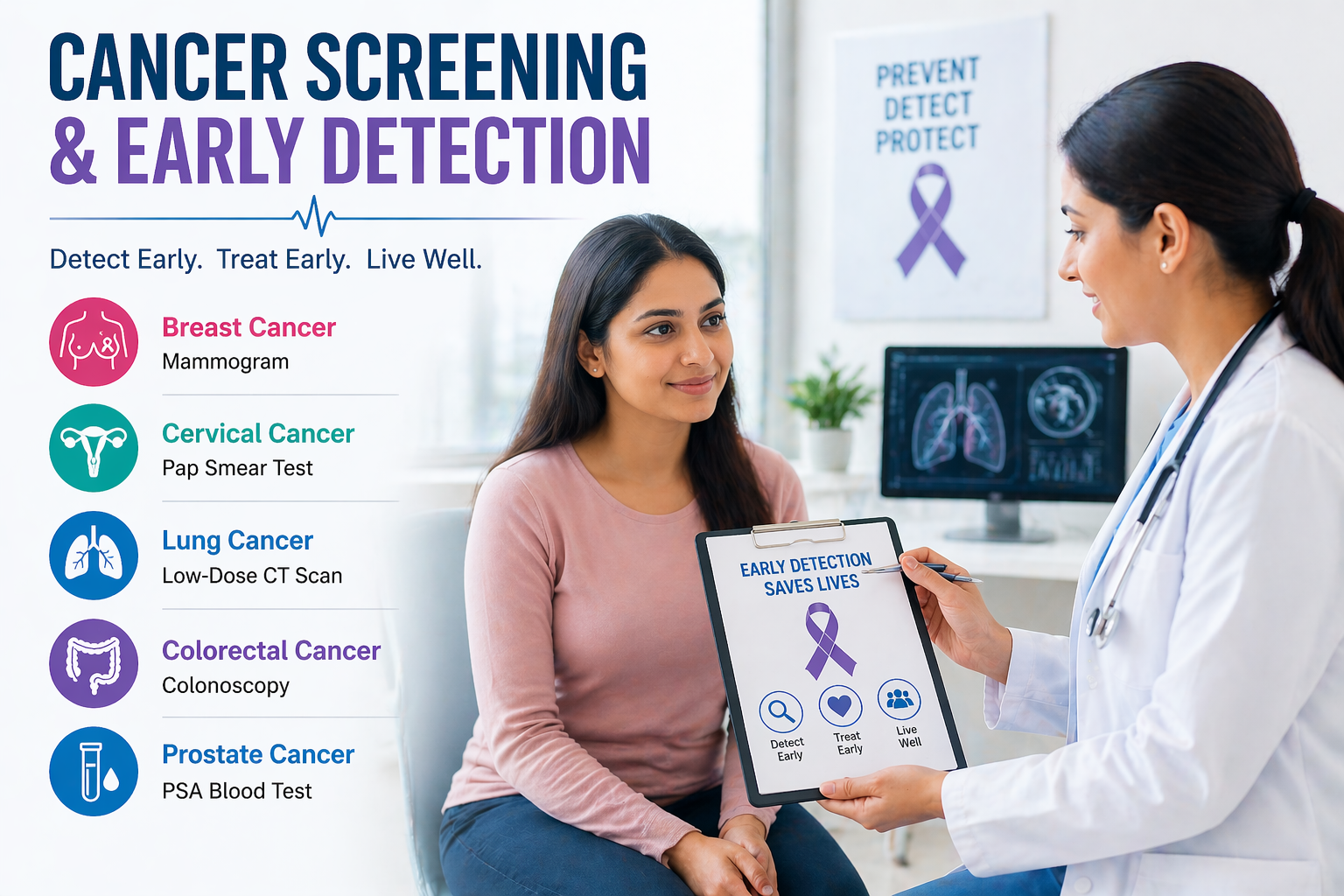
Types of Cancer Screening Tests
Different types of cancers require different screening methods.
1. Breast Cancer Screening
- Mammogram
- Self-examination
Breast Cancer Awareness
2. Cervical Cancer Screening
- Pap smear test
3. Lung Cancer Screening
- Low-dose CT scan
Lung Cancer Causes
4. Colorectal Cancer Screening
- Colonoscopy
- Stool tests
5. Prostate Cancer Screening
- PSA blood test
Who Should Get Screened?
Cancer screening is important for everyone, but certain groups are at higher risk.
High-risk individuals:
- People with family history of cancer
- Smokers
- Individuals with unhealthy lifestyle
- Older adults
Regular screening is recommended based on age and risk factors.
How Often Should You Get Screened?
- Screening frequency depends on:
- Age
- Gender
- Family history
- Lifestyle habits
- Doctors usually recommend:
- Annual check-ups
- Regular tests after age 40
Role of Technology in Early Detection
Modern technology has improved cancer detection significantly.
Advanced methods include:
- AI-based diagnosis
- Imaging techniques
- Genetic testing
These technologies help detect cancer faster and more accurately.
Common Myths About Cancer Screening
Many people avoid screening due to misconceptions.
Myth 1: Screening is painful
Fact: Most tests are simple and quick
Myth 2: Only sick people need screening
Fact: Screening is for healthy individuals
👉 Learn more:
Myths About Cancer
Prevention Through Screening
Regular screening helps prevent cancer by detecting early changes in the body.
👉 Learn prevention tips:
Lifestyle & Prevention
When Should You See a Doctor?
- Consult a doctor if:
- You notice unusual symptoms
- You are at high risk
- You have missed regular screenings
- Early consultation can prevent complications.
Importance of Awareness
Awareness campaigns encourage people to undergo regular screening. Educating communities can reduce cancer-related deaths.
Challenges in Cancer Screening
Despite its benefits, many people avoid cancer screening due to various reasons. Lack of awareness, fear of diagnosis, and limited access to healthcare facilities are some common challenges. In some cases, people ignore symptoms or delay screening due to busy lifestyles or financial concerns.
It is important to overcome these barriers by spreading awareness and encouraging regular health check-ups. Governments and healthcare organizations are also working to improve access to screening services and educate people about the importance of early detection.
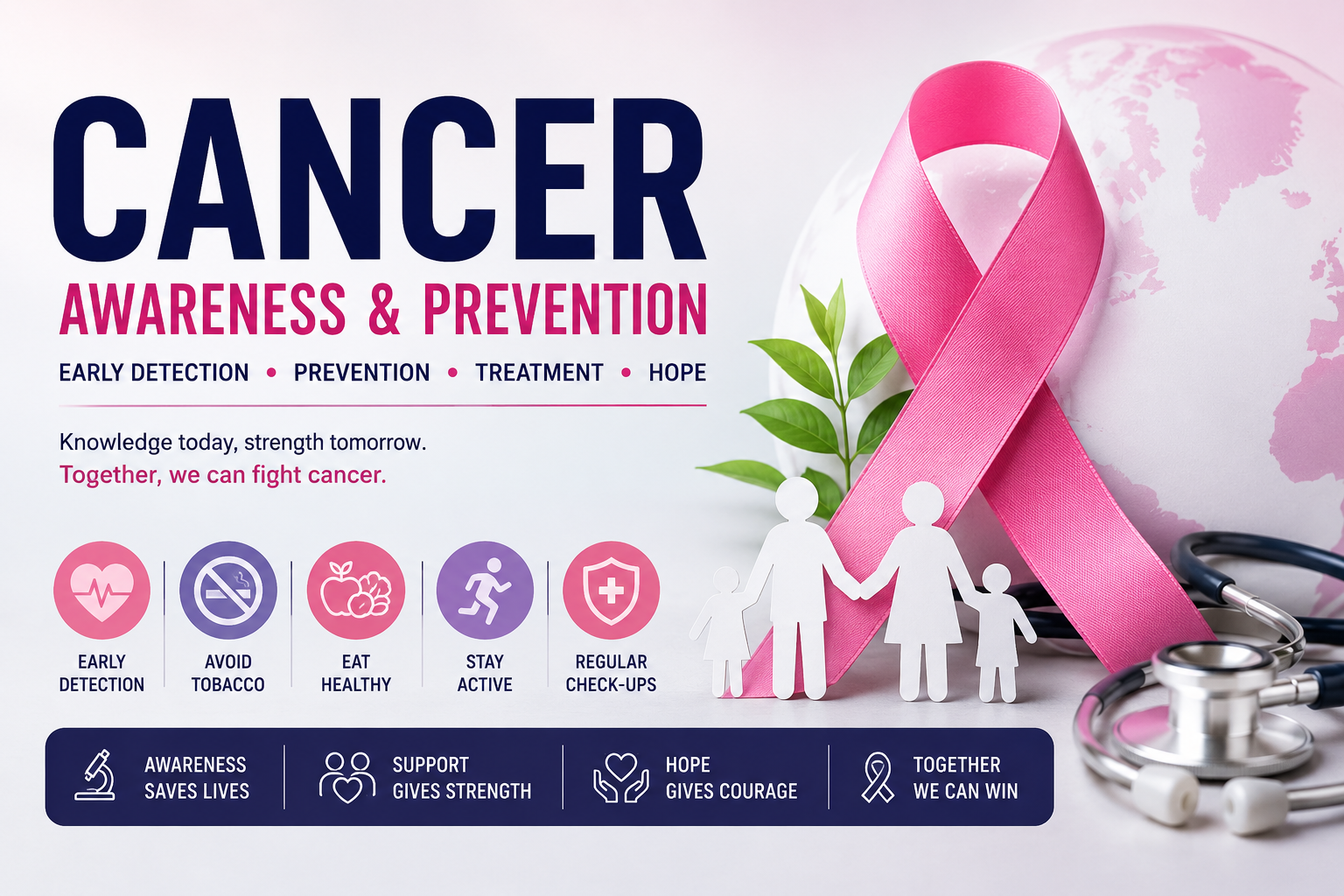
Prevention Tips
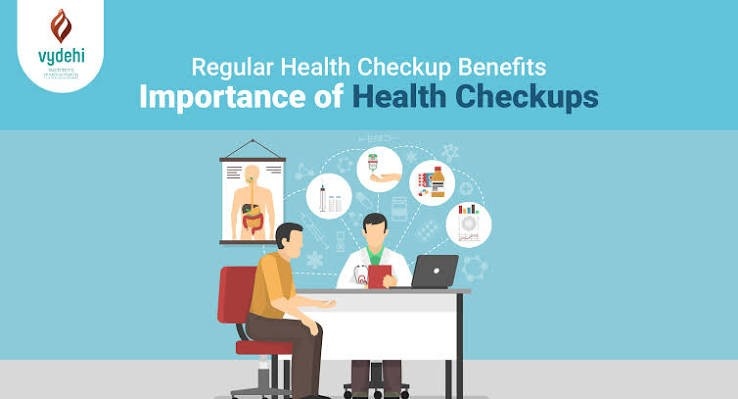
- Get regular health check-ups
- Avoid tobacco
- Maintain healthy diet
- Exercise regularly
FAQs
What is cancer screening?
Cancer screening is a test used to detect cancer early before symptoms appear.
Why is early detection important?
It increases survival chances and reduces treatment complexity.
Who should get screened?
Everyone, especially high-risk individuals.
Are screening tests safe?
Yes, most tests are safe and painless.
How often should screening be done?
It depends on age and risk factors, usually annually.