
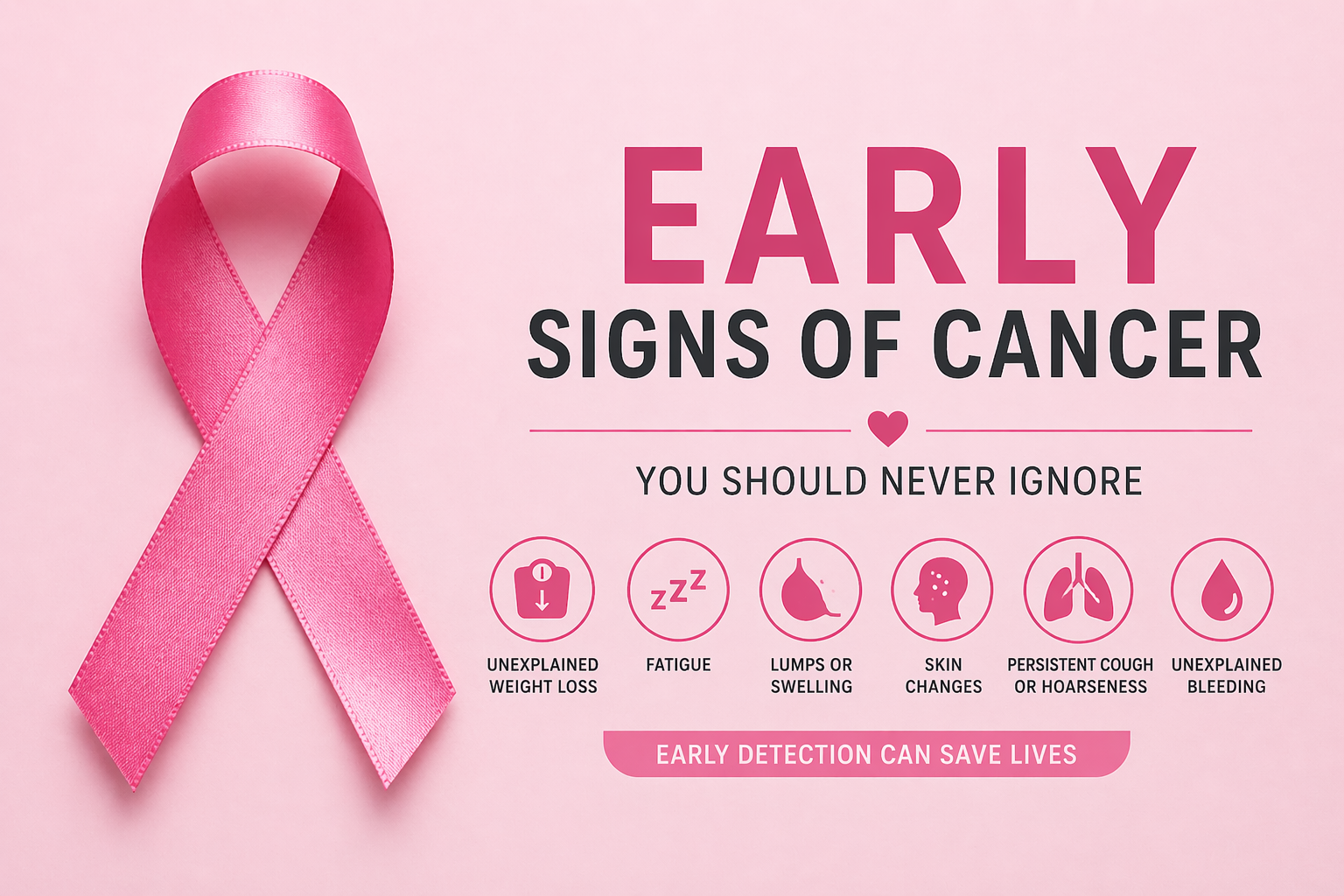

Early Signs of Cancer You Should Never Ignore
“Recognizing the early signs of cancer is important for timely diagnosis and treatment.” Early detection plays a critical role in successfully treating cancer. Recognizing the early signs of cancer can help individuals seek medical attention before the disease progresses to advanced stages.
Cancer often develops silently, and many symptoms may appear minor at first. However, ignoring these warning signs can delay diagnosis and reduce the chances of effective treatment.
“Cancer is one of the leading causes of death worldwide. According to the World Health Organization (WHO), awareness and early detection can significantly reduce mortality rates.”
👉 For a complete understanding, read:
Complete Guide to Cancer Awareness
Why Early Detection is Important
“Understanding the early signs of cancer can significantly improve survival rates.”Detecting cancer early significantly increases survival rates. When cancer is identified in its initial stages, treatment becomes more effective and less aggressive.
Benefits of early detection:
- Higher survival rates
- Less complex treatment
- Lower medical costs
- Better quality of life
- Learn more about screening methods:
“Below are the most common early signs of cancer that you should never ignore.”
1. Unexplained Weight Loss
One of the most common early signs of cancer is sudden weight loss without any effort. Losing more than 5–10% of body weight unexpectedly could be a warning sign.
This symptom is often linked to cancers such as:
- Stomach cancer
- Lung cancer
- Pancreatic cancer
If you notice sudden weight loss, consult a doctor immediately.
2. Persistent Fatigue
Feeling constantly tired even after proper rest is another important symptom. Cancer-related fatigue does not improve with sleep and may worsen over time.
This is commonly seen in:
- Blood cancer
- Colon cancer
3. Unusual Lumps or Swelling
Any new lump or thickening in the body should never be ignored. These lumps may appear in:
- Breast
- Neck
- Underarms
👉 Learn more:
Breast Cancer Awareness
4. Changes in Skin
Skin changes can indicate various types of cancer.
Warning signs include:
- Darkening or yellowing of skin
- Redness or irritation
- Changes in moles
5. Persistent Cough or Hoarseness
A long-lasting cough that doesn’t go away may be a symptom of lung cancer.
Other signs:
- Chest pain
- Difficulty breathing
- Blood in cough
👉 Read more:
Lung Cancer Causes
6. Changes in Bowel or Bladder Habits
Sudden changes such as constipation, diarrhea, or blood in stool may indicate colon cancer.
7. Difficulty Swallowing
Trouble swallowing food or feeling pain while eating can be a sign of throat or esophageal cancer.
8. Unexplained Bleeding
Unusual bleeding is a serious warning sign.
Examples:
- Blood in urine
- Bleeding after menopause
- Blood in stool
9. Persistent Pain
Long-term pain without a clear reason should be checked. It may indicate bone or organ-related cancers.
10. Frequent Infections or Fever
Frequent infections or unexplained fever may be linked to blood cancers like leukemia.
When to See a Doctor

- You should consult a doctor if:
- Symptoms persist for more than 2–3 weeks
- Symptoms worsen over time
- Multiple symptoms appear together
- Early consultation can save lives.
How Lifestyle Affects Early Signs
- Unhealthy habits can increase cancer risk:
- Smoking
- Poor diet
- Lack of exercise
- Learn prevention tips:
Role of Awareness
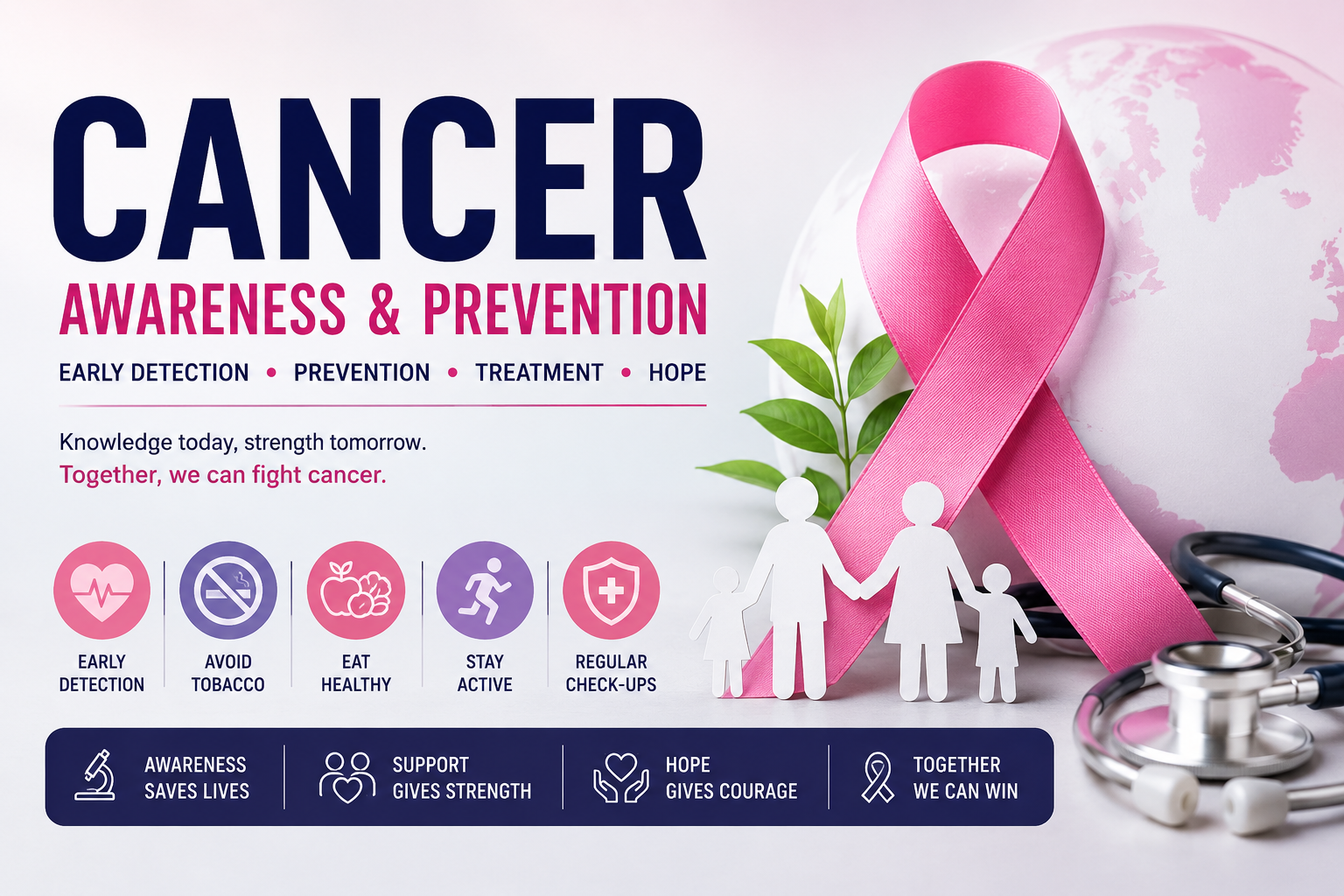
Awareness helps people recognize symptoms early and take action. Educating yourself and others can reduce the impact of cancer.
Prevention Tips
- Maintain a healthy lifestyle
- Avoid tobacco
- Eat nutritious food
- Exercise regularly
- Get regular check-ups
“Being aware of the early signs of cancer can help you take action at the right time.”
FAQs
What are the first signs of cancer?
Common signs include weight loss, fatigue, lumps, and persistent pain.
Are all lumps cancerous?
No, but any unusual lump should be checked by a doctor.
Can early cancer be cured?
Yes, many cancers are treatable if detected early.
How long should I wait before seeing a doctor?
If symptoms last more than 2–3 weeks, consult a doctor.
Is fatigue always a sign of cancer?
Not always, but persistent fatigue should be evaluated.