

COMMUNITY & GIVING
Emotional Impact of Old Age Homes
Moving to an old age home can involve mixed emotions for the older person and their family. Listening, preserving choices and maintaining meaningful relationships can make the transition more thoughtful and respectful.
Published by Unessa Foundation · Editorial update: 4 November 2026
On this page
- The Emotional and Social Impact of Old Age Homes on the Elderly
- Initial Emotional Challenges
- Social Life in Old Age Homes
- Mental Health Benefits
- Emotional Support Systems
- Positive Transformation
- Challenges Still Exist
- Role of Family in Emotional Well-being
- Activities That Improve Emotional Health
- Importance of Community Living
- Importance of a Positive Environment
- 5 practical checks for emotional impact of old age homes
- Evidence and support: keep the scope clear
- Conclusion
- Sources and further reading
- Frequently asked questions
- Continue reading
Ask the older adult how they would like to stay connected and which routines matter to them. Agree manageable visits or calls, and discuss concerns with the home's responsible staff rather than assuming everyone experiences the move in the same way.
For comparing the actual residential arrangement and responsibilities, read old age home comparison guide.
The Emotional and Social Impact of Old Age Homes on the Elderly
Emotional Impact of Old Age Homes
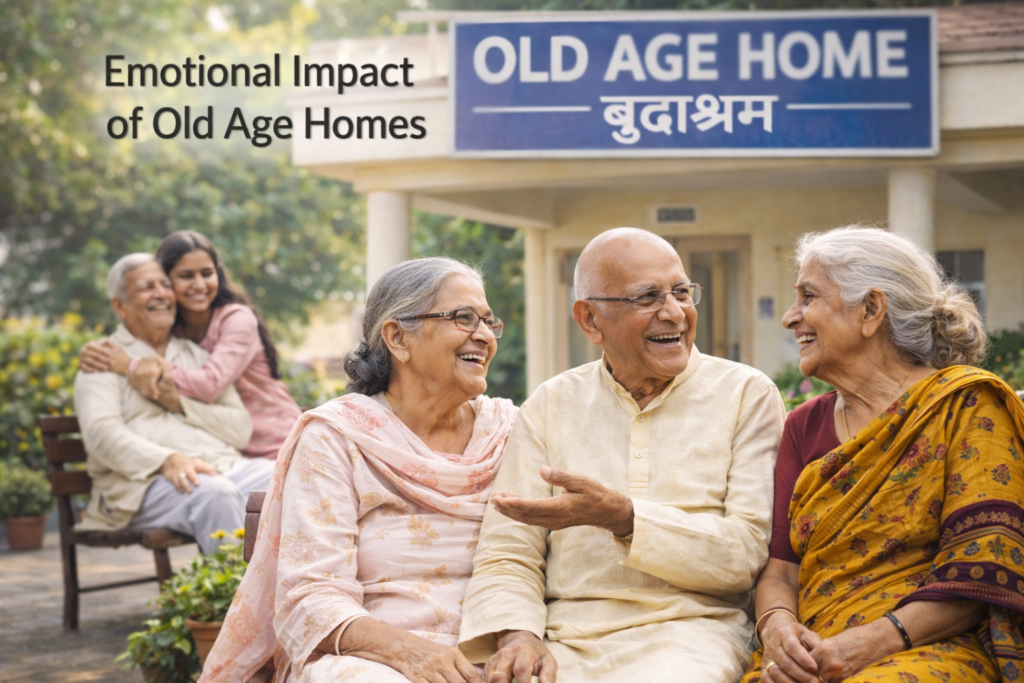
Aging is not just a physical journey but an emotional one as well. The transition into old age homes can bring mixed feelings—relief, fear, loneliness, and sometimes even happiness. Understanding the emotional impact of old age homes is essential to ensure that elderly individuals live with dignity and peace.
Learn more about elderly care support: https://www.helpageindia.org/
Initial Emotional Challenges
When seniors move into old age homes, they often experience:
- Separation anxiety from family
- Feeling of abandonment
- Fear of a new environment
These emotions are natural and require time and support to heal.

Unessa Foundation activity: children working with colourful paper during a Bengaluru group activity.
SUPPORT CHILDREN’S EDUCATION
Help learning become a regular part of a child’s life.
Support Unessa Foundation’s education programmes and volunteer-led learning activities.
Social Life in Old Age Homes
One of the biggest advantages is social interaction.
Residents can:
- Build new friendships
- Share experiences
- Participate in group activities
This reduces loneliness and promotes happiness.
Mental Health Benefits
Old age homes help improve mental well-being by:
- Providing routine and structure
- Encouraging social bonding
- Offering emotional support
Many homes also provide counseling and therapy sessions.
Emotional Support Systems
Caregivers play a vital role by:
- Offering companionship
- Listening to residents
- Creating a family-like environment
Festivals and celebrations also bring joy and belonging.
Positive Transformation
Over time, many elderly individuals:
- Become more socially active
- Feel less lonely
- Develop a sense of community
This shows the positive emotional impact of old age homes.
Challenges Still Exist
- Some residents may struggle to adjust
- Lack of family visits can affect emotions
- Quality of care varies
Role of Family in Emotional Well-being
Even though old age homes provide care, family connection is still very important. Regular visits, phone calls, and emotional support from family members can greatly improve the emotional impact of old age homes on seniors.
When elderly individuals feel remembered and valued, they experience less loneliness and more happiness.
Activities That Improve Emotional Health
Most old age homes organize activities such as:
- Yoga and meditation
- Cultural programs and festivals
- Games and storytelling sessions
These activities create joy and reduce stress, improving the emotional impact of old age homes.
Importance of Community Living
Living with people of the same age group helps seniors feel understood. They can share life experiences, build friendships, and support each other emotionally.
This sense of belonging plays a major role in improving the emotional impact of old age homes.
Importance of a Positive Environment
A positive and supportive environment plays a major role in improving the emotional impact of old age homes. Clean surroundings, friendly staff, and engaging activities create a sense of comfort and belonging among residents.
When elderly individuals feel safe and respected, their emotional health improves significantly. A peaceful environment helps reduce stress, anxiety, and loneliness, making life in old age homes more fulfilling and meaningful.
5 practical checks for emotional impact of old age homes
- Ask which routines and relationships matter.
- Agree preferred visits or calls.
- Listen to the older adult’s concerns.
- Discuss practical adjustments with responsible staff.
- Seek appropriate support for continuing distress.
Evidence and support: keep the scope clear
Personal accounts can illustrate experiences but cannot establish that residential living always causes or resolves loneliness. Consider the individual's preferences, relationships and support needs when deciding what further help is appropriate.
The education donation buttons lead to Unessa’s education campaign. They do not fund every third-party provider, item or service mentioned here. Read the programme information and confirm any allocation or service condition important to you before giving.
Conclusion
The emotional impact of old age homes can be both challenging and uplifting. With proper care, empathy, and support, these homes can become places of happiness, healing, and companionship.
Explore more topics here: donate-for-education
Sources and further reading
Frequently asked questions
Does moving to an old age home affect everyone emotionally in the same way?
People’s experiences differ with their preferences, relationships, support and the actual living arrangement. Avoid assuming either inevitable loneliness or guaranteed happiness; discuss concerns and opportunities for contact with the older person and responsible team.
What can families ask about adjustment after a move?
Ask how personal preferences, communication, visits and concerns are handled. Agree who to contact and when to review the arrangement, while leaving any assessment of persistent emotional or health concerns to an appropriately qualified professional.
Do old age homes affect mental health?
The emotional impact of old age homes varies between people. Companionship and reliable support may help, while an unwanted move, isolation or poor care may create distress. Listen to the person’s experience and seek appropriate professional help for persistent concerns.
Do elderly people feel lonely in old age homes?
Some people feel lonely, while others welcome companionship. The experience depends on relationships, choice, accessibility and the home’s daily arrangements. Regular contact and suitable activities may help, but loneliness does not necessarily disappear over time.
Are old age homes emotionally supportive?
Support differs between homes. Ask who listens to residents’ concerns, how families stay involved, what activities are accessible, and whether qualified psychological or healthcare support is available when needed.
How can families support elders in homes?
By visiting regularly and staying connected.
Can old age homes improve happiness?
Some residents value companionship and a dependable routine; others may find the move difficult. Respect the person’s preferences, keep communication open and review whether the actual living arrangements support their well-being.
Continue reading

Related guide

Related guide
Support children’s learning with Unessa Foundation.