

COMMUNITY & GIVING
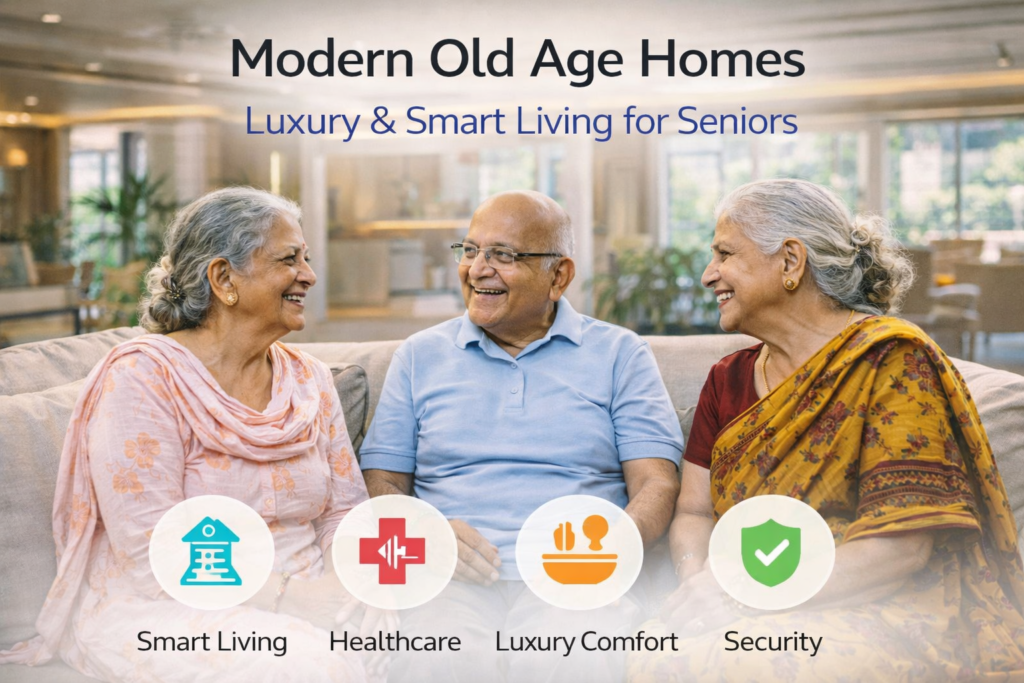
Modern Old Age Homes
Modern Old Age Homes: practical guidance, five planning checks, source context and clear questions about evidence, responsibilities and support.
Published by Unessa Foundation · Editorial update: 1 November 2026
On this page
- Modern Old Age Homes: a practical starting point
- Practical context
- What Are Modern Old Age Homes and Their Features?
- 9 Powerful Features of Modern Old Age Homes
- Benefits of Modern Old Age Homes
- Difference Between Traditional and Modern Old Age Homes
- Why Modern Old Age Homes Are Growing
- Emotional Perspective
- How to Choose a Modern Old Age Home
- Challenges of Modern Old Age Homes
- Future of Elderly Care
- Conclusion
Modern Old Age Homes: a practical starting point
Use the practical ideas as starting points to adapt with the responsible educator, learner and family. Define the task and the support needed before expecting a result. A suggested activity, illustrative example or broad research finding is not a documented Unessa outcome.
For context, use UNICEF’s transferable-skills framework as background for planning learning activities. The link is not evidence of a measured result for an individual classroom, donation or programme described in this guide.
For comparing the actual residential arrangement and responsibilities, read old age home comparison guide.
Practical context
Modern old age homes are becoming popular today.
They are also known as senior living homes and luxury retirement homes.
Earlier, old age homes were simple shelters. However, things have changed.
Today, modern old age homes provide better care and comfort.
They offer independence.
They improve quality of life.
In addition, these homes combine luxury living with healthcare services.
They create a safe and enriching environment for senior citizens.
👉 Learn more about ageing and senior care:
https://www.who.int/news-room/fact-sheets/detail/ageing-and-health
What Are Modern Old Age Homes and Their Features?
Modern old age homes are advanced elderly care facilities.
They provide:
- Comfortable living spaces
- Smart technology integration
- Medical support
- Social activities
However, unlike traditional homes, these facilities focus on independence and lifestyle.

Unessa Foundation activity: a volunteer and children working with paper learning materials in Vadodara.
SUPPORT CHILDREN’S EDUCATION
Help learning become a regular part of a child’s life.
Support Unessa Foundation’s education programmes and volunteer-led learning activities.
9 Powerful Features of Modern Old Age Homes
1. Smart Living Technology
Modern old age homes use advanced technology.
They include:
- Emergency alert systems
- Health monitoring devices
- Smart automation
As a result, safety improves.
2. Advanced Healthcare Facilities
Healthcare is a priority.
These homes provide:
- 24/7 medical staff
- Regular check-ups
- Physiotherapy
Therefore, seniors receive timely care.
3. Comfortable and Luxury Accommodation
These homes offer:
- Spacious rooms
- Air conditioning
- Clean environment
Moreover, some provide luxury suites.
4. Nutritious and Personalized Diet Plans
Residents receive:
- Balanced meals
- Custom diet plans
- Regular schedules
Proper nutrition improves health.
5. Social and Recreational Activities
These homes organize:
- Yoga
- Cultural programs
- Entertainment
As a result, seniors stay active and happy.
6. Safety and Security Systems
Modern homes ensure:
- 24/7 surveillance
- Secure premises
- Emergency response systems
This gives peace of mind to both residents and families.
7. Emotional and Psychological Support
Caregivers provide:
- Emotional support
- Therapy
- Companionship
This reduces loneliness.
8. Independence with Assistance
Seniors live independently.
However, help is available when needed.
This improves confidence.
9. Community Living Experience
Living together creates:
- Friendships
- Social bonding
- Belonging
In addition, it improves happiness.
Benefits of Modern Old Age Homes
Modern old age homes offer several advantages:
- Improved quality of life
- Better healthcare access
- Reduced loneliness
- Safe and secure environment
They help seniors live a comfortable and fulfilling life.
Difference Between Traditional and Modern Old Age Homes
Feature
Traditional Homes
Modern Homes
Facilities
Basic
Advanced
Healthcare
Limited
24/7 support
Lifestyle
Simple
Luxury & smart
Activities
Minimal
Regular programs
Modern homes clearly provide a better experience.
Why Modern Old Age Homes Are Growing
The demand for modern old age homes is increasing.
Reasons include:
- Busy lifestyles
- Nuclear families
- Migration
- Longer life expectancy
Therefore, professional care is needed.
Emotional Perspective
Modern homes are not just buildings.
They are communities.
They provide:
- Respect
- Care
- Companionship
As a result, seniors feel valued.
How to Choose a Modern Old Age Home
Consider:
- Medical facilities
- Safety
- Staff quality
- Cost
- Reviews
Choosing the right home is important.
Challenges of Modern Old Age Homes
Some challenges include:
- High cost
- Emotional adjustment
- Limited availability
However, benefits are greater.
Future of Elderly Care
The future includes:
- AI healthcare
- Smart monitoring
- Personalized care
Technology will improve elderly living.
Conclusion
Modern old age homes have transformed elderly care.
They provide comfort, safety, and dignity.
Comfort matters.
Safety is important.
Good care improves life.
👉 Explore benefits here:
benefits-of-old-age-homes-for-senior-citizens
Understanding modern old age homes helps families choose better care.
Modern old age homes: questions for a practical visit
How should a family compare modern old age homes beyond a brochure?
Ask about the services actually included, staffing arrangements, accessibility and daily routines. Modern old age homes may use similar descriptions while offering different levels of support. Visit where possible, involve the prospective resident in the discussion and request current written information. A feature list or photograph cannot establish how well an arrangement fits one person.
What should be clarified about fees and additional services?
Ask which charges are recurring, which are optional and what circumstances could change the amount. Request the cancellation and move-out arrangements from the provider directly. Modern old age homes should not be assumed to include medical care or specialised assistance in a quoted base fee. Review the actual terms and seek suitable advice for an individual decision.
How can a resident’s preferences remain part of the decision?
Discuss communication, visitors, meals, privacy, activities and how concerns can be raised. Ask what happens if support needs change. Record questions that remain unanswered after a visit and compare providers using the same criteria. Modern old age homes are a significant personal choice, so the resident’s own priorities and current circumstances should guide the conversation.
What can a family record after visiting a residence?
Use the same questions for each visit and write down the answers while they are fresh. Record the services described, the areas seen, the questions still open and the preferences expressed by the prospective resident. Ask for written confirmation of any important verbal assurance. Consider how easy it was to obtain a clear answer and whether there was time for the person concerned to speak. A comparison sheet can distinguish what the brochure says from what was directly discussed. It should support a further conversation, rather than turn a sensitive personal decision into a score based only on attractive amenities.
How can the resident’s priorities be recorded without reducing the choice to amenities?
Ask the person which parts of daily life matter most and use those priorities to guide further questions. The discussion may concern privacy, communication, visitors, routines or the way assistance is requested. Do not assume the most expensive setting is the best fit. A feature described in a brochure should be checked against the actual arrangement and the person’s wishes. Record the questions still open, who will answer them and what information the person wants before deciding. If another family member is helping, clarify that role and make room for the prospective resident’s own view. Revisit the comparison if circumstances change, rather than relying on an earlier conversation as a permanent agreement.
5 practical checks for modern old age homes
- Choose a clear learning task and ask what the learner already understands.
- Check language, materials, accessibility, supervision and time.
- Agree the facilitator’s responsibility and a manageable next activity.
- Record an observation or suitable learning task rather than assuming improvement.
- Invite learner/family feedback and adapt the next step to the actual context.
Keep a brief record of the date, task or enquiry, responsible person, source, what happened and what remains uncertain. Do not publish private learner, patient, donor or applicant details. Label a hypothetical example clearly and do not turn it into a real beneficiary account or a guaranteed result.
Evidence and support: keep the scope clear
A number needs its original source, population, period, definition and limitations. Activity counts, receipts, satisfaction and long-term outcomes answer different questions. If the evidence does not settle a claim, do not repeat it as verified. This guide does not claim an audited programme result, current approval or named professional review.
The education donation buttons lead to Unessa’s education campaign. They do not fund every third-party provider, item or service mentioned here. Read the programme information and confirm any allocation or service condition important to you before giving.
Sources and further reading
Continue reading

Related guide

Related guide
Support children’s learning with Unessa Foundation.