

COMMUNITY & GIVING
Benefits of Old Age Homes
Benefits of Old Age homes: practical guidance, five planning checks, source context and clear questions about evidence, responsibilities and support.
Published by Unessa Foundation · Editorial update: 1 November 2026
On this page
- Benefits of Old Age homes: a practical starting point
- Benefits of Old Age Homes: 10 Powerful Reasons why They Improve Senior Living
- What Are Old Age Homes?
- 10 Powerful Benefits of Old Age Homes
- Psychological Benefits
- Social Importance of Old Age Homes
- Common Myths About Old Age Homes
- How to Choose the Right Old Age Home
- Conclusion
- 5 practical checks for benefits of old age homes
- Evidence and support: keep the scope clear
- Sources and further reading
Benefits of Old Age homes: a practical starting point
Use the practical ideas as starting points to adapt with the responsible educator, learner and family. Define the task and the support needed before expecting a result. A suggested activity, illustrative example or broad research finding is not a documented Unessa outcome.
For context, use UNICEF’s transferable-skills framework as background for planning learning activities. The link is not evidence of a measured result for an individual classroom, donation or programme described in this guide.
For comparing the actual residential arrangement and responsibilities, read old age home comparison guide.
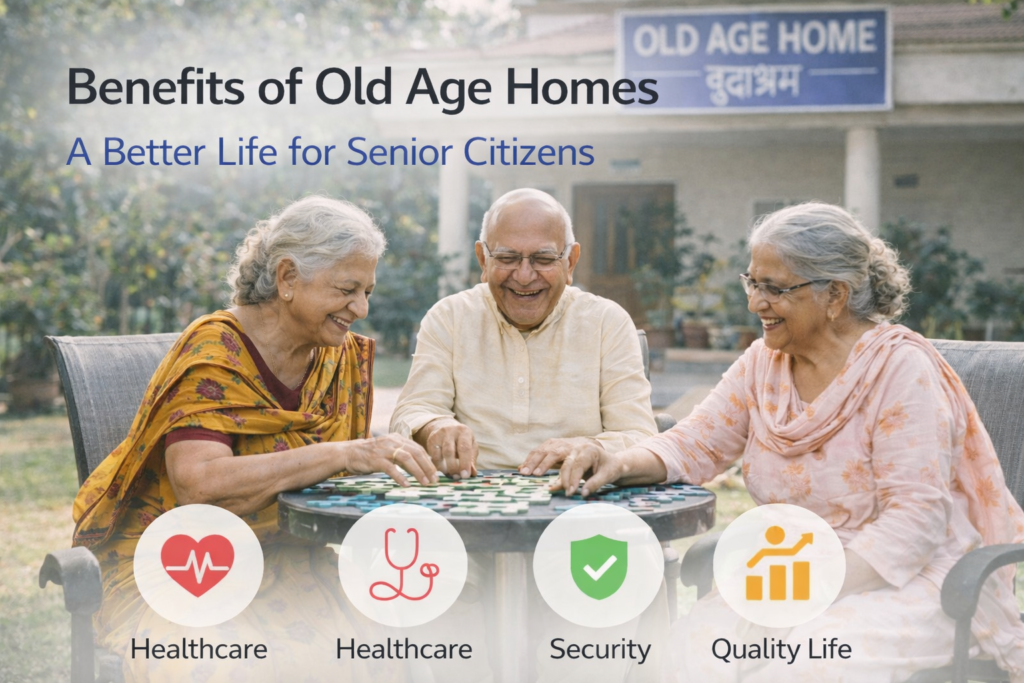
Benefits of Old Age Homes: 10 Powerful Reasons why They Improve Senior Living
The benefits of old age homes are important for senior citizens today. Aging is an inevitable part of life, and with it comes the need for care, support, and companionship. Traditionally, elderly individuals lived with their families, receiving love and care at home. However, modern lifestyles, urbanization, and nuclear family structures have significantly changed this dynamic.
Today, old age homes have become an essential solution for ensuring the well-being of senior citizens. These homes are no longer viewed as places of abandonment but as communities that provide comfort, care, and dignity. Understanding the helps families make informed decisions and ensures that elderly individuals receive the care they deserve.
- Read more about elderly care:
old age homes in India - problems faced by elderly and solutions
What Are Old Age Homes?
Old age homes are residential facilities designed to support elderly individuals who may need assistance with daily activities, medical care, or emotional support.
They provide:
- Safe accommodation
- Nutritious meals
- Healthcare Services
- Social engagement
These homes aim to create a secure and supportive environment for seniors.

Unessa Foundation activity: a volunteer and children working with paper learning materials in Vadodara.
SUPPORT CHILDREN’S EDUCATION
Help learning become a regular part of a child’s life.
Support Unessa Foundation’s education programmes and volunteer-led learning activities.
10 Powerful Benefits of Old Age Homes
1. Professional Medical Care
One of the biggest benefits of old age homes is access to medical facilities.
Residents receive:
- Regular health check-ups
- On-call doctors
- Emergency medical care
This ensures that health issues are addressed promptly.
2. Social Interaction and Companionship
Loneliness is a major issue among elderly individuals.
Old age homes help by:
- Encouraging friendships
- Organizing group activities
- Creating a sense of community
3. Safety and Security
Old age homes provide a safe environment with:
- 24/7 security
- Emergency response systems
- Supervised living conditions
This is especially important for seniors living alone.
4. Emotional Support
Living in a supportive environment improves mental health.
Caregivers and staff provide:
- Emotional companionship
- Counseling support
- Friendly interactions
5. Nutritious Food
Proper nutrition is essential for elderly health.
Old age homes provide:
- Balanced diets
- Special dietary plans
- Regular meals
6. Assistance with Daily Activities
Many seniors need help with daily tasks such as:
- Bathing
- Dressing
- Medication management
Old age homes offer trained staff for assistance.
7. Recreational Activities
To keep residents active and happy, homes organize:
- Yoga sessions
- Cultural events
- Games and entertainment
8. Independence with Support
Elderly individuals can live independently while still having access to help when needed.
9. Reduced Burden on Families
Families may not always be able to provide full-time care.
Old age homes ensure that seniors receive proper care without stress on family members.
10. Improved Quality of Life
Overall, the benefits of old age homes contribute to a better and more fulfilling life for seniors.
Psychological Benefits
Old age homes help improve mental health by:
- Reducing loneliness
- Encouraging social engagement
- Providing emotional stability
This leads to a happier and healthier life.
Social Importance of Old Age Homes
In today’s society, old age homes play a crucial role by:
- Supporting elderly individuals
- Reducing neglect
- Promoting dignity
They are an important part of modern social systems.
Common Myths About Old Age Homes
Myth 1: They are places of abandonment
Reality: They provide care and support
Myth 2: Seniors feel lonely
Reality: They often build strong friendships
Myth 3: Families don’t care
Reality: Many families choose homes for better care
How to Choose the Right Old Age Home
Consider:
- Medical facilities
- Staff behavior
- Cleanliness
- Cost
- Reviews
Visiting the home is highly recommended.
Conclusion
The benefits of old age homes go far beyond basic care. They provide safety, companionship, medical support, and emotional well-being. As society evolves, these homes are becoming a positive and necessary solution for elderly care.
Choosing the right old age home ensures that seniors live with dignity, happiness, and respect.
- Government initiatives for senior citizens:
https:// www.india.gov.in/ topics/ social- development/ senior- citizens - https:/
/ www.who.int/ news- room/ fact- sheets/ detail/ ageing- and- health - Good care improves life.
Safety matters for seniors.
5 practical checks for benefits of old age homes
- Choose a clear learning task and ask what the learner already understands.
- Check language, materials, accessibility, supervision and time.
- Agree the facilitator’s responsibility and a manageable next activity.
- Record an observation or suitable learning task rather than assuming improvement.
- Invite learner/family feedback and adapt the next step to the actual context.
Keep a brief record of the date, task or enquiry, responsible person, source, what happened and what remains uncertain. Do not publish private learner, patient, donor or applicant details. Label a hypothetical example clearly and do not turn it into a real beneficiary account or a guaranteed result.
Evidence and support: keep the scope clear
A number needs its original source, population, period, definition and limitations. Activity counts, receipts, satisfaction and long-term outcomes answer different questions. If the evidence does not settle a claim, do not repeat it as verified. This guide does not claim an audited programme result, current approval or named professional review.
The education donation buttons lead to Unessa’s education campaign. They do not fund every third-party provider, item or service mentioned here. Read the programme information and confirm any allocation or service condition important to you before giving.
Sources and further reading
Frequently asked questions
How can I assess the claimed benefits of an old age home?
Compare the actual arrangement with the older person’s preferences and support needs. Ask how daily routines, social contact, accessibility and concerns are handled rather than assuming an advertised benefit is delivered equally by every provider.
Does a residential home automatically provide specialist healthcare?
Check the provider’s stated care level, qualified responsibilities and arrangements with healthcare services. Residential accommodation, personal assistance and clinical care are different offerings; confirm what is actually available before relying on it.
Continue reading

Related guide

Related guide
Support children’s learning with Unessa Foundation.