

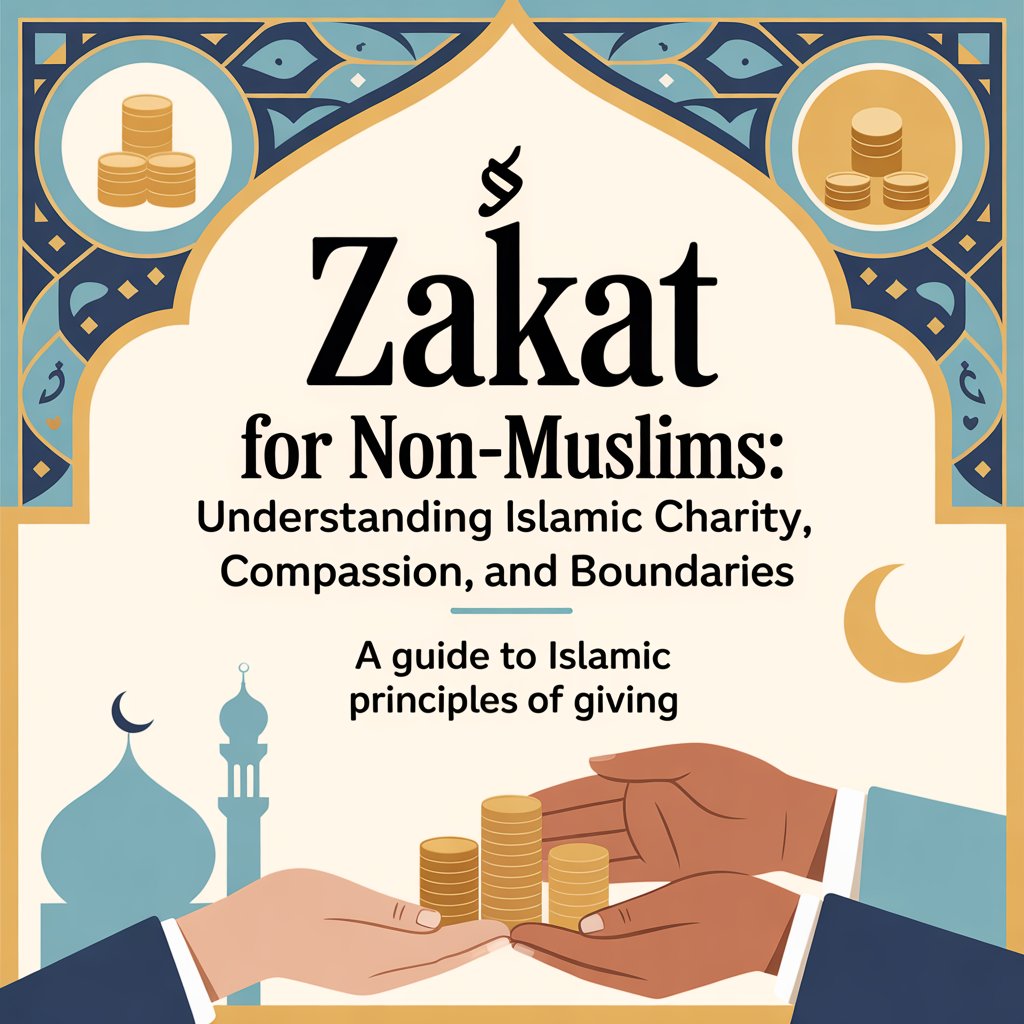
Introduction: Clearing a Common Question About Zakat
Zakat is often described as Islam’s system of charity. But this description raises a common and important question—does Zakat apply to non-Muslims, and can they benefit from it?
For those outside the Islamic faith, Zakat may look similar to general philanthropy or religious tithing. For Muslims, however, Zakat carries a much deeper meaning. It is a religious obligation, rooted in faith, accountability, and social responsibility.
Understanding how Zakat relates to non-Muslims helps clarify a larger idea: Islam’s approach to charity is structured, intentional, and deeply ethical—yet not exclusionary.
This guide explains:
- Whether Zakat applies to non-Muslims
- Whether non-Muslims can receive Zakat
- How Islamic charity works beyond Zakat
- Why Islam sets boundaries while promoting compassion
What Is Zakat, in Simple Terms?
Zakat is one of the Five Pillars of Islam. It is an obligatory form of charity that eligible Muslims must give once their wealth crosses a minimum threshold (Nisab) and remains there for one lunar year.
But Zakat is not simply about giving money away.
It serves three key purposes:
- Purifying wealth
- Purifying the heart
- Supporting social balance
In Islam, wealth is viewed as a trust, not absolute ownership. Zakat ensures that this trust is shared responsibly.
👉 To know more about zakat follow this guide : what is Zakat
Is Zakat Required from Non-Muslims?
No. Zakat is not required from non-Muslims.
Zakat is a religious obligation, not a universal tax or social levy. It applies only to Muslims who meet specific criteria, such as:
- Being Muslim
- Owning wealth above the Nisab threshold
- Holding that wealth for one lunar year
Since Zakat is an act of worship, it is tied directly to faith. Non-Muslims are not accountable for Zakat, nor are they expected to calculate or pay it.
This distinction is important. Zakat is about faith-based responsibility, not compulsory charity imposed on society.
Why Zakat Is Faith-Specific
Zakat functions much like religious tithes in other traditions. It is:
- Governed by divine instruction
- Linked to spiritual accountability
- Meant to purify both wealth and intention
Because of this, Islam does not extend Zakat obligations beyond the Muslim community. Doing so would strip Zakat of its spiritual meaning and reduce it to a financial mechanism.
Zakat is worship first, charity second.
Can Non-Muslims Receive Zakat?
This is where the topic becomes more nuanced—and often misunderstood.
Islam clearly defines who is eligible to receive Zakat, based on categories mentioned in the Quran. Traditionally, most scholars agree that Zakat is primarily intended for Muslims, especially those facing:
- Poverty
- Debt
- Displacement
- Financial hardship
However, Islamic scholarship also recognizes certain contexts where Zakat may serve broader social harmony, such as supporting individuals whose hearts are to be reconciled or addressing extreme humanitarian need.
In practice:
- Zakat is generally prioritized for Muslims in need
- Exceptions may exist depending on circumstances
- Local scholarly guidance should always be followed
The key principle is simple: Zakat follows Islamic guidelines, not personal preference.
Why Zakat Has Defined Boundaries
Some people assume boundaries mean exclusion. In Islam, boundaries mean clarity and purpose.
Zakat is designed to function as:
- A structured welfare system
- A spiritual purifier for the giver
- A rights-based support mechanism for the recipient
Without guidelines, Zakat would become inconsistent, emotional, and unsustainable. Defined rules protect:
- The dignity of recipients
- The accountability of givers
- The integrity of the system
Boundaries do not reduce compassion. They protect it from becoming random or unjust.
Islamic Charity Beyond Zakat: Where Non-Muslims Are Fully Included
While Zakat has specific rules, Islamic charity does not end with Zakat.
Islam strongly encourages voluntary charity, known as Sadaqah, which is open to everyone, regardless of religion.
Sadaqah can be given to:
- Non-Muslims
- Neighbors and colleagues
- The sick, elderly, or displaced
- Anyone in need of help or kindness
Sadaqah can also be:
- Financial
- Emotional
- Physical
- Even symbolic (a kind word or helpful act)
This ensures that Islamic compassion extends beyond religious boundaries.
👉 To know more about zakat follow this guide : Zakat in Non-Muslim Countries
The Prophetic Example of Universal Compassion
The Prophet Muhammad (PBUH) consistently demonstrated kindness to people of all faiths.
His actions showed that:
- Mercy is not conditional
- Kindness is not restricted
- Helping others is a moral responsibility
This is why many Islamic organizations today support:
- Disaster relief for all communities
- Healthcare regardless of faith
- Education without discrimination
- Emergency aid based on need, not belief
These initiatives are often funded through non-Zakat donations, ensuring full inclusion.
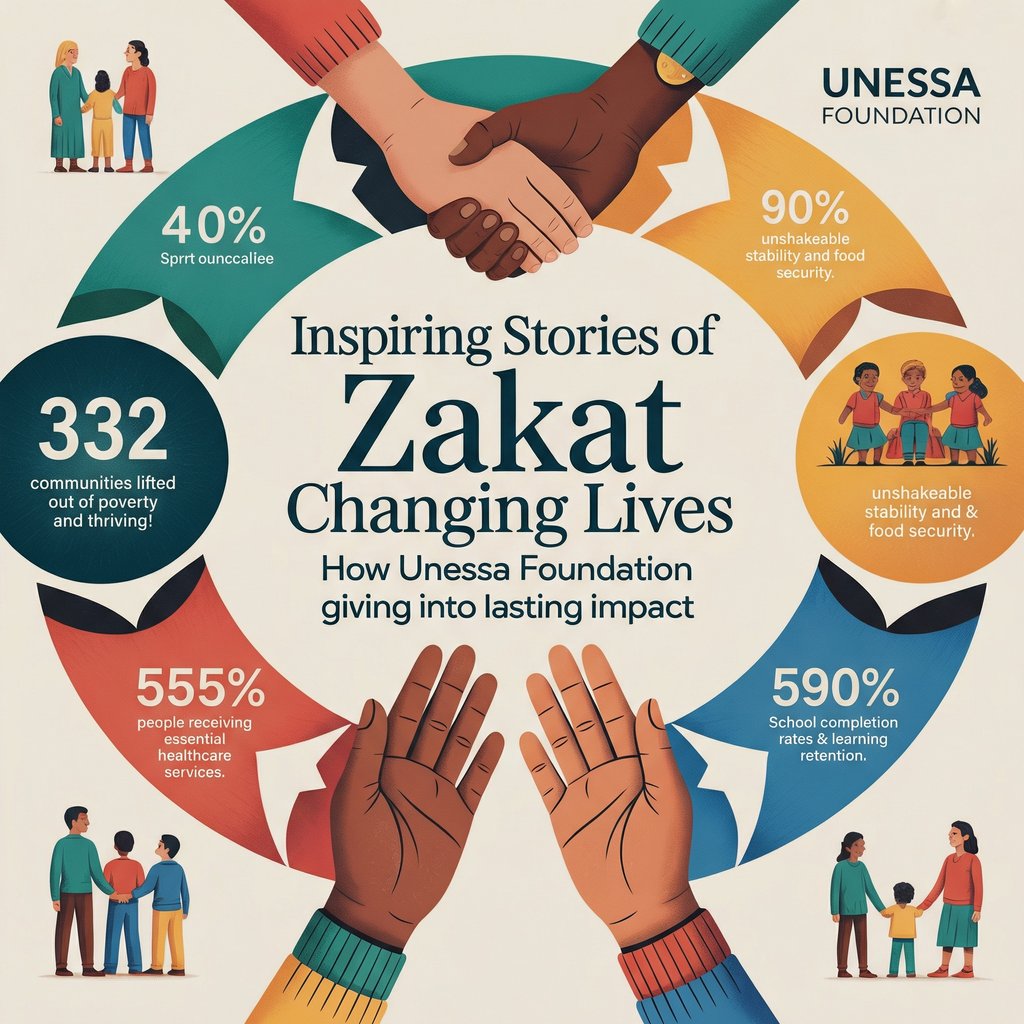
How Non-Muslims Often Benefit from Zakat-Funded Work
Even when Zakat is directed primarily toward Muslims, its indirect benefits often reach society at large.
Zakat-supported programs contribute to:
- Poverty reduction
- Improved public health
- Education and skills development
- Community stability
When families are supported, neighborhoods become stronger. When education improves, economies benefit. These outcomes do not stop at religious boundaries.
Additionally, many organizations separate Zakat funds from general donations, allowing non-Muslims to benefit fully from non-Zakat humanitarian aid.
Common Misunderstandings About Zakat and Non-Muslims
Islamic charity excludes non-Muslims.
Not true. While Zakat has defined recipients, Islamic charity includes voluntary giving that supports all people.
Zakat is a tax imposed on everyone.
Zakat is a religious duty for Muslims only. It is not imposed on non-Muslims.
Non-Muslims cannot benefit from Islamic aid.
Non-Muslims frequently benefit from Islamic humanitarian programs funded by non-Zakat contributions.
Understanding these distinctions removes confusion and builds trust.
Zakat vs. Universal Charity: A Balanced System
Islam does not rely on one form of giving.
- Zakat ensures structured, accountable support within the Muslim community.
- Sadaqah ensures compassion reaches everyone.
Together, they create balance:
- Faith-based responsibility
- Universal kindness
- Spiritual discipline
- Social care
This dual system prevents neglect while encouraging generosity beyond obligation.
Why This Understanding Matters Today
In a world shaped by misinformation, misunderstanding religious charity can lead to:
- Distrust
- Misinterpretation
- Unfair assumptions
Understanding Zakat for non-Muslims helps:
- Clarify Islamic values
- Build interfaith respect
- Show how faith and compassion coexist
Zakat is not about separation. It is about responsibility with integrity.
Final Reflection: Faith, Structure, and Mercy Together
Zakat is a pillar of Islam designed specifically for Muslims, guided by faith, law, and accountability. It is not imposed on non-Muslims, nor does it prevent kindness toward them.
Islamic charity is broader than Zakat alone. While Zakat follows defined rules, Islamic ethics call for generosity, justice, and care for all people, without discrimination.
When understood properly, Zakat does not divide—it clarifies. It shows how faith-based responsibility and universal compassion can exist side by side.
That balance is what gives Islamic charity its strength—and its humanity.
FAQs: Zakat for Non-Muslims
Is Zakat mandatory for non-Muslims?
No. Zakat is a religious obligation only for Muslims who meet specific conditions.
Can non-Muslims receive Zakat?
Generally, Zakat is intended for Muslims in need. Limited exceptions may exist based on scholarly guidance and circumstances.
Why is Zakat restricted to Muslims?
Zakat is an act of worship tied to faith and accountability, not a universal tax or charity system.
Does Islamic charity help non-Muslims at all?
Yes. Voluntary charity (Sadaqah) in Islam can be given to anyone, regardless of religion.
What is the difference between Zakat and Sadaqah?
Zakat is obligatory and rule-based, while Sadaqah is voluntary and open to all.
Do Islamic organizations help non-Muslims?
Yes. Many humanitarian programs support all communities using non-Zakat funds.
Is Zakat the only form of charity in Islam?
No. Zakat is one part of a broader ethical framework that strongly encourages generosity and kindness.
Does Zakat benefit society beyond Muslims?
Yes. Zakat-funded programs often improve education, health, and economic stability, benefiting society as a whole.