

What Happens If You Miss Paying Zakat?
This is a question many Muslims quietly worry about. Life becomes busy. Finances get complicated. Sometimes we miscalculate. Other times, we delay without realizing the seriousness of postponement.
But here’s the key principle: Zakat does not expire. If it was due and not paid, it remains a debt until fulfilled.
Understanding what happens if you miss paying Zakat is not just about clearing numbers. It’s about restoring trust, fulfilling a religious obligation, and protecting the rights of those entitled to it.
Let’s break this down clearly and practically.
Why Paying Zakat On Time Matters
Zakat is not voluntary charity. It is a mandatory pillar of Islam tied to:
- Wealth
- purification
- Social justice
- Redistribution of resources
- Protection of vulnerable communities
When Zakat is missed, the issue is not only spiritual — it also affects people who depend on that support.
👉Click here to Know why Zakat is pillar of Islam
Scholars describe Zakat as “the right of the poor in the wealth of the rich.” That wording matters. It shifts perspective from donation to obligation.
What Happens If You Miss Paying Zakat?
The short answer:
The obligation remains until you pay it.
Whether missed unintentionally or intentionally, unpaid Zakat becomes a financial debt (dayn) that must be settled.
However, the ruling differs slightly depending on the reason for missing it.
What Happens If You Miss Paying Zakat Unintentionally?
Many Muslims miss Zakat due to:
- Miscalculating Nisab
- Confusion about eligible assets
- Lack of awareness
- Forgetfulness
- Financial complexity (investments, business assets, retirement funds)
In such cases:
What You Should Do
- Calculate the unpaid Zakat immediately
- Pay the full outstanding amount
- Seek forgiveness (istighfar)
There is no financial penalty added in Islamic law. However, prompt repayment is required once you become aware.
Practical Tip
If you cannot determine the exact amount, estimate carefully and slightly overpay to ensure your obligation is cleared.
What Happens If You
Miss Paying Zakat intentionally?
If someone deliberately delayed or avoided paying Zakat, the matter becomes more serious.
Intentionally withholding Zakat is considered sinful because:
- It violates a pillar of Islam
- It denies the rights of eligible recipients
- It reflects negligence toward a clear obligatio
In This Case, You Must:
- Make sincere repentance (tawbah)
- Feel genuine regre
- Commit not to repeat the delay
- Pay the full outstanding amount
The financial debt still remains. Repentance does not replace repayment.
Is There a Punishment for Missing Zakat?
In classical Islamic governance systems, deliberate refusal to pay Zakat had legal consequences. Historically, enforcement was part of state responsibility.
Today, in most Muslim communities worldwide, enforcement is personal and spiritual rather than state-regulated.
However, spiritually:
- Zakat neglect is considered a serious sin
- It carries accountability in the Hereafter
It affects the barakah (blessing) of wealth
This is why understanding what happens if you miss paying Zakat is essential for spiritual well-being.
How to Calculate Missed Zakat Properly
Calculating overdue Zakat may seem overwhelming. Here’s a clear step-by-step approach.
Step 1: Identify Missed Years
Determine:
- How many lunar years passed while your wealth was above Nisab
- Whether you paid partial amounts
Write each year separately
Step 2: Reconstruct Financial Records
Review:
- Bank statements
- Gold and silver value
- Investment portfolios
- Business assets
- Savings accounts
- Cash holdings
If exact data is unavailable, use reasonable estimation.
Step 3: Calculate 2.5% for Each Year
For each missed year:
- Calculate total Zakatable assets
- Subtract legitimate short-term debts
- Apply 2.5%
Do not average across years — calculate annually if possible.
Step 4: Pay Immediately
Once calculated:
- Pay in full if possible
- If large, create a repayment plan
- Prioritize settling this debt
Zakat repayment should not be unnecessarily delayed further.
Can You Pay Missed Zakat in Installments?
Yes, if you genuinely cannot afford a lump sum.
However:
- You must have a clear repayment plan
- Begin immediately
- Avoid further unnecessary delay
Zakat debt should be treated seriously — similar to repaying financial loans.
What If You Underpaid in Previous Years?
If you discover that you underpaid Zakat due to:
- Incorrect Nisab calculation
- Not including certain assets
- Misunderstanding retirement accounts or business inventory
You must:
- Calculate the difference
- Pay the shortfall
Underpayment does not invalidate past efforts, but the balance must be settled.
Common Reasons People Ask What Happens If You Miss Paying Zakat
Understanding why Muslims miss Zakat can help prevent future issues.
1. Confusion About Nisab
Many people are unsure whether their wealth exceeded the threshold.
2. Ignoring Investments
Stocks, retirement accounts, and business assets are often overlooked.
3. Mixing Gregorian and Lunar Years
Zakat is based on the lunar calendar. Using solar years causes slight underpayment over time.
4. Financial Avoidance
Some avoid calculating because they fear the amount due.
Awareness reduces delay.
Real-Life Scenario: A Missed Zakat Case
Consider this example:
Ahmed built savings over several years but never calculated Zakat on his growing investment account. After attending a financial workshop at his local mosque, he realized he had missed three years of payments.
Instead of ignoring it, he:
- Reviewed old records
- Estimated conservatively
- Calculated missed amounts
- Paid the total over six months
He described the experience as “lifting a heavy weight.” That relief reflects the deeper purpose of Zakat — purification.
The Spiritual Impact of Repaying Missed Zakat
When you repay overdue Zakat:
- You restore the rights of others
- You cleanse your wealth
- You rebuild spiritual discipline
- You regain peace of mind
Many people report that once they clear missed Zakat, financial anxiety reduces. That sense of clarity matters.
How to Prevent Missing Zakat Again
Prevention is better than repair. Here’s how:
✔ Set an Annual Zakat Date
Choose a fixed Islamic date and stick to it.
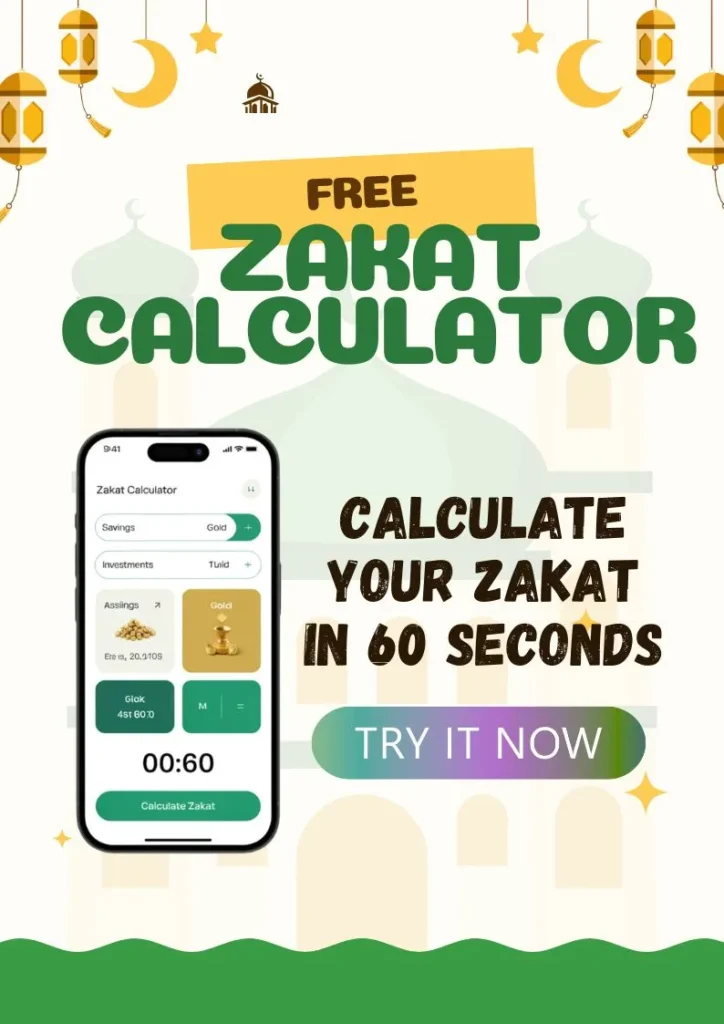
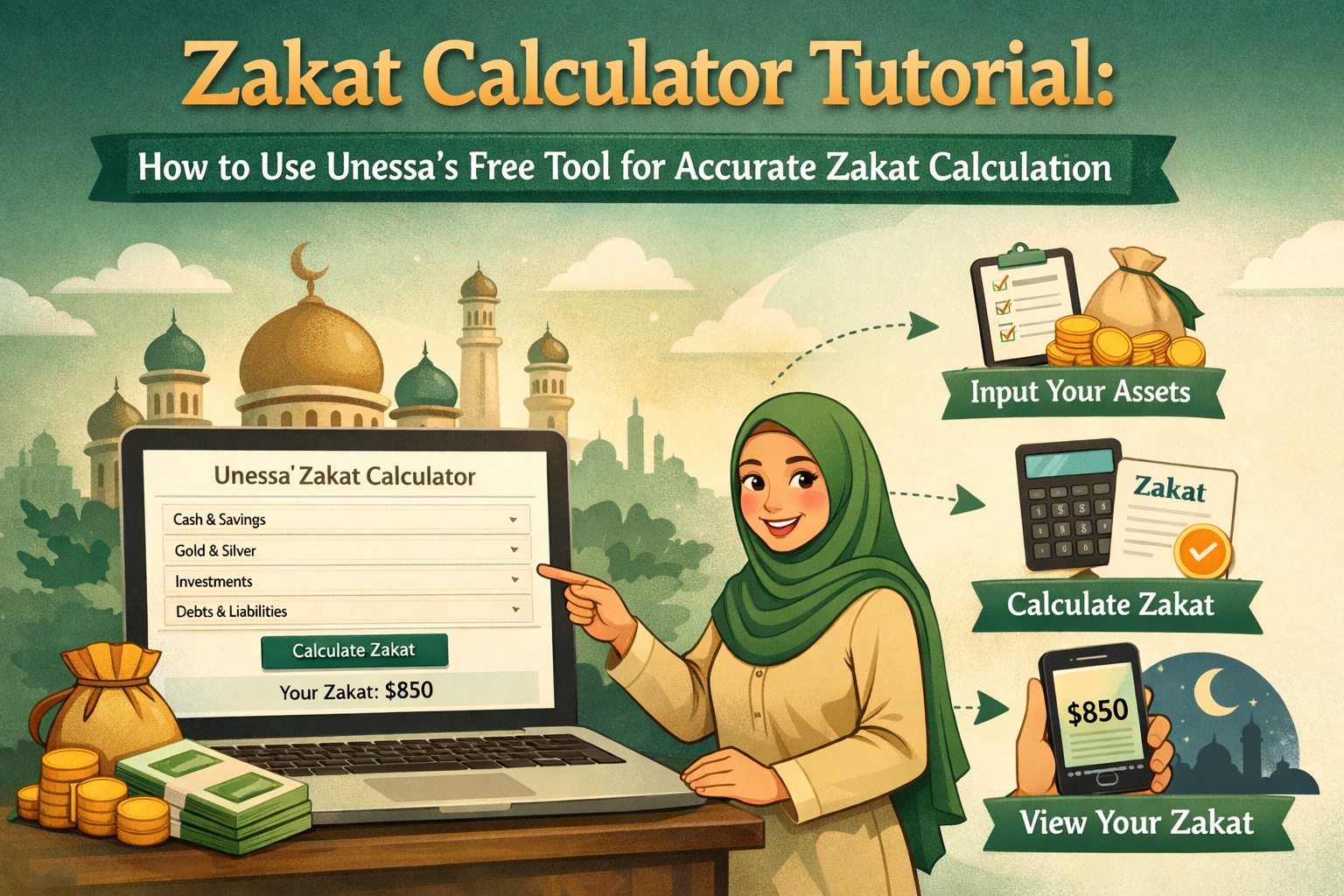
✔ Use Zakat Calculators
Reliable Islamic organizations offer updated calculators.
✔ Keep Financial Records Organized
Track savings, gold, and investments annually.
✔ Automate Reminders
Calendar alerts prevent forgetfulness.
✔ Consult a Scholar for Complex Assets
Retirement accounts, business assets, and property can require detailed understanding.
Current Trends in Zakat Awareness
Globally, Islamic finance awareness is increasing. More Muslims now:
- Use digital Zakat calculators
- Track wealth via apps
- Contribute through transparent charities
- Seek structured financial planning
This modern approach reduces missed obligations.
However, financial complexity has also increased. Retirement accounts, stock portfolios, cryptocurrency, and global investments require informed calculation.
Education is key.
Final Thoughts: Accountability Brings Peace
So, what happens if you miss paying Zakat?
The obligation remains. The solution is clear: calculate, repay, and seek forgiveness.
Zakat is not meant to burden — it is meant to purify. Missing it may cause anxiety, but addressing it restores balance.
If you’ve missed Zakat, do not delay further. Take practical steps today. Clear the debt. Reclaim peace of mind. Strengthen your faith through action.
Wealth grows when purified. And responsibility fulfilled brings tranquility
Frequently Asked Concerns: FAQs
1. Does Zakat expire if not paid?
No. It remains a debt until repaid.
2. Can someone else pay my missed Zakat?
Yes, if they do so with your permission.
3. Should I prioritize missed Zakat over voluntary charity?
Yes. Obligatory payments always come before voluntary donations.
4. Is there a financial penalty or interest for late Zakat?
No, there is no financial penalty or interest added to the principal amount in Islamic law. However, while there is no extra fee, prompt repayment is required as soon as you realize the debt exists.
5. Do I need to pay Zakat on my retirement or investment accounts?
Yes, assets such as stocks, retirement accounts, and business inventory are often overlooked but are usually Zakatable. If you have complex assets, it is best to consult a scholar to ensure your calculation is accurate.
6. What is the spiritual consequence of intentionally ignoring Zakat?
ntentionally withholding Zakat is considered a serious sin because it violates a pillar of Islam and denies the rights of the poor. While it affects the barakah (blessing) of your wealth in this life, it also carries accountability in the Hereafter.