

Introduction
For Muslims around the world, Ramadan is the most spiritually powerful month of the year.
It is a time of fasting, reflection, prayer—and generosity.
During this sacred month, millions of Muslims choose to fulfill one of Islam’s most important obligations: Zakat.
While Zakat can be given at any time of the year, Zakat During Ramadan has become the most popular time for charitable giving.
In fact, many Islamic charities report that over half of their annual donations arrive during Ramadan.
Why?
Because acts of charity and Zakat During Ramadan carry extraordinary spiritual rewards.
The Prophet Muhammad (peace be upon him) was described as:
“More generous than the blowing wind during Ramadan.”
Why Ramadan Is the Most Popular Time to Give Zakat
Although Zakat is not restricted to Ramadan, the month encourages generosity in unique ways, which is why many Muslims prioritize Zakat During Ramadan.
There are several reasons why Muslims choose to pay Zakat During Ramadan instead of other months.
Increased Spiritual Rewards
Islamic teachings emphasize that good deeds during Ramadan receive multiplied rewards, making Zakat During Ramadan especially meaningful.
Greater Awareness of the Poor
Fasting reminds people of hunger and hardship. As a result, Ramadan strengthens empathy and motivates Zakat During Ramadan.
Community Culture
Many mosques and charities launch large fundraising campaigns during Ramadan that promote Zakat During Ramadan across communities.
Zakat al-Mal vs Zakat al-Fitr in Ramadan
One of the most common questions during Ramadan involves the difference between two types of charity.
Zakat al-Mal
This is the standard annual Zakat obligation.
It is calculated as 2.5% of eligible wealth such as:
- savings
- investments
- gold
- business assets
Although it can be paid anytime, many Muslims choose Ramadan as their annual payment date.
👉Click here to get a complete and easy-to-understand guide Zakat al-Mal vs Zakat al-Fitr
Zakat al-Fitr
Zakat al-Fitr is a special charity given at the end of Ramadan before Eid prayer.
It ensures that poor families can celebrate Eid with dignity.
Unlike Zakat al-Mal, Zakat al-Fitr is:
- a fixed amount
- required for every Muslim household member
- distributed before Eid prayer
Preparing early for Zakat al-Fitr in Eid 2026 ensures that this obligation is fulfilled correctly.
👉Click here to get a complete and easy-to-understand guide Zakat al Fitr Explained
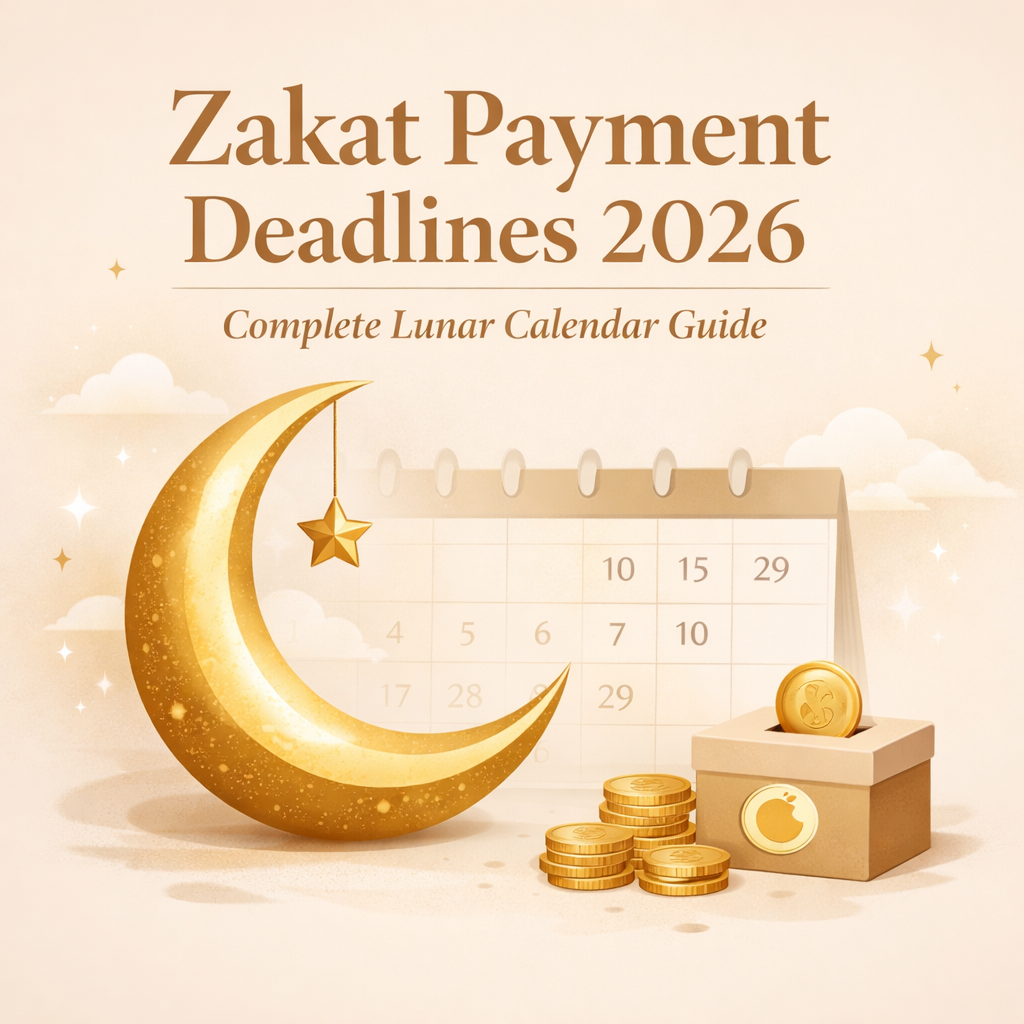
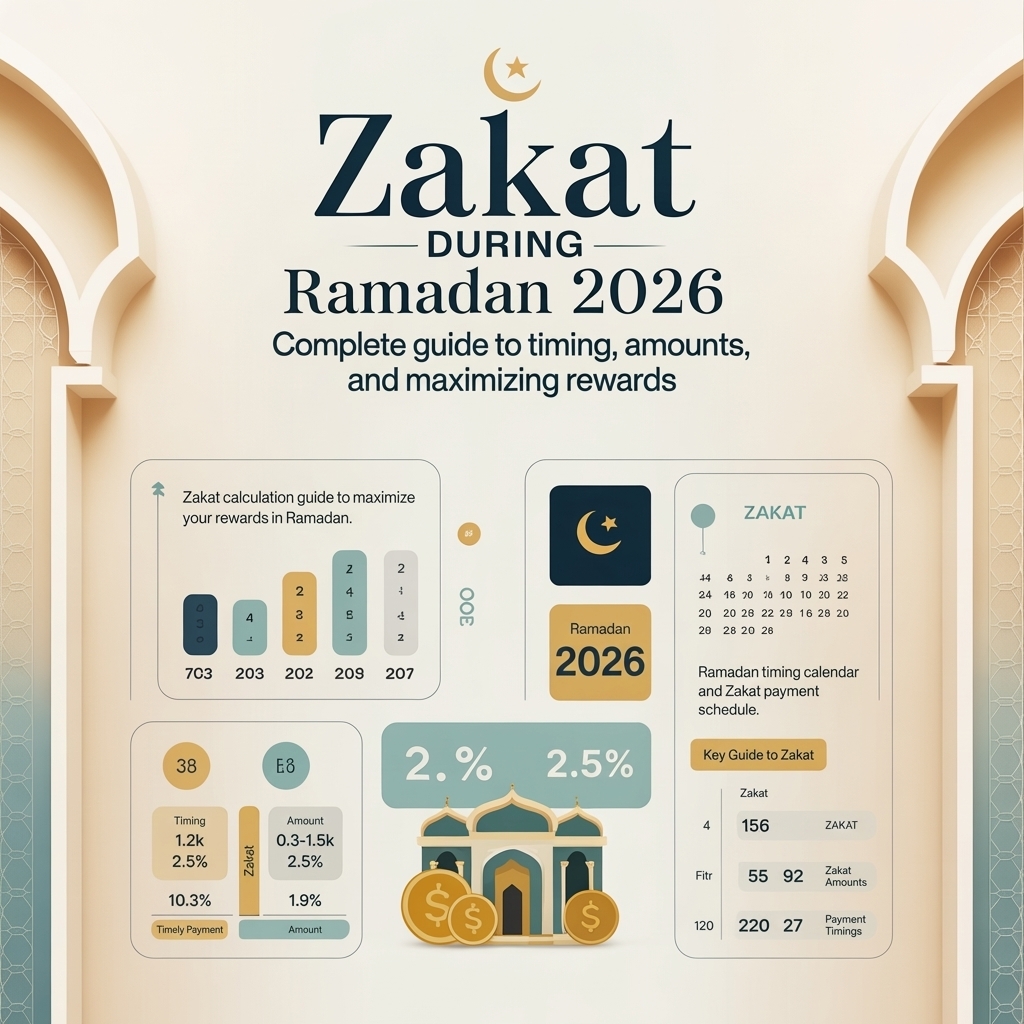
When Should Zakat Be Paid During Ramadan?
Technically, Zakat becomes due one lunar year after a Muslim’s wealth exceeds the Nisab threshold.
However, many Muslims synchronize their Zakat payments with Ramadan.
Some of the most common donation times include:
Early Ramadan
Some people prefer to give early in the month to support ongoing charitable programs.
Mid Ramadan
This timing allows donors to carefully calculate Zakat and research charities.
Last 10 Nights
Many Muslims choose the final nights of Ramadan, especially Laylat al-Qadr, which is believed to be more rewarding than a thousand months.
Giving charity during these nights is considered particularly virtuous.
Zakat al-Fitr Amount for 2026
The amount for Zakat al-Fitr is traditionally calculated based on staple food quantities.
Historically, it was measured as one sa’ of food, such as:
- dates
- barley
- wheat
- rice
In modern practice, many scholars allow the equivalent value in money.
The exact amount varies by country depending on food prices.
Charities typically publish updated Zakat al-Fitr amounts each year to guide donors.
Modern Ways to Give Zakat During Ramadan
Technology has made Zakat During Ramadan easier than ever.
Today, Zakat can be given through several digital platforms.
Online Donation Platforms
Many charities allow donors to pay Zakat instantly through secure websites.
These platforms provide:
- donation tracking
- instant receipts
- program updates
Mobile Apps
Islamic charity apps now allow Muslims to:
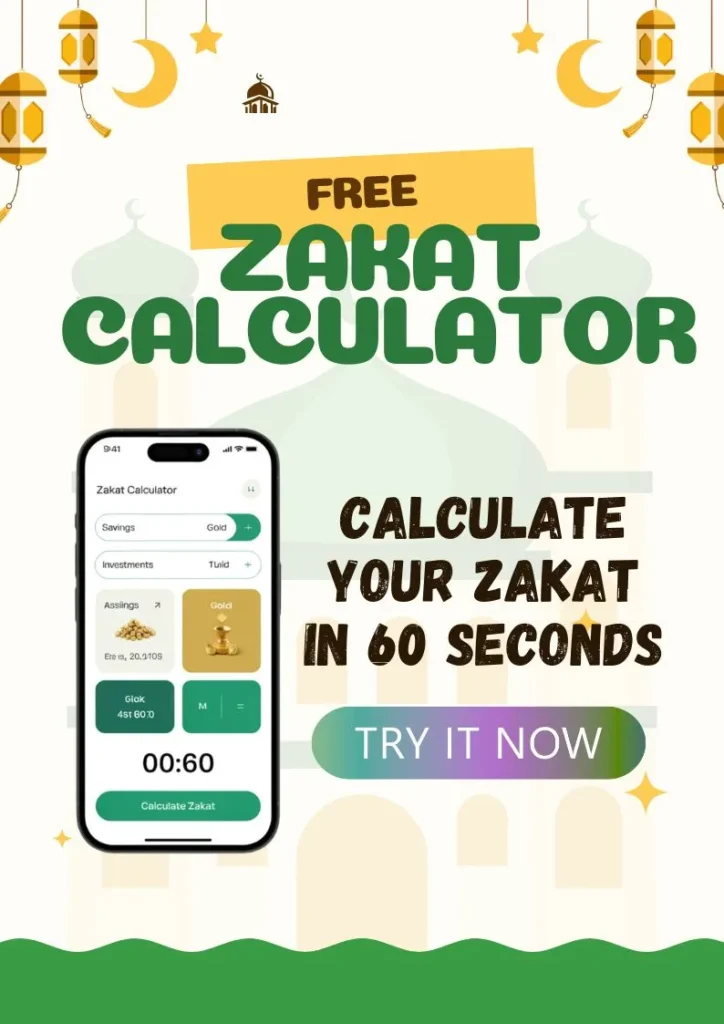
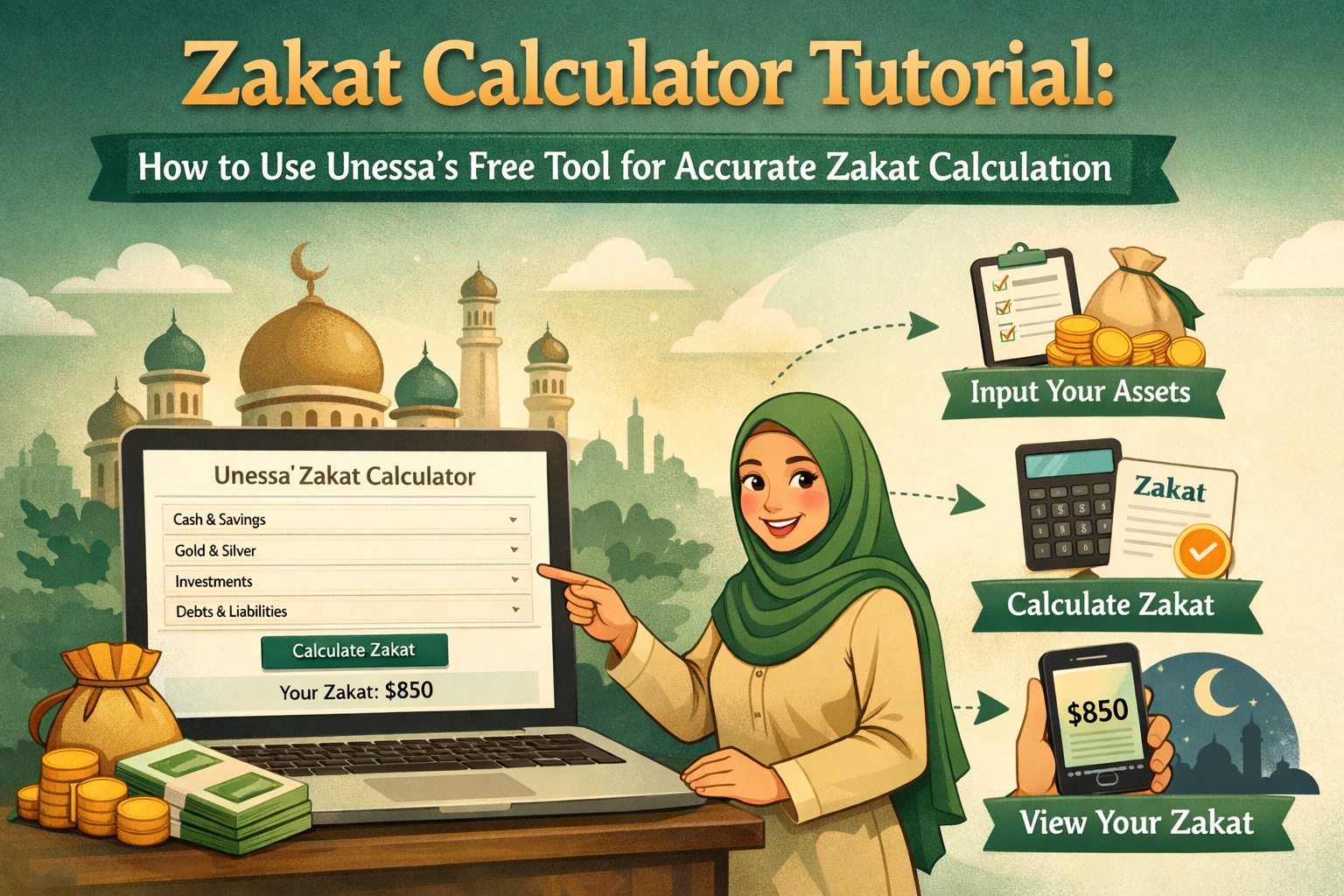
- calculate Zakat
- schedule donations
- track contributions
These fintech tools are becoming increasingly popular.
Automated Giving
Some donors now automate charitable contributions through recurring donations.
This helps distribute Zakat across multiple projects.
Modern financial tools are helping Muslims integrate Zakat with digital finance systems.
Global Zakat Trends in 2026
Charitable giving continues to evolve.
Recent trends show several important developments.
Growth of Online Donations
Digital payments now represent a significant portion of Zakat contributions.
Increased Transparency
Donors increasingly expect impact reports showing how Zakat funds are used.
Focus on Sustainable Projects
Many organizations now invest Zakat in long-term solutions such as:
- clean water systems
- education programs
- vocational training
These trends reflect how Muslims are adapting traditional charity to modern challenges.
Zakat for High-Net-Worth Individuals
For wealthy donors, Zakat calculations may involve complex assets such as:
- investment portfolios
- private businesses
- digital assets
- international holdings
High-net-worth individuals often work with Islamic financial advisors to ensure proper Zakat calculations.
This advanced planning helps maximize both religious compliance and social impact.
Zakat on Digital Assets
Modern financial assets continue to evolve.
Today many Muslims own digital assets such as:
- cryptocurrencies
- NFTs
- online business revenue
Scholars increasingly consider many digital assets to be Zakatable wealth.
Understanding how Zakat applies to modern financial instruments ensures accurate calculations.
Zakat and Sustainable Impact
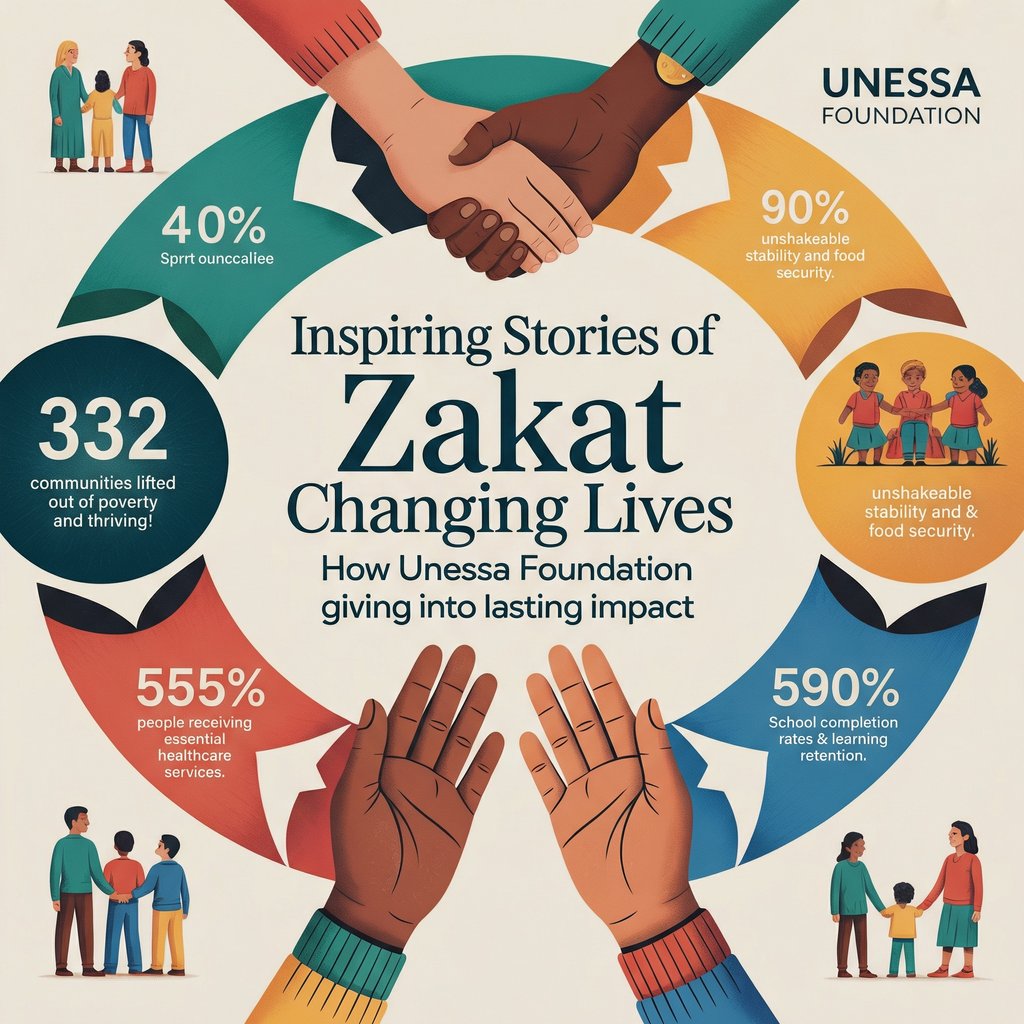
Beyond immediate relief, many charities now focus on sustainable development projects funded by Zakat.
Examples include:
- eco-friendly water systems
- agricultural programs
- renewable energy initiatives
These programs aim to create long-term improvements in communities facing poverty.
This reflects a growing movement toward sustainability within Islamic charity.
Maximizing Rewards Through Zakat in Ramadan
If you want to maximize the spiritual impact of your Zakat during Ramadan, consider these tips.
Plan Zakat Early
Preparing in advance prevents last-minute calculations.
Research Charities
Choose organizations with transparent programs and measurable impact.
Combine Zakat and Sadaqah
Many Muslims increase voluntary charity alongside Zakat.
Give During the Last 10 Nights
Charity during Laylat al-Qadr carries immense spiritual rewards.
👉Click here to know more about what is zakat?
Conclusion
Ramadan is a time of reflection, generosity, and spiritual renewal.
For millions of Muslims, fulfilling Zakat during this sacred month represents both religious obligation and compassionate action.
Understanding Zakat during Ramadan 2026 involves knowing:
- the difference between Zakat al-Mal and Zakat al-Fitr
- when to give during Ramadan
- how much to donate
- how modern financial tools simplify giving
Whether through traditional charity or digital platforms, Zakat remains one of the most powerful ways to support communities in need.
And perhaps that is the true beauty of Zakat.
A small portion of wealth given during Ramadan can create lasting change in someone else’s life.
Additional Resources
Recommended books
- Fiqh az-Zakat – Yusuf al-Qaradawi
Helpful tools
- Zakat calculators
- Islamic charity apps
- fintech donation platforms
Communities
- local mosques
- humanitarian charities
- Islamic scholars