
COMMUNITY & GIVING
Donate to Old Age Homes: 7 Important Support Areas
Donate to Old Age Homes: six practical checks on recipient identity, current programme needs, funding purpose, costs, privacy and evidence before supporting a cause.
Published by Unessa Foundation · Editorial update: 4 November 2026
On this page
- Donate to Old Age Homes: 7 Important Support Areas
- Why You Should Donate to Old Age Homes
- Where Your Donation Goes
- 7 Powerful Ways Donations Transform Lives
- Different Ways to Donate to Old Age Homes
- Emotional Benefits of Donating
- How to Choose the Right Old Age Home for Donation
- Role of NGOs and Society
- Growing Need for Donations
- Small Contribution, Big Impact
- How to assess a real elder-care support story
- Donate to Old Age Homes: make the intended support clear
- 1. Ask the actual home about current needs
- 2. Confirm goods, costs and access arrangements
- 3. Protect residents’ choices and privacy
- 4. Keep a contribution and evidence record
- 5. Check legal or tax questions for the actual period
- 6. Use the route that matches your purpose
- An official elder-care information starting point
- Conclusion
- Frequently asked questions
- Continue reading
Donate to Old Age Homes: 7 Important Support Areas
Donate to Old Age Homes after confirming the actual provider, location, needs and contribution route. Residential care, health services, day support and social activities have different arrangements;not every older person needs a residential home. A contribution may help an agreed activity, but does not by itself guarantee medical care, happiness or a particular quality-of-life result. HelpAge India’s official programme information is one elder-care research starting point;confirm its actual programme and eligibility.
Why You Should Donate to Old Age Homes
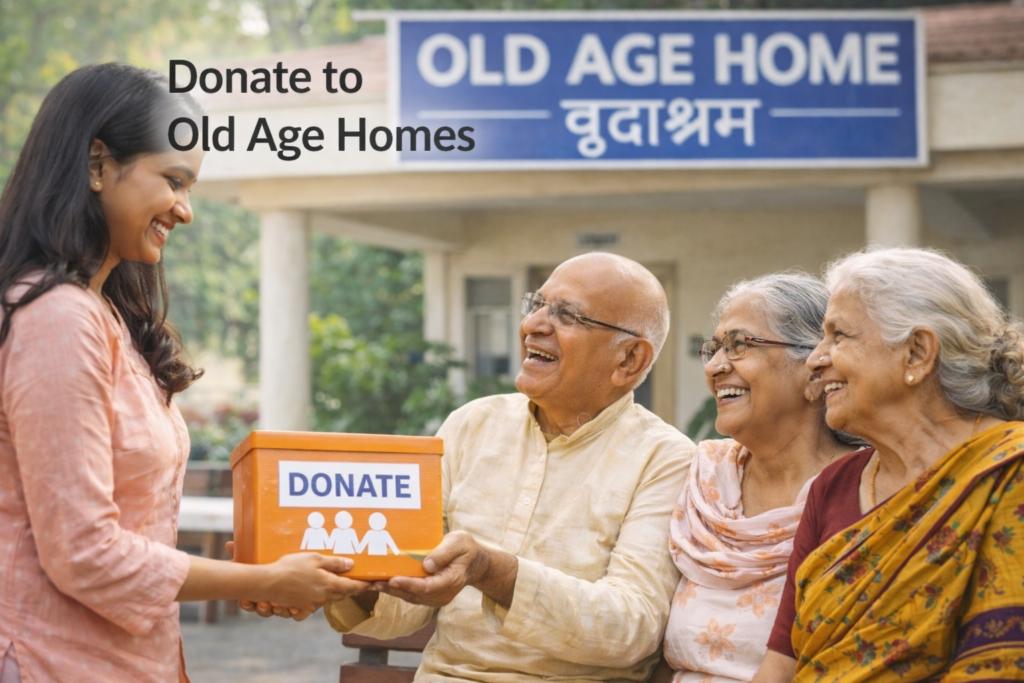
A contribution can support a requested service or practical need where a provider accepts it. Listen to older people’s own choices rather than presume all are financially vulnerable, lonely or dependent. Donating is a personal decision, not a moral obligation or guarantee of a compassionate outcome.
Where Your Donation Goes
Ask which of the following five support areas the actual contribution funds, what is included and what reporting is available. A list of possible expenses is not proof that every home or Unessa offers all services.
Shelter and Accommodation
An agreed contribution may support maintenance or accommodation. Confirm actual safety,accessibility,facilities and responsibilities;funding alone does not certify the setting.
Food and Nutrition
Confirm the actual meal arrangements,dietary needs,provider and qualified advice where necessary. A contribution does not guarantee a suitable diet for every resident.
Medical Care
Ask about actual check-ups,medicine handling,qualified clinical staff and emergency arrangements. Donation funding does not create a medical service or establish treatment availability.
Daily Care Support
Bathing,dressing,mobility and other assistance depend on the actual resident’s needs,consent,staff skills and service agreement. Confirm what is provided.
Recreational Activities
Cultural events,games and social activities should fit residents’ choices,access needs and the home’s arrangements. Attendance does not prove a measured mental-health effect.

Unessa Foundation activity: a volunteer and children working with paper learning materials in Vadodara.
SUPPORT CHILDREN’S EDUCATION
Help learning become a regular part of a child’s life.
Support Unessa Foundation’s education programmes and volunteer-led learning activities.
7 Powerful Ways Donations Transform Lives
1. Improves Living Conditions
Funding can help an agreed maintenance or accessibility project. Ask what will change, who is responsible and how completion is recorded rather than assume every donation upgrades living conditions.
2. Provides Better Healthcare
Where the actual provider has qualified healthcare arrangements, support may contribute to specified costs. Confirm doctors, medicine management, referrals, charges and emergencies;do not promise access merely because funds were donated.
3. Reduces Loneliness
Agreed social activities can offer opportunities for connection when residents want them. A donation or visit does not guarantee reduced loneliness;respect individual preferences.
4. Supports Mental Well-being
A respectful, supportive setting can matter for wellbeing, but depression or another mental-health concern needs appropriate professional assessment. Do not promise a clinical improvement from a donation or event.
5. Ensures Nutritional Support
Contribute to requested meal or food arrangements under the actual provider’s standards. Dietary restrictions, food safety and qualified advice may matter;not every donated food suits every resident.
6. Empowers Caregivers
Funding may support appropriate caregiver preparation, supervision or working conditions where the provider agrees. The actual training, staffing and quality need evidence rather than a universal improvement claim.
7. Restores Dignity and Respect
Residents’ dignity, choices, privacy and independence should guide any support. They are rights and everyday responsibilities, not benefits conditional on a donor’s generosity or access to personal stories.
Different Ways to Donate to Old Age Homes
Support options include an accepted one-time or recurring contribution, a specific sponsorship arrangement, requested clothes/blankets/groceries, an agreed supervised volunteer role, or a properly assessed workplace proposal. Ask before collecting materials. Medicines require the actual qualified receiving provider’s rules;do not bring household leftovers or unsuitable products. Talking, games and festivals should follow consent, visit and safeguarding arrangements. CSR eligibility and project terms need separate review.
Emotional Benefits of Donating
Some donors find fulfilment, connection or an opportunity to learn through support, but those feelings are not guaranteed. The resident’s preferences and useful programme need should remain central rather than treating a visit as a donor experience.
How to Choose the Right Old Age Home for Donation
Check the actual entity, programme, recipient, finances, facilities, hygiene, safeguarding and enquiry route. Reviews and a familiar name are leads, not certification. Arrange a visit through the responsible team if appropriate, and respect residents who do not wish to participate or be photographed.
Role of NGOs and Society
Some homes rely partly on contributions for operations, facilities or particular services, while funding models differ. Confirm the actual provider’s responsibilities and evidence. Supporting a home does not remove public duties or establish that every NGO operates residential or medical care.
Growing Need for Donations
Population ageing can affect service demand, but need, funding and preferred care arrangements vary. WHO’s ageing-and-health information provides broader context. Do not infer a current shortage or budget gap at a particular home without its evidence.
Small Contribution, Big Impact
Choose an affordable contribution and an accepted purpose. A small amount can contribute to a budget, but it does not guarantee a day’s meals, medicines or a complete resident-support package without actual costs and allocation terms.
How to assess a real elder-care support story
For a claimed improvement in facilities, treatment or community activity, look for the actual provider, period, records and appropriately consented account. A general list of possible benefits is not a documented real-life case or proof of the same result for every resident.
Donate to Old Age Homes: make the intended support clear
Before you donate to old age homes, contact the intended provider and identify its location and actual service. Residential care, day support and community activities can differ. An organisation’s name in a guide does not confirm a room, medical service or current collection request.
This guide explains a checking process. It does not certify an organisation, publish an invented beneficiary history or promise that a contribution produces a particular result. Use the actual campaign and current official contact to settle conditions important to your decision.
For comparing the actual residential arrangement and responsibilities, read old age home comparison guide.
1. Ask the actual home about current needs
2. Confirm goods, costs and access arrangements
Ask which items are accepted, the relevant condition and delivery arrangements. For financial support, read the current campaign and confirm the receiving entity. Do not assume a care cost, free pickup or unrestricted visitor access.
3. Protect residents’ choices and privacy
Agree a visit through the responsible team and follow its access and safeguarding process. Ask before sharing a resident’s name, story or image. A donation should not require someone to disclose a personal history publicly.
4. Keep a contribution and evidence record
- Full receiving entity, official source and current campaign.
- Intended purpose, period and any condition confirmed by the provider.
- Amount or accepted items and the acknowledgement retained privately.
- Reporting source, period, outcome definition and unresolved question.
For donate to old age homes, separate a planned contribution, a payment, a delivery and a measured outcome. If a figure matters, ask which record supports it and what it includes. Do not silently turn an estimate or one person’s account into a universal programme result.
5. Check legal or tax questions for the actual period
Organisation information can be explored through NGO Darpan where relevant, but a listing does not settle every approval or prove effectiveness. Tax treatment requires its own checks against the recipient, period and donor circumstances. Do not assume every contribution, item or payment method has the same deduction result.
The Income-tax Department’s current law and comparison resources can help identify the relevant framework. Ask an appropriately qualified adviser where a material tax question remains. Keep acknowledgements and necessary records securely rather than posting private payment or identity details publicly.
6. Use the route that matches your purpose
Before acting, resolve any uncertainty about the actual receiving organisation, programme or funding condition. A familiar logo, appeal or directory entry is not enough to establish a current arrangement. Record the response and revisit it if the programme or your intended use changes.
Unessa’s education buttons lead to its education campaign. They do not transfer money to other organisations, reserve a service or guarantee a school, health or residential-care outcome. Read the published programme information and support the campaign whose stated purpose matches your decision.
An official elder-care information starting point
Explore HelpAge India’s official programme information for its stated work. Confirm the actual programme, locality, eligibility and contribution route directly. This source does not establish that Unessa operates an old-age home or that another provider has a current vacancy.
Conclusion
Donate to Old Age Homes through the actual intended provider after checking needs, recipient and arrangements. For a separate cause, Unessa’s education campaign supports its stated programme. The education CTAs here do not forward funds to an old-age home, reserve a place or purchase healthcare.
Frequently asked questions
What should I verify before donating to an old age home?
Confirm the operating organisation, current need, contribution route and acknowledgement process. Ask which activity the support is intended for, rather than assuming that every residential provider is an NGO or accepts public donations.
Should I bring gifts during an unannounced visit?
Arrange visits and gifts with the responsible team first. Confirm residents’ preferences, accepted items and privacy rules, and avoid treating a contribution as permission to photograph residents or organise an event around them.
Why should I donate to old age homes?
An accepted contribution may support a specific home’s actual needs. Confirm the provider, programme and reporting rather than assume a universal care or emotional benefit.
What can I donate to old age homes?
Ask the actual home what it accepts and how delivery is arranged. Money, requested usable goods or an agreed volunteer role may fit. Medicine donations require qualified recipient rules and should not be assumed acceptable.
Is it safe to donate online?
Check the official domain, legal recipient, campaign and payment details independently. A familiar brand or verified label does not guarantee every transaction is safe. Resolve an unexplained recipient difference before paying.
Can students donate to old age homes?
Students can enquire about an age-appropriate, supervised role or an affordable contribution. Confirm guardian, home and programme requirements;do not assume unrestricted resident access.
How often should I donate?
Choose a one-time or recurring contribution that fits your capacity and the campaign’s actual terms. Frequency alone does not guarantee a better outcome.
Do donations really make a difference?
A contribution can support an agreed activity, but actual use and outcomes need relevant records. A receipt acknowledges payment;it does not prove a particular quality-of-life improvement.
Can I visit old age homes before donating?
Ask the responsible team about permitted visits and residents’ preferences. Do not arrive with unrequested goods, expect access to private areas or require a resident’s story or photograph.
Are there tax benefits for donations?
Only when the donation meets the applicable recipient, approval, period, regime, payment and other conditions. A registered NGO or gift of goods does not automatically establish a deduction.
Continue reading

Related guide

Related guide
Support children’s learning with Unessa Foundation.