



Why Debts Matter in Zakat Calculation
Zakat is one of the most structured financial obligations in Islam, designed to promote fairness, circulation of wealth, and social balance. Yet, many people struggle when debts and loans enter the picture. Questions like “Can I deduct my loan?” or “Does a home loan reduce my Zakat?” often lead to confusion and inconsistent practices.
Adjusting Zakat for debts and loans is not about reducing one’s responsibility—it is about calculating Zakat on net Zakatable wealth, as prescribed in Islamic principles. When done correctly, it ensures justice for the payer and rightful distribution for the recipient.
This guide breaks down how debts affect Zakat, which liabilities qualify for deduction, common mistakes to avoid, and practical examples to help you calculate Zakat with clarity and confidence.
Understanding the Core Principle: Zakat Is Paid on Net Wealth
Zakat is not calculated on gross assets alone. Instead, it is assessed on net Zakatable wealth, meaning:
Zakatable Assets – Deductible Liabilities = Net Zakatable Wealth
This principle ensures that individuals are not burdened beyond their actual financial capacity. Islam recognizes that debts are real obligations and allows certain deductions—within defined limits.
However, not all debts qualify. Understanding this distinction is essential for accurate Zakat calculation.
What Types of Debts Are Deductible for Zakat?
Immediate and Payable Debts Only
Only debts that are currently due and payable can be deducted when adjusting Zakat for debts and loans. These are liabilities that must be settled in the near term and directly impact available wealth.
Examples of Deductible Debts
- Outstanding utility bills
- Credit card balances
- Personal loans due within the year
- Business payables
- Loan installments due in the current lunar year
- Rent arrears
- Unpaid wages or salaries owed to employees
These liabilities reduce the wealth you truly control and are therefore eligible for deduction.
Examples of Deductible Debts
- Outstanding utility bills
- Credit card balances
- Personal loans due within the year
- Business payables
- Loan installments due in the current lunar year
- Rent arrears
- Unpaid wages or salaries owed to employees
Non-Deductible Debts: What Cannot Be Subtracted
Long-Term Loans Are Not Fully Deductible
A common misconception is deducting the entire value of long-term loans, such as:
- Home loans
- Car loans
- Education loans
- Business financing spread over many years
Islamic scholars agree that only the portion payable within the current lunar year may be deducted—not the total loan amount.
Why This Matters
Deducting the full loan balance could eliminate Zakat liability entirely, even when significant liquid assets exist. This contradicts the spirit of Zakat, which aims to circulate wealth, not shelter it indefinitely.
Personal Expenses vs Legitimate Liabilities
Not all financial outflows qualify as debts.
Expenses That Are NOT Deductible
- Monthly household expenses
- Future tuition fees
- Planned travel costs
- Lifestyle spending
- Estimated future bills
- Savings goals
Only actual, enforceable debts that are currently owed can be deducted. Planned or anticipated expenses do not reduce Zakatable wealth.
Nisab and Debts: How They Work Together
After adjusting Zakat for debts and loans, the remaining amount must still meet two conditions:
- It equals or exceeds the nisab threshold
- It has been held for one full lunar year
If debts reduce wealth below nisab, Zakat is not obligatory for that year.
Current Nisab Standards
- Based on gold (85g) or silver (595g)
- Many scholars recommend silver nisab to maximize benefit for the needy
Step-by-Step Example: Adjusting Zakat Correctly
Example Scenario
Zakatable Assets
- Cash & savings: ₹500,000
- Gold (investment): ₹200,000
- Business inventory: ₹300,000
Total Assets: ₹1,000,000
Deductible Debts
- Credit card balance: ₹50,000
- Personal loan installment (due this year): ₹100,000
Total Deductible Debts: ₹150,000
Net Zakatable Wealth
₹1,000,000 – ₹150,000 = ₹850,000
If this amount exceeds nisab and has completed one lunar year:
Zakat Due
₹850,000 × 2.5% = ₹21,250
This method ensures fairness, accuracy, and peace of mind.
Common Mistakes When Adjusting Zakat for Debts
1. Deducting the Entire Loan Balance
Only the payable portion for the year is deductible.
2. Ignoring Business Liabilities
Unpaid supplier invoices or operational expenses due immediately are deductible.
3. Including Personal Expenses as Debts
Lifestyle costs do not qualify.
4. Forgetting to Recalculate Annually
Debts change year to year. Zakat must reflect current financial reality.
Current Trends: Why Accurate Zakat Calculation Matters More Than Ever
With rising household debt, digital banking, and flexible credit options, Zakat calculations have become more complex. Many Muslims today:
- Manage EMIs across multiple platforms
- Use credit cards for everyday spending
- Hold mixed personal and business finances
This makes adjusting Zakat for debts and loans a critical skill—not just a technical detail.
Modern Zakat calculators and structured record-keeping now play a vital role in helping individuals fulfill their obligation correctly.
👉 Know about the Common mistakes in Zakat Calculation
Tips for Getting Zakat Calculation Right
- Maintain a simple debt repayment tracker
- Separate short-term and long-term liabilities
- Review debts close to your Zakat date
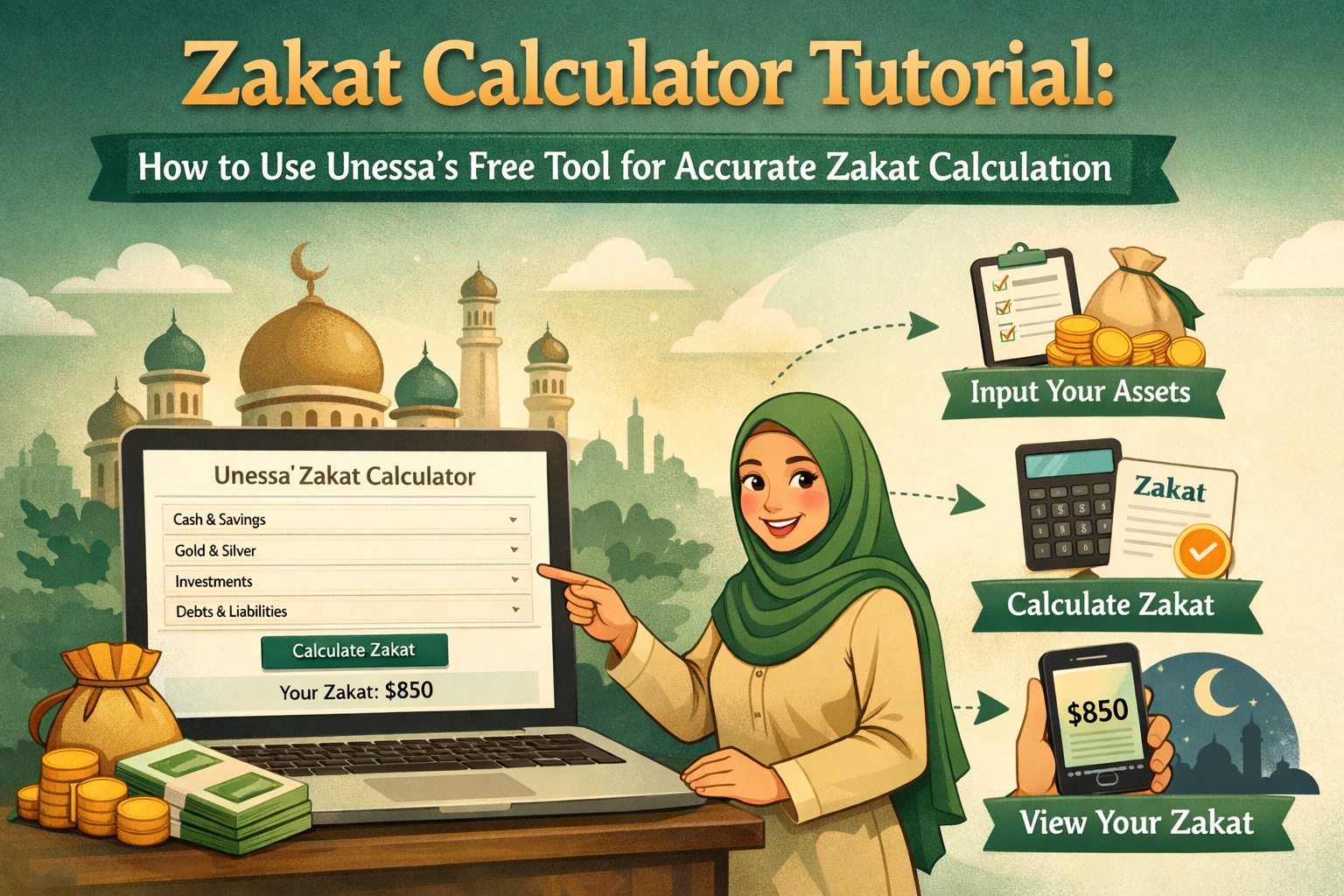
- Use a trusted Zakat calculator
- Seek scholarly guidance for complex cases
Consistency matters more than complexity.
Using Zakat Calculators for Debt Adjustments
Reliable Zakat calculators allow users to:
- Enter payable debts separately
- Automatically adjust net wealth
- Avoid common arithmetic errors
- Ensure nisab is correctly applied
While tools are helpful, understanding the underlying principles ensures confidence and correctness.
Why Correct Adjustment Protects the Spirit of Zakat
Zakat is not merely a financial transaction. It is an act of worship tied to integrity and intention. Properly adjusting Zakat for debts and loans:
- Prevents hardship for the payer
- Protects the rights of recipients
- Upholds Islamic financial ethics
- Builds trust in charitable systems
Accuracy strengthens both faith and social responsibility.
Conclusion: Paying Zakat With Confidence
Adjusting Zakat for debts and loans is not about minimizing payment—it is about fulfilling an obligation with honesty, clarity, and balance. By deducting only legitimate, payable liabilities and calculating Zakat on true net wealth, individuals honor both the letter and spirit of Zakat.
With proper understanding, record-keeping, and tools, Zakat becomes less stressful and more meaningful—an act of worship completed with confidence and peace of mind.
FAQs: Adjusting Zakat for Debts and Loans
Can I deduct my home loan from Zakat?
Only the installment due within the current lunar year is deductible.
Are credit card balances deductible?
Yes, if they are outstanding and payable at the time of Zakat calculation.
Can future expenses be deducted?
No. Only actual, current debts qualify.
Do business debts affect Zakat?
Yes. Immediate business liabilities can be deducted.
What if debts reduce wealth below nisab?
Zakat is not obligatory if net wealth stays below nisab.
Is Zakat still 2.5% after deductions?
Yes. Zakat is applied at 2.5% on net Zakatable wealth.