
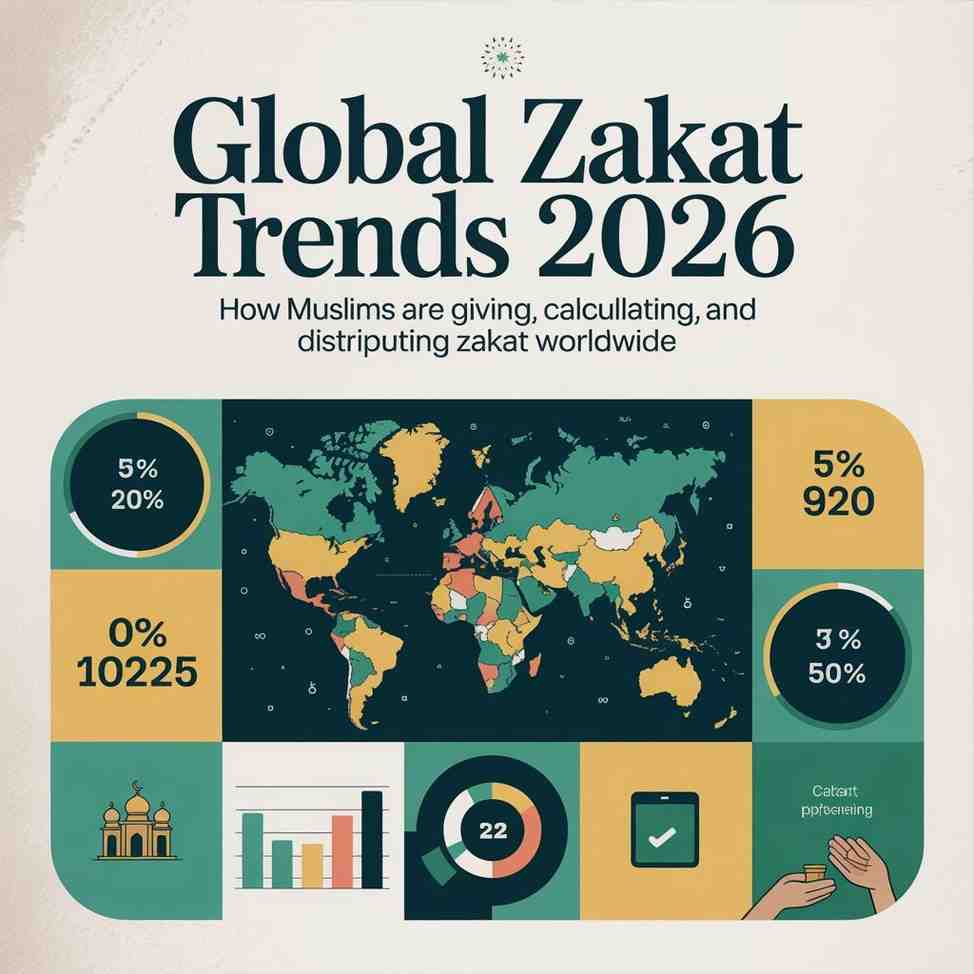

Global Zakat Trends 2026: How Muslims Are Giving, Calculating, and Distributing Zakat Worldwide
Zakat has always been a pillar of faith. But in 2026, the way Muslims fulfill this obligation looks very different from even a decade ago.
From mobile apps and blockchain-powered transparency to hyper-local distribution models, Global Zakat Trends 2026 reveal a powerful shift: Muslims are not only giving — they are giving smarter, faster, and with measurable impact.
Today’s Zakat landscape blends faith with technology, spirituality with strategy, and obligation with accountability. Let’s explore how.
The Evolution of Zakat Giving in 2026
Zakat is not new. What is new is how it’s calculated, transferred, tracked, and distributed.
According to global Islamic finance reports, charitable giving within Muslim communities continues to grow alongside digital banking adoption. With over 5 billion smartphone users worldwide, access to digital financial tools has transformed Zakat payment methods.
Global Zakat Trends 2026 show three major shifts:
- Digital-first giving
- Demand for transparency
- Impact-driven distribution
These changes are not random. They reflect economic realities, generational behavior, and global connectivity.
Digital Transformation: Technology Reshaping Global Zakat Trends 2026
One of the defining Global Zakat Trends 2026 is the rapid move toward digital platforms.
Rise of Zakat Apps and Online Platforms
Muslims now commonly use:
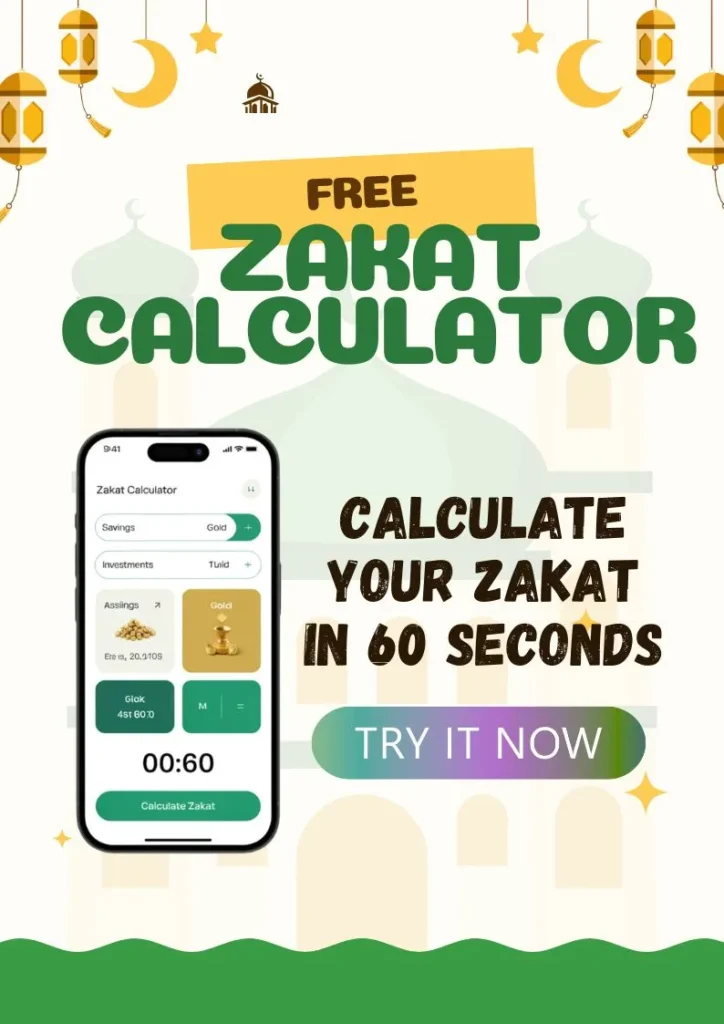
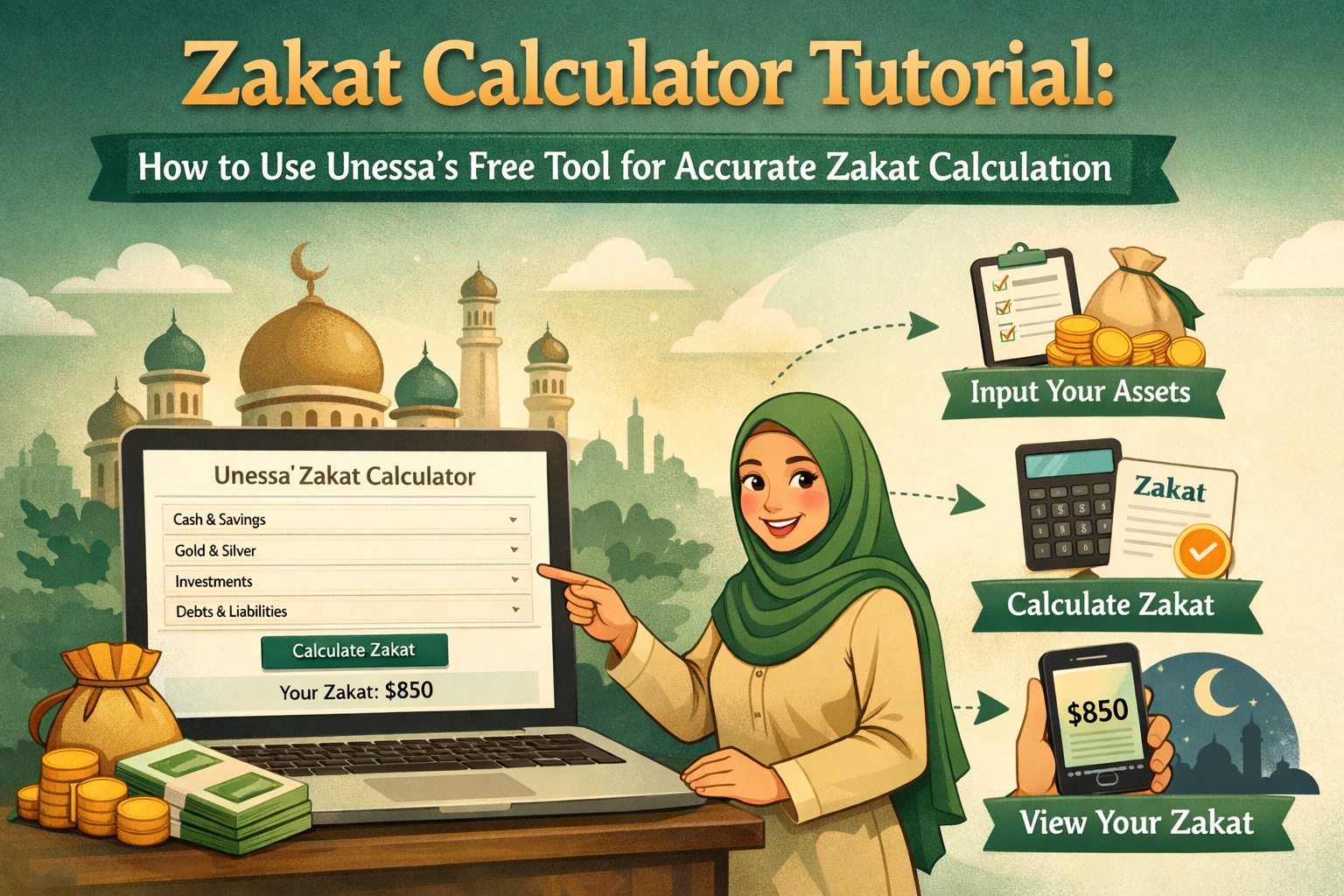
- Zakat calculator apps
- Automated nisab tracking tools
- Direct bank-linked payment gateways
- Blockchain verification systems
Instead of waiting for Ramadan reminders, many platforms now provide:
- Real-time wealth tracking
- Automated lunar year alerts
- Instant global transfers
- AI-based asset categorization
This reduces miscalculation and increases compliance.
Why This Matters
A common concern used to be:
“Did I calculate my Zakat correctly?”
Now, automated systems reduce human error. That builds confidence and encourages consistent annual giving.
Blockchain and Transparency
Another major component of Global Zakat Trends 2026 is blockchain-based transparency.
Some organizations now provide:
1
Public transaction records
2
Impact dashboards
3
Real-time fund tracking
This ensures that donors can verify where their Zakat goes.
Transparency is no longer optional. It’s expected.
Focus on Accountability and Measurable Impact
Donors in 2026 ask tougher questions:
- How many families were supported?
- What percentage went to administration?
- What long-term impact was created?
This shift reflects broader philanthropic trends worldwide.
Impact Reporting Becomes Standard
Modern Zakat institutions now publish:
- Annual impact reports
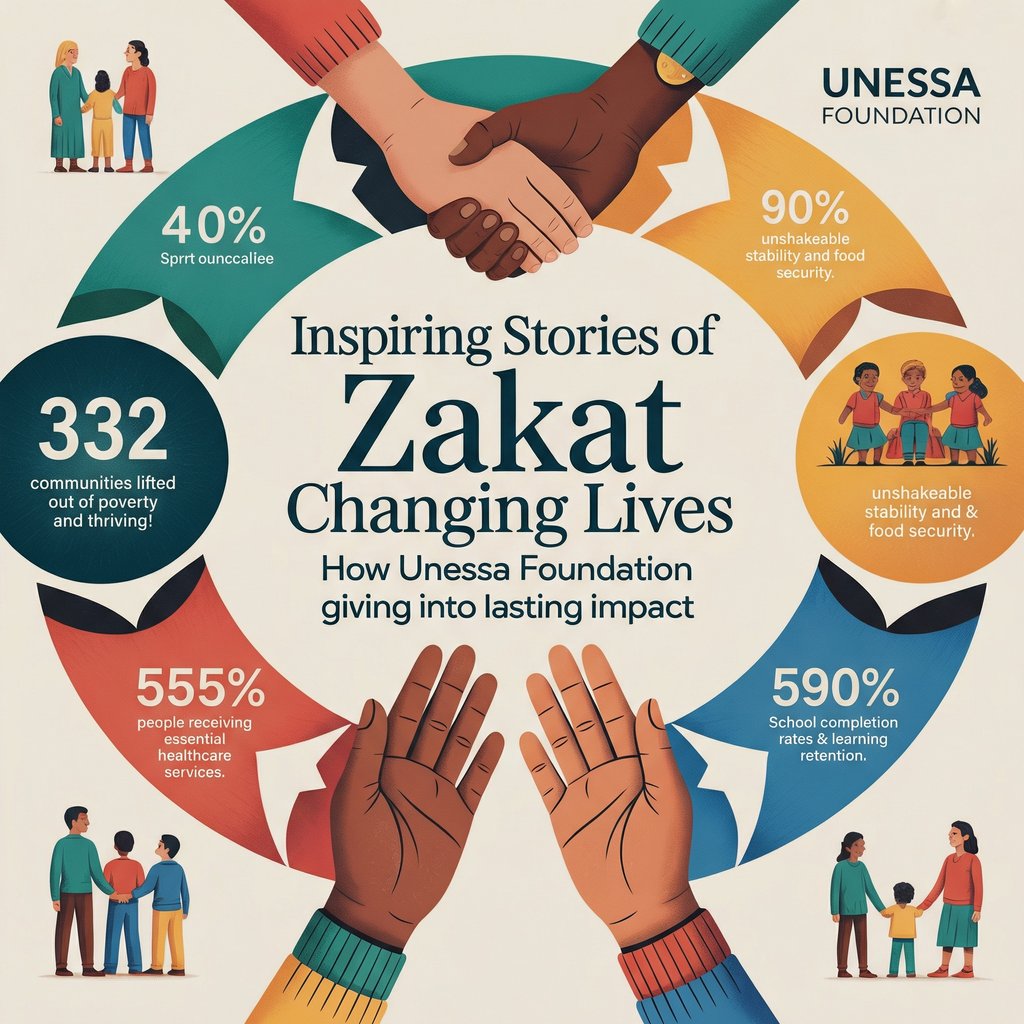
- Infographics with beneficiary data
- Before-and-after case studies
- Sector breakdowns (education, healthcare, food security)
Instead of vague updates, donors receive detailed outcomes.
For example:
- Number of micro-businesses funded
- Students receiving scholarships
- Medical treatments sponsored
- Refugee families relocated
This aligns spiritual duty with social results.
Community-Centered Giving: Local First, Global Always
Another key insight from Global Zakat Trends 2026 is the balance between local and global giving.
Local Distribution Gains Momentum
Many Muslims now prioritize distributing Zakat within their own cities before sending funds abroad.
Why?
- Rising local cost of living
- Hidden poverty in developed countries
- Stronger community ties
Immediate visibility of impact
Mosques and local charities report increased neighborhood-based Zakat campaigns.
This trend strengthens:
- Community resilience
- Social solidarity
- Economic circulation within Muslim communities
Global Crisis Response Still Strong
While local giving rises, global humanitarian campaigns remain vital.
In 2026, Zakat continues to fund:
- Refugee assistance
- Food security programs
- Disaster relief efforts
- Water access projects
Muslims are balancing both responsibilities: helping nearby families and supporting global crises.
This dual model defines Global Zakat Trends 2026.
Economic Pressures and Zakat Behavior in 2026
Inflation and economic volatility influence giving patterns.
Interestingly, research on charitable psychology shows that during financial uncertainty, faith-based giving often remains stable — or even increases.
Why?
Because Zakat is not optional charity. It is obligatory.
However, behavior shifts include:
- More structured financial planning for Zakat
- Monthly savings allocation for annual payment
- Use of wealth management tools to forecast nisab eligibility
Muslims are budgeting Zakat rather than treating it as a last-minute Ramadan calculation.
Generational Shifts: How Millennials and Gen Z Give Zakat
Younger Muslims are shaping Global Zakat Trends 2026 dramatically.
Digital Native Donors
Millennials and Gen Z prefer:
- App-based Zakat payments
- QR code donations
- Subscription-based charity models
- Social impact tracking
They expect convenience.
But more importantly, they expect clarity.
Social Justice Alignment
Younger donors increasingly view Zakat as:
- A poverty reduction mechanism
- A wealth redistribution tool
- A social justice obligation
They are interested in systemic change, not just temporary relief.
This explains rising support for:
- Zakat-funded microfinance
- Entrepreneurial grants
- Education scholarships
Skills training programs
The Growth of Structured Zakat Institutions
Another defining Global Zakat Trend 2026 is institutionalization.
Instead of informal distribution, many Muslims now prefer registered Zakat organizations that offer:
- Shariah compliance certification
- Audited financial statements
- Digital documentation
- Cross-border compliance
This formal structure ensures:
- Legal clarity
- Efficient fund allocation
Reduced misuse risk
Integrating Spiritual Intention with Strategic Giving
Despite technological advances, one thing has not changed: intention (niyyah).
Muslims in 2026 increasingly combine:
- Spiritual sincerity
- Financial precision
- Social awareness
Zakat is being seen as both worship and economic empowerment.
This integration defines the maturity of Global Zakat Trends 2026.
👉click here to know spiritual benefits of Zakat
Key Statistics Shaping Zakat in 2026
While exact global Zakat figures vary by region, Islamic finance reports estimate:
- Hundreds of billions in potential annual Zakat globally
- Underutilization due to informal systems
- Growing digital collection rates year-on-year
- Increased youth participation in structured giving
The opportunity is enormous.
If managed efficiently, Zakat could significantly reduce poverty in many Muslim-majority regions.
Practical Tips: How to Align with Global Zakat Trends 2026
If you want to align your giving with modern Zakat practices, consider:
1. Use Verified Digital Calculators
Ensure accurate nisab and asset categorization.
2. Plan Zakat Year-Round
Set aside funds monthly instead of rushing during Ramadan.
3. Request Impact Reports
Choose institutions that provide measurable outcomes.
4. Balance Local and Global Distribution
Support nearby families while contributing to international causes.
5. Diversify Zakat Impact
Allocate across:
- Immediate relief
- Education
Economic empowerment
The Bigger Picture: Where Zakat Is Headed
Looking ahead, Global Zakat Trends 2026 suggest:
- Further digitization
- Stronger regulatory frameworks
- Greater data transparency
- Cross-border standardization
- Increased youth leadership
The combination of faith, technology, and accountability is reshaping how Muslims give.
And this transformation is not temporary.
It reflects a deeper awareness that Zakat is more than an annual obligation. It is a financial system embedded within spiritual ethics.
Final Reflection
Global Zakat Trends 2026 show a community that is thoughtful, adaptive, and impact-driven.
Muslims are:
- Calculating more accurately
- Giving more transparently
- Distributing more strategically
- Thinking more globally
- Acting more locally
The tools have changed. The intention remains timeless.
And as digital systems evolve, the essence of Zakat — purification, compassion, and justice — continues to guide how Muslims give in 2026 and beyond.
FAQs: Global Zakat Trends 2026
1. What are the main Global Zakat Trends in 2026?
The biggest trends include digital Zakat payments, blockchain transparency, impact-based reporting, and increased community-focused distribution.
2. Are Muslims paying Zakat online more in 2026?
Yes. Many Muslims now use apps, online platforms, and automated Zakat calculators to calculate and pay Zakat securely and accurately.
3. How has technology changed Zakat distribution?
Technology has improved tracking, transparency, and efficiency. Donors can now see detailed impact reports and sometimes track how funds are distributed.
4. Is local Zakat distribution increasing?
Yes. Many communities prioritize helping families within their own cities while still contributing to global humanitarian causes.
5. Why is transparency important in Zakat giving?
Donors want to ensure their Zakat reaches eligible recipients. Detailed reporting and audited statements build trust and accountability.
6. Are younger Muslims changing how Zakat is given?
Yes. Millennials and Gen Z prefer digital platforms, measurable impact, and structured institutions that show long-term social change.
7. Is Zakat still valid if paid through apps?
Yes, as long as the calculation is correct, the intention (niyyah) is made, and funds reach eligible recipients, digital payment methods are valid.
8. How can I align with modern Zakat trends?
Use reliable Zakat calculators, plan annually, choose transparent organizations, and balance local and global giving.