
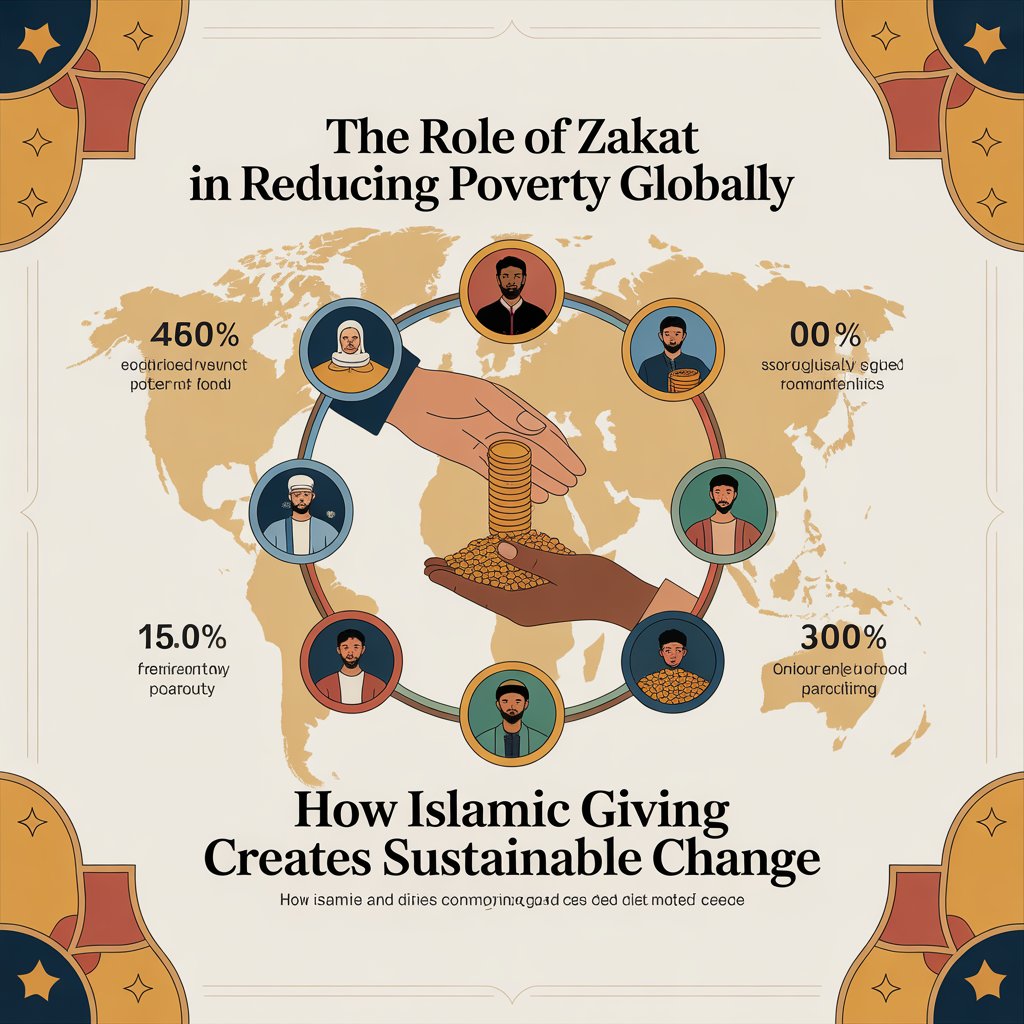
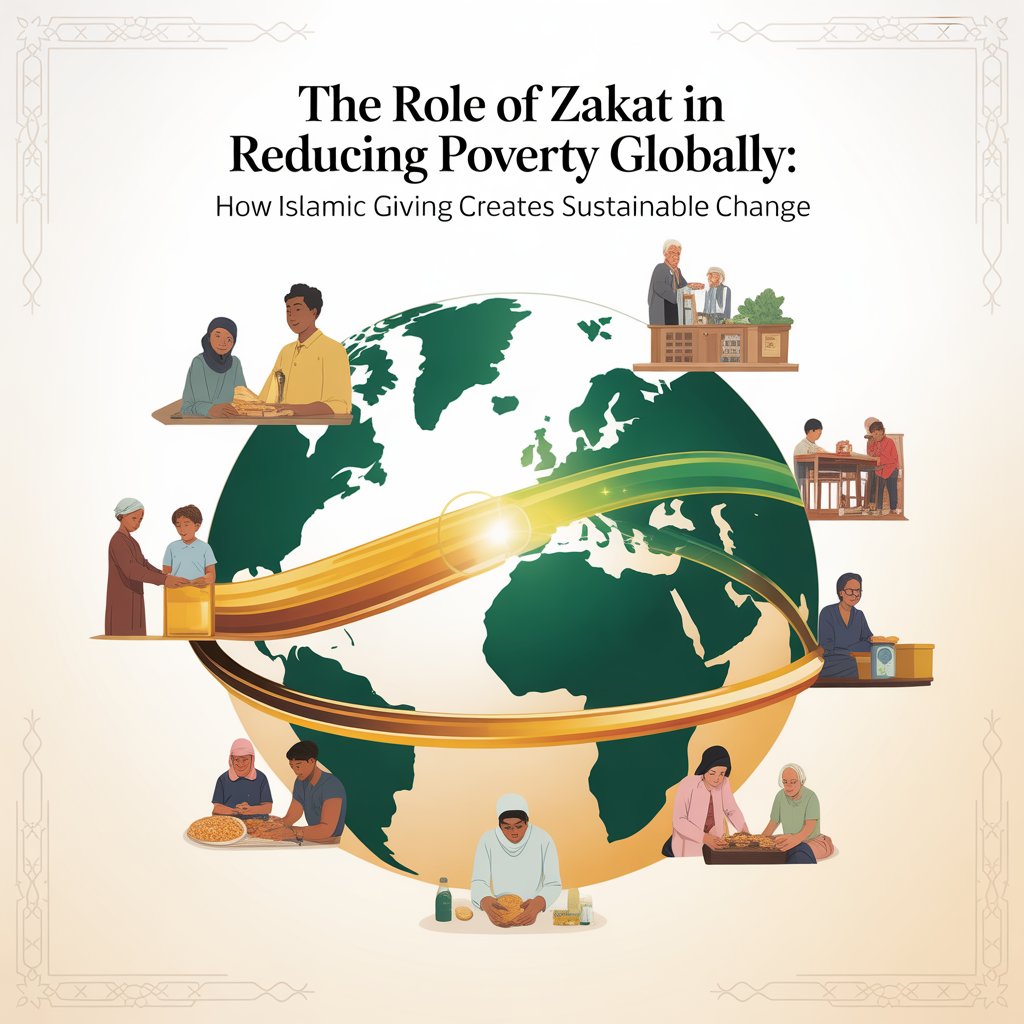
The Role of Zakat in Reducing Poverty Globally
Poverty is not just about the absence of income. It is about limited access to education, healthcare, dignity, and opportunity. Despite global economic progress, over 700 million people still live in extreme poverty, struggling to meet even their most basic needs.
In this reality, financial systems alone cannot solve inequality. What’s needed is a values-driven approach—one that balances wealth, responsibility, and compassion. This is where Zakat, an obligatory form of giving in Islam, plays a critical and often underappreciated role.
The role of Zakat in reducing poverty globally goes far beyond charity. It is a structured, ethical, and time-tested economic mechanism designed to uplift the vulnerable and restore balance in society.
Understanding Zakat: More Than Charity, A System of Justice
This structure ensures that Zakat does not depend on emotion alone—it flows where need is real and verified.
What sets Zakat apart from general charity (Sadaqah) is its systematic nature:
- Defined eligibility rules
- Specific beneficiary categories
- Annual accountability
- Emphasis on fairness and dignity
The Qur’an identifies eight categories of Zakat recipients, including:
- The poor and needy
- Those burdened by debt
- Travelers in distress
- Individuals working to administer Zakat
- Communities facing systemic hardship
Zakat is one of the five pillars of Islam, making it a mandatory act of worship for Muslims who meet the required wealth threshold (nisab). Typically set at 2.5% of accumulated eligible wealth, Zakat is not optional generosity—it is a duty with a clear social purpose.
This structure ensures that Zakat does not depend on emotion alone—it flows where need is real and verified.
👉 To know more about zakat follow this guide : what is Zakat
The Global Scale and Untapped Potential of Zakat
Various global studies estimate that annual Zakat potential ranges from USD 200 to 500 billion worldwide. Yet, only a fraction of this amount is currently mobilized through organized channels.
If even a portion of this potential were systematically collected and distributed, the impact on global poverty would be transformative—especially in regions such as:
- South Asia
- Sub-Saharan Africa
- Parts of the Middle East
- Refugee and displaced populations worldwide
Across continents, Zakat already contributes to:
- Daily food support for vulnerable families
- School access for children who would otherwise drop out
- Life-saving medical treatment
- Emergency response during conflicts and natural disasters
When aligned with transparent institutions, Zakat shifts from short-term relief to long-term poverty reduction.
How Zakat Actively Breaks the Cycle of Poverty
The role of Zakat in reducing poverty globally lies in its ability to address both symptoms and root causes of economic hardship.
1. Meeting Immediate Survival Needs
For families facing hunger, illness, or displacement, Zakat acts as a lifeline. It provides:
- Food and nutrition support
- Shelter assistance
- Basic healthcare access
This immediate relief prevents vulnerable households from falling deeper into poverty during crises.
2. Supporting Economic Empowerment
Effective Zakat programs go beyond aid. They focus on self-reliance, funding:
- Skill development and vocational training
- Small business tools and seed capital
- Livelihood opportunities for widows and marginalized workers
A sewing machine, a farming tool, or training certification can permanently change a family’s income trajectory.
3. Reducing Wealth Inequality
Unchecked wealth concentration weakens societies. Zakat directly counters this by redistributing surplus wealth into social circulation, ensuring that prosperity does not remain confined to a few.
This redistribution:
- Strengthens social cohesion
- Reduces resentment and economic divides
- Encourages ethical wealth accumulation
4. Preserving Human Dignity
Zakat is not framed as kindness—it is framed as the right of the poor. This principle protects recipients from shame and dependency, reinforcing dignity and self-worth.
Zakat and Sustainable Development Goals (SDGs)
While rooted in faith, Zakat aligns naturally with global development frameworks, including the UN Sustainable Development Goals.
Zakat contributes directly to:
- No Poverty (SDG 1)
- Zero Hunger (SDG 2)
- Good Health and Well-Being (SDG 3)
- Quality Education (SDG 4)
- Reduced Inequalities (SDG 10)
This alignment highlights how faith-based systems can complement modern development strategies when managed responsibly.
Zakat in a Globalized and Digital World
Globalization has expanded both challenges and opportunities. Crises today—whether wars, climate disasters, or pandemics—cross borders rapidly. Zakat has evolved to meet this reality.
Modern Zakat distribution now leverages:
- Digital payment platforms
- Real-time reporting and transparency tools
- Cross-border humanitarian partnerships
- Data-driven beneficiary assessment
For India-based foundations expanding globally, this opens new doors to:
- Channel local compassion into international impact
- Support underserved Muslim and non-Muslim communities
- Build trust through accountability and visibility
Technology ensures that intention translates into measurable change.
👉 Know about How to pay Zakat Online with Unessa
Zakat in a Globalized and Digital World
Aspect
Zakat
Voluntary Charity (Sadaqah)
Obligation
Mandatory for eligible Muslims
Voluntary
Nature
Structured and regulated
Flexible and optional
Purpose
Poverty reduction and social justice
General goodwill and compassion
Beneficiaries
Fixed categories defined in Islam
Anyone in need
Frequency
Paid annually once wealth exceeds nisab
Can be given at any time
Impact
Focuses on both relief and long-term upliftment
Usually short-term or immediate help
Common Challenges in Zakat Distribution—and How to Overcome Them
Despite its power, Zakat faces challenges that limit its impact:
- Fragmented collection
- Lack of transparency
- Limited long-term planning
- Trust deficits
Solutions lie in:
- Strong governance frameworks
- Impact measurement and reporting
- Community education
- Collaboration with credible global partners
When trust increases, participation grows—and so does impact.
Moving Forward: A Shared Responsibility
The role of Zakat in reducing poverty globally is not theoretical—it is practical, measurable, and deeply human.
When managed with integrity, transparency, and vision, Zakat becomes:
- A tool for justice
- A bridge between wealth and responsibility
- A catalyst for lasting social change
Poverty reduction is not the task of governments alone. It requires collective commitment—from individuals, institutions, and foundations willing to act with purpose.
Zakat reminds us that wealth is not merely owned; it is entrusted. And through that trust lies the power to transform lives—locally and globally.
FAQs: Zakat and Global Poverty Reduction
What is Zakat?
Zakat is a mandatory form of Islamic giving that supports the poor and promotes social justice.
How does Zakat reduce poverty?
It redistributes wealth to meet basic needs and fund long-term livelihood support.
Who can receive Zakat?
Eligible recipients include the poor, needy, indebted, travelers in distress, and vulnerable communities.
Is Zakat different from charity?
Yes. Zakat is obligatory and structured, while charity is voluntary.
How much Zakat is paid?
2.5% of eligible wealth above the minimum threshold (nisab).
Can Zakat be used for education and healthcare?
Yes. Zakat can fund education, medical care, and economic empowerment programs.
Does Zakat support global poverty reduction?
Yes. Zakat is used worldwide to address poverty, emergencies, and inequality.