


Scholarly Opinions on Zakat: Hanafi vs Maliki Views Explained
Why Scholarly Differences Exist in Zakat Rulings
Understanding scholarly opinions on Zakat: Hanafi vs Maliki views helps Muslims apply their religious obligations with clarity and confidence. While Zakat is a pillar of Islam, its detailed rulings vary slightly between Islamic legal schools. These differences are not contradictions. Instead, they reflect centuries of scholarship, interpretation, and contextual reasoning.
Among the four major Sunni schools, the Hanafi school and the Maliki school are widely followed across South Asia, Turkey, parts of the Middle East, and North and West Africa. Although both rely on the Qur’an and Sunnah, their methodologies differ in certain technical areas of Zakat.
In this guide, we will explore scholarly opinions on Zakat: Hanafi vs Maliki views in detail—covering jewelry, debts, agriculture, calculation methods, and practical implications for modern Muslims.
Before examining differences, it is important to understand why they exist.
Islamic jurisprudence (fiqh) developed over centuries. Scholars:
Studied the Qur’an and Hadith
Evaluated chains of narration
Applied principles of analogy (qiyas)
Considered local customs (‘urf)
Interpreted linguistic nuances
Because early scholars lived in different regions with different economic realities, their interpretations sometimes varied.
These differences are considered valid scholarly diversity (ikhtilaf), not division.
Core Agreement Between Hanafi and Maliki Schools
Despite technical variations, both schools agree on fundamental Zakat principles:
The standard rate on monetary wealth is 2.5%
Wealth must reach the Nisab threshold
One lunar year (hawl) must pass
Zakat must go to eligible recipients
The discussion around scholarly opinions on Zakat: Hanafi vs Maliki views focuses on application—not obligation.
Key Differences in Scholarly Opinions on Zakat: Hanafi vs Maliki Views
Let’s break down the major areas of difference.
1. Zakat on Jewelry
Hanafi View on Jewelry
This is one of the most frequently asked questions.
According to the Hanafi school:
- Zakat is obligatory on gold and silver jewelry.
- It applies even if the jewelry is worn regularly.
- If the jewelry reaches Nisab (based on gold/silver value), 2.5% must be paid annually.
The Hanafi reasoning emphasizes that gold and silver are monetary assets by nature, regardless of personal use.
Maliki View on Jewelry
The Maliki school generally holds:
- Jewelry worn for personal adornment is exempt.
- Zakat applies only if jewelry is:
- Excessive
- Intended for trade
- Hoarded as investment
Maliki scholars distinguish between wealth used for daily life and wealth accumulated for growth.
👉click here to know more about Zakat on Jewelry
Practical Example
Consider a woman who owns 120 grams of gold jewelry.
- Under the Hanafi view: Zakat is due annually.
- Under the Maliki view: If it is for normal personal use, no Zakat is required.
This difference explains why Muslims from different regions may calculate Zakat differently.
2. Zakat on Debts Owed to You
Debts represent another area where scholarly opinions on Zakat: Hanafi vs Maliki views diverge.
Hanafi Position on Debts
The Hanafi school categorizes debts into:
- Strong debts (likely to be repaid)
- Weak debts (uncertain repayment)
For strong debts:
- Zakat is due annually.
- When the debt is recovered, payment for past years must be made.
The Hanafi reasoning treats recoverable debt as part of one’s wealth.
Maliki Position on Debts
The Maliki school generally holds:
- Zakat is paid once after receiving the debt.
- It is not calculated retroactively for previous years.
The Maliki reasoning considers wealth inaccessible until physically received.
Real-World Scenario
If someone lends $10,000 for five years:
- Hanafi: Zakat for five years is due when repaid.
- Maliki: Zakat is paid once upon recovery.
For modern Muslims with business receivables or personal loans, this difference can significantly impact calculations.
👉click here to know more about Zakat on Debts Owed to You
3. Agricultural Produce
Agricultural Zakat (Ushr) has detailed rulings in both schools.
Agreement
Both schools agree:
- Zakat applies to staple crops.
- Nisab for agricultural produce is roughly 5 wasq (approximately 653 kg).
- The rate is:
- 10% if naturally irrigated
- 5% if artificially irrigated
Differences
Differences arise in:
- Types of crops eligible
- Measurement methods
- Treatment of modern farming systems
The Hanafi school traditionally applies Zakat broadly to all agricultural produce. The Maliki school may limit it to staple, storable crops.
In today’s commercial agriculture environment, scholars often issue context-based rulings.
4. Intention (Niyyah) and Zakat Allocation
Both schools emphasize intention. However:
- The Hanafi school allows certain flexibility in transferring Zakat between regions.
- The Maliki school often prioritizes local distribution unless there is greater need elsewhere.
This becomes relevant when donating through international charities.
Methodological Differences Behind the Views
To fully understand scholarly opinions on Zakat: Hanafi vs Maliki views, we must examine methodology.
Hanafi Methodology
- Greater use of analogy (qiyas)
- Strong emphasis on legal reasoning
- Developed in Iraq, where commercial complexity was high
This often results in broader Zakat coverage on monetary-like assets.
Maliki Methodology
Lorem ipsum dolor sit amet, consectetur
- Strong reliance on practices of the people of Madinah
- Emphasis on public welfare (maslahah)
- Developed in North Africa and Medina
This sometimes leads to exemptions for commonly used personal property.
adipiscing elit. Ut elit tellus, luctus nec ullamcorper mattis, pulvinar dapibus leo.
How These Differences Impact Modern Muslims
Today, wealth includes:
Savings accounts
Retirement funds
Stocks and investments
Business assets
Digital assets
Scholars from both schools now issue updated fatwas addressing:
Zakat on pensions
Zakat on cryptocurrency
Zakat on mutual funds
Zakat on business inventory
Despite classical differences, modern applications often converge.
Which View Should You Follow?
If you already follow a school:
- Stick to its Zakat methodology.
- Maintain consistency in calculation.
If you do not formally follow a school:
- Consult a knowledgeable scholar.
- Choose a method and apply it consistently.
- Avoid switching views purely for convenience.
Islamic scholars emphasize integrity over minimal payment.
Common Misconceptions About Hanafi vs Maliki Zakat Views
Misconception 1: One School Is More “Strict”
In reality, each school applies consistent principles. Differences reflect methodology, not leniency.
Misconception 2: You Can Mix and Match Easily
Scholars caution against selecting opinions only to reduce payment. Consistency preserves religious integrity.
Misconception 3: Differences Mean Confusion
Diversity in scholarship is considered a mercy. It allows flexibility in varied circumstances.
Spiritual Perspective Beyond Technical Differences
While studying scholarly opinions on Zakat: Hanafi vs Maliki views is important, the spiritual goal remains central:
- Purification of wealth
- Strengthening social justice
- Supporting the vulnerable
- Cultivating gratitude
Zakat is not merely a financial transaction. It is a spiritual discipline that connects personal wealth to community welfare.
Practical Steps for Accurate Zakat Calculation
Regardless of school:
1. Zakat on cryptocurrency.
2. Record debts clearly.
3. Determine Nisab based on gold or silver standard.
4. Choose a consistent method.
5. Document payments.
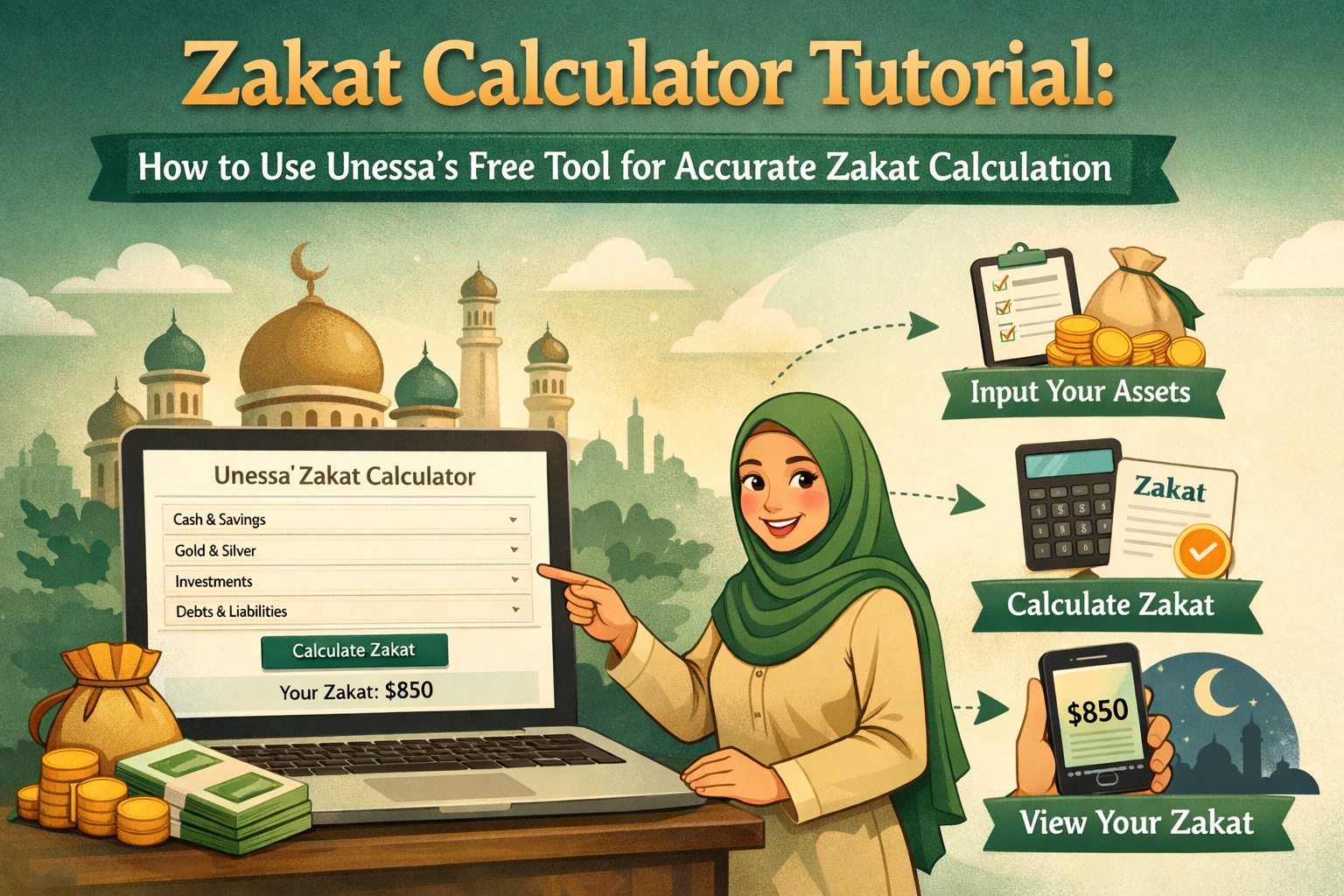
Many Muslims now use digital Zakat calculators aligned with specific schools.
Conclusion: Unity in Purpose, Diversity in Detail
Scholarly opinions on Zakat: Hanafi vs Maliki views show how Islamic law accommodates different contexts while preserving core principles.
Yes, differences exist:
- Jewelry rulings
- Debt calculations
- Agricultural scope
Yet both schools agree that Zakat:
- Is mandatory
- Purifies wealth
- Strengthens society
- Protects the poor
Rather than causing confusion, these scholarly discussions deepen understanding. When applied with sincerity and consistency, either approach fulfills the obligation properly.
In the end, Zakat is not about choosing the easiest calculation. It is about fulfilling a trust — responsibly, transparently, and with a sincere heart.
Short FAQs
1. What is the main difference between Hanafi and Maliki views on Zakat?
The main differences relate to technical rulings such as Zakat on jewelry, debts owed to you, and certain agricultural produce. However, both schools agree on the core obligation of Zakat.
2. Is Zakat required on gold jewelry according to the Hanafi school?
Yes. The Hanafi school requires Zakat on gold and silver jewelry if it reaches the Nisab, even if it is worn regularly.
3. Does the Maliki school require Zakat on personal jewelry?
Generally, no. The Maliki school exempts jewelry used for personal adornment unless it is excessive or intended for trade.
4. How do the two schools differ on Zakat for debts?
The Hanafi school requires annual Zakat on strong debts (likely to be repaid). The Maliki school typically requires Zakat only once the debt is actually received.
5. Which view should I follow?
You should follow the school of thought you normally adhere to and apply its rulings consistently. If unsure, consult a knowledgeable scholar for guidance.
6. Do these differences affect the Zakat rate?
No. Both schools agree that the standard Zakat rate on monetary wealth is 2.5% once Nisab and one lunar year conditions are met.