

Introduction: Why the History of Zakat Still Matters Today
Zakat is often discussed as a financial obligation, a percentage, or a yearly Zakat calculation. For readers new to the concept, understanding what Zakat is helps explain why it became such an important system in Islamic society.
Understanding the history of Zakat reveals something essential: this pillar of Islam was never designed as temporary relief or symbolic charity. From the earliest days of Islam, Zakat functioned as a moral, economic, and social institution—one that protected dignity, reduced inequality, and strengthened communities.
What Is Zakat? A Brief Historical Context
Before diving into timelines, it’s important to ground the discussion.
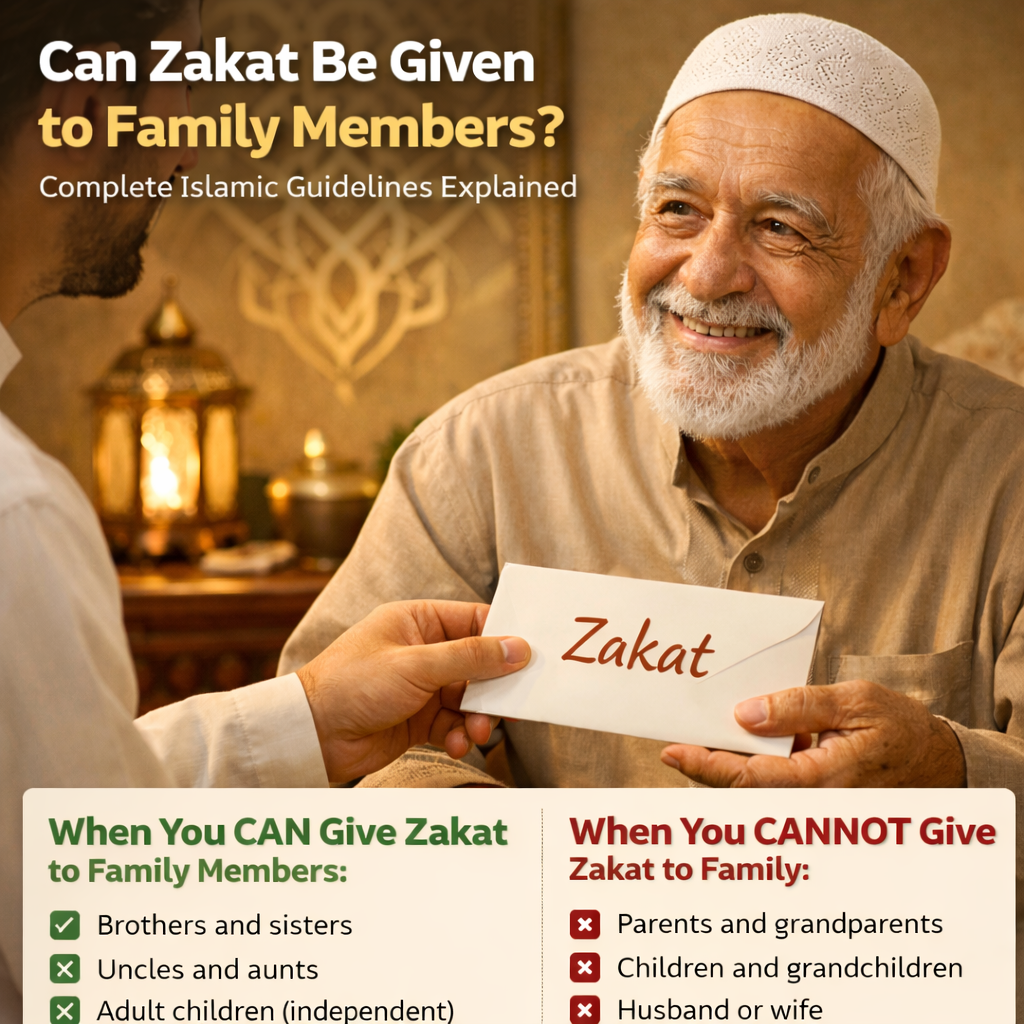
Zakat is a mandatory act of worship in Islam that requires eligible Muslims to give a fixed portion of their wealth to defined beneficiaries. Unlike voluntary charity, Zakat is a right of the poor over wealth, not a favor.
Historically, this distinction shaped how Muslim societies viewed:
Zakat Before Islam: A Shared Moral Foundation
Long before Islam, societies across the world recognized the moral value of supporting the poor.
Ancient civilizations and earlier religious traditions encouraged:
- Almsgiving
- Community support
- Care for widows, orphans, and travelers
What Islam Changed
Islam introduced three revolutionary ideas:
- Obligation over choice
- Clear rules over vague generosity
- Rights-based distribution over pity-based giving
This marked a turning point in human history—transforming charity into structured social justice.
The Establishment of Zakat During the Time of Prophet Muhammad (PBUH)
Zakat as Divine Legislation
The formal obligation of Zakat was established after the Hijrah (migration) to Madinah. Quranic verses defined:
- Who must pay Zakat
- Which forms of wealth are zakatable
- Who is eligible to receive it
The Quran also clearly explains the categories of Zakat recipients in Surah At-Tawbah (9:60).
Zakat was consistently mentioned alongside Salah (prayer), signaling its equal importance in Islamic life.
How Zakat Was Implemented Practically
Prophet Muhammad (PBUH) did not leave Zakat as a personal matter. He established systems.
Key practices included:
- Appointing trained Zakat collectors (Amil)
- Ensuring accurate assessment of wealth
- Preventing humiliation of recipients
Warning against hoarding or misuse
Zakat during this period supported:
- Poor households
- Orphans and widows
- New Muslims integrating into society
- Public welfare needs
The history of Zakat begins not with theory, but with organized action.
Zakat Under the Rightly Guided Caliphs (Khulafa-e-Rashideen)
After the passing of Prophet Muhammad (PBUH), Zakat became a test of communal faith and governance.
Abu Bakr (RA): Defending Zakat as a Pillar
Some tribes refused to continue paying Zakat, believing it was only owed to the Prophet personally.
Caliph Abu Bakr (RA) responded decisively:
“By Allah, I will fight those who differentiate between prayer and Zakat.”
This moment defined Zakat as:
- A permanent obligation
- A collective responsibilit
- A non-negotiable pillar of Islam
The history of Zakat shows that its survival depended on strong moral leadership.
Umar ibn Al-Khattab (RA): Administrative Expansion
Under Umar (RA), Zakat evolved into a state-managed institution.
Key developments included:
- Record-keeping and accountability
- Regional distribution systems
- Expansion across newly governed lands
Historical records suggest that in some regions:
- Zakat funds exceeded the number of recipients
- Poverty levels dropped significantly
This period demonstrated how systematic Zakat distribution can reshape societies.
The Era of Umar ibn Abdul Aziz (RA)
Often called the fifth rightly guided caliph, Umar ibn Abdul Aziz (RA) represents a high point in the history of Zakat.
Historical accounts report:
- Zakat collectors struggled to find eligible recipients
- Poverty levels declined dramatically
This was not due to excess wealth, but fair distribution and ethical governance.
Zakat in Medieval Islamic Societies
Throughout medieval Islamic history, Zakat remained deeply embedded in daily life.
Social Institutions Supported by Zakat
- Madrasas (schools)
- Hospitals (Bimaristans)
- Orphanages
Shelters for travelers
Scholars refined Zakat jurisprudence to address:
- Trade and commerce
- Agricultural production
- Gold, silver, and currency
Zakat functioned as both:
- An economic system
- A moral compass
Decline of Institutional Zakat During Colonial Rule
Colonial expansion across Muslim lands disrupted traditional systems.
Key Impacts
- Islamic governance structures weakened
- State-managed Zakat declined
- Zakat became individualized and informal
As a result:
- Social safety nets weakened
- Zakat lost its large-scale impact
- Poverty relief became fragmented
The history of Zakat during this period reflects loss of structure, not loss of relevance.
Zakat in the Modern Era: New Challenges, Old Principles
Today, Zakat exists in a vastly different world.
Modern Economic Challenges
- Salaries and bank accounts
- Digital assets and investments
- Urban poverty
- Global humanitarian crises
These realities demand new methods, not new principles.
Modern Revival of Zakat Systems
In recent decades, Zakat has seen renewed institutional focus through:
- Zakat foundations and trusts
- Online Zakat calculators
- Transparent reporting systems
- Global humanitarian initiatives
Some countries manage Zakat at a national level, while others rely on community organizations and foundations.
Despite modern tools, the core values remain unchanged.
Zakat Today: Faith, Ethics, and Global Responsibility
Modern Zakat supports:
Across the world, Zakat connects:
This continuity is what makes the history of Zakat so powerful—it adapts without losing its soul.
Key Lessons From the History of Zakat
Looking across centuries, several lessons stand out:
- Zakat is most effective when organized and transparent
- Collective systems outperform individual efforts
- Zakat reduces inequality without fostering dependency
- Faith-based ethics can drive sustainable social change
Zakat was never symbolic. It was designed to work.
Final Reflection: A Timeless System for Every Era
From the streets of Madinah to the digital age, Zakat has remained a pillar of Islamic life—quiet, powerful, and transformative.
The history of Zakat teaches us that true social justice does not begin with wealth, but with responsibility. When practiced sincerely and systematically, Zakat purifies wealth, strengthens communities, and restores balance.
It is not just a legacy of the past—it is a blueprint for the future.
FAQs: The History of Zakat (Quick Guide)
What is the origin of Zakat in Islam?
Zakat was established as a mandatory obligation during the time of Prophet Muhammad (PBUH) after the migration to Madinah. It is rooted in Quranic command.
Was Zakat practiced before Islam?
Yes, charity existed before Islam, but Islam transformed it into a structured, compulsory system with clear rules and recipients.
How was Zakat managed during Prophet Muhammad’s time?
Zakat was collected and distributed through appointed officials to ensure fairness, accuracy, and dignity for recipients.
When did Zakat reduce poverty significantly?
During the rule of Umar ibn Abdul Aziz (RA), Zakat was so effectively distributed that eligible recipients were hard to find.
Is Zakat still relevant today?
Yes. Modern Zakat supports education, healthcare, livelihoods, and disaster relief while preserving its original principles.