

Introduction: Why Tracking Your Zakat Payments Matters More Than You Think
Every year, millions of Muslims calculate and pay Zakat with sincere intention. Yet many overlook one critical step: tracking your Zakat payments properly.
At first glance, record-keeping may seem administrative. However, in reality, it protects you from miscalculations, double payments, and compliance issues—especially if you run a business.
As digital finance grows, managing charitable contributions has become easier. From spreadsheets to dedicated Zakat apps, multiple tools now simplify tracking your Zakat payments with clarity and transparency.
This guide explores why proper documentation matters, which tools work best, and how you can build a reliable system that supports both faith and financial accuracy. If you’re unsure about payment timing, read our complete guide on Zakat Payment Deadlines 2026.
Why Tracking Your Zakat Payments Is Essential
Many people focus solely on calculating and paying Zakat. But tracking your Zakat payments delivers long-term benefits that go beyond the transaction itself.
1. Ensures Annual Accuracy
Zakat is calculated yearly based on assets, liabilities, and savings. Without proper documentation:
- You may overpay unintentionally
- You might underpay due to forgotten records
- You may miscalculate inventory or receivables
Keeping detailed records eliminates guesswork.
2. Supports Better Financial Planning
When you practice tracking your Zakat payments consistently, you gain:
- Clear visibility of annual wealth growth
- Insights into savings patterns
- Better budgeting decisions
This financial awareness strengthens both personal planning and business forecasting.
3. Simplifies Corporate Compliance
For businesses, Corporate Zakat documentation is not optional.
Companies must maintain records for:
- Financial audits
- CSR reporting
- Shareholder transparency
- Governance documentation
Without systematic tracking your Zakat payments, compliance gaps may arise.
4. Provides Verifiable Proof of Payment
Digital receipts, transaction logs, and impact reports serve as proof. These records become essential when:
- Filing financial statements
- Responding to audit inquiries
- Reviewing previous calculations
Documentation builds accountability.
What Information Should You Record?
When tracking your Zakat payments, ensure you document:
- Date of payment
- Zakat amount
- Personal or Corporate Zakat category
- Beneficiary group (Asnaf)
- Payment method
- Receipt or transaction ID
- Calculation breakdown
Maintaining these details ensures year-to-year consistency.
Best Tools for Tracking Your Zakat Payments
There is no one-size-fits-all solution. Below are practical options depending on your comfort level and needs.
1. Spreadsheet Templates (Excel or Google Sheets)
For many individuals, spreadsheets remain the simplest method for tracking your Zakat payments.
How to Structure It:
Create columns for:
- Total assets
- Liabilities
- Net Zakatable amount
- Zakat calculation (2.5%)
- Payment confirmation
Advantages:
✔ Fully customizable
✔ Free to use
✔ Easy yearly comparison
Limitations:
✖ Manual updates required
✖ No automated reminders
Best suited for users comfortable managing financial data independently.
2. Personal Finance Management Apps
Budgeting apps allow categorization of charitable payments. While not designed exclusively for Zakat, they assist in tracking your Zakat payments as part of annual expenses.
Benefits:
✔ Automatic expense categorization
✔ Visual spending analysis
✔ Reminder notifications
Drawbacks:
✖ Limited Zakat-specific calculation tools
✖ No Asnaf tracking features
Ideal for individuals already managing finances digitally.
3. Dedicated Zakat Tracking Apps
Specialized Islamic finance platforms provide built-in systems for tracking your Zakat payments automatically.
These apps typically offer:
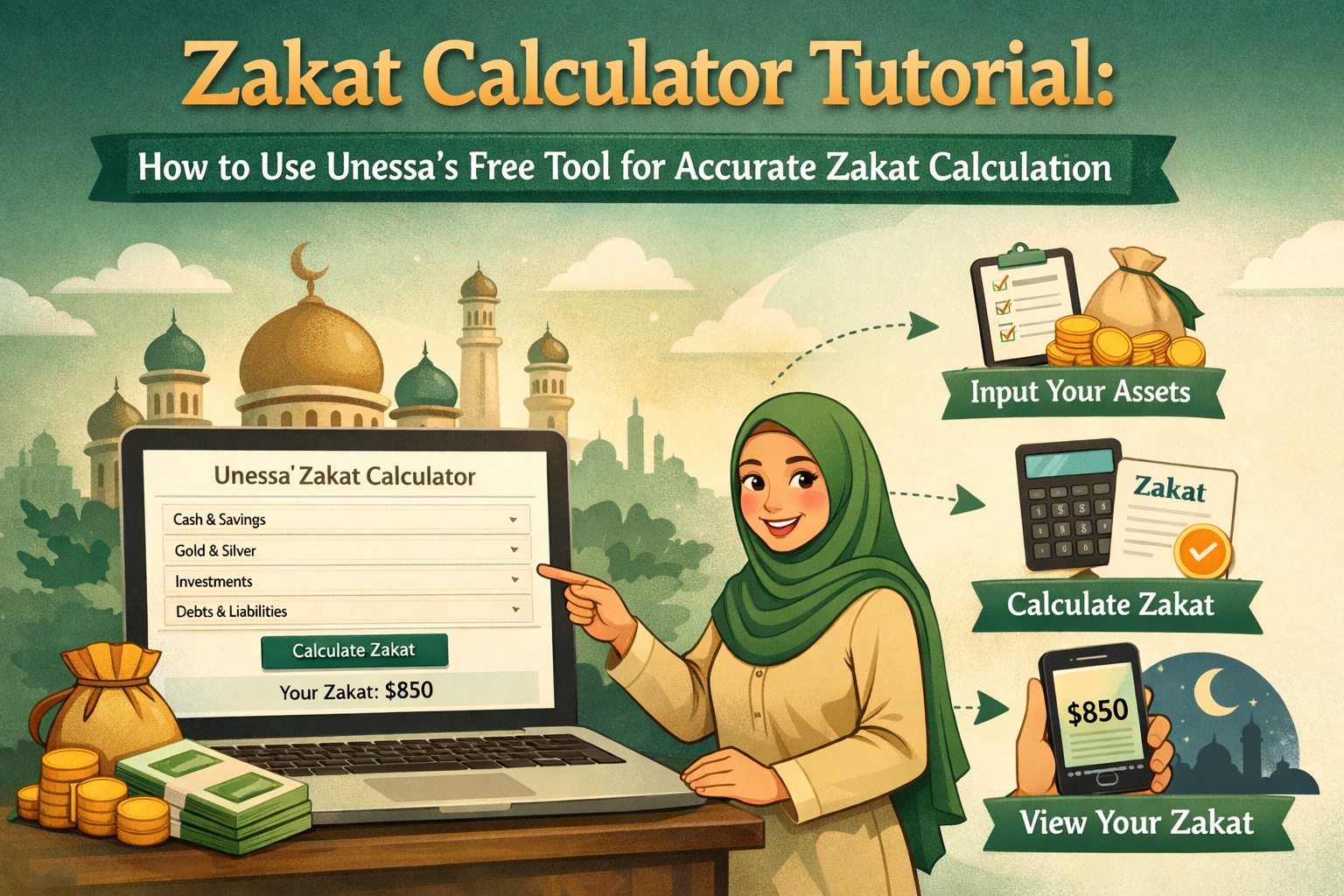
- Integrated Zakat calculators
- Donation history logs
- Downloadable receipts
- Annual summaries
- Corporate Zakat modules
- Impact reporting
Platforms like Unessa, for example, allow users to manage both personal and corporate records in a structured manner.
Advantages:
✔ Shariah-compliant calculations
✔ Automatic documentation
✔ Secure payment records
✔ Business-friendly reporting
Limitations:
✖ Requires account setup
✖ Some features may require registration
For users seeking professional record-keeping, this is often the most efficient approach.
4. NGO Donation Portals
any Islamic charities provide online dashboards where donors can:
- Access donation history
- Download receipts
- Review program updates
This method supports tracking your Zakat payments when donating consistently to one organization.
However, if you donate to multiple charities, centralized tracking may become challenging.
How Businesses Should Approach Tracking Corporate Zakat
Corporate Zakat involves higher financial complexity.
Businesses must track:
- Annual financial statements
- Working capital calculations
- Inventory valuations
- Receivables and payables
- Zakat computation worksheets
- Distribution documentation
A structured platform ensures compliance and audit readiness.
Case studies in Islamic finance institutions show that companies using digital documentation systems reduce reporting errors significantly compared to manual record-keeping.
For businesses, tracking your Zakat payments is a governance responsibility—not just a religious one.
Best Practices for Tracking Your Zakat Payments Effectively
Consistency is more important than complexity.
Follow these habits:
- Record transactions immediately after payment
- Store digital and backup copies
- Review records annually before recalculating
- Separate personal and corporate Zakat
- Schedule reminders before Ramadan
Small, consistent actions prevent future confusion.
Common Mistakes to Avoid
Relying on Memory
Annual obligations are easy to forget.
Ignoring Liabilities
Always update debts and expenses before calculating.
Losing Receipts
Download confirmations immediately.
Mixing Accounts
Keep personal and business Zakat separate.
Avoiding these mistakes simplifies tracking your Zakat payments long term.
Digital Security Tips for Zakat Record-Keeping
When using digital platforms:
- Enable two-factor authentication
- Use strong passwords
- Avoid public Wi-Fi during payments
- Choose encrypted payment gateways
- Back up records securely
Protecting financial data is part of responsible giving
Current Trends in Digital Zakat Tracking
Islamic fintech continues evolving.
Emerging trends include:
- AI-assisted Zakat calculations
- Blockchain-based transaction transparency
- Multi-currency support
- Cloud-based documentation storage
- Corporate dashboard integration
As digital ecosystems expand, tracking your Zakat payments will become even more streamlined and secure.
According to the official guidelines published by Bank Negara Malaysia, proper documentation supports financial transparency in Islamic charitable obligations. Similarly, guidance from AAOIFI (Accounting and Auditing Organization for Islamic Financial Institutions) emphasizes structured compliance in Islamic finance reporting.
Conclusion: Organized Giving Reflects Responsible Faith
Tracking your Zakat payments is not a bureaucratic step—it is a form of accountability.
For individuals, it prevents miscalculations and confusion.
For businesses, it strengthens compliance and governance.
Whether you prefer spreadsheets, budgeting apps, or structured Zakat platforms, the goal remains the same: clarity and consistency.
With digital tools widely available, tracking your Zakat payments has never been easier. Build a reliable system today so that each year’s obligation is fulfilled with confidence, accuracy, and peace of mind.
FAQs
Is tracking your Zakat payments mandatory?
It is not compulsory but strongly recommended for accuracy and accountability.
Can I use Excel for tracking Zakat payments?
Yes. Spreadsheets are simple and effective for manual tracking.
Are Zakat tracking apps secure?
Reputable apps use encrypted systems, but always verify security features.
Should businesses track Zakat separately from personal payments?
Yes. Corporate Zakat must be documented independently.
How long should I keep Zakat records?
Keeping at least 3–5 years of documentation is advisable for reference and audits.