

Why Zakat Mistakes Are More Common Today
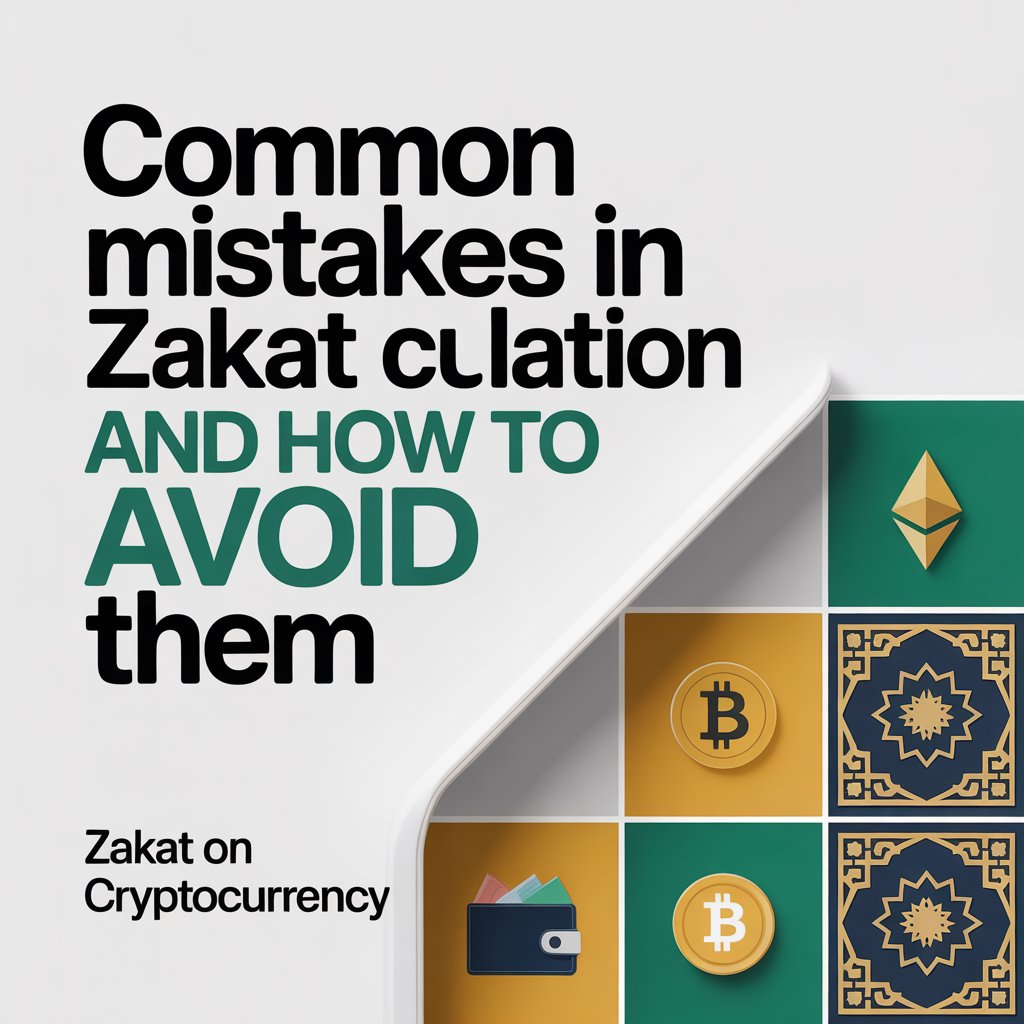
Zakat on cryptocurrency has become a critical topic in Islamic finance as modern forms of wealth continue to evolve. Zakat is one of the five pillars of Islam, a divine mechanism designed to purify wealth and maintain social equilibrium. However, in 2026, the path to fulfilling this obligation has become increasingly complex. While the spiritual essence of Zakat remains unchanged, the forms of wealth we hold have undergone a digital revolution.
Many Muslims today find themselves unintentionally making errors in their calculations. These mistakes rarely stem from a lack of sincerity; rather, they are the result of “financial friction”—the gap between traditional Fiqh (jurisprudence) and modern financial products. From diversified stock portfolios and retirement accounts to decentralized finance (DeFi) and volatile cryptocurrencies, the definition of “liquid wealth” has blurred.
Understanding these common pitfalls is not merely a technical exercise; it is an act of responsibility. Zakat is not a voluntary donation or symbolic charity—it is a specific right (haqq) owed to the poor. To miscalculate is to inadvertently withhold what belongs to another.
Mistake 1: Confusing Zakat With Sadaqah
The most fundamental error is the blurring of lines between obligatory Zakat and voluntary Sadaqah. In a world where we are constantly prompted to donate via apps or social media, many believe that frequent small donations throughout the year satisfy their Zakat requirement.
Why They Are Different
Sadaqah is an elective expression of faith. It can be given to anyone, at any time, in any amount.
Zakat is a systematic form of social justice. It is strictly regulated by four pillars: It is obligatory, calculated (usually 2.5%), time-bound (due after one lunar year), and restricted to eight specific categories of recipients defined in the Quran.
How to avoid this: Treat your Zakat as a “wealth tax” for the soul. Set a specific date on the Hijri calendar to calculate your net assets. Once that obligation is met and documented, continue your Sadaqah freely. Remember: You cannot “offset” your Zakat by pointing to the various charities you supported during Ramadan if those funds weren’t specifically intended and calculated as Zakat.
👉 Know about the Difference between Zakat & Sadaqah
Mistake 2: Incorrect Nisab Calculation
Nisab is the minimum threshold of wealth a person must possess before Zakat becomes mandatory. The most common error here is using a “static” figure.
In 2026, market volatility means that the price of gold and silver—the two standards for Nisab—can fluctuate significantly within a single month. Using a value you heard in a sermon three years ago is a recipe for inaccuracy.
Gold vs. Silver Standards
The Nisab is equivalent to 87.48 grams of gold or 612.36 grams of silver.
The Dilemma: In the modern economy, the silver Nisab is much lower than the gold Nisab.
The Recommendation: Many contemporary scholars suggest using the silver standard because it sets a lower threshold, allowing more people to contribute to the social safety net and benefiting a larger number of recipients.
How to avoid this: Check the live spot price of gold or silver on your Zakat anniversary date. Use a reliable digital Zakat calculator that pulls real-time market data to ensure you aren’t falling below the threshold due to outdated information.
👉 To know more about Zakat on gold follow the guide : Zakat on Gold and Jwellery
Mistake 3: Deducting Personal Expenses Improperly
A growing trend in Zakat calculation is the “over-deduction” of liabilities. Many people mistakenly subtract their entire monthly lifestyle cost from their Zakatable total.
What is Truly Deductible?
You may only deduct immediate debts—debts that are due right now or within the upcoming lunar year.
Deductible: An overdue utility bill, the specific portion of a personal loan installment due this month, or money borrowed from a friend that is currently repayable.
Non-Deductible: Your total mortgage balance (only the immediate installment is deductible), projected grocery costs for next month, or “saving up” for a luxury vacation.
Zakat is calculated on the wealth you have, not the wealth you plan to spend on yourself. Subtracting future lifestyle costs artificially lowers your Zakat, depriving the rightful recipients of their share.
Mistake 4: Ignoring Non-Cash Assets
If you only look at your checking account, you are likely missing a significant portion of your Zakatable wealth. In the 2020s, wealth is often “parked” in non-cash vehicles.
The Hidden Assets
Investment Stocks: If you hold stocks for trading, Zakat is due on the full market value. If held for long-term dividends, the zakat calculation is more nuanced (often 2.5% of the company’s underlying Zakatable assets).
1. Business Inventory: If you own a shop or an e-commerce business, Zakat is due on the wholesale value of your stock, not just the cash in the register.
2. Investment Stocks: If you hold stocks for trading, Zakat is due on the full market value. If held for long-term dividends, the zakat calculation is more nuanced (often 2.5% of the company’s underlying Zakatable assets).
3.Real Estate: While your primary residence is exempt, any property held for resale is treated as business inventory and is fully Zakatable at its current market value.
Asset Type
Zakat Applicable?
Calculation Basis
Cash (Bank & Home)
Yes
100% of the balance.
Gold & Silver
Yes
Current market value (even if used as jewelry in some schools).
Business Stock
Yes
Wholesale/Current market value.
Stocks/Shares
Yes
Market value (if trading); % of assets (if long-term).
Pensions/401k
Yes
Usually on the accessible amount after tax/penalties.
Cryptocurrency
Yes
Current market value in USD/Local currency.
Receivables
Yes
Money owed to you that you are confident will be repaid.
Zakat on Cryptocurrency: Modern Rulings for 2026
Most errors related to zakat on cryptocurrency occur due to misunderstanding nisab thresholds and market volatility. Cryptocurrency has moved from the fringes to the mainstream, yet it remains the “wild west” of Zakat calculation. Because crypto did not exist during the time of the Prophet (PBUH) or the early jurists, contemporary scholars have had to apply Qiyas (analogical reasoning) to determine its status.
The 2026 Consensus
The majority of global Fatwa councils now classify cryptocurrency as Mal (property/wealth) because it has market value, is capable of being owned, and is transferable. Therefore, it is subject to Zakat.
Specific Scenarios for Crypto Users
1.HODLing (Long-term Investment)
If you are holding Bitcoin, Ethereum, or Altcoins as a store of value, you must pay 2.5% on the total market value of your portfolio on your Zakat due date.
2. Day Trading:
If you actively trade, your crypto is viewed as “business goods.” You calculate the total value of your trading wallet at the end of your Zakat year.
3. Staking and Liquidity Providing :
For those earning rewards through Proof of Stake (PoS) or providing liquidity to DEXs (Decentralized Exchanges), Zakat is due on both the principal and the accrued rewards.
4. NFTs (Non-Fungible Tokens):
If you bought an NFT for personal enjoyment (like digital art for a profile picture), it is generally exempt. However, if you bought it to “flip” for profit, it is treated as business inventory and is Zakatable based on its current floor price.
Mistake 5: Paying Zakat at Random Times
Zakat is not a “once a year when I feel like it” obligation. It is tied to a Hawl—a full lunar year of possession. Many people wait until the last ten nights of Ramadan to pay. While the rewards for giving in Ramadan are immense, your Zakat may actually be due in Rajab or Muharram.
How to avoid this: 1. Identify the date your wealth first crossed the Nisab threshold. This is your “Zakat Anniversary.” 2. Mark it on your calendar. 3. Even if you choose to pre-pay during Ramadan, ensure you are calculating based on your actual anniversary to avoid falling short on the 12-month requirement.
Mistake 6: Giving Zakat to Ineligible Recipients
Giving to those we love is natural, but Zakat has legal boundaries. You cannot give Zakat to those you are already Islamically responsible for maintaining.
Who Cannot Receive Your Zakat:
Ascendants: Parents, grandparents, great-grandparents.
Descendants: Children, grandchildren.
Spouse: A husband cannot give Zakat to his wife (as he must provide for her). In some schools, a wife may give to her husband if he is poor, but the reverse is strictly prohibited.
The Solution: Use Zakat for extended family (siblings, cousins, aunts/uncles) who are in need. This actually doubles your reward—one for charity and one for maintaining family ties.
👉 Know about Who can recieves Zakat
Frequently Asked Questions (FAQs)
Is Zakat compulsory on cryptocurrency?
Yes. The majority of contemporary scholars consider cryptocurrency Zakatable if it has value and ownership.
Can I delay Zakat if crypto prices are falling?
No. Zakat is due based on value on the due date, not market emotions.
Do I pay Zakat on cryptocurrency profits only?
No. Zakat applies to the entire market value, not just profit.
What if I lost access to my wallet?
Zakat is not due until access is restored.
Can crypto losses cancel Zakat?
Losses reduce net wealth but do not cancel obligation if Nisab is met.
Conclusion: Accuracy Is an Act of Worship
In the digital age, our financial lives move at the speed of light, but the principles of Zakat remain a steady anchor. Calculating zakat on cryptocurrency is not about being a rigid accountant; it is about honoring the trust (Amanah) Allah has placed in our hands and fulfilling a right owed to others.
Whether you hold physical gold or manage a digital wallet of assets like Solana, the objective remains unchanged: ensuring wealth reaches those who need it most. By understanding modern rulings and correctly paying zakat on cryptocurrency, this financial obligation transforms into a sincere act of worship—one that purifies wealth, protects the community, and brings spiritual peace.