
Introduction
Who receives Zakat? This is one of the most common questions Muslims ask when fulfilling their charitable obligation.
“Who exactly receives Zakat?”
Zakat is not simply a general donation. It is a structured system of wealth redistribution defined in Islam. To understand its foundation, read our guide on What is Zakat and Why It Is Important.
It is a structured system of wealth redistribution defined in the Quran, ensuring that charity reaches those who genuinely need support.
Every year, billions of dollars in Zakat funds help people across the world by providing:
- food assistance
- education support
- medical care
- disaster relief
- economic empowerment
Yet the recipients of Zakat are not randomly chosen.
The Quran states:
👉Islam clearly defines eight specific categories of people who qualify for Zakat,ensuring fairness and accountability.
The Quran states:
“Zakat expenditures are only for the poor, the needy, those employed to collect it, those whose hearts are to be reconciled, freeing captives, those in debt, in the cause of Allah, and for travelers.”
— Quran (9:60)
In this comprehensive guide, we will explore:
- The eight categories of Zakat recipients
- Real-world examples of Zakat beneficiaries
- How modern charities distribute Zakat
- The global impact of Zakat programs
By the end of this guide, you will clearly understand who receives Zakat and how it transforms lives. Understanding who receives Zakat helps ensure that charity reaches the people Islam intended to support.
The 8 Categories of Zakat Recipients
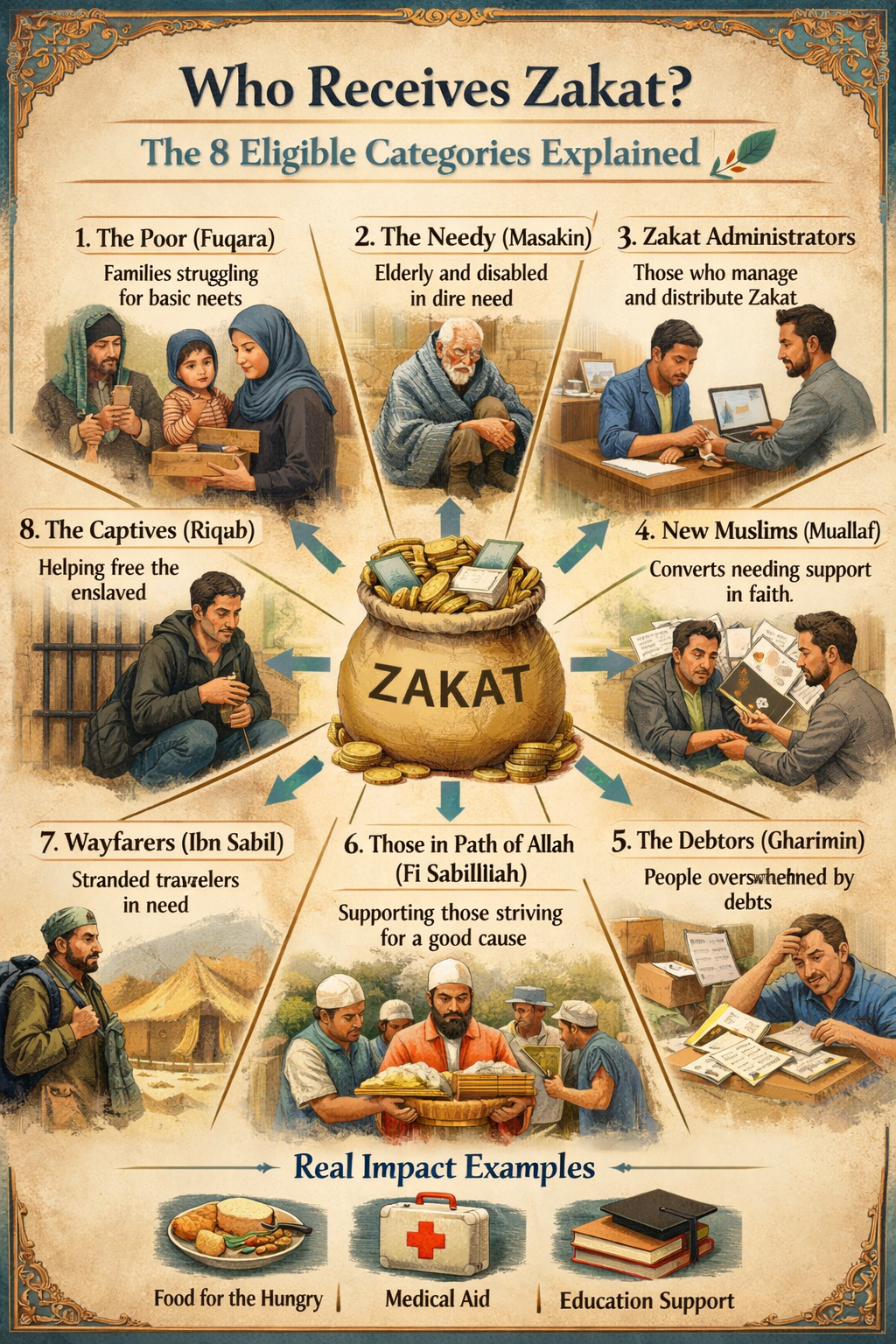
Islam specifies eight eligible groups for Zakat distribution.
These categories ensure that charity addresses poverty, hardship, and social welfare. To fully understand who receives Zakat, we must examine the eight categories mentioned in the Quran.
1. The Poor (Al-Fuqara)
The first category of Zakat recipients is the poor.
These are individuals who lack sufficient income to meet their basic needs.
Examples include people who struggle to afford:
- food
- housing
- clothing
- healthcare
Many global poverty relief programs funded by Zakat focus on providing food security for vulnerable communities.
For example, food distribution programs funded by Zakat often support families experiencing chronic hunger.
These initiatives play a major role in addressing food insecurity in developing regions.
2. The Needy (Al-Masakin)
The needy are individuals whose income exists but remains insufficient for basic living standards.
Unlike the poor, they may have employment but still struggle financially.
For example:
A worker earning minimum wage may still be unable to cover:
- rent
- education costs
- medical expenses
Zakat helps bridge this financial gap and restore dignity.
Many humanitarian programs funded by Zakat provide direct financial assistance to struggling households.
👉Know about Zakat on Education
3. Zakat Administrators
Another eligible group includes those responsible for collecting and distributing Zakat funds.
These administrators ensure that Zakat is:
- collected ethically
- distributed fairly
- monitored transparently
Modern charities often allocate a small portion of Zakat funds to operational expenses necessary for managing distribution programs.
Transparency reports help donors understand how funds are managed and ensure accountability.
Organizations like Unessa regularly publish Zakat transparency reports to demonstrate responsible fund allocation.
4. Those Whose Hearts Are to Be Reconciled
This category refers to individuals whose hearts may be strengthened toward Islam.
Historically, Zakat supported people who:
- were new to Islam
- needed community support
- required assistance integrating into society
While interpretations vary among scholars today, the core idea remains:
Zakat can strengthen social harmony and support vulnerable communities.
5. Freeing Those in Bondage
This category historically referred to freeing slaves or captives.
In modern contexts, scholars often interpret this category to include efforts that support:
- victims of human trafficking
- refugees
- individuals trapped in exploitative conditions
Humanitarian organizations sometimes allocate Zakat funds to support programs that protect vulnerable populations and restore freedom.
6. Those in Debt
Debt can place individuals in severe hardship.
Islam recognizes this reality and allows Zakat to support individuals overwhelmed by legitimate debt.
For example, Zakat may assist someone who incurred debt due to:
- medical emergencies
- family crises
- unexpected financial disasters
Debt relief programs funded by Zakat provide critical support for families struggling to rebuild financial stability.
7. In the Cause of Allah (Fi Sabilillah)
This category has historically been interpreted in several ways.
Many scholars understand it as supporting activities that benefit the Muslim community and society.
Examples may include:
- education initiatives
- humanitarian programs
- community development projects
For example, Zakat-funded initiatives often support education programs for orphans and vulnerable children.
These programs help break cycles of poverty and create long-term opportunities.
8. Stranded Travelers (Ibn al-Sabil)
The final category includes travelers who become stranded or unable to return home due to financial hardship.
Historically, this included travelers whose funds were lost or stolen.
In modern contexts, this category may extend to people displaced by:
- conflict
- migration crises
- natural disasters
Humanitarian relief programs funded by Zakat frequently provide emergency assistance to individuals in such circumstances.
For example, Zakat funds are often used for disaster relief operations following earthquakes, floods, or conflicts.
Real Impact: How Zakat Transforms Lives
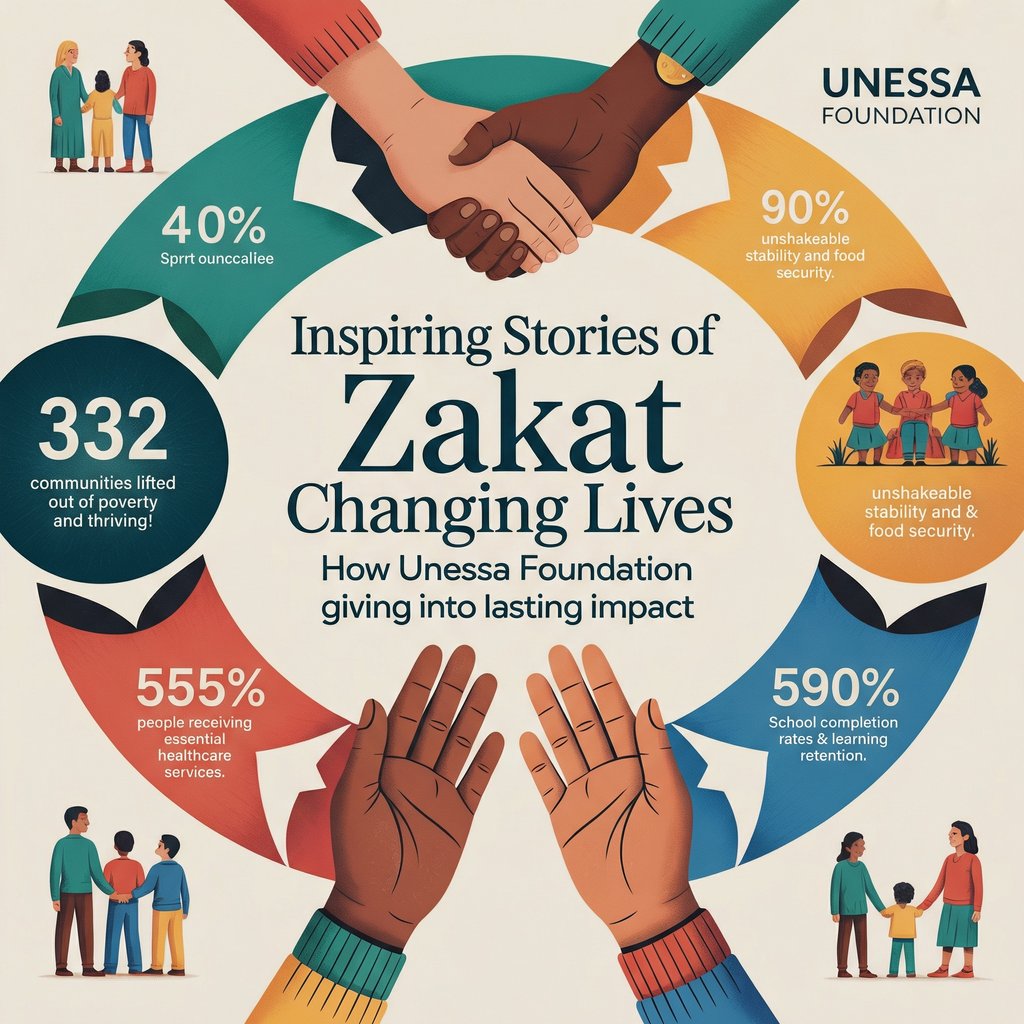
The power of Zakat becomes most visible when we see its real-world impact.
Around the world, Zakat-funded initiatives support projects such as:
Clean water systems in underserved communities
Educational programs for orphaned children
Vocational training for women
Emergency disaster relief
Food security programs
For instance, clean water initiatives funded by Zakat have helped provide safe drinking water to villages in Africa, dramatically improving public health.
Similarly, vocational training programs funded by Zakat help empower women with economic independence.
👉Click here to know about Zakat for Orphans
Measuring the Impact of Zakat
Transparency and accountability are essential in modern charitable systems.
Many organizations now measure Zakat impact through:
Impact assessments
Beneficiary reports
Transparency dashboards
Independent audits
These reports help donors understand exactly how their Zakat contributions change lives.
When charities share detailed impact data, donors gain confidence that their Zakat reaches those who truly qualify.
Personal Stories of Zakat Beneficiaries
Behind every Zakat program are real human stories.
Consider the story of Amina, a widow with three children.
After losing her husband, she struggled to afford food and school supplies.
Through a Zakat-funded education program, her children received:
School tuition
Books and uniforms
Daily meals
Years later, her eldest son is studying engineering.
Stories like these remind us that Zakat is not simply financial support — it is a pathway to dignity and opportunity.
Conclusion
Understanding who receives Zakat is essential for fulfilling this pillar of Islam responsibly.
The Quran defines eight categories of eligible recipients, ensuring that charity supports those facing genuine hardship. Now that you understand who receives Zakat, you can ensure your charity reaches the right people.
These categories include:
- the poor
- the needy
- Zakat administrators
- those whose hearts are to be reconciled
- those seeking freedom from bondage
- people overwhelmed by debt
- causes that benefit society
- stranded travelers
Through these structured guidelines, Zakat becomes more than charity.
It becomes a powerful system of compassion, justice, and social transformation.
Every Zakat contribution helps provide:
Food for the hungry
Education for children
Relief for disaster victims
Opportunity for struggling families
And perhaps that is the greatest lesson of Zakat.
A small portion of wealth can create a lifetime of hope for someone else.
Additional Resources
Recommended books
Helpful tools
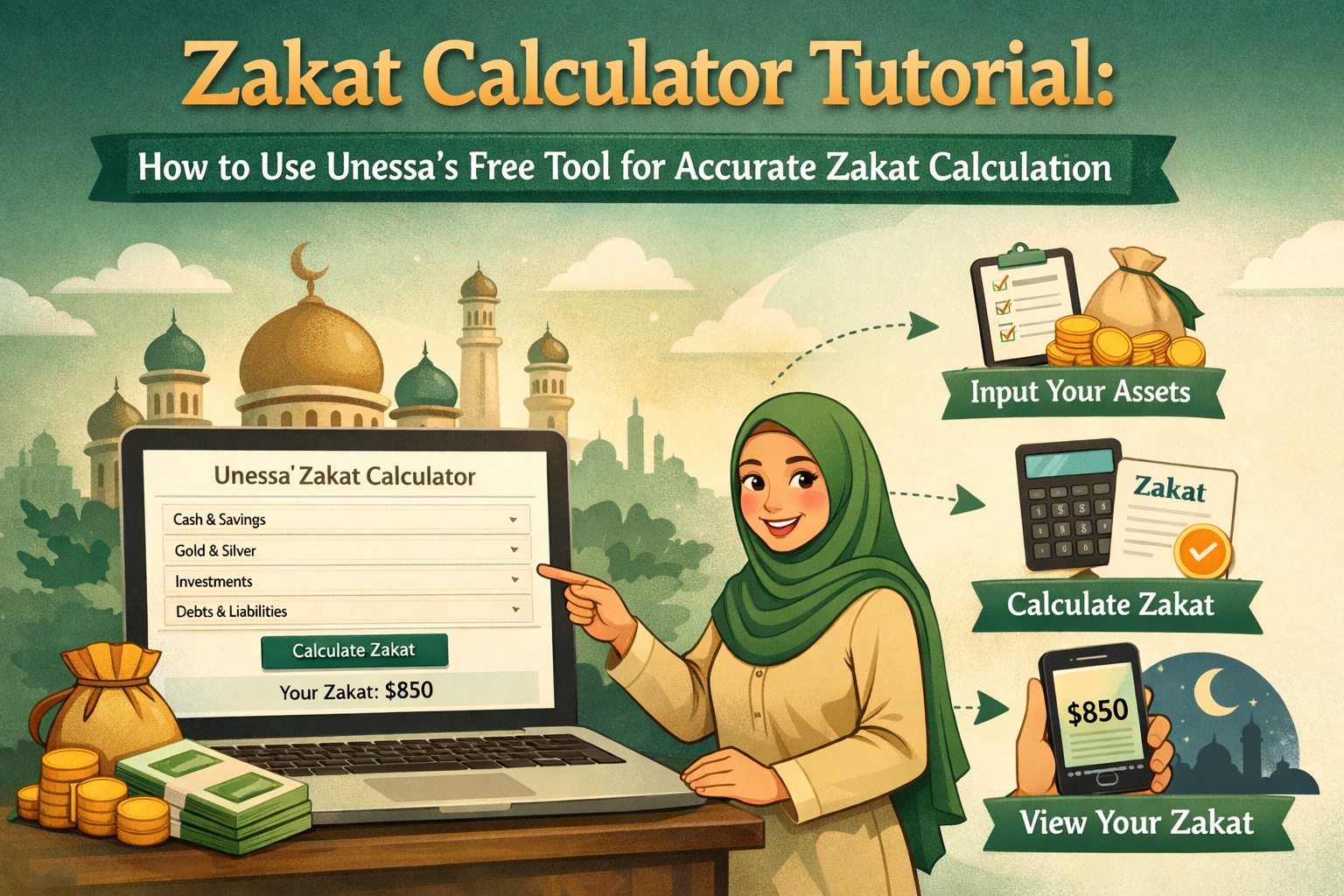
- Zakat calculators
- Charity transparency platforms
- Islamic finance resources
Communities
- local mosques
- humanitarian charities
- Zakat distribution organizations