


Zakat on Real Estate and Rental Income: A Complete Islamic Guide for Property Owners

Owning property is often seen as a sign of stability and long-term security. In Islam, however, wealth is never just about ownership — it carries responsibility. Zakat on real estate and rental income is one of the most commonly misunderstood areas of Islamic finance, especially in today’s world of investment properties, rental portfolios, and real-estate trading. Understanding Zakat on Real Estate and Rental Income is essential for Muslim property owners who manage rental properties or real estate investments. Understanding Zakat calculation
Many Muslims ask:
- Do I pay Zakat on my house?
- Is Zakat due on rental income?
- What if I plan to sell the property later?
- How does nisab apply to real estate?
This guide answers these questions clearly, practically, and in line with established Islamic principles — without jargon or confusion.
Understanding Zakat in the Context of Property Ownership
Zakat is not a general tax on everything you own. Instead, it applies to specific types of wealth that meet certain conditions:
- Ownership
- Growth or income-generating potential
- Reaching the nisab threshold
- Completion of one lunar year (hawl)
When it comes to property, intention plays a decisive role. Two identical houses can have completely different Zakat rulings based solely on why they were purchased.
Zakat on Personal Use Property
Is Zakat Due on Your Own Home?
If you own a house or apartment that you live in, no Zakat is due on its value.
This includes:
- Your primary residence
- A holiday home used personally
- A property occupied by immediate family without rent
Islam does not impose Zakat on assets meant for basic living needs. Your home, like your clothes or personal vehicle, is considered a necessity — not wealth meant for growth.
Key takeaway:
👉 Personal-use real estate is Zakat-exempt, regardless of its market value.
Zakat on Rental Properties
Rental properties are where most confusion begins.Many investors overlook the rules of Zakat on Real Estate and Rental Income, which can lead to incorrect calculations.
Do You Pay Zakat on the Value of a Rental Property?
No. If a property is owned solely for rental income, Zakat is not payable on the market value of the property itself.
This ruling applies whether you own:
- One rental apartment
- Multiple residential units
- Commercial rental property (shops, offices, warehouses)
The building is treated as a fixed asset, not trade inventory.
Zakat on Rental Income
While the property itself is exempt, Zakat is payable on rental income — under specific conditions. How to pay zakat online safely
Zakat applies when:
- Rent has been received
- Necessary expenses are deducted (maintenance, repairs, taxes)
- The remaining amount is saved and reaches nisab
One lunar year passes on the saved amount
Zakat rate: 2.5%
Practical Example:
If you earn ₹600,000 annually in rent:
- Expenses: ₹200,000
- Net savings: ₹400,000
If ₹400,000 remains saved for a lunar year and exceeds nisab, Zakat due is:
₹10,000 (2.5%)
Zakat on Real Estate Bought for Resale
This is where the ruling changes significantly.
If property is purchased with the intention of selling for profit, it is considered trade inventory (urūḍ al-tijārah).
When Is Property Considered a Trading Asset?
Zakat applies if:
- The intention at purchase was resale
- The property is part of a real estate business
- You actively buy, sell, or flip properties
In such cases, Zakat is payable on the full market value, not just profit.
How to Calculate Zakat on Property for Sale
- Assess the current market value at Zakat due date
- If it reaches nisab and one lunar year has passed
Pay 2.5% of the market value
Example:
A plot bought for resale is currently valued at ₹5,000,000.
Zakat due:
₹125,000
Even if the property has not yet been sold, Zakat remains obligatory.
Mixed Intention Properties: What If Intention Changes?
Real-world situations are rarely black and white.
Scenario 1: Rental Property Later Put Up for Sale
- Zakat on rental income only until intention changes
- Once intention shifts to resale, Zakat applies to market value from that point onward
Scenario 2: Undecided Ownership
If no clear intention to sell exists:
- Property is treated as a rental asset
- Zakat applies only to rental income
Islamic principle:
Zakat rulings follow dominant intention, not future possibilities.
The Role of Nisab in Real Estate Zakat
Nisab is the minimum threshold of wealth that makes Zakat obligatory.
- Based on gold or silver value
- Calculated annually
- Applies to cash, savings, rental income, and trade assets
Rental income or resale property value must exceed nisab to trigger Zakat.
Common Mistakes in Zakat on Real Estate
Many sincere Muslims unintentionally miscalculate Zakat. Here are frequent errors to avoid:
- Paying Zakat on the value of a personal home
- Ignoring rental income altogether
- Paying Zakat only on profit from resale property
- Forgetting to reassess market value annually
- Mixing personal intention with business treatment
Accurate Zakat calculation protects both your wealth and your accountability.
Why Correct Zakat on Property Matters
Zakat is not merely a financial obligation — it is a moral and social commitment.
Proper Zakat on real estate and rental income:
- Purifies long-term wealth
- Prevents hoarding of assets
- Supports the poor, orphans, and debt-burdened
- Circulates wealth within the community
In societies where property ownership concentrates wealth, Zakat plays a vital balancing role.
Final Thoughts
Correctly calculating Zakat on Real Estate and Rental Income ensures that property wealth remains purified according to Islamic principles. Understanding Zakat on real estate and rental income begins with a simple but powerful question: Why do I own this property?
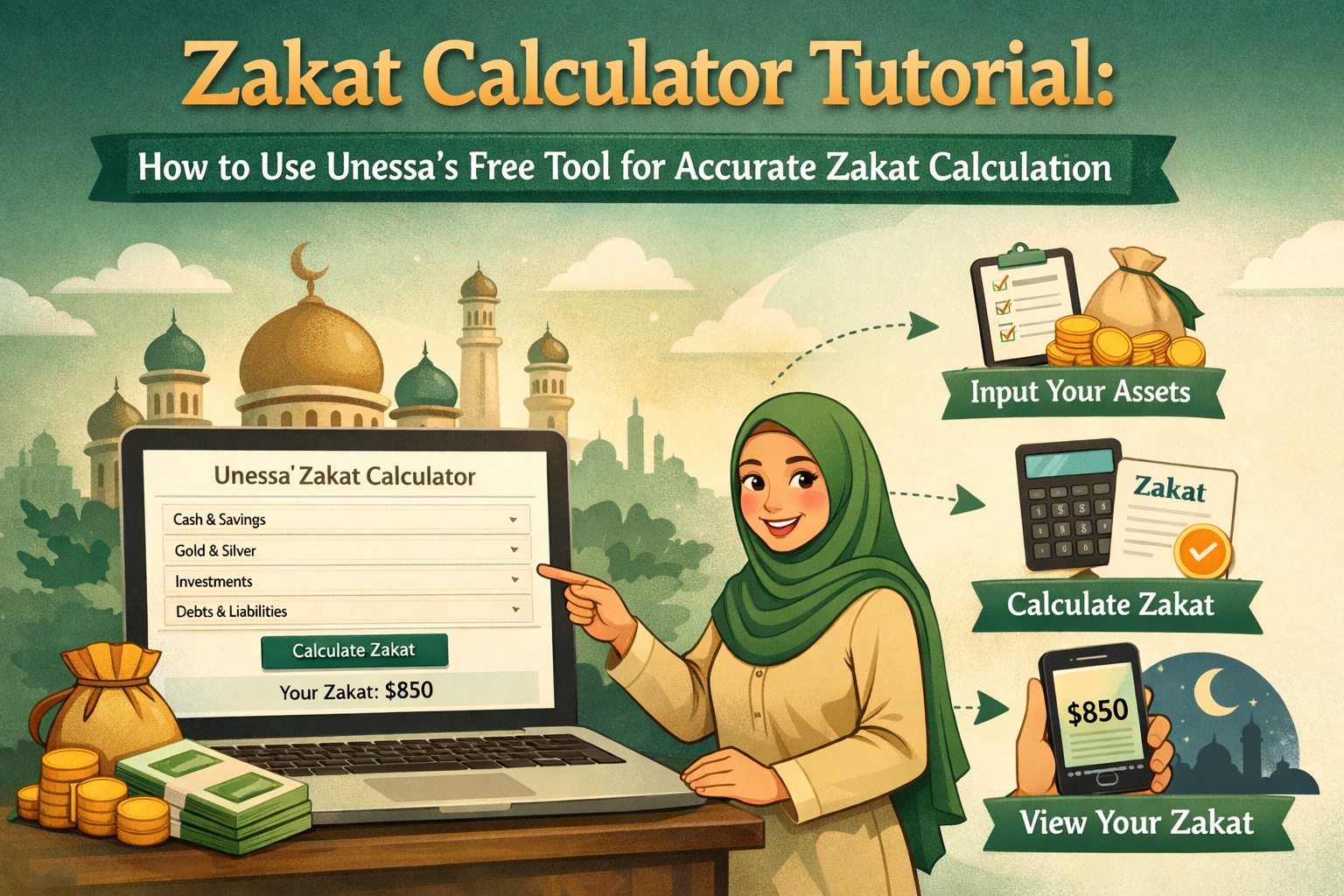
Islamic guidance is practical, fair, and deeply rooted in intention. When Zakat is calculated correctly using tools like a Zakat calculator tutorial, property ownership becomes not just a source of income.
If you are ever unsure, consulting a knowledgeable scholar or Zakat foundation ensures your obligation is fulfilled with confidence and clarity.
Frequently Asked Questions (FAQs)
These frequently asked questions help clarify common doubts about Zakat on Real Estate and Rental Income.
Is Zakat payable on my personal house?
No. Zakat is not due on a house used for personal living, regardless of its value.
Do I need to pay Zakat on the value of a rental property?
No. Zakat is not payable on the market value of rental properties. It applies only to rental income.
How is Zakat calculated on rental income?
Zakat is paid at 2.5% on the saved rental income after deducting necessary expenses, once it reaches the nisab and a lunar year passes.
Is Zakat due on property bought for resale?
Yes. If a property is purchased with the intention of resale, Zakat is due on its current market value at 2.5%.
What if I change my intention from renting to selling?
Zakat applies to rental income until the intention changes. After that, Zakat becomes due on the property’s market value.
Do I have to pay Zakat if the property is not sold yet?
Yes. For resale properties, Zakat is due annually on the market value, even if the property has not been sold.