

Introduction
For many Muslims, Zakat is both a spiritual duty and a complex financial obligation.
While the basic rule may seem simple—give 2.5% of your eligible wealth annually—real-life situations often raise important questions (Zakat FAQs).
What if you live in a non-Muslim country?
Can Zakat be given to family members?
Is Zakat required for children?
What happens if you forget to pay Zakat?
These are just a few of the questions Muslims frequently ask scholars and community leaders.
A famous saying among Islamic scholars highlights the importance of understanding Zakat correctly:
“Worship without knowledge can lead to mistakes, but knowledge guides worship toward acceptance.”
This guide compiles the most common Zakat FAQs, providing clear and practical answers grounded in Islamic teachings.
Whether you are a lifelong Muslim or a new convert learning about Zakat so they have they have need Zakat FAQs, this resource will help you understand the rules with confidence.
Zakat FAQs
1. Is Zakat Obligatory on Children?
In most Islamic schools of thought, Zakat is not obligatory on children themselves, since they are not religiously accountable yet.
However, if a child possesses wealth—such as inheritance or savings—many scholars believe the guardian should pay Zakat on the child’s behalf.
This ensures that the child’s wealth remains purified according to Islamic principles.
2. Can Zakat Be Given to Family Members?
Yes, in many cases Zakat can be given to relatives, provided they qualify as eligible recipients.
Examples include:
- poor siblings
- struggling cousins
- financially vulnerable extended family members
However, Zakat cannot be given to individuals whom you are financially responsible for, such as:
- parents
- children
- spouse
Giving Zakat to eligible relatives is often encouraged because it combines charity with strengthening family ties.
👉Click here to get a complete and easy-to-understand guide zakat rules explained
3. What Is the Difference Between Zakat al-Mal and Zakat al-Fitr?
These are two different types of charitable obligations.
Zakat al-Mal
The standard Zakat paid annually on wealth.
Examples include:
- savings
- investments
- gold
- business assets
Zakat al-Fitr
A special charity given before the Eid prayer at the end of Ramadan.
It ensures that everyone in the community can celebrate Eid with dignity.
4. What Happens If You Miss Paying Zakat?
Missing Zakat does not cancel the obligation.
If someone realizes they failed to pay Zakat in a previous year, they must calculate the owed amount and pay it as soon as possible.
Scholars often advise keeping careful records to ensure Zakat obligations are not forgotten.
Making up missed Zakat payments demonstrates sincerity and commitment to fulfilling Islamic responsibilities.
5. Can Zakat Be Given in Non-Muslim Countries?
Yes.
Many Muslims live in countries where Islamic institutions are limited.
In such cases, Zakat may be distributed through:
- international charities
- humanitarian organizations
- local community initiatives
Living in a non-Muslim country does not remove the obligation of Zakat; it simply requires thoughtful planning to ensure proper distribution.
5. Can Zakat Be Given in Non-Muslim Countries?
Yes.
Many Muslims live in countries where Islamic institutions are limited.
In such cases, Zakat may be distributed through:
- international charities
- humanitarian organizations
- local community initiatives
Living in a non-Muslim country does not remove the obligation of Zakat; it simply requires thoughtful planning to ensure proper distribution.
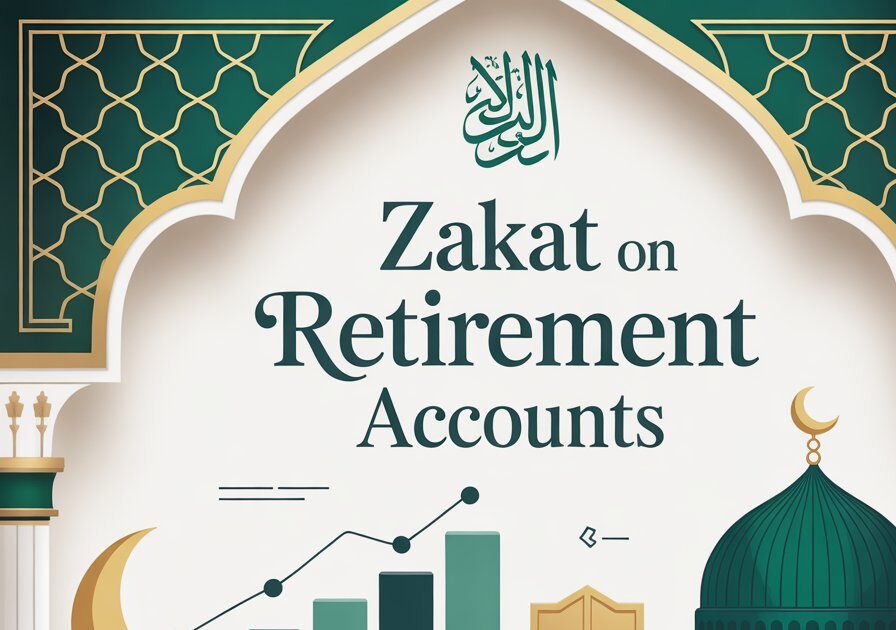
6. Is Zakat Required on Retirement Accounts?
Modern financial assets have created new Zakat questions.
Retirement accounts such as:
- pensions
- 401(k) plans
- retirement savings funds
may be subject to Zakat depending on accessibility.
Some scholars recommend calculating Zakat only on the portion accessible without penalties, while others recommend annual valuation.
Understanding how Zakat applies to retirement assets helps ensure accurate calculations.
👉Click here to get a complete and easy-to-understand guide zakat on pension
7. Do Women Pay Zakat on Jewelry?
This is one of the most debated Zakat questions.
Hanafi opinion
Gold and silver jewelry are Zakatable assets, even if worn regularly.
Other schools of thought
Some scholars believe personal jewelry used regularly is exempt from Zakat.
Because of these differences, many scholars advise following the interpretation most trusted within one’s community.
👉Click here to know more about Women Pay Zakat on Jewelry
8. Can Zakat Be Paid on Debts Owed to You?
If someone owes you money, Zakat treatment depends on whether repayment is likely.
Recoverable debts
If the borrower is expected to repay, Zakat may be calculated on the amount annually.
Uncertain debts
If repayment is uncertain, Zakat may only be due when the debt is actually recovered.
This ensures fairness in Zakat calculations.
👉Click here to get a complete and easy-to-understand guide Zakat on Debt
9. What If My Wealth Changes Throughout the Year?
Many people worry about fluctuating finances.
The key principle is simple:
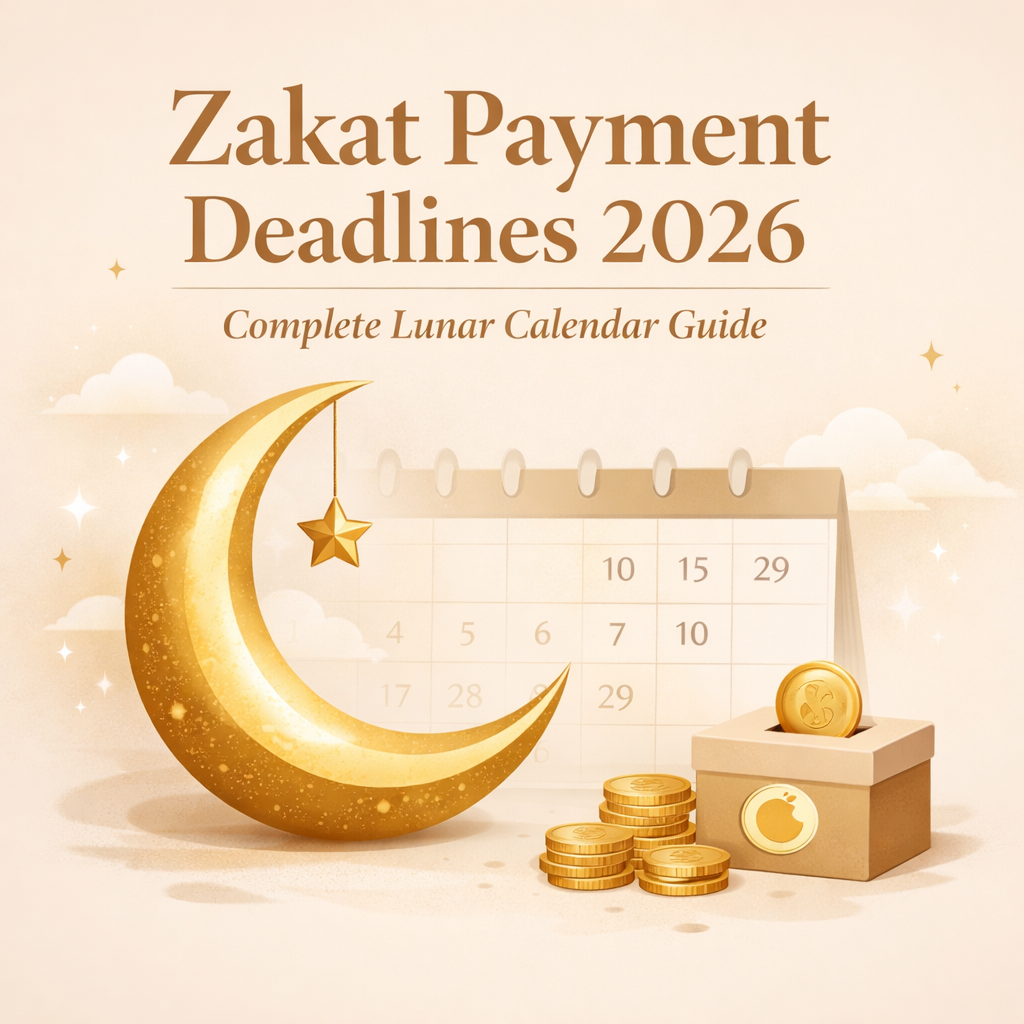
Zakat is calculated based on the wealth you possess at the end of the lunar year, provided it remained above the Nisab threshold during that period.
Temporary fluctuations during the year usually do not affect the obligation.
10. Is Zakat Required for Converts to Islam?
New Muslims often have many questions about Zakat.
The obligation begins once a convert:
- becomes Muslim
- possesses wealth above Nisab
- holds that wealth for one lunar year
Until these conditions are met, Zakat is not required.
Many community organizations also offer educational support for converts learning about Zakat and Islamic finance.
11. Do I Pay Zakat on Business Assets?
Yes.
Business owners typically calculate Zakat on:
- inventory
- profits
- liquid assets
Operational equipment used for business purposes usually does not require Zakat.
12. Can Zakat Be Used for Education?
Yes, depending on circumstances.
Education programs that benefit eligible Zakat recipients—such as orphans or impoverished students—may qualify under certain Zakat categories.
Many charitable organizations use Zakat funds to support scholarships and educational programs.
13. Can Zakat Be Paid Early?
Yes, depending on circumstances.
Education programs that benefit eligible Zakat recipients—such as orphans or impoverished students—may qualify under certain Zakat categories.
Many charitable organizations use Zakat funds to support scholarships and educational programs.
14. Do I Pay Zakat on My House?
Your primary residence is not subject to Zakat.
However, rental properties may require Zakat on:
- rental income
- accumulated profits
15. Is Cryptocurrency Subject to Zakat?
Most modern scholars consider cryptocurrency a Zakatable asset similar to currency or investments.
Therefore, Zakat may be calculated based on its current market value.
👉Click here to get a complete and easy-to-understand guide zakat on cryptocurrency
Why Understanding Zakat FAQs Matters
Zakat is not merely a financial calculation.
It represents:
spiritual purification
social responsibility
economic justice
When Muslims understand Zakat rules correctly, they ensure their charity reaches the people who need it most.
A small percentage of wealth can provide:
food for struggling families
education for children
relief for disaster victims
👉Click here to get a complete and easy-to-understand guide common mistakes in zakat calculation
Conclusion
Zakat is one of the most important pillars of Islam, yet it often raises practical questions.
Understanding Zakat FAQs helps Muslims fulfill their obligations confidently and responsibly.
The most common questions involve:
- family eligibility
- women’s jewelry
- retirement accounts
- debts
- missed payments
- modern financial assets
When these issues are understood properly, Zakat becomes not just an obligation—but a powerful tool for compassion and social justice.
As the Prophet Muhammad (peace be upon him) reminded believers:
“Charity does not decrease wealth.”
Through Zakat, wealth becomes purified and communities become stronger.
Additional Resources
Recommended books
Helpful tools
Communities
- local mosques
- Islamic scholars
- humanitarian organizations