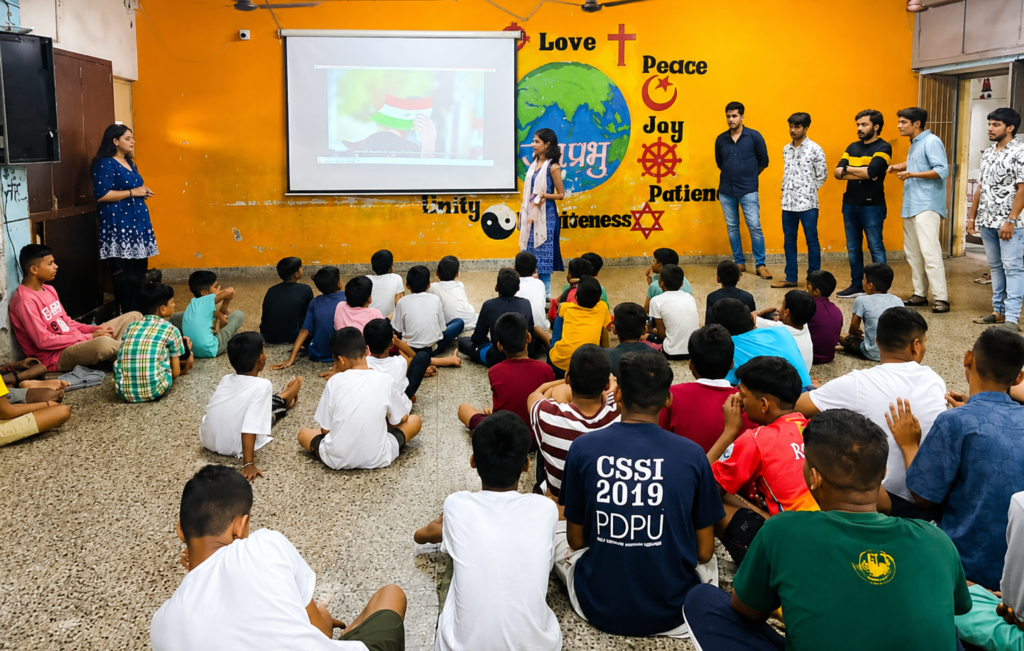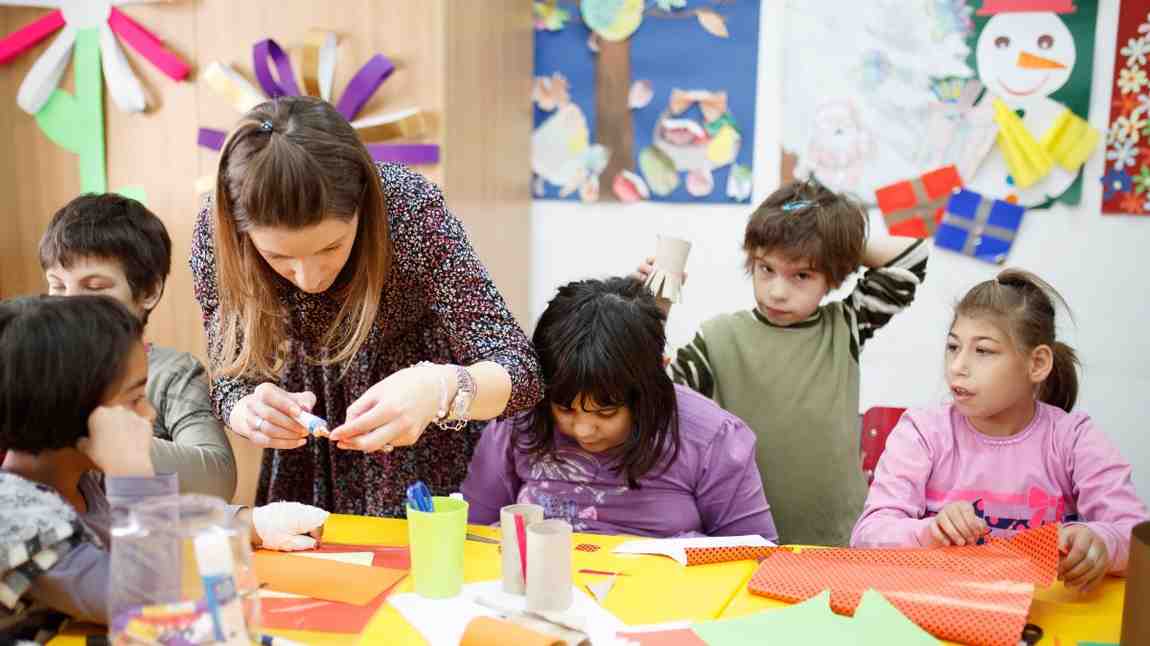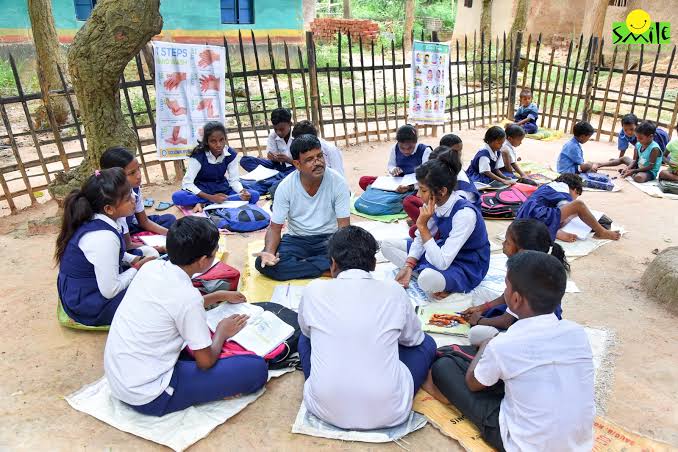

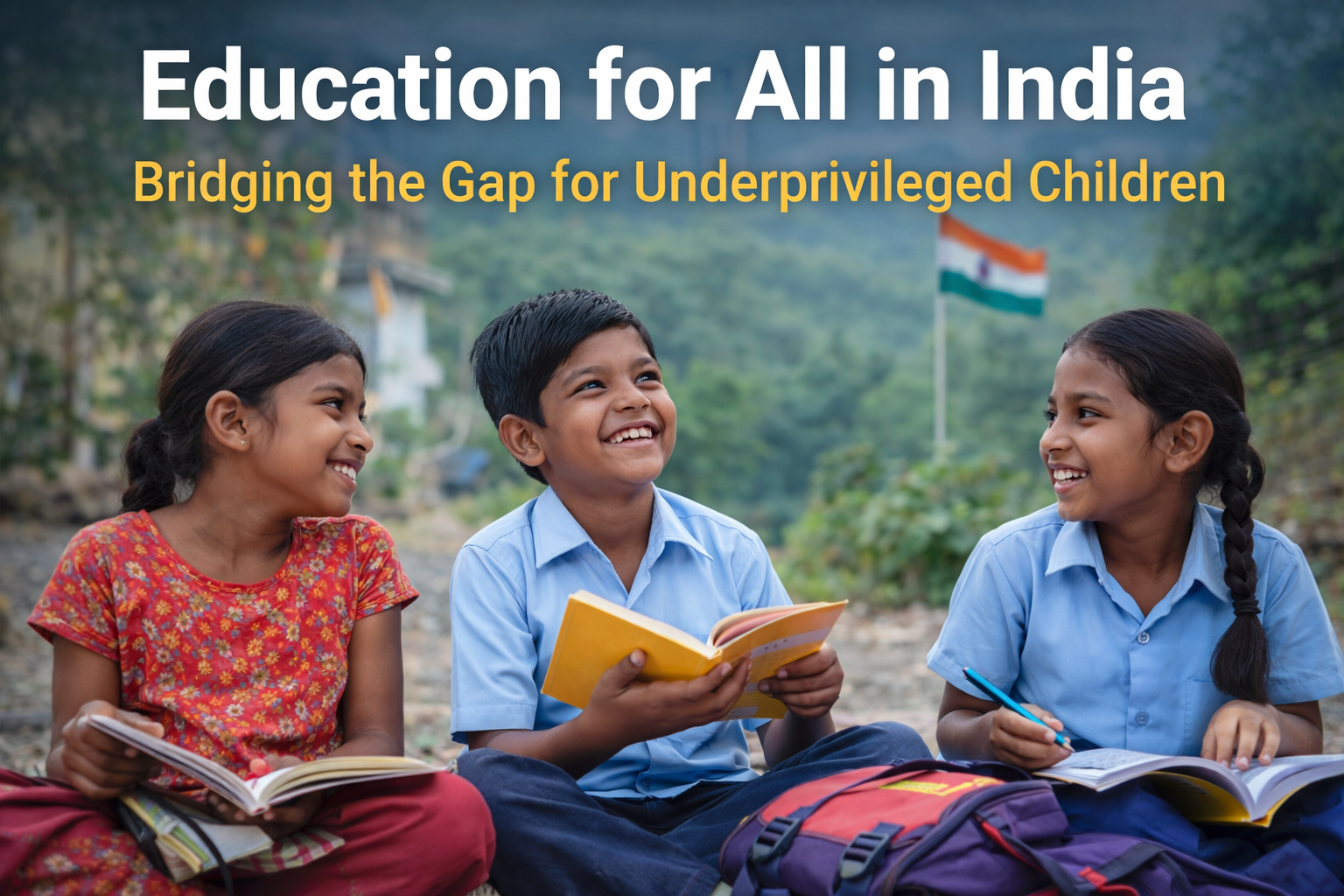

Education for all is the cornerstone of a nation’s progress. In a diverse and rapidly developing country like India, education plays a crucial role in shaping the future of millions of children. However, despite significant advancements, a large number of underprivileged children in India still struggle to access quality education.
Education for all ensures that every child has equal opportunities to learn and grow. Bridging the educational gap for underprivileged children is essential to ensure equality, economic growth, and social development. This article explores the challenges, solutions, and ways to make education accessible to every child in India.
The Current State of Education in India
India has made remarkable progress in improving literacy rates and school enrollment over the years. Government initiatives, NGO efforts, and increased awareness have contributed to these improvements.
However, challenges still exist:
- Millions of children are out of school
- Dropout rates remain high in rural areas
- Quality of education varies significantly
- Socio-economic inequalities persist
Underprivileged children, especially those in rural and marginalized communities, face the greatest barriers.
Who Are Underprivileged Children?
Underprivileged children are those who lack access to basic necessities and opportunities due to:
- Poverty
- Social discrimination
- Geographic isolation
- Lack of family support
These children often belong to:
- Low-income families
- Rural or tribal communities
- Urban slums
- Marginalized social groups
Their circumstances make it difficult to access and continue education.
Major Barriers to Education in India
1. Poverty and Financial Limitations
Poverty is the biggest obstacle. Many families cannot afford:
- School fees
- Uniforms
- Books and supplies
As a result, children are often forced to drop out or never enroll.
2. Child Labor
In many households, children contribute to family income. This leads to:
- Irregular school attendance
- Complete dropout from education
Child labor remains a significant issue in both rural and urban areas.
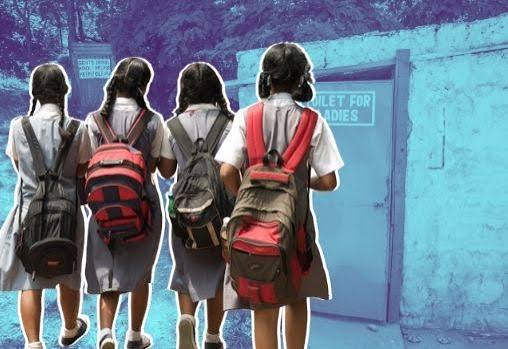
3. Lack of Infrastructure
Many schools lack basic facilities such as:
- Proper classrooms
- Toilets (especially for girls)
- Electricity
- Clean drinking water
This discourages children from attending school regularly.
4. Gender Inequality
Girls often face additional challenges:
- Early marriage
- Household responsibilities
- Safety concerns
These factors limit their access to education.
5. Quality of Education
Even when children attend school, the quality of education may be poor due to:
- Lack of trained teachers
- Outdated curriculum
- Overcrowded classrooms
This affects learning outcomes and future opportunities.
6. Digital Divide
In the digital age, access to technology is crucial. However, many underprivileged children lack:
- Internet access
- Devices like smartphones or computers
- Digital literacy
This gap became more evident during online learning periods.
Government Initiatives for Education in India
The Indian government has launched several programs to improve access to education:
Learn more about education initiatives at UNICEF Education
1. Right to Education (RTE) Act
The Right to Education Act ensures free and compulsory education for children aged 6 to 14 years.
Key features:
- Free schooling
- No discrimination
- Improved infrastructure standards
2. Mid-Day Meal Scheme
This program provides free meals to school children, helping:
- Improve nutrition
- Increase school attendance
- Reduce dropout rates
3. Sarva Shiksha Abhiyan (SSA)
This initiative focuses on universalizing elementary education by:
- Building schools
- Recruiting teachers
- Promoting inclusive education
4. Digital India Initiative
This program aims to improve digital access and literacy, enabling students to benefit from online education.
Role of NGOs and Private Organizations
Non-governmental organizations play a vital role in bridging the education gap. They:
- Provide scholarships
- Build schools in remote areas
- Offer vocational training
- Conduct awareness campaigns
Their grassroots efforts often reach communities that government programs cannot.
How Technology Is Bridging the Gap
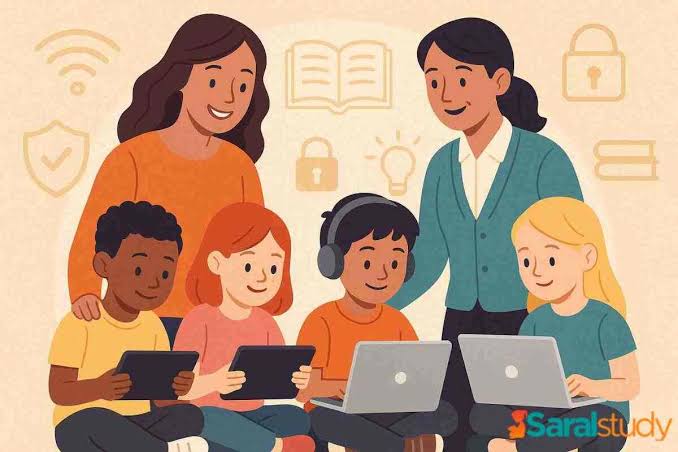
Technology has become a powerful tool in making education accessible:
Key contributions:
- Online learning platforms
- Digital classrooms
- Educational apps
- Remote teaching
With the right support, technology can overcome geographic and resource limitations.
Importance of Community Involvement
Community participation is essential for sustainable change. Local communities can:
- Encourage parents to send children to school
- Monitor school attendance
- Support educational initiatives
When communities value education, children are more likely to succeed.
Solutions to Bridge the Education Gap
1. Financial Support and Scholarships
Providing financial assistance helps families afford education and reduces dropout rates.
2. Improving Infrastructure
Building better schools with proper facilities creates a conducive learning environment.
3. Teacher Training Programs
Investing in teacher development ensures quality education for students.
4. Promoting Gender Equality
Encouraging girls’ education leads to stronger families and communities.
5. Expanding Digital Access
Providing devices and internet access helps children benefit from modern learning methods.
6. Awareness Campaigns
Educating parents about the importance of education can change mindsets and increase enrollment.
How Individuals Can Contribute
You don’t need to be part of an organization to make a difference. Individuals can:
- Sponsor a child’s education
- Donate books and learning materials
- Volunteer as a tutor
- Support NGOs
- Spread awareness through social media
Even small actions can create a significant impact.
Real-Life Impact Stories
- A child from a rural village becomes an engineer through education
- A girl completes her education and becomes a teacher
- A community improves literacy through collective efforts
These stories show that change is possible.
Long-Term Impact of Education for All
Bridging the education gap leads to:
- Reduced poverty
- Economic growth
- Social equality
- Improved quality of life
Education empowers individuals and strengthens the nation.
Conclusion
“Education for All” is not just a slogan—it is a mission that requires collective effort. Achieving education for all can reduce poverty and improve the future of the nation. for building a fair and prosperous society.
By addressing barriers, implementing solutions, and encouraging participation from all sectors, we can ensure that every child has access to quality education.
The future of India depends on the education of its children. Let us work together to make this vision a reality.
You can also read Sponsor a Child’s Education to help support this cause.
FAQs
What does “Education for All” mean?
It means ensuring that every child has access to quality education regardless of their background.
Why do underprivileged children lack access to education in India?
Due to poverty, child labor, lack of infrastructure, and social barriers.
What is the Right to Education Act?
It is a law that provides free and compulsory education to children aged 6–14 years in India.
How do NGOs help in education?
They provide resources, build schools, and support underprivileged children.
Why is girls’ education important?
It promotes gender equality and improves family and community well-being.
How does technology help education?
It provides access to online learning and digital resources.
What is the Mid-Day Meal Scheme?
A government program that provides free meals to school children.
How can individuals help?
By donating, volunteering, sponsoring children, and raising awareness.
What are the long-term benefits of education?
Reduced poverty, economic growth, and improved quality of life.
What is the biggest challenge in education in India?
Poverty and inequality remain the biggest challenges.