
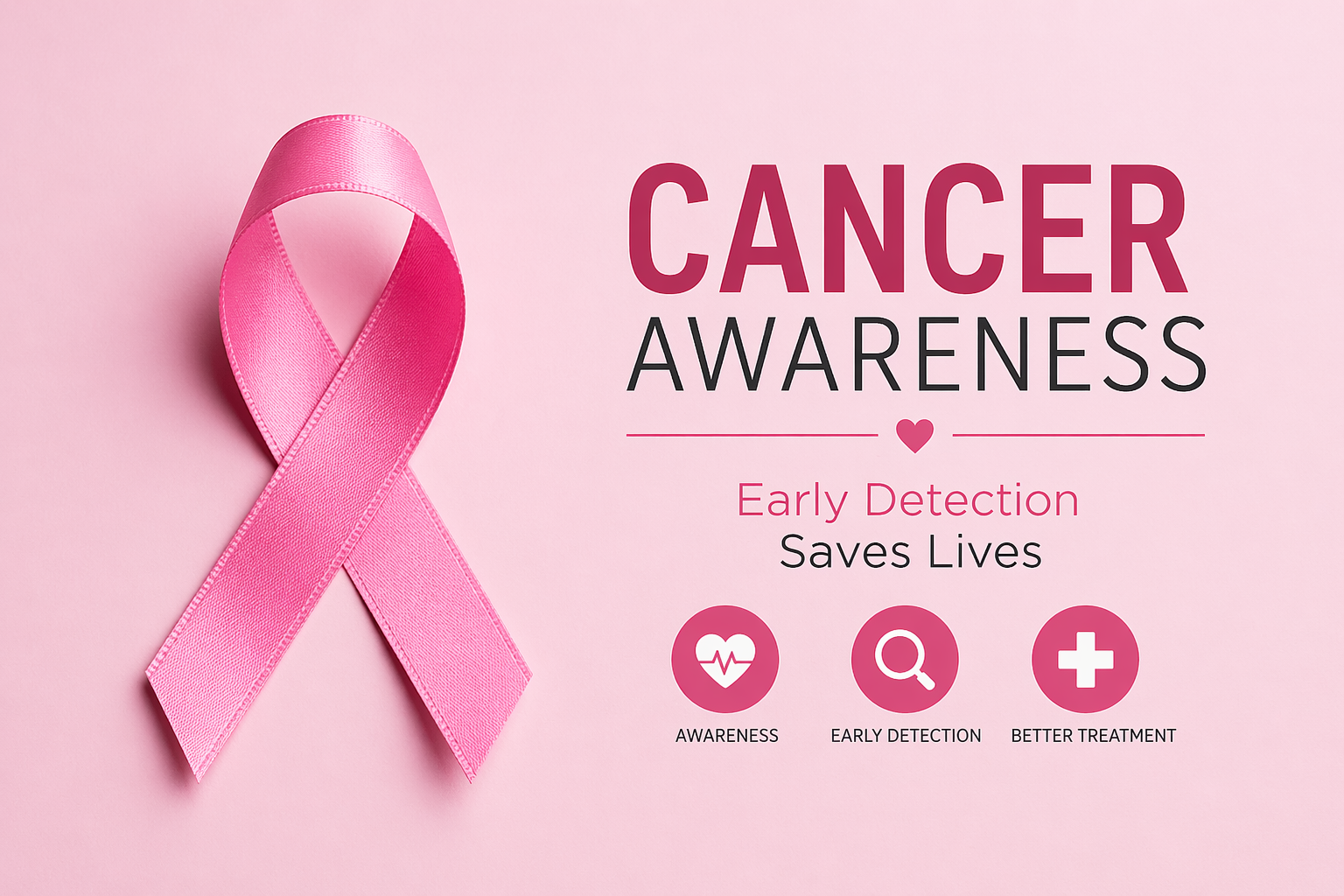

Complete Guide to Cancer Awareness and Early Detection
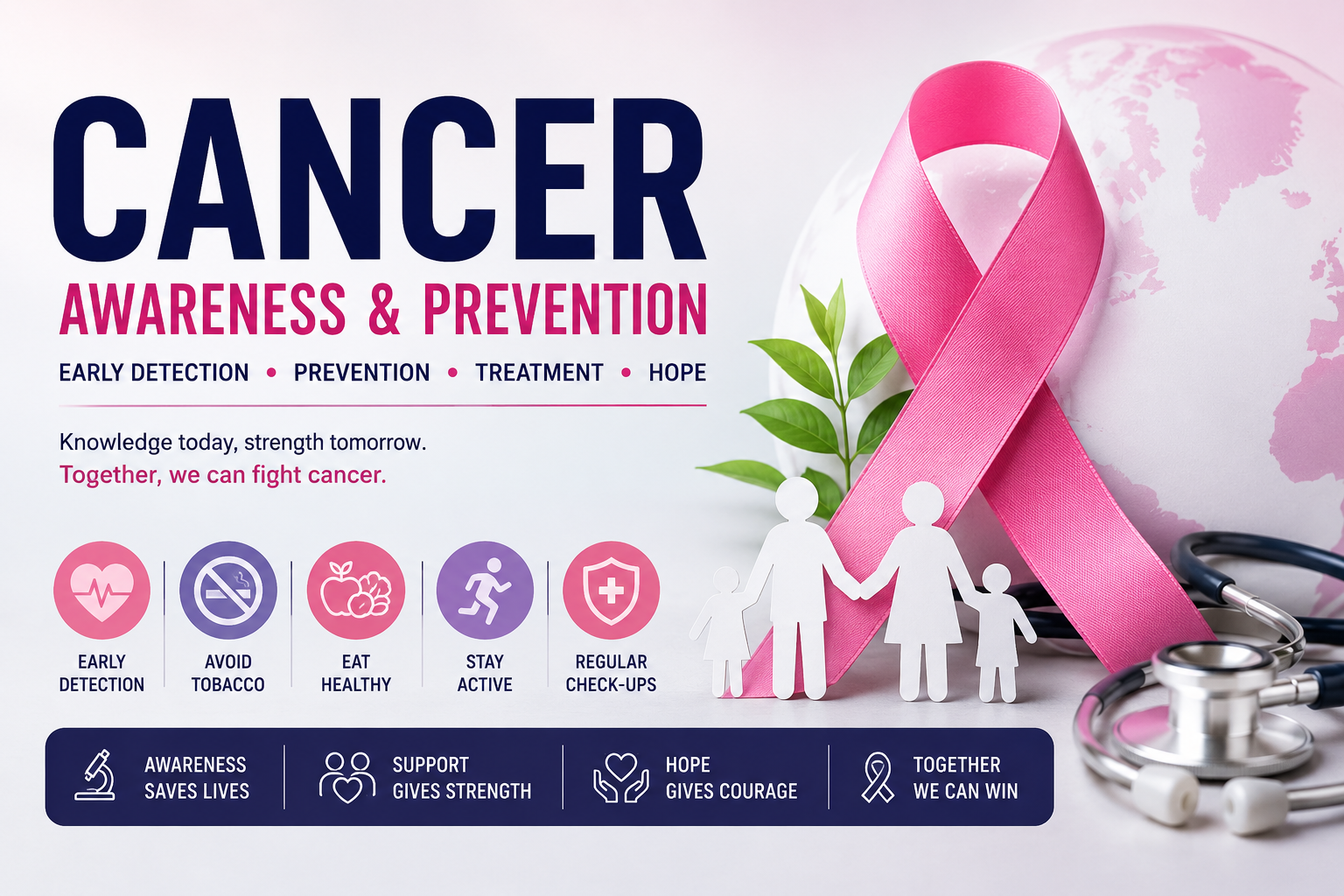
This complete guide to cancer awareness helps you understand the importance of early detection, symptoms, prevention, and treatment options. Cancer awareness plays a crucial role in saving lives by identifying warning signs early and taking timely action.
Cancer awareness is not just about knowing the disease; it is about understanding the symptoms, adopting preventive habits, and seeking timely medical care. When detected early, many types of cancer can be treated effectively, significantly improving survival rates.
In this comprehensive guide, we will explore everything you need to know about cancer, including its causes, symptoms, early detection methods, and treatment options.
“According to the World Health Organization (WHO), cancer is one of the leading causes of death worldwide, highlighting the importance of awareness and early detection.”
What is Cancer ?
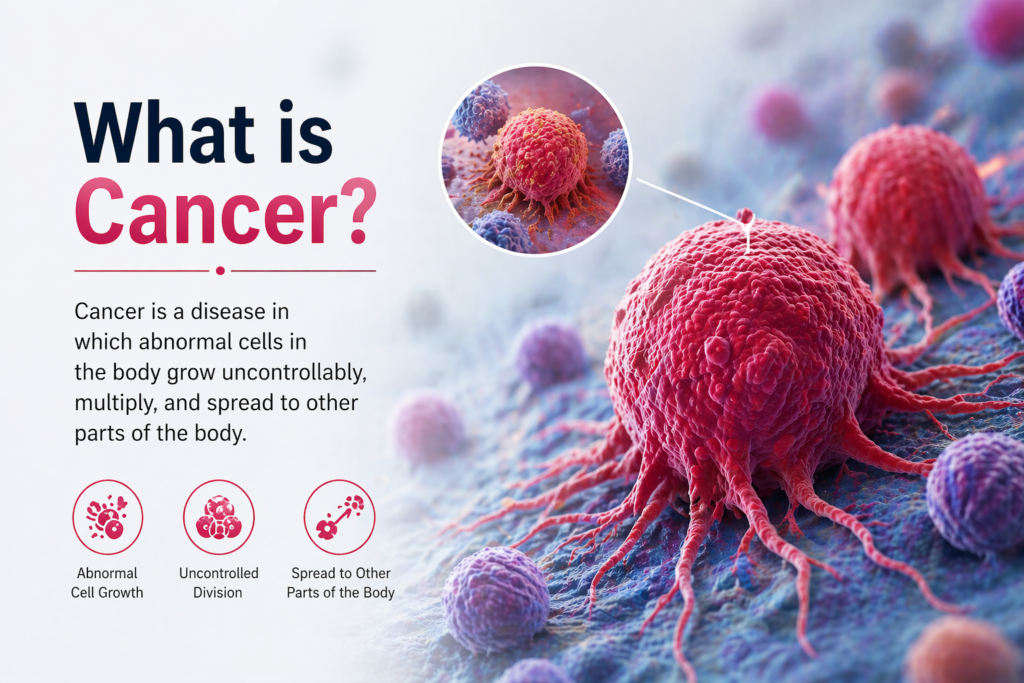
Cancer is a disease where abnormal cells grow uncontrollably and spread to different parts of the body. Normally, cells grow, divide, and die in a controlled manner. However, in cancer, this process becomes uncontrolled.
These abnormal cells can form tumors and interfere with the normal functioning of organs.
Why Cancer Awareness is Important
Cancer awareness plays a vital role in saving lives. Many people ignore early symptoms due to lack of knowledge, which leads to late diagnosis.
Key Benefits of awareness:
- Early detection of cancer
- Better chances of successful treatment
- Reduced healthcare costs
- Prevention through lifestyle changes
- For detailed warning signs, read:
Common Early Signs of Cancer
Recognizing early symptoms can make a huge difference. Some common warning signs include:
- Unexplained weight loss
- Persistent fatigue
- Lumps or swelling
- Changes in skin or moles
- Chronic cough
- Learn more in detail:
Types of Cancer
There are many types of cancer, but some of the most common include:
1. Breast Cancer
Common in women, detected through mammograms and self-exams.
Breast Cancer Awareness
2. Lung Cancer
Often caused by smoking and air pollution.
Lung Cancer Causes
3. Blood Cancer
Affects blood cells and bone marrow.
4. Skin Cancer
Caused by excessive sun exposure.
Causes of Cancer
Cancer can be caused by multiple factors:
- Genetic mutations
- Smoking and tobacco use
- Unhealthy diet
- Lack of physical activity
- Environmental pollution
- Learn prevention strategies:
Early Detection Methods
Early detection is one of the most powerful tools in fighting cancer.
Common screening methods:
- Blood tests
- Mammograms
- Biopsy
- CT scans
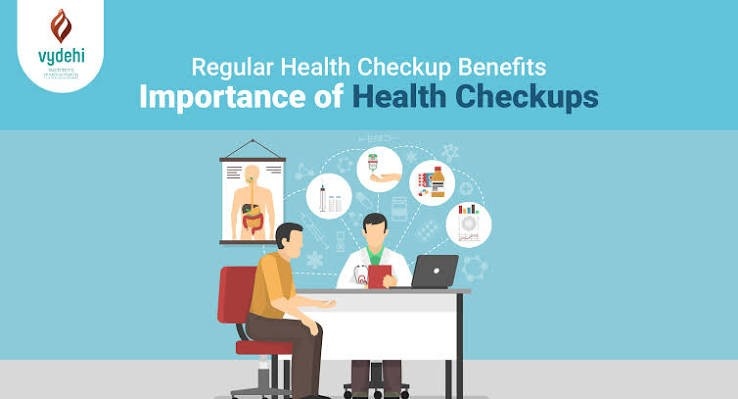
Regular check-ups can help detect cancer even before symptoms appear.
- Read more:
Cancer Treatment Options
Treatment depends on the type and stage of cancer.
Main treatment methods:
- Chemotherapy – Uses drugs to kill cancer cells
- Radiation Therapy – Uses high-energy rays
- Surgery – Removes tumors
- Immunotherapy – Boosts immune system
- Full explanation:
Role of Diet in Cancer Prevention
A healthy diet can reduce cancer risk significantly.
Recommended foods:
- Fruits and vegetables
- Whole grains
- Nuts and seeds
- Avoid processed foods and excess sugar.
- Learn more:
Mental Health and Cancer
Cancer not only affects physical health but also emotional well-being. Patients often experience stress, anxiety, and depression.
Support from family, counseling, and therapy plays a crucial role.
- Read more:
Myths About Cancer
Many misconceptions exist about cancer, which can create fear.
- Learn the truth:
Prevention Tips
- Avoid smoking
- Exercise regularly
- Maintain a healthy diet
- Get regular check-ups
- Prevention is always better than cure.
FAQs
What is the first sign of cancer?
Early signs vary but may include weight loss, fatigue, or unusual lumps.
Can cancer be cured?
Yes, many cancers can be cured if detected early.
How often should I get screened?
It depends on age and risk factors, but regular check-ups are recommended.
Is cancer hereditary?
Some cancers are genetic, but lifestyle also plays a major role.
Can diet prevent cancer?
A healthy diet can reduce risk but cannot guarantee prevention.