
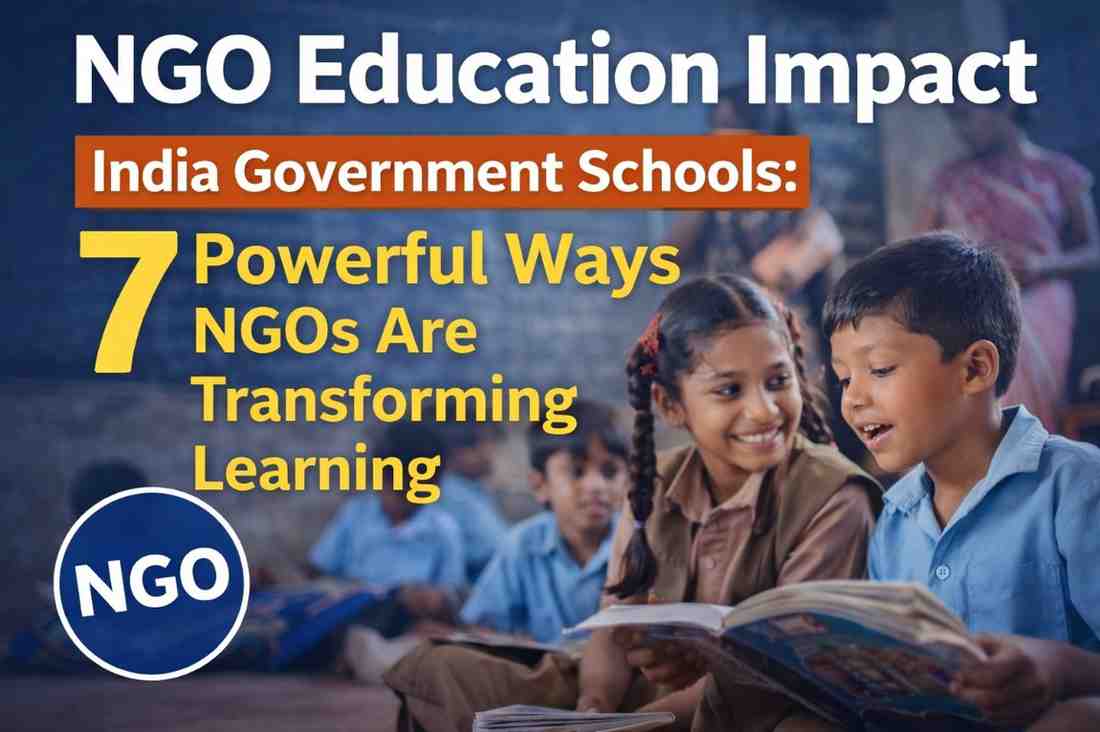

Imagine a classroom where a single teacher manages five different grades at once. Some children can barely read basic sentences, while others have already lost interest in learning altogether. This is not an isolated case—it reflects the everyday reality of many government schools across rural India.
While India has made remarkable progress in increasing school enrollment, the quality of education still varies widely. This is where the NGO education impact india government schools ecosystem becomes essential. NGOs are stepping in to bridge the gap between access and actual learning.
These organisations don’t replace schools—they strengthen them. By working closely with communities, teachers, and students, NGOs ensure that education becomes meaningful, engaging, and effective.
In this blog, you’ll explore the real challenges faced by government schools, understand why NGOs play such a critical role, see how Unessa Foundation creates impact on the ground, and learn how you can contribute to this change.
1. The Real State of Government Schools in Rural India
Over the years, government initiatives have significantly improved school access. However, access alone doesn’t guarantee quality education.
1. Teacher Shortages and Overload
Many rural schools operate with fewer teachers than required. This results in:
Multi-grade teaching
Limited individual attention
Teacher burnout
2. Infrastructure Gaps
Basic facilities are still lacking in many schools:
Inadequate classrooms
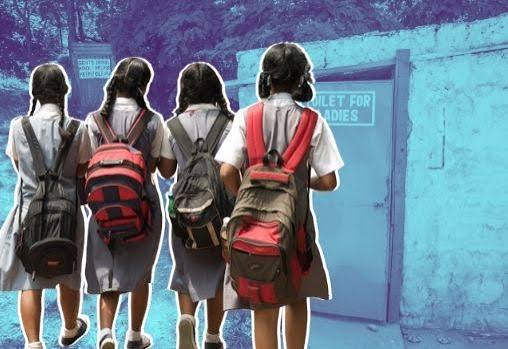
Poor sanitation facilities
Limited access to electricity or digital tools
3. Rote Learning Culture
Traditional teaching methods focus heavily on memorisation rather than understanding. As a result:
Students struggle with practical application
Critical thinking remains underdeveloped
4. Learning Deficit Crisis
A major concern is that many students are enrolled but not learning at their grade level. For example:
According to the ASER report on learning outcomes in India, a significant percentage of children in rural schools still struggle with basic reading and arithmetic skills.
Students in Grade 5 unable to read Grade 2 text
Weak foundational math skills
The Core Problem
The system is designed to scale, but quality often gets diluted in the process. Policies exist, but implementation varies from region to region.
This is exactly where NGOs step in—to ensure that learning actually happens, not just schooling.
2. Why NGOs Step In: Gaps That Policy Alone Cannot Fill
Government systems are powerful but rigid. NGOs bring flexibility, innovation, and a human touch.
1. Bridging the Last-Mile Gap
Policies may be designed centrally, but implementation happens locally. NGOs work directly within communities to:
Identify real problems
Create tailored solutions
Adapt quickly based on feedback
2. Personalised Learning Support
Unlike crowded classrooms, NGO programs often:
Focus on small groups
Assess individual learning levels
Provide customised support
This ensures that no child is left behind.
3. Teacher Empowerment, Not Replacement
NGOs collaborate with teachers by:
Introducing activity-based teaching methods
Providing teaching aids and materials
Conducting regular training workshops
This improves overall classroom quality.
4. Community Trust and Engagement
Education improves when communities are involved. NGOs:
Build relationships with parents
Encourage school participation
Address social barriers like child labour or gender bias
This improves overall classroom quality.
5. Innovation and Experimentation
NGOs have the freedom to test new approaches:
Digital learning tools
Gamified education
Peer learning models
Successful models can later be scaled or adopted by larger systems.
This combination of flexibility, innovation, and local engagement defines the real strength of the ngo education impact india government schools landscape.
3. What Unessa Foundation Does Differently on the Ground
Unessa Foundation focuses on creating deep, sustainable change, not just temporary improvements.
1. Needs-Based Intervention
Before starting any program, Unessa:
Assesses student learning levels
Understands school challenges
Engages with the local community
This ensures that solutions are relevant and effective.
2. Activity-Based Learning Approach
Children learn best when they are engaged. Unessa promotes:
Interactive teaching methods
Hands-on activities
Real-life examples
This transforms classrooms from passive to active learning spaces.
3. Volunteer-Driven Ecosystem
Volunteers play a key role by:
Mentoring students
Supporting teachers
Bringing fresh perspectives
This human connection creates inspiration and motivation among students.
👉 Learn more through the Unessa Foundation Mission : Be a volunteer
4. Focus on Foundational Learning
Instead of rushing through syllabus completion, Unessa ensures:
Strong reading ability
Basic math skills
Concept clarity
These foundations determine long-term academic success.
5. Transparency and Accountability
Unessa maintains:
Clear impact tracking
Measurable learning outcomes
Open communication with supporters
This builds long-term trust.
4. Measuring Real NGO Education Impact Across India
Impact is meaningful only when it can be measured and sustained.
1. Academic Improvement
Key indicators include:
Reading fluency improvements
Better math problem-solving skills
Increased classroom participation
2. Attendance and Retention
NGO programs often lead to:
Higher attendance rates
Lower dropout rates
Increased student interest
3. Teacher Development
Teachers become more effective through:
Training sessions
Exposure to new methodologies
Continuous support
4. Behavioural and Confidence Growth
Beyond academics, students show:
Increased confidence
Better communication skills
Higher aspirations
5. Community Transformation
When education improves:
Families become more engaged
Communities value schooling more
Future generations benefit
Reports from national education surveys consistently show that targeted NGO interventions significantly improve learning outcomes, reinforcing the importance of the ngo education impact india government schools ecosystem.
5. The Long-Term Impact on Children and Communities
The real success of NGO intervention is not just immediate improvement—but lasting change.
1. Breaking the Cycle of Poverty
Education opens doors to:
Better job opportunities
Financial independence
Improved living conditions
2. Empowering Girls Through Education
NGOs actively promote
Equal access to education
Reduced dropout rates among girls
Confidence and independence
3. Building Future-Ready Skills
Students gain:
Problem-solving abilities
Communication skills
Adaptability
4. Creating Role Models
Educated children often:
Inspire younger siblings
Influence their communit
Become change-makers themselves
6. How You Can Be Part of This Change
Real change happens when individuals take action.
1. Donate
Your contribution can:
Provide learning materials
Support classroom programs
Reach more children
👉 Support via the Unessa Foundation Donate
2. Volunteer
You can:
Teach students
Mentor children
Contribute skills remotely
3. Advocate and Spread Awareness
You can amplify impact by:
Sharing stories
Encouraging others to support
Raising awareness about education gaps
7. Conclusion
India’s education system has made progress—but significant gaps remain. NGOs play a crucial role in ensuring that education is not just accessible, but truly effective.
The strength of the ngo education impact india government schools ecosystem lies in collaboration, innovation, and community-driven action.
Every small effort contributes to a bigger change.
👉 Support Unessa Foundation — donate or volunteer to help fill the education gap in rural India today.
8. FAQ — People Also Ask
1. What is the impact of NGOs on education in India?
NGOs improve learning outcomes, enhance teaching quality, and increase student engagement through targeted interventions.
2. How do NGOs support government schools in rural India?
They provide supplementary education, teacher training, learning resources, and community engagement programs.
3. Why do government schools in India need NGO intervention?
Due to resource limitations and implementation challenges, NGOs help bridge learning gaps and improve quality.
4. What does Unessa Foundation do for rural education?
Unessa focuses on activity-based learning, foundational education, and measurable impact through community-driven programs.
5. How can I help bridge the education gap in India?
You can donate, volunteer, or spread awareness to support NGOs working in education.